en.Wedoany.com Reported - Amazon startup AeroRiver has developed the Brazilian ground effect vehicle Volitan, designed to carry 10 passengers or 1 ton of cargo, with a cruising speed of 150 km/h and a range of 450 km. The first water test is planned for the first quarter of 2026 in the Amazon.
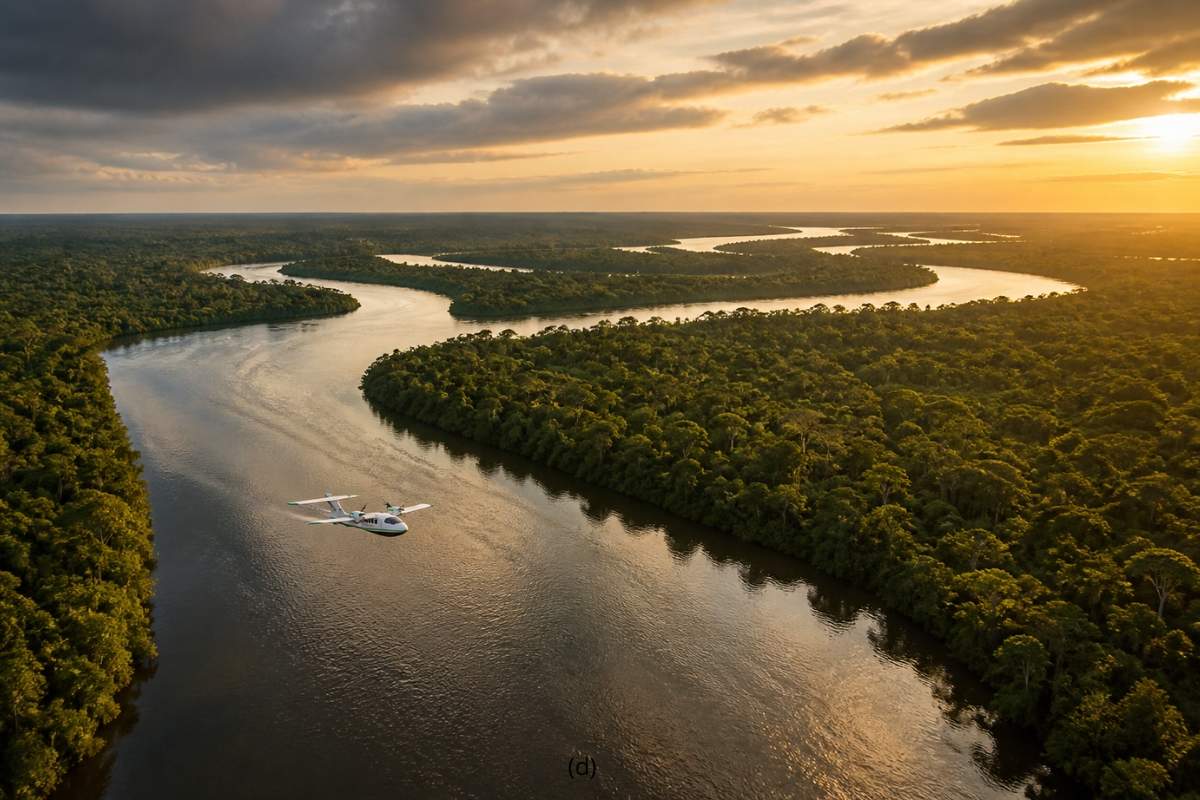
This vehicle, named Volitan, was created by Amazon startup AeroRiver. It is a ground effect vehicle that can fly at extremely low altitudes near the water surface, utilizing the "air cushion" formed between the wings and the water to reduce drag and improve efficiency. The vehicle is designed to take off and land directly on the water, without relying on airports or runways, enabling it to use Amazon rivers as natural transport corridors. The Amazon region, where entire communities depend on rivers for access to healthcare, food, education, and trade, is the target application scenario for this technology.
According to information released by the Brazilian Innovation and Research Funding Agency (Finep), the Volitan flying boat is 18 meters long, can operate at an altitude of 5 to 10 meters above the water, reach speeds of 150 km/h, and fly up to 450 km without refueling. This range means routes that previously took hours or even an entire day can now be completed in a much shorter time. The solution is suitable for routes between riverside cities, medicine transport, medical team deployment, sustainable tourism, and critical cargo transport.
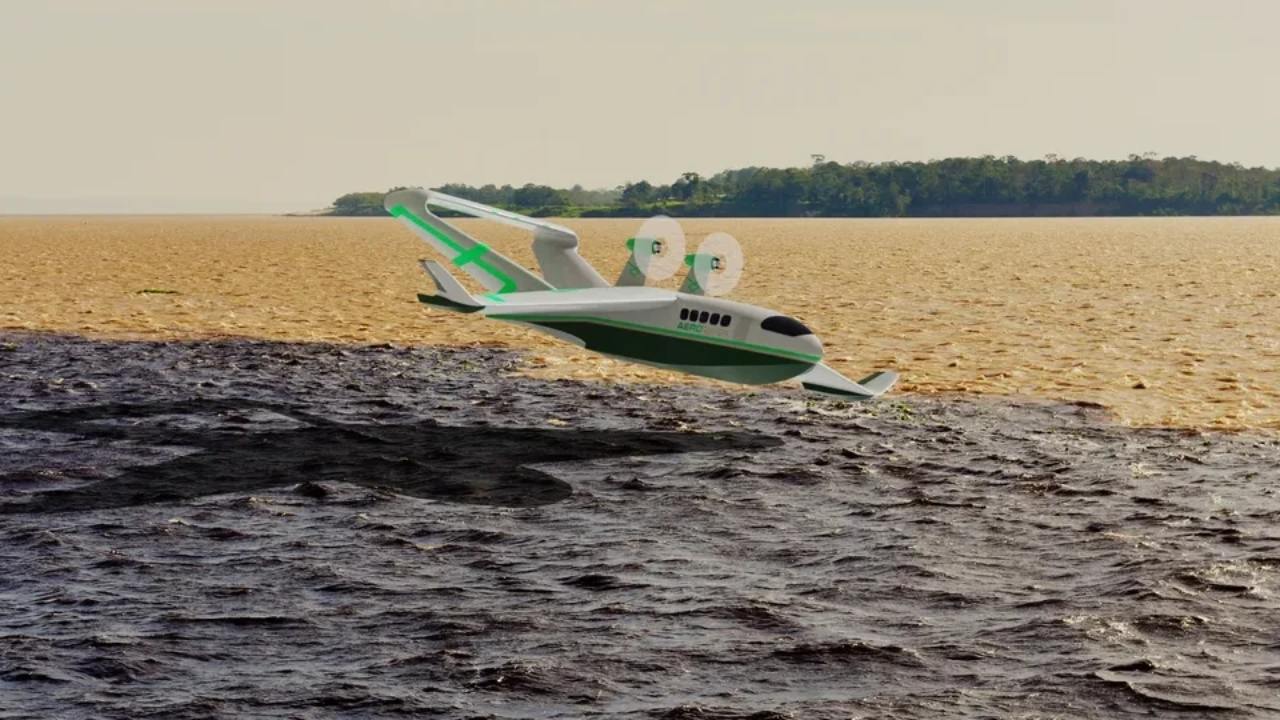
The Volitan project received approximately 10 million reais in funding for the structural development of the flying boat, with a focus on transportation, sustainability, and innovation in the Amazon region. The context for this announcement was the simultaneous release of information by the Federal Secretariat of Social Communication (Secom) that Brazil's average annual execution of the science budget for 2023-2025 reached 10 billion reais. Volitan is part of a broader environment of recovery in scientific investment.
The project originated in the state of Amazonas, based on local practical needs, and is not an imported technology. The development of this vehicle involves the Aeronautical Technology Institute (Instituto Tecnológico de Aeronáutica). Compared to traditional alternatives, the vehicle aims to provide more efficient transportation and reduce carbon dioxide emissions.
Volitan is not yet in commercial operation. The first water test is planned for the first quarter of 2026 in the Amazon, with pre-commercialization also planned for 2026 following testing and certification. The project still needs to overcome technical and regulatory challenges before it becomes a common sight on the rivers.
This article is compiled by Wedoany. All AI citations must indicate the source as "Wedoany". If there is any infringement or other issues, please notify us promptly, and we will modify or delete it accordingly. Email: news@wedoany.com