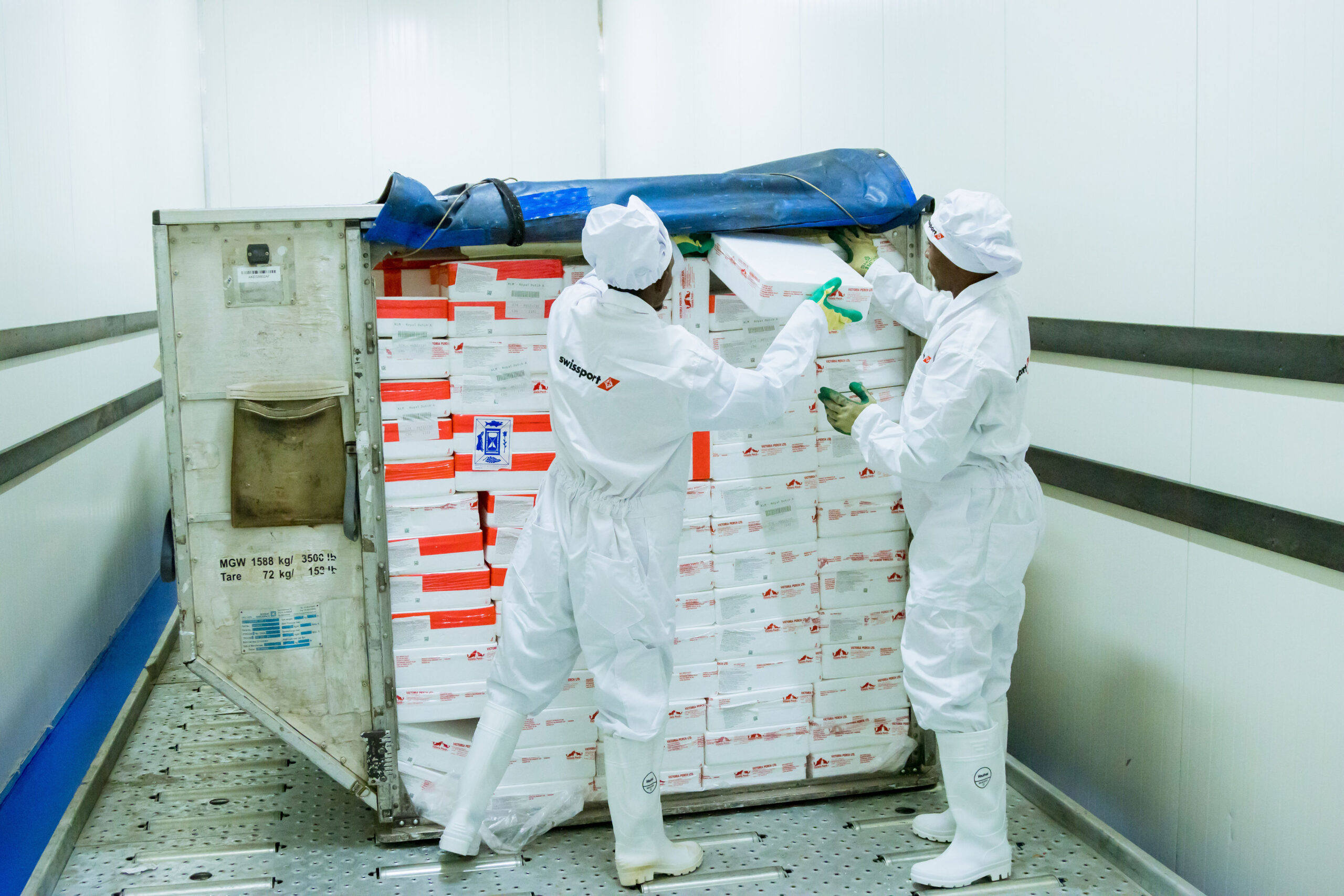
en.Wedoany.com Reported - Edgar Vásquez Vela, Director of the Global Business and Economics Research Center of the Peruvian Exporters Association (CIEN-ADEX), stated that if Peru fully utilizes the infrastructure in the northeast and advances investment projects, it could serve as a connecting bridge between Brazil and the Asia-Pacific market, potentially reducing logistics time for companies in northern Brazil by up to 22 days.
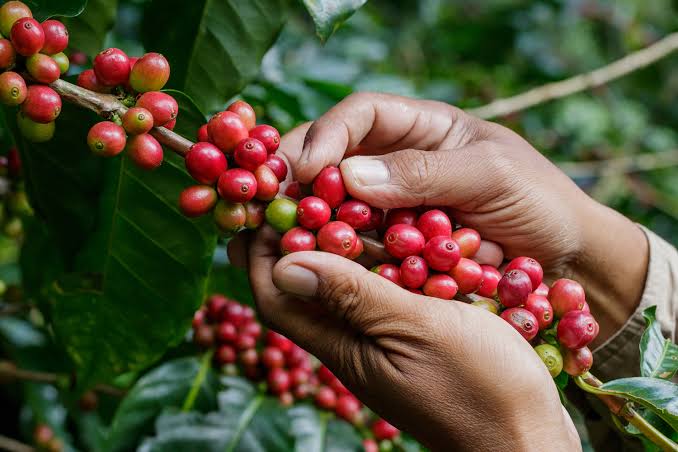
Speaking at the "Loreto Regional Economic Forum" organized by the Central Reserve Bank of Peru (BCRP), Vásquez Vela delivered a presentation titled "Foreign Trade Prospects and Opportunities for Loreto," noting that the development of this bi-oceanic corridor would open new trade possibilities for both countries, drive investment in Peru's northeastern region, revitalize the local economy, and create jobs. It would also generate growth opportunities for logistics-related services such as packaging, certification, warehousing, and distribution.
Despite significant gaps in competitiveness and infrastructure, Loreto, due to its strategic location along the Amazon axis, has unique conditions to become a key node for regional integration platforms. Currently, companies in northern Brazil must use routes that cross the Panama Canal and bypass most of the continent to procure goods, resulting in high costs and longer transit times.
Vásquez Vela explained that the northeastern macro-region consists of nine departments: Tumbes, Piura, Lambayeque, La Libertad, Cajamarca, Amazonas, San Martín, Ucayali, and Loreto, collectively accounting for 52.5% of Peru's national territory and 30.5% of its population (approximately 10.4 million people). In 2025, these regions together contributed about 0.8 percentage points to national economic growth, with five departments—Cajamarca, Lambayeque, Piura, Loreto, and Amazonas—recording growth rates above the national average of 3.4%. Additionally, this region accounts for 19.1% of Peru's total global export value (approximately $17.372 billion), with five of its departments showing strong performance in non-traditional product exports, indicating improved supply diversification and value-added capacity.

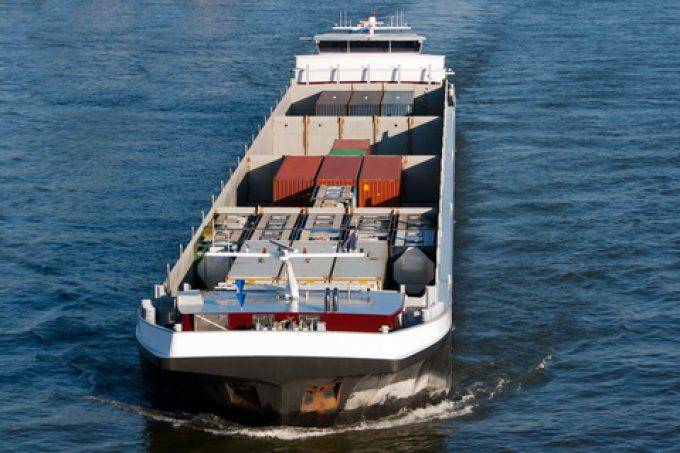
Of Peru's total exports to Brazil ($430 million), 58% are transported via river ($249 million). Vásquez Vela emphasized the importance of strengthening this mode of transport, as this region is the only macro-region in Peru that uses river transport for trade with Brazil. He called for fully leveraging existing river, sea, air, and land infrastructure, as well as projects like IIRSA Norte, to consolidate the bi-oceanic corridor that facilitates trade flows.
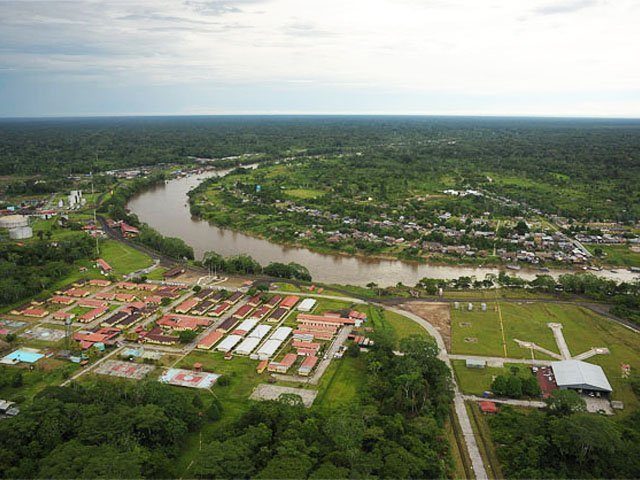
At the same time, Vásquez Vela warned that to achieve this goal, it is necessary to advance the elimination of non-tariff barriers, negotiate new sanitary protocols, restart investment projects to strengthen multimodal transport connectivity, and deepen the Peru-Brazil bilateral agreement while reinforcing anti-corruption clauses. In 2025, gold, blueberries, and coffee were the top three export products from the northern macro-region, while Loreto primarily exported crude oil and Residual 6 oil.
This article is compiled by Wedoany. All AI citations must indicate the source as "Wedoany". If there is any infringement or other issues, please notify us promptly, and we will modify or delete it accordingly. Email: news@wedoany.com