Low Rhine Water Levels Drive Barge Surcharges to €1,350 per TEU
en.Wedoany.com Reported - Persistent high temperatures and insufficient rainfall in Europe have lowered water levels on the Rhine, sharply reducing inland container shipping capacity. Multiple shipping lines have raised low-water surcharges and adjusted transport plans for ports and inland terminals in Germany.
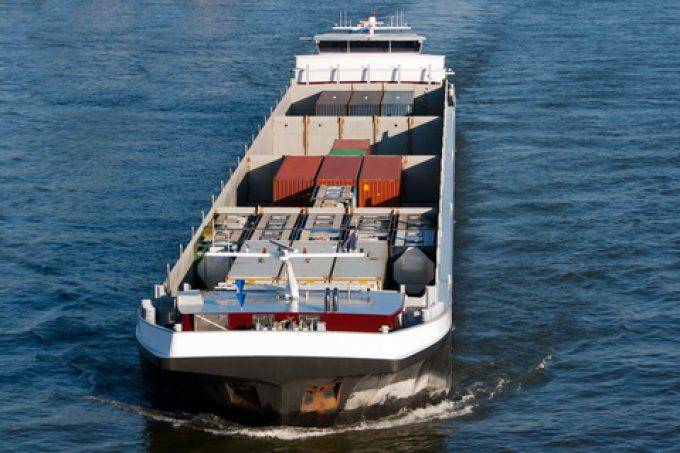
Mediterranean Shipping Company has raised its barge transport surcharge to €1,350 per TEU for shipments passing the Kaub water level gauge, and to €895 per TEU for shipments passing the Cologne section. The water level at Cologne has dropped to 55 cm, and some cargo on the Duisburg-Ruhrort section requires separate confirmation of transport conditions.
The water level at the Kaub section has fallen to approximately 11 cm, severely restricting container barge navigation. Medium-sized barges with a capacity of around 300 TEU can currently load only about 60 TEU, while large barges with a capacity of around 400 TEU can no longer pass through certain sections of the river.
Maersk has updated its Rhine low-water surcharge effective August 12. Once the water level at Kaub falls below 81 cm or at Duisburg-Ruhrort below 181 cm, Maersk no longer guarantees that cargo will be loaded as scheduled.
The low water levels on the Rhine have led to the suspension of regular barge calls at the inland terminals of Andernach and Bonn. Maersk is charging a temporary transshipment surcharge of €625 per container for import and export containers related to Andernach, and a surcharge of €350 per container for cargo related to Bonn.
Mediterranean Shipping Company will also impose a congestion surcharge starting August 20 on road, rail, and combined road-rail freight transshipped via Antwerp and Rotterdam to Germany and the Alsace region of France. The surcharge is €44 per container for road transport and €50 per container for rail and combined road-rail transport.
The German states of North Rhine-Westphalia, Lower Saxony, Rhineland-Palatinate, and Saarland have temporarily relaxed Sunday truck driving restrictions to accommodate coal, ore, chemical products, petroleum products, and container cargo diverted from the Rhine.
Related Products

Explosion-proof lithium battery dispatching monorail crane locomotive (permanent magnet frequency conversion integrated machine)
Xiangtan Hengxin Industrial Co., Ltd.

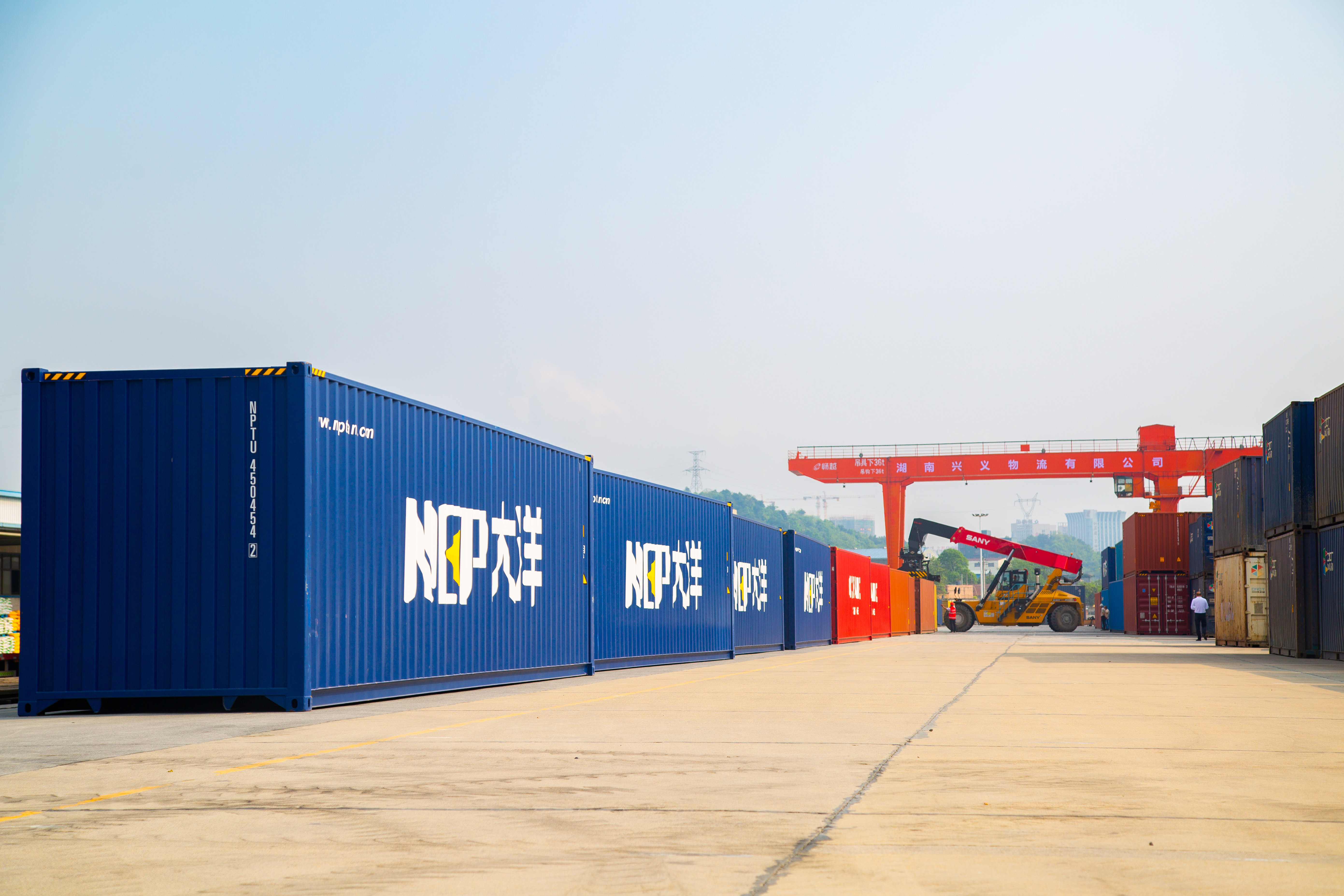
China - Alashankou/Khorgos - Europe Full Range Transportation (Mala/Hamburg/Duisburg/Budapest, etc.)
Shenzhen Neptune Logistics Co., Ltd.

Industrial and Commercial Point-Type Gas Detector
Jinan Benan Technology Development Co., Ltd.