en.Wedoany.com Reported - GlobalFoundries has established a Quantum Technology Solutions business unit and ceded 1% of its shares to the U.S. government. This unit aims to expand manufacturing capabilities, advancing quantum computing from the laboratory to the fab.
Quantum computing has emerged as a new computing paradigm, based on the principles of superposition, entanglement, and interference in quantum mechanics. A qubit can exist in a superposition of both 0 and 1 simultaneously, with the specific result determined only upon measurement. Scalability is the key factor determining which qubit architecture will prevail in the long term, primarily relying on industrial manufacturing capabilities.
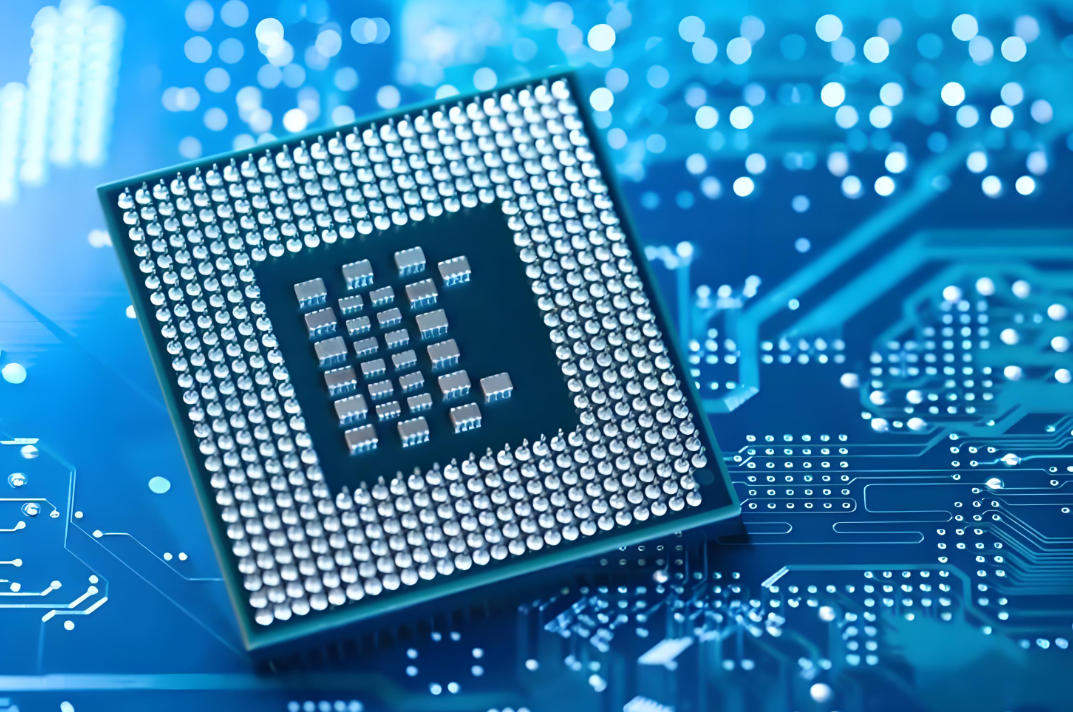
GlobalFoundries stated that through its collaboration and customer relationships with the U.S. government in key semiconductor technologies, as well as ongoing investments in cryogenic CMOS, advanced packaging, and materials science, the company has established an industrial foundation. The next generation of high-performance computing (HPC) will focus on the practical application of quantum computing. GlobalFoundries will manufacture complete quantum hardware, including quantum processing units (QPUs), cryogenic readout and control ICs, advanced packaging, and superconducting interconnects.
The U.S. Department of Commerce has signed a memorandum of intent with GlobalFoundries, under which GlobalFoundries will receive $375 million to accelerate the construction of quantum technology solutions. This investment is made through the CHIPS Research and Development Program. U.S. Secretary of Commerce Howard Lutnick stated that these strategic investments will strengthen the domestic industry and advance quantum capabilities.
The core challenge in commercializing quantum computers lies in the need for a large number of stable qubits. These qubits must operate without interference for sufficiently long periods to ensure high fidelity and long coherence times. Currently, there are multiple technological paths, including superconducting circuits, ion traps, photonic qubits, and silicon spin qubits, each with its own advantages and disadvantages in terms of robustness, coherence time, and scalability.
Analysts estimate that once systems with hundreds to thousands of logical qubits become available, the annual value creation potential could reach hundreds of billions of dollars. Application areas include pharmaceuticals and life sciences, finance, logistics and supply chain, materials science and energy, artificial intelligence and machine learning, and cybersecurity.
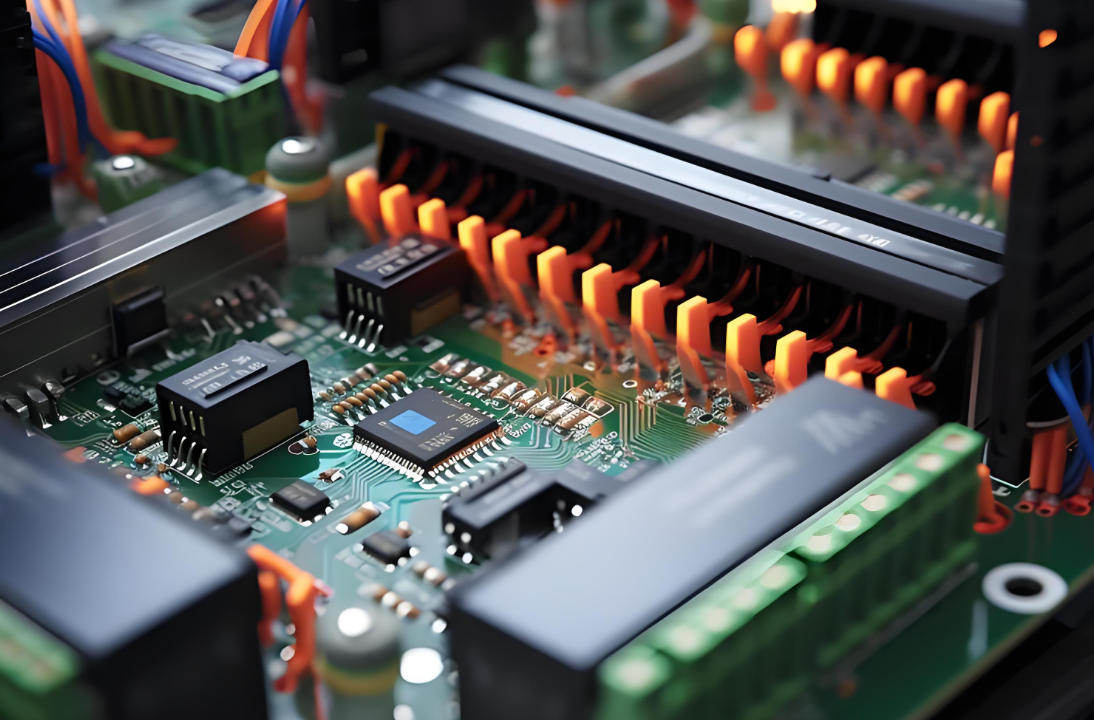
For data center operators, quantum processors will, in the short term, operate as specialized accelerators running in parallel with classical CPU and HPC stacks. GlobalFoundries adopts a manufacturing-first approach, not limiting itself to a single qubit technology, but instead building a scalable semiconductor platform. Its HKMG FD-SOI technology (such as 22FDX) can provide the foundation for classical digital control and readout electronics in quantum systems.
GlobalFoundries Fellow and Technology Architect (TA) Sven Beyer pointed out that the key lies in which methods can be applied to a repeatable, scalable manufacturing and packaging platform. The foundry plays a central role, providing the industrial foundation for different quantum concepts to mature.
This article is compiled by Wedoany. All AI citations must indicate the source as "Wedoany". If there is any infringement or other issues, please notify us promptly, and we will modify or delete it accordingly. Email: news@wedoany.com