Russia's Metal Trade Index Rises 6.46 Points
en.Wedoany.com Reported - Following the recent détente agreement between the United States and Iran and the partial reopening of the Strait of Hormuz, transportation risks in the Middle East have significantly decreased, leading to a decline and stabilization in global commodity market prices. This geopolitical shift has directly impacted the trade flows and pricing of major commodities such as crude oil, iron ore, and steel.
The Strait of Hormuz is one of the world's most critical oil transport routes, with approximately 30% of global seaborne crude oil trade passing through it daily. Previously, geopolitical tensions in the region repeatedly sparked concerns over supply disruptions, driving up risk premiums for energy and base metals. The recent U.S.-Iran agreement helps alleviate market worries about supply-side issues, allowing prices to return to supply-demand fundamentals.
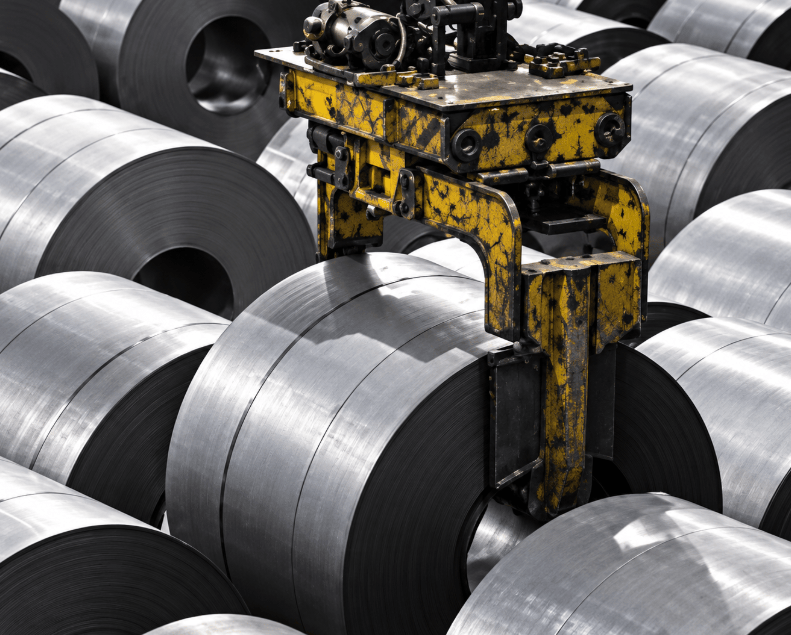
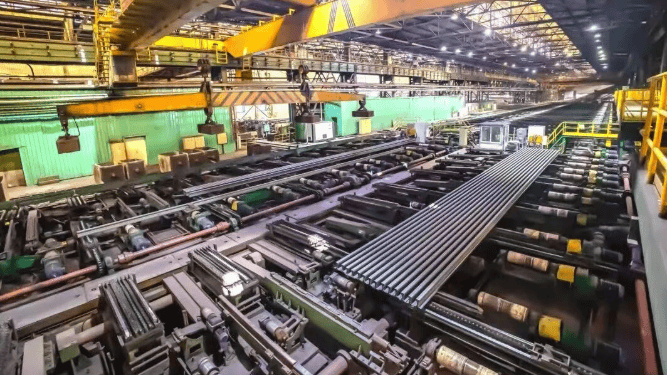
In Russia, the comprehensive metal trade price index MetalTorg.Ru rose by 6.46 points, or 0.77%, in the second week of June, continuing its upward trend. Due to the weakening ruble, Russian export product prices edged down, but demand from foreign buyers was notably insufficient. The ruble's depreciation has to some extent weakened the bargaining power of Russian exporters, and combined with falling international market prices, Russia's metal product export competitiveness faces dual pressure.
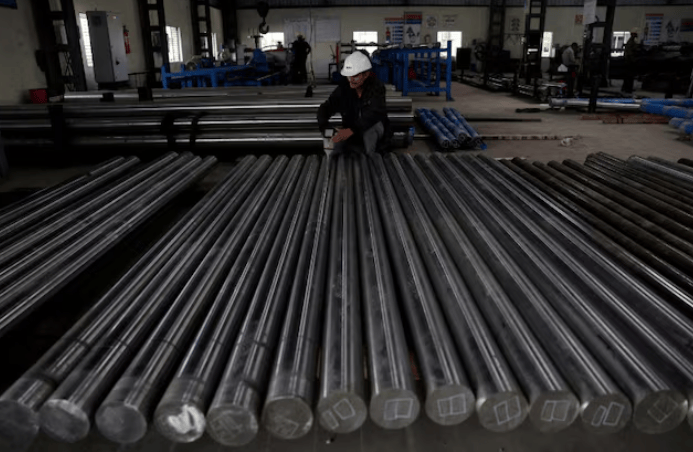
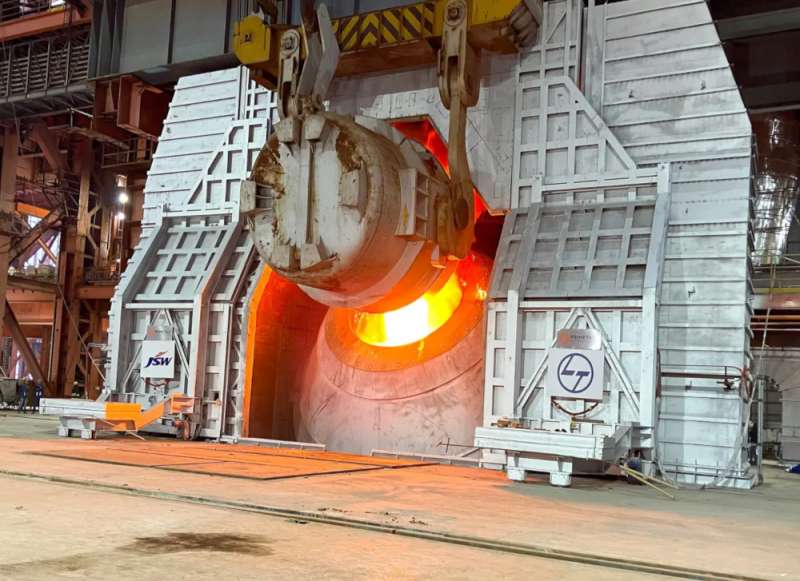
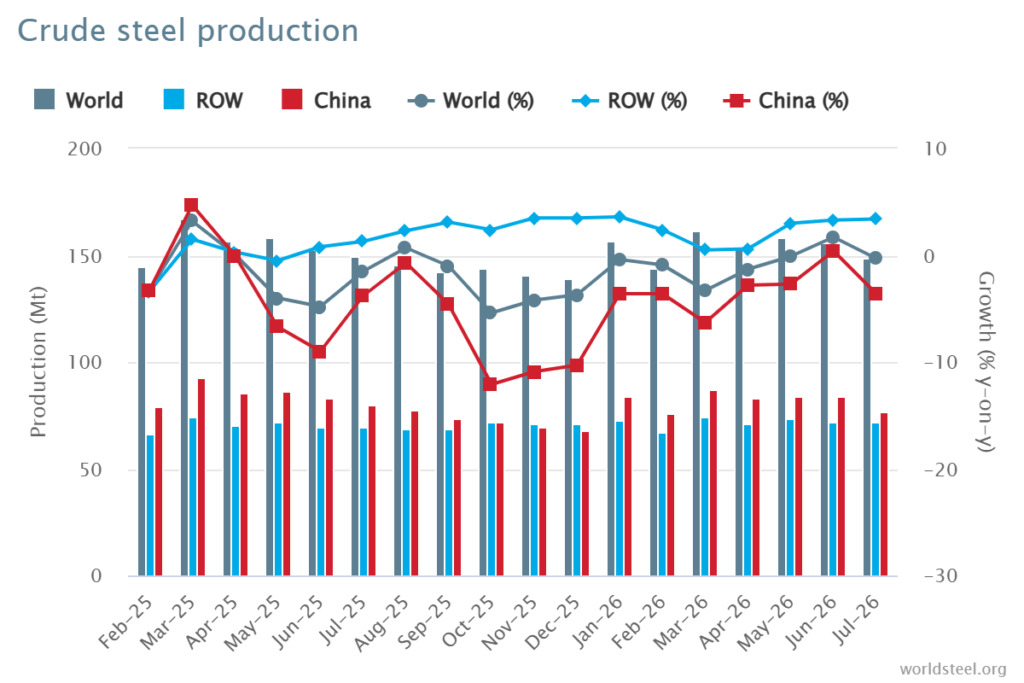
Globally, steel producers are strengthening protection of their domestic markets to fend off the impact of low-priced imports. In recent years, China has continued to expand its global influence through finished product exports and control of overseas raw material bases, exerting a structural impact on the international steel market. China's steel product exports exceeded 110 million tons in 2025, placing significant pressure on pricing systems in major markets such as Southeast Asia, the Middle East, and Africa. Meanwhile, Australian iron ore producers hope that India and ASEAN countries will play a more significant consumption role to offset the slowdown in Chinese demand growth. India's crude steel output surpassed 140 million tons in 2025, while crude steel consumption in the six ASEAN countries reached approximately 80 million tons, making them key demand sources for iron ore.
The U.S.-Iran détente agreement marks a phased adjustment in the Middle East geopolitical landscape and has a positive significance for the stability of global commodity markets. Market participants are closely monitoring the further impact of subsequent developments on the supply chain of energy and metal products. Russia's metal export landscape, global trends in steel trade protectionism, and the growth potential of emerging market demand collectively constitute key variables influencing the operation of commodity markets in the coming period.
This article is compiled by Wedoany. All AI citations must indicate the source as "Wedoany". If there is any infringement or other issues, please notify us promptly, and we will modify or delete it accordingly. Email: news@wedoany.com
Related Products
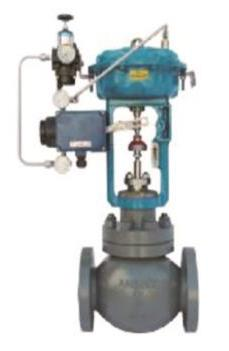

Quick-Change Single-Seat Control Valve / Quick-Change High-Pressure Single-Seat Control Valve
Beijing Consen Automation Technology Co., Ltd.
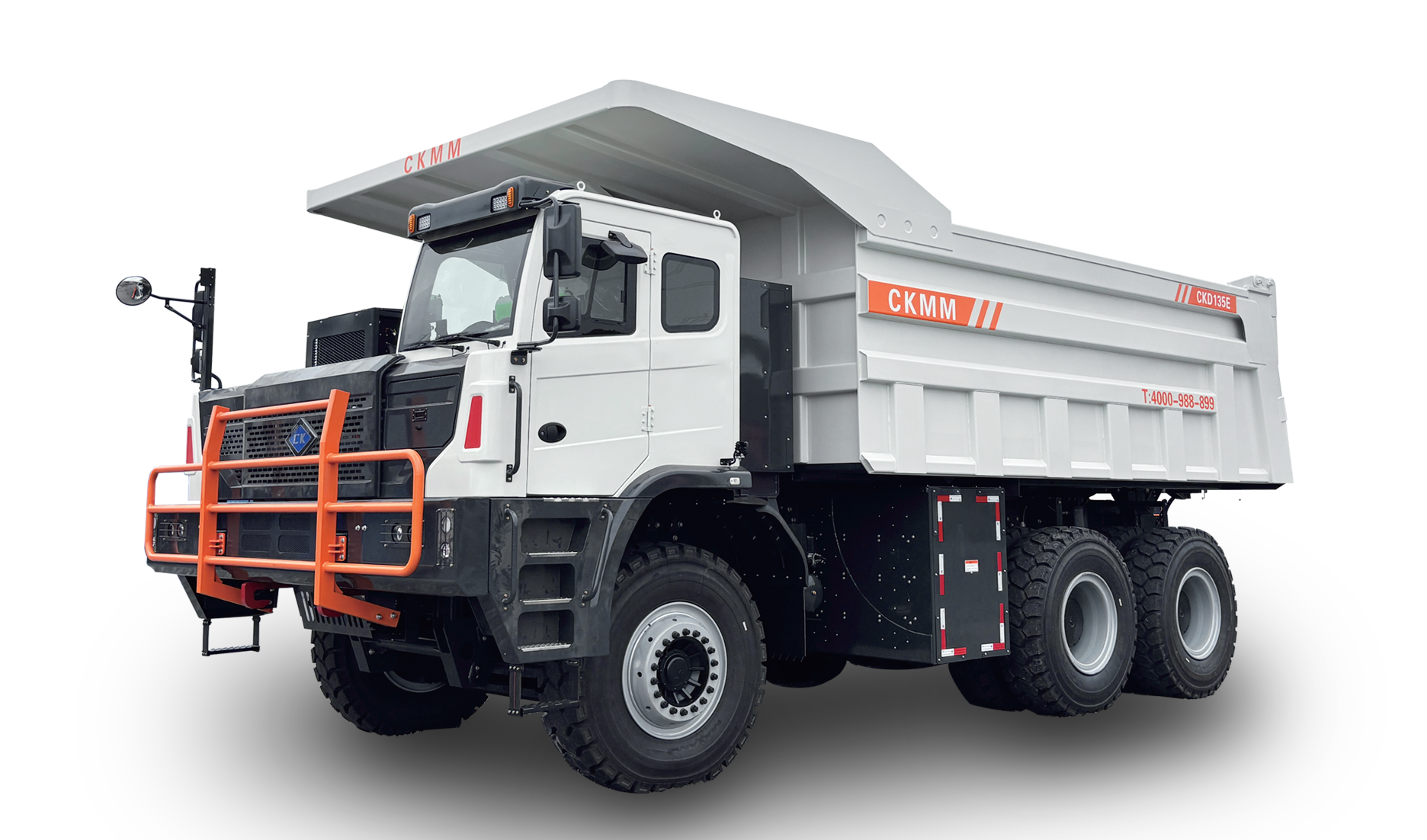
CKD135E Pure Electric Wide-body Dump Truck
Jiangsu Changkuang Engineering Machinery Co. Ltd.

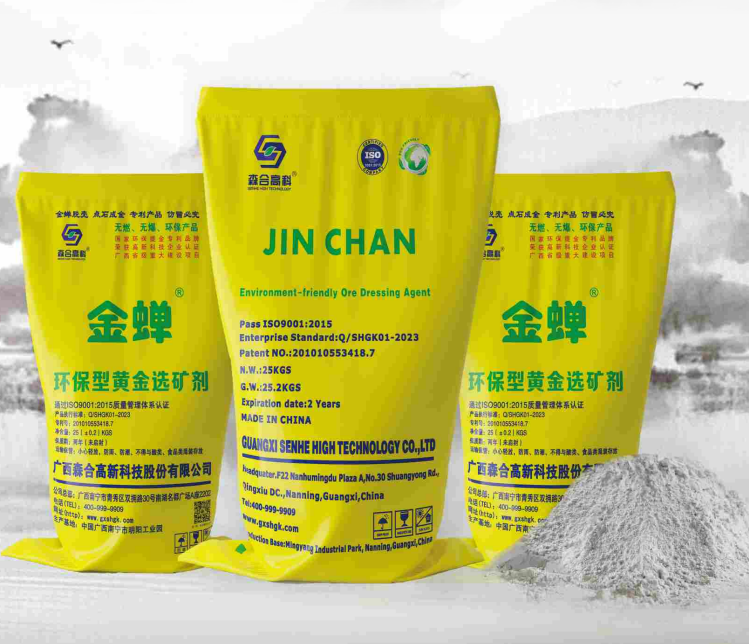
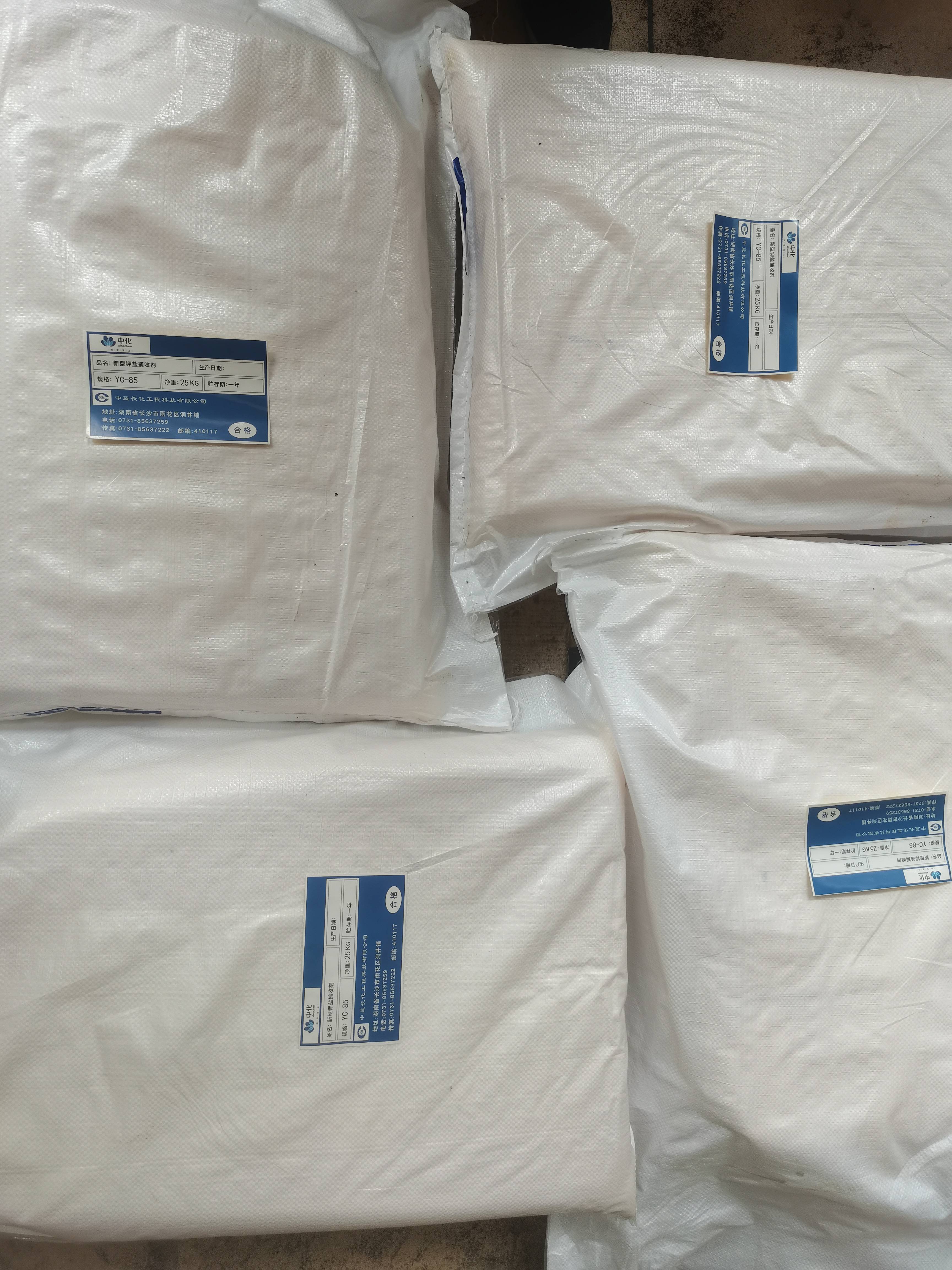
New Environmentally Friendly Green Potassium Salt Collector
Chonfar Engineering and Technology Co., Ltd.
High-temperature Equal Wall Thickness High-power Screw Drilling Tool
Orient Energy & Technologies Co., Ltd.