China's Six Departments Launch Smart Factory Gradient Cultivation Initiative, 35,000 Basic-Level Smart Factories Established
en.Wedoany.com Reported - China's Ministry of Industry and Information Technology, along with five other departments, has jointly launched a smart factory gradient cultivation initiative to drive the digital transformation and intelligent upgrade of the manufacturing sector. Based on the task deployment of the "Manufacturing Digital Transformation Action Plan" and the "14th Five-Year Plan for Smart Manufacturing Development," the six departments issued the "Notice on Carrying Out the 2024 Smart Factory Gradient Cultivation Initiative" (MIIT Office Joint Equipment Letter [2024] No. 399), aiming to create an "upgraded version" of smart manufacturing. As of 2025, China has cumulatively established 35,000 basic-level smart factories, over 8,200 advanced-level smart factories, more than 500 premium-level smart factories, and 15 have been selected for the pilot-level smart factory cultivation list, covering over 80% of manufacturing industry categories. This has driven an average reduction in product defect rates by 47% and an average shortening of product R&D cycles by 38%.
The smart factory gradient cultivation consists of four levels: basic, advanced, premium, and pilot, with enterprises required to apply level by level. The certification process specifies: basic-level factories are self-assessed and self-certified by enterprises; advanced-level factories are certified by provincial industry and information technology departments in conjunction with development and reform, finance, state-owned assets, market supervision, and data management authorities; premium and pilot-level factories are recommended by provincial departments to the Ministry of Industry and Information Technology, which certifies them jointly with relevant national ministries. Taking Yunnan Province as an example, in 2025, the province has completed self-assessments for 255 basic-level smart factories, certified 55 advanced-level smart factories, and recommended 4 for premium-level smart factory certification.
Certification of smart factories at each level is primarily based on the "Reference Guide for Typical Smart Manufacturing Scenarios (2025 Edition)." The evaluation system covers five stages: factory construction, R&D and design, production operations, production management, and operational management. Basic-level smart factories must cover at least the production operations stage; advanced-level factories must cover at least three stages: production operations, production management, and operational management; premium-level and above require full coverage of all five stages. Taking advanced-level as an example, certification criteria include: the applicant has completed smart factory construction, has been certified as a basic-level smart factory or is in the city's key cultivation pool for basic-level smart factories; covers at least three stages; key technical and economic indicators should be at a leading level within the province (autonomous region, municipality) in the same industry; and plays a leading and driving role within the province's same industry.
Before applying for smart factory certification, enterprises must conduct a self-assessment of smart manufacturing capability maturity on the Smart Manufacturing Evaluation and Assessment Public Service Platform built by the China Electronics Standardization Institute. The assessment is based on the national standard "Smart Manufacturing Capability Maturity Model" (GB/T 39116-2020), which is divided into five levels. Certification for basic and advanced levels requires a self-assessment score of Level 2 or above, premium level requires Level 3 or above, and pilot level requires Level 4 or above. Enterprises must complete a self-assessment annually based on project operations and must redo it before applying.
Yunnan Province has formulated the "Yunnan Province Smart Factory Gradient Cultivation Work Implementation Plan (2025-2027)," clarifying main objectives, key tasks, organizational implementation methods, and safeguard measures. Enterprises certified as advanced-level smart factories or above will receive support in relevant industrial policies. In terms of certification schedule, the Provincial Department of Industry and Information Technology organizes advanced-level smart factory certification every March, while the Ministry of Industry and Information Technology conducts premium and pilot-level smart factory certification every June.
This article is compiled by Wedoany. All AI citations must indicate the source as "Wedoany". If there is any infringement or other issues, please notify us promptly, and we will modify or delete it accordingly. Email: news@wedoany.com
Related Products
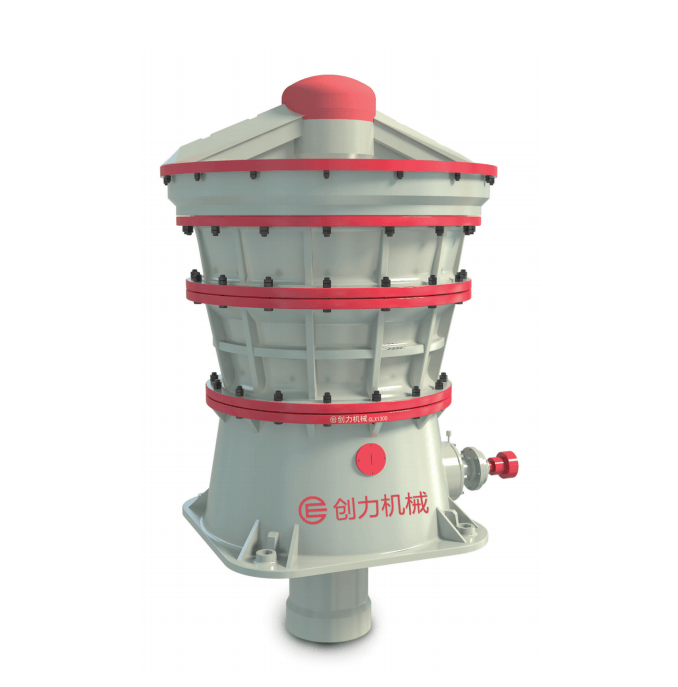

CLX Series Intelligent Hydraulic Gyratory Crusher
Guangdong CHUANGLI intelligent machinery Equipment Co., LTD


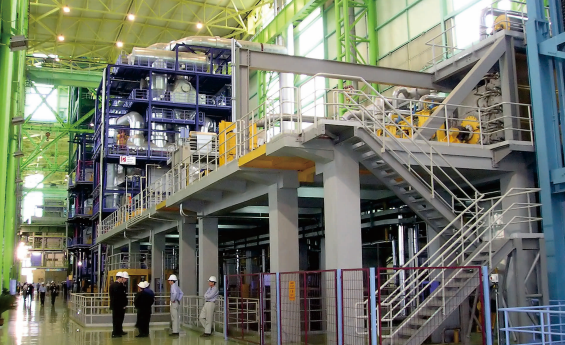
Strip Coating and Plating Production Line Equipment
MCC-SFRE HEAVY INDUSTRY EQUIPMENT CO., LTD.

Pneumatic high-pressure wear-resistant ball valve
Zhejiang Deca Control Valve Meter Co., Ltd.
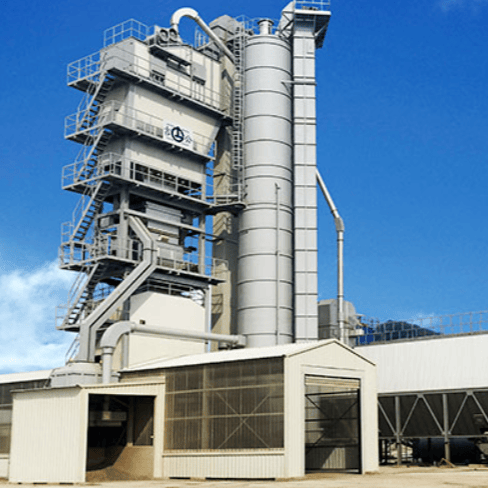
LBH4000 Batch Environmental Protection Asphalt Mixing Plant | Asphalt Batching Plant | Asphalt Mixing Plant
Jilin Province Road Construction Machinery Co., Ltd.
High-Speed Flexible Fully Automatic Stamping Production Line
JIER Machine-Tool Group Co., Ltd.