Peru's IIAP Uses AI and Drones to Enhance Amazon Environmental Monitoring
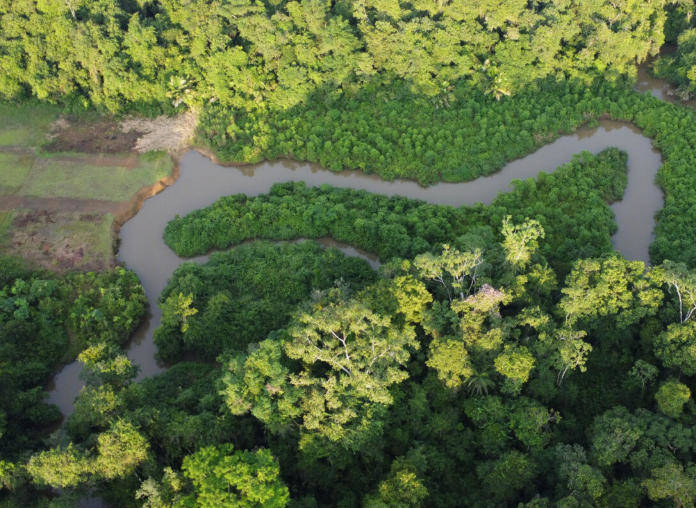
en.Wedoany.com Reported - The Peruvian Amazon Research Institute (Instituto de Investigaciones de la Amazonía Peruana, IIAP) is leveraging artificial intelligence, genetic analysis, and drone technology to strengthen scientific research and environmental monitoring in the Amazon region, providing sustainable solutions for biodiversity conservation and bioeconomy development. These innovations, developed by IIAP under the Ministry of the Environment (Ministerio del Ambiente, Minam), are already being applied in research, monitoring, and conservation efforts.
Carmen Vegas, Vice Minister of Natural Resources Strategic Development at Minam, accompanied by IIAP Director Jorge Revilla, along with ambassadors, representatives of international organizations, and entrepreneurs, visited IIAP's facilities in Iquitos to gain a firsthand look at these technological advancements. During the visit, the delegation toured the artificial intelligence laboratory, the mobile application workspace, and the supercomputer "Manatí." These tools enhance information generation and processing capabilities to support scientific research and environmental decision-making. The delegation also learned about progress in the Environmental Quality Laboratory, which conducts specialized analyses of heavy metals and microplastics in Amazon ecosystems, and was introduced to a technology for restoring degraded forests using drones and restoration spheres—an innovation that can accelerate recovery in areas affected by forest fires and other degradation processes.
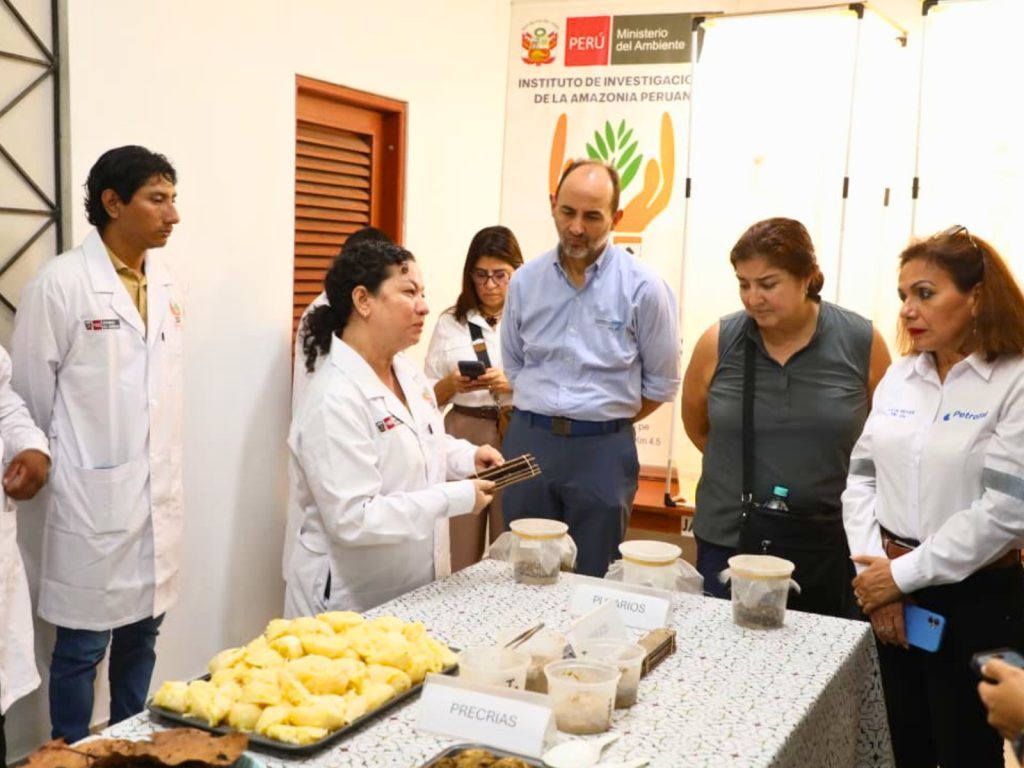
The itinerary also included a visit to the Quistococha Research Center (Centro de Investigación Quistococha), which conducts research aimed at improving the reproduction, health, and conservation of Amazonian aquatic species of high commercial value, contributing to sustainable production and strengthening regional food security. The delegation also learned about a module for producing black soldier fly larvae using organic waste based on circular economy principles, as well as the Natural Products Chemistry Laboratory and the Biology and Molecular Genetics Laboratory. In these facilities, researchers explore compounds derived from Amazon biodiversity and apply environmental DNA tools for species identification and ecosystem monitoring.
IIAP is also making science and Amazonian knowledge more accessible to the public through innovative digital tools. Notable among these are the mobile applications "Amazon: Illustrated Guide to Flora and Fauna" and "Amazon Biodiversity and Culture," which allow users to learn about the region's rich biological and cultural resources even in areas without internet access. Additionally, there are open-access digital platforms and virtual reality experiences that offer immersive exploration of Amazon ecosystems, strengthening environmental education and promoting greater appreciation for the country's biodiversity.
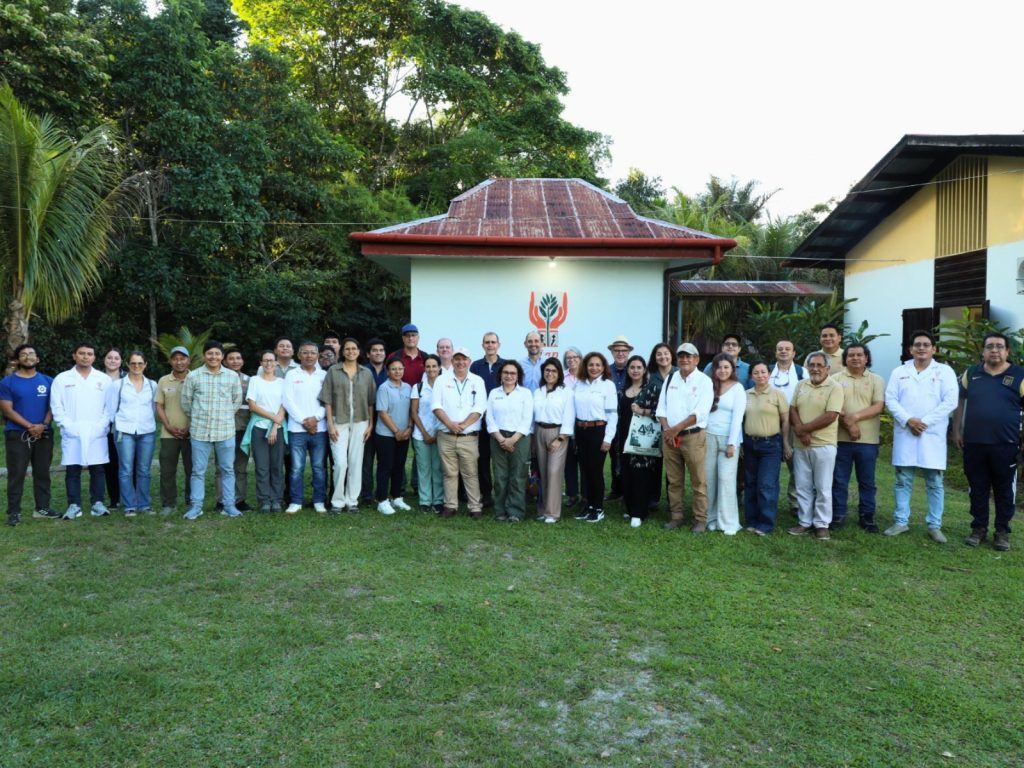
Through these actions, Minam, via IIAP, reaffirms its commitment to using science, technology, and innovation as key tools for protecting the Amazon, driving the bioeconomy, and creating sustainable development opportunities for Amazonian communities.
This article is compiled by Wedoany. All AI citations must indicate the source as "Wedoany". If there is any infringement or other issues, please notify us promptly, and we will modify or delete it accordingly. Email: news@wedoany.com
Related Products


714CD Series C-Band Weather Radar
Chengdu Zhongdian Jinjiang Information Industry Co., Ltd.
4HS-8 High-efficiency Peanut Inverted-laying Harvester
Hebei Yongfa Hongtian Agricultural Machinery Manufacturing Co., Ltd.
Industrial and Commercial Point-Type Gas Detector
Jinan Benan Technology Development Co., Ltd.