Singapore Issues New Coastal Defense Rules, Requiring Preparation for 2.15-Meter Sea Level Rise by 2150
en.Wedoany.com Reported - Singapore's Public Utilities Board (PUB) has issued new regulations requiring coastal landowners and leaseholders to incorporate sea level rise into their planning, with the worst-case scenario considering a rise of 2.15 meters by 2150. The rules aim to strengthen the city-state's coastal protection against climate change and increasing flood risks.
The 80-page "Coastal Protection and Flood Resilience Code of Practice," released on June 17, will take effect in 2028 and applies to both public and private coastal landowners. Under the rules, landowners with at least 30 years remaining on their leases must develop coastal defense plans to protect their properties from a potential 2.15-meter sea level rise by 2150 under the worst greenhouse gas emission scenario. Those with less than 30 years remaining on their leases need to plan for a 0.7-meter sea level rise by 2050. The code serves as a guide for compliance with Singapore's new coastal protection legislation, which ultimately requires coastal land occupiers to build and maintain their own coastal defenses. Landowners who fail to implement necessary protections or ensure continuity of coastal defense lines may face fines and imprisonment. PUB stated it will hold additional engagement sessions with coastal landowners in the second half of 2026, and the law is expected to affect over 100 landowners.
PUB said in a statement that the code, by setting clear standards and encouraging adaptive planning, is a proactive step toward building climate-resilient coastlines. Approximately 70% of Singapore's coastal land is government-owned, and the government will be responsible for protecting most of the coastline; the remaining 30% is primarily industrial land occupied by shipyards, ports, and oil, gas, and manufacturing companies. The code outlines design standards for protective structures such as seawalls and coastal slopes, as well as inspection and maintenance requirements throughout their service life.
The sea level rise benchmarks are set at 2.15 meters and 0.7 meters, but actual defense heights must be significantly increased based on local conditions such as storm surges, tides, and wave action. Singapore projects that mean sea level could rise by up to 1.15 meters by 2100, and combined with storm surges and high tides, water levels could reach up to 5 meters during extreme events. PUB will launch online resources to help calculate the required structure heights for specific locations. Coastal protection measures must remain functional for at least 120 years, and landowners are required to conduct regular inspections and maintenance and submit annual compliance declarations.
Long-term landowners can adopt a phased approach, first building protections against a 0.7-meter sea level rise and then upgrading over time to meet the 2.15-meter standard. Occupiers will receive notice approximately 10 years before they need to implement protective measures. The framework encourages neighboring companies to collaborate on joint coastal defense systems spanning several kilometers. The code also specifies requirements for temporary inundation zones; facilities with direct sea access, such as shipyards and ferry terminals, may use deployable flood barriers, and landowners must submit flood response plans and conduct annual flood drills. Changi Beach Park is considering building inland dikes to provide protection while maintaining public access to the beach.
This article is compiled by Wedoany. All AI citations must indicate the source as "Wedoany". If there is any infringement or other issues, please notify us promptly, and we will modify or delete it accordingly. Email: news@wedoany.com
Related Products
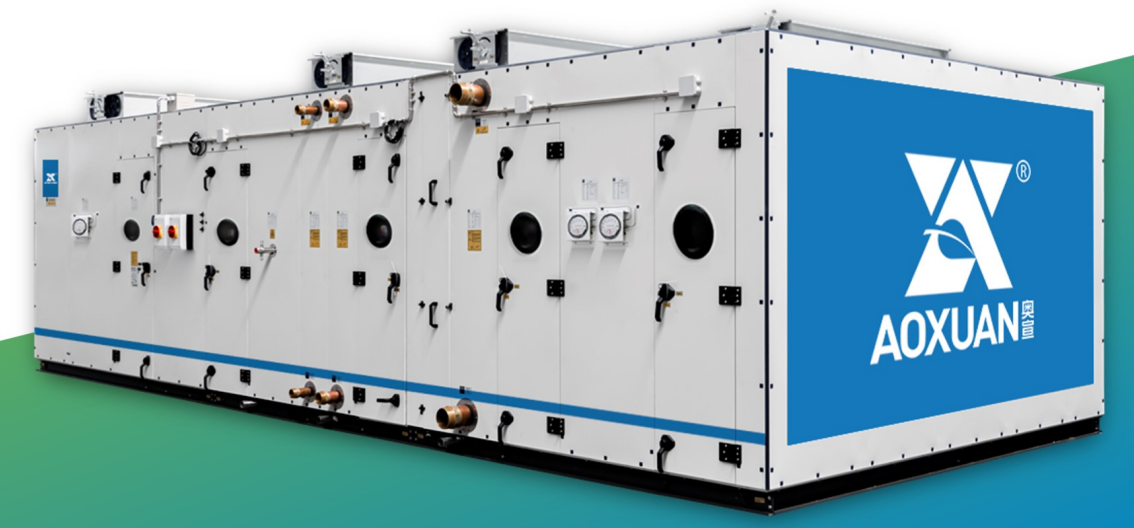

Aoxuan Intelligent Precision Air Conditioning Unit
SHANGHAI AOXUAN PURIFICATION TECHNOLOGY CO., LTD.
Industrial and Commercial Point-Type Gas Detector
Jinan Benan Technology Development Co., Ltd.
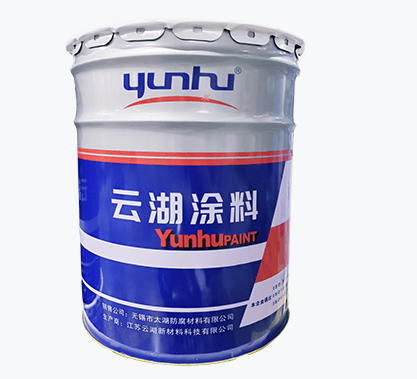
YHTank8400N Solvent-Free Liquid Epoxy Coating
JIANGSU YUNHU NEW MATERIAL TECHNOLOGY CO., LTD.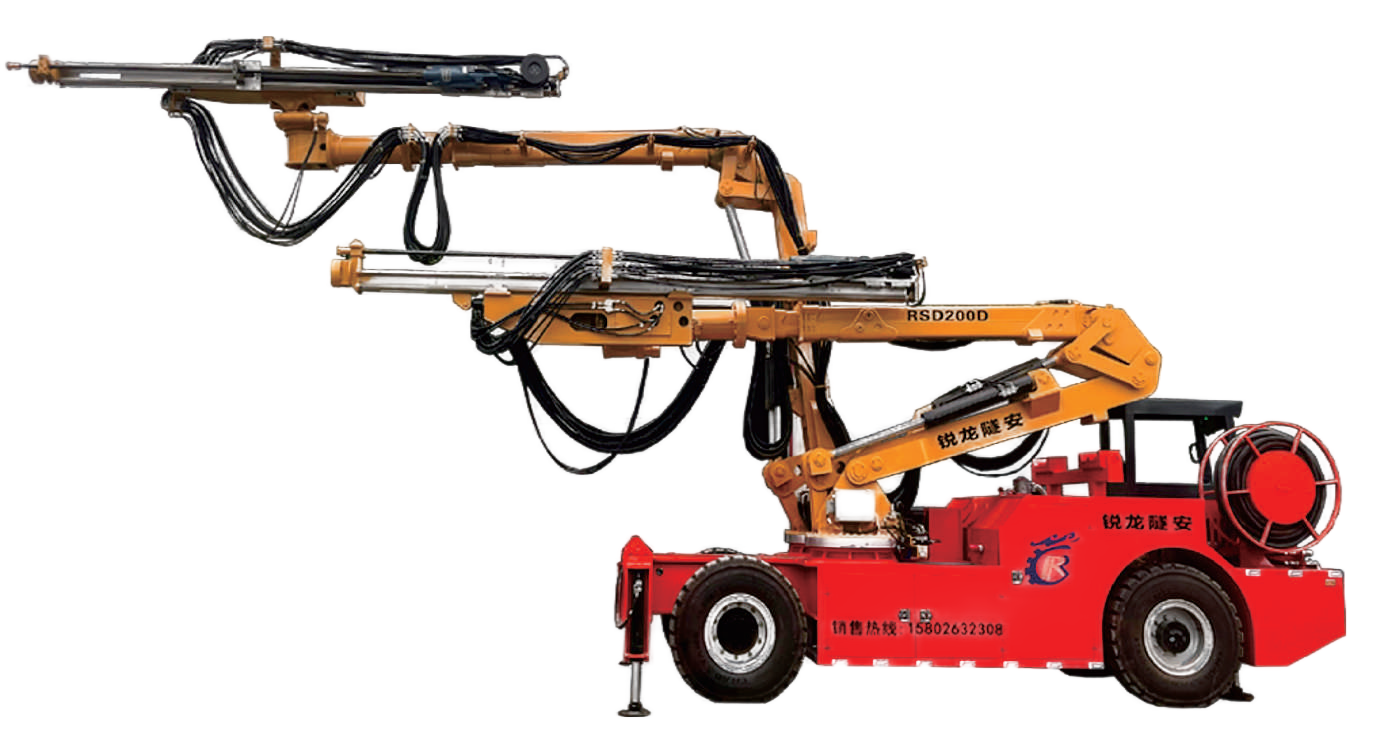
Dual-curved Arm Rock Drilling Trolley RSD200D
Chengdu Ruilong Machinery Manufacturing Co., Ltd.
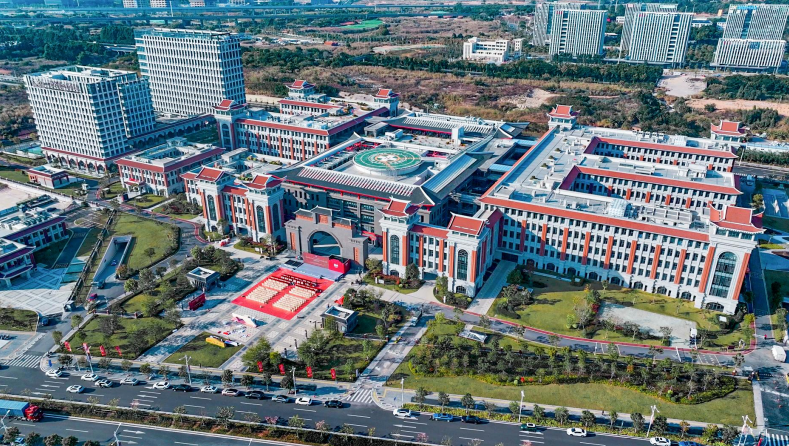
West China Xiamen Hospital of Sichuan University
Wuhan Huakang Century Clean Technology Co., Ltd.