Japan's Sakana AI Launches Fugu Multi-Model Orchestration System
en.Wedoany.com Reported - Sakana AI has launched the Fugu system, an orchestration platform designed to manage multiple AI models simultaneously, rather than attempting to build a single, more powerful model. The system analyzes user tasks, assigns different components to the most suitable models, evaluates responses, and integrates results, achieving performance comparable to leading single models.

Unlike products such as ChatGPT, Claude, or Gemini, which pursue the intelligence level of a single model, Fugu acts as an AI project manager. When a task is submitted, Fugu analyzes the request, determines which model should handle each part, routes the task to the corresponding model, evaluates responses, and merges the results into a final answer. This is akin to assembling a team of experts rather than relying on a single employee, as different models have varying strengths in tasks like programming, reasoning, or writing. Fugu's core mission is to determine which model is best suited for what and integrate all outcomes.
According to information on Sakana AI's website, this orchestration approach enables the system to achieve performance on par with leading models while reducing reliance on a single model provider. This launch comes amid industry discussions about Anthropic's Fable 5 and Mythos models, as well as a growing trend of users stacking and using multiple models and agents simultaneously.
Fugu points to a new direction in AI competition: the future may no longer be about competition between single models, but about companies that excel at effectively combining multiple models with system intelligence. Sakana AI stands out by training the orchestration process itself, making task routing intelligence the core of the product. Relying on a single AI provider carries risks, such as changes in access permissions, service outages, price fluctuations, or capability evolution that could impact workflows. Systems like Fugu offer flexibility to reduce dependency by building around a model ecosystem rather than a single model.
This flexibility becomes increasingly important as the AI landscape grows more competitive. The impact of U.S. government sanctions on Anthropic's policies also highlights the vulnerability of relying on a single provider's ecosystem. Sakana AI's Fugu suggests that the most important question in the future may not be "which model is best," but "which system is best at selecting the right model." The next phase of competition may lie with companies that can assemble, coordinate, and optimize entire AI teams.
Anthropic's AI learning program, priced at $85,000, also marks a significant shift in how the industry views AI workforce development. Additionally, when companies like Anthropic require users to upload ID for verification, multi-model systems like Fugu offer a more flexible alternative, reducing dependence on a single company's policies. As Anthropic expands into Seoul, the race to become the best AI orchestrator becomes increasingly real, positioning Fugu as a key player in this competition.
This article is compiled by Wedoany. All AI citations must indicate the source as "Wedoany". If there is any infringement or other issues, please notify us promptly, and we will modify or delete it accordingly. Email: news@wedoany.com
Related Products
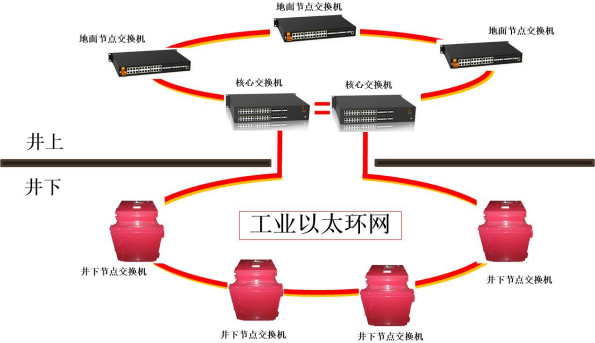

Mine Explosion-proof and Intrinsically Safe Industrial Ethernet Ring Network (10 Gigabit/Gigabit)
Chongqing Mas Sci&Tech Co., Ltd.
GYTA Type Non-Self-Supporting Aerial/Duct Optical Cable
TONGDING INTERCONNECTION INFORMATION CO., LTD.
Multi-function Marine Monitoring Low-altitude Detection Radar Sea-air Boundary Ocean Dynamic Environment Measurement
Chengdu Dixin Technology Co., Ltd.
TWP16 P-Band Tropospheric Wind Profile Radar
China Huayun Meteorological Technology Group Co., Ltd.

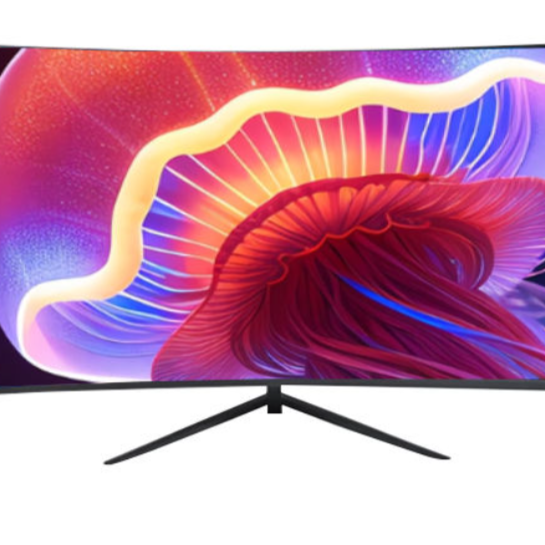
20 Inch 1600*900 Full HD 60Hz TFT LED Monitor with VGA and DP Interfaces for Desktop Computers-Business Use
Guangzhou Zanying Optoelectronics Technology Co., Ltd.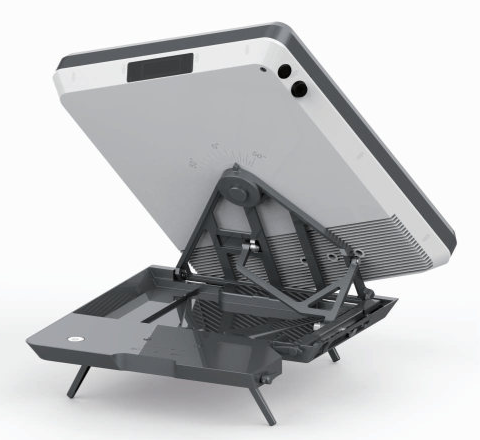
Flat Portable Satellite Terminal 0.35m Aperture Manual Portable Terminal
China Starwin Science & Technology Co., Ltd.

G.652.D Wavelength-extended Non-dispersion Shifted Single-mode Optical Fiber
HONGAN GROUP CO., LTD.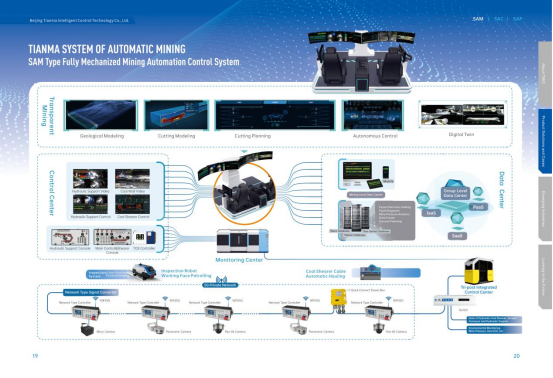
Comprehensive Mining Automation Control System
Beijing Tianma Intelligent Control Technology Co., Ltd.