Tenerife Port Authority Invests €158,000 to Upgrade Lighthouse Monitoring System
en.Wedoany.com Reported - The Port Authority of Santa Cruz de Tenerife (Autoridad Portuaria de Santa Cruz de Tenerife) is upgrading the remote monitoring system for 13 lighthouses under its jurisdiction, introducing predictive intelligent technology to enable early detection of faults.
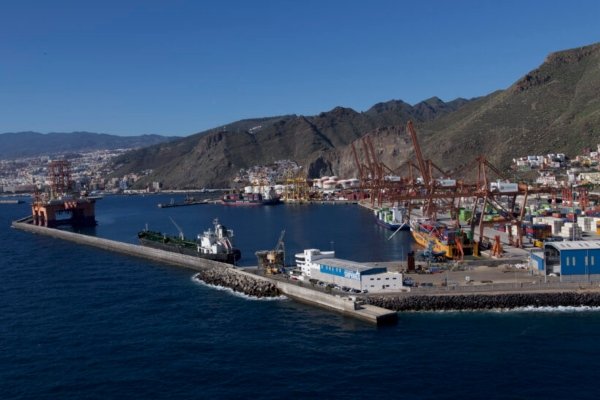
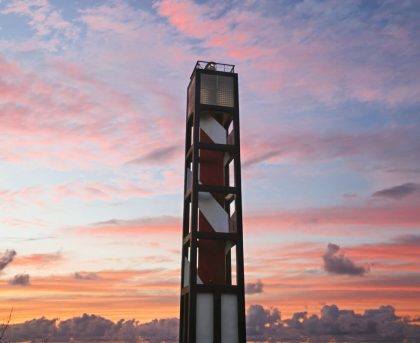
The original remote monitoring system could only issue alerts after anomalies or faults occurred. This upgrade aims to modernize essential maritime safety services, as lighthouses and other aids to navigation provide guidance to vessels, contributing to safer navigation.
The development of the upgrade project has been entrusted to Secmotic, a company specializing in artificial intelligence, the Internet of Things, and system integration, with a contract value of €158,000 over four years. However, the initial design and operational definition of the test system were completed by the port authority's own maritime signaling technicians.
Once the functionality of the pilot phase is verified, Secmotic will be responsible for developing the final tool. The platform can interpret signals emitted by lighthouses and correlate them with different types of alarms or anomalies, including lighting failures, power supply issues, low battery levels, insufficient solar generation, or communication interruptions.
The first lighthouse to be equipped with this new feature will be the Puerto de la Cruz Lighthouse. It is expected that within one year, the system will be operational in all lighthouses under the jurisdiction of the Tenerife Port Authority. Meanwhile, the authority plans to extend the technology to the buoy network in the port service area by the end of 2029.
Pedro Suárez, President of the Tenerife Port Authority, stated that this initiative marks a significant advancement in managing maritime signals, shifting the operational model from fault-based detection to a more preventive approach that can anticipate problems and shorten response times. Suárez believes that this project, combining internal knowledge, technological innovation, and operational experience, is an example of digitalization applied to traditional services to make them more efficient, sustainable, and safer.
This article is compiled by Wedoany. All AI citations must indicate the source as "Wedoany". If there is any infringement or other issues, please notify us promptly, and we will modify or delete it accordingly. Email: news@wedoany.com
Related Products

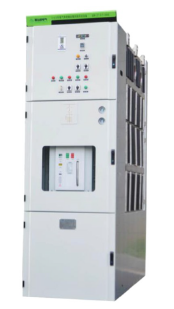
GSR6-27.5kV SF6 Free Gas-insulated Metal-enclosed Switchgear
Zhejiang Juhonkia Intelligent Electric Co., Ltd.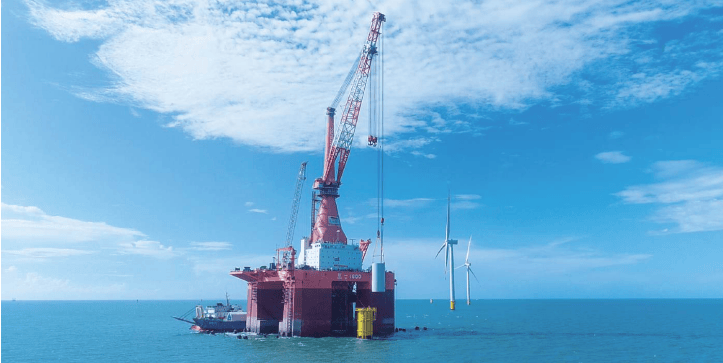
"Shunyi 1600" Deep-submerging Bottom-sitting Multi-functional Wind Power Engineering Vessel
Zhengli Offshore Engineering Co., Ltd.

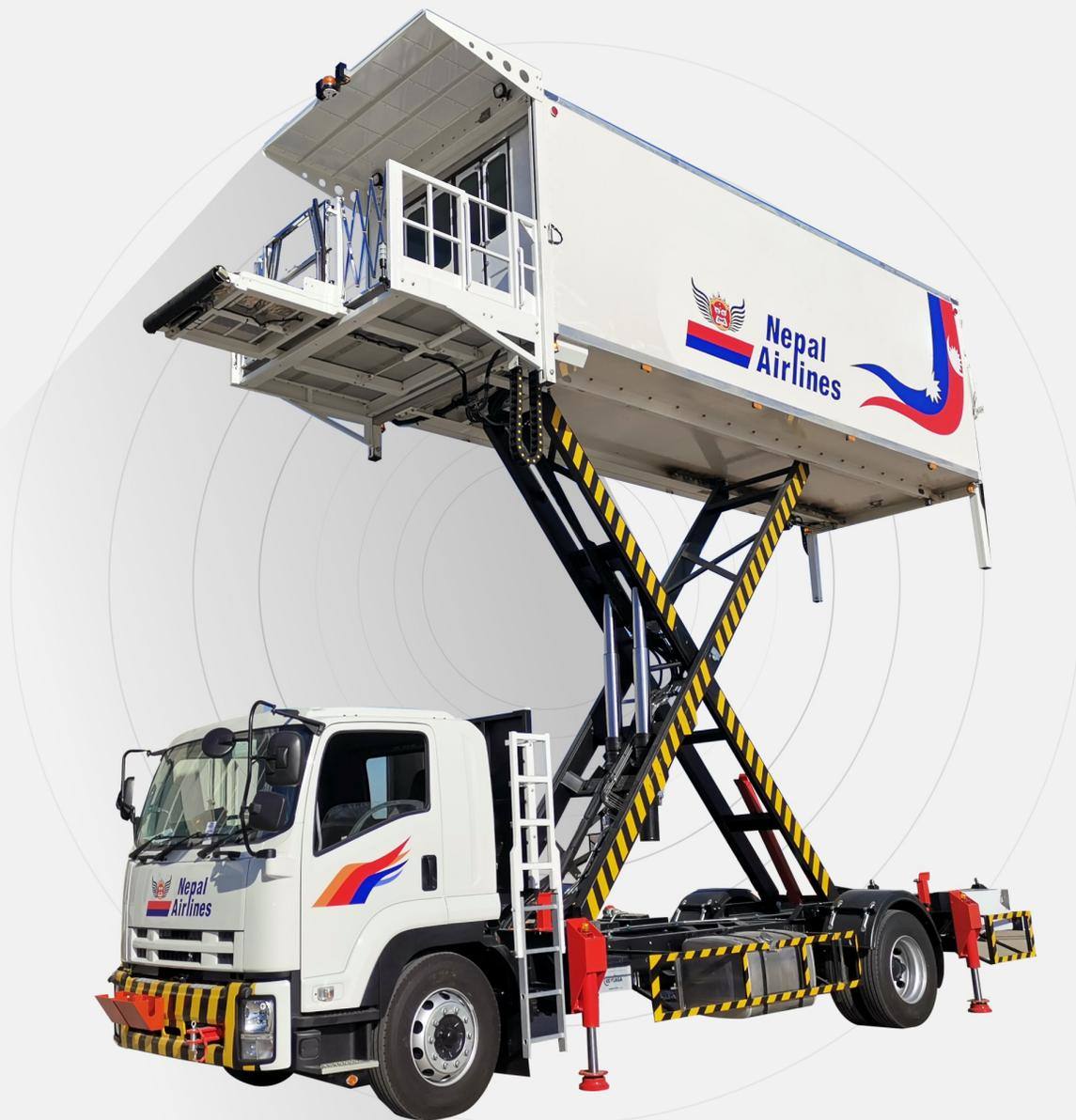
XC-6000e Type Aviation Catering Truck (Fuel Type)
Shenzhen CIMC-TianDa Airport Support Ltd.