Norway's Höegh Autoliners to Equip Four RoRo Vessels with Ammonia Dual-Fuel Engines
en.Wedoany.com Reported - With consulting support from Rystad Energy and backing from Enova, Höegh Autoliners has decided to install ammonia dual-fuel engines on the final four vessels in its order book, targeting delivery by summer 2027, making it one of the first operators in this segment to adopt this propulsion method. Roll-on/roll-off (RoRo) shipping is currently at a unique intersection of the energy transition: the proliferation of electric vehicles is changing cargo composition, while carbon pricing under the EU Emissions Trading System (ETS), FuelEU Maritime, and the International Maritime Organization (IMO) net-zero framework are pressuring vessel decarbonization. The delayed timeline for IMO's net-zero implementation adds uncertainty to long-cycle capital decisions—vessels ordered today will be in operation until 2055, and the consequences of initial propulsion choices will compound over decades.
Höegh Autoliners needs a comprehensive understanding of future fuels before committing significant capital. The core analytical challenge is not just determining the fuel type, but building a defensible perspective over a 30-year asset life and in dialogues with customers, regulators, financial institutions, and peers. Bunkering infrastructure is a particularly prominent issue: confidence in ammonia propulsion requires understanding where, at what cost, and on what timeline production, liquefaction, and bunkering capacity will actually be built. Rystad Energy's consulting team conducted a structured fuel price study examining the economics of ammonia, methanol, liquefied natural gas (LNG), and other candidate fuels under long-term scenarios, calibrated to Höegh's specific operational context. The analysis modeled molecular cost curves with the same granularity as flagship energy data products, tracking regional supply dynamics and infrastructure expansion rates in markets where Höegh's fleet will need to bunker, with the pace of ammonia molecular price development in China identified as a key variable.
This work provided Höegh with a clear understanding of the trade-offs between fuel pathways, monitoring technologies, and bunkering infrastructure maturity, robust enough to hold up in dialogues with stakeholders including customers, regulators, and suppliers. Andreas Enger, CEO of Höegh Autoliners, stated: "For us, Rystad Energy's focus on energy, methodological rigor, and expertise were unique for the task at hand." The company has also set a path to truly understand alternatives—not just meet compliance thresholds—through its "Planetary Development Goals" and voluntary commitments. Rystad Energy's independent, data-driven analysis has enhanced Höegh's credibility across the value chain, from customer conversations to regulatory discussions.
This article is compiled by Wedoany. All AI citations must indicate the source as "Wedoany". If there is any infringement or other issues, please notify us promptly, and we will modify or delete it accordingly. Email: news@wedoany.com
Related Products
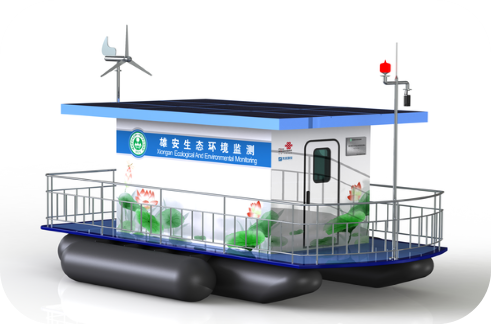

Floating Boat Water Quality Automatic Monitoring System
Hebei Sailhero Environmental Protection High-tech Co., Ltd.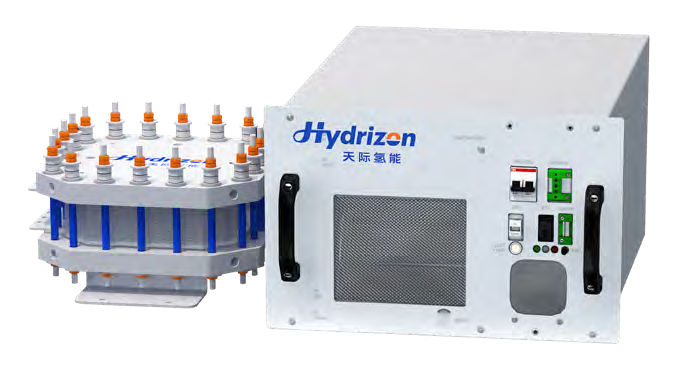
HI-Pro Green Hydrogen High-efficiency Production System-HI-PRO-AEM
Hydrizon Technology (Beijing) Co., Ltd.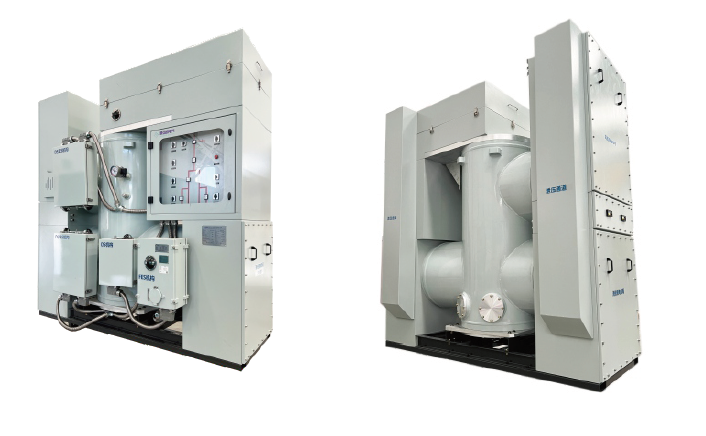
72.5kV 1250A 31.5kA SF6 free Gas-insulated Metal-enclosed Switchgear
Zhejiang Juhonkia Intelligent Electric Co., Ltd.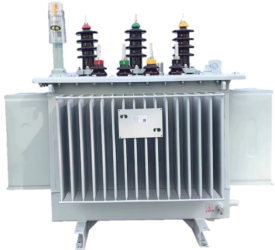
Oil-immersed Amorphous Alloy Core Distribution Transformer
Pinggao Group Smart Electric Co., Ltd.
Yingping Mining Section Open-pit Tailings Backfill Treatment of Goaf Ecological Restoration EPC Project
China Bluestar Lehigh Engineering Corporation
TAI Slew-drive Single-axis Independent 1P Tracking Bracket System
ANTAI TECHNOLOGY CO., LTD.