UK Foreign Office and Met Office Join Forces with AI to Improve Extreme Weather Prediction
en.Wedoany.com Reported - The UK Foreign Office and the Met Office have announced a strategic alliance to leverage artificial intelligence technology to enhance the prediction of extreme weather events, helping countries worldwide address increasingly severe climate security challenges. The alliance was officially unveiled during London Climate Week, aiming to reduce the impact of extreme weather on economies, supply chains, and communities by improving weather forecasting and strengthening climate resilience.
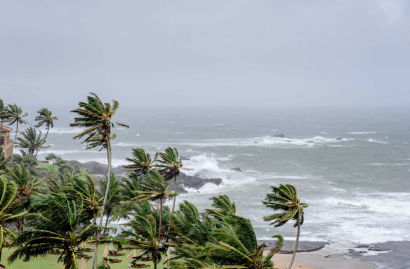
The UK government stated that extreme weather events could have "direct consequences for global markets, supply chains, and growth." The initial work of the Foreign Office-Met Office alliance will focus on the Philippines, a country facing extremely high risks of weather events due to its densely populated coastline and location at the center of the typhoon belt in the Western Pacific. The Foreign, Commonwealth & Development Office will allow the Met Office to access its diplomatic network and provide support from the British Embassy in Manila, aiming to connect UK technology and expertise with partner countries.
UK Foreign Secretary Yvette Cooper noted that climate security is affecting lives globally, and the disruption from extreme weather can impact all countries through trade, supply chains, and prices. This collaboration aims to help countries in the Global South leverage UK experience and technology to enhance protection. Met Office Interim Chief Executive Simon Brown stated that the partnership will amplify existing impacts by combining the strengths of both parties, protecting more people from extreme weather.
This strategic partnership will inject AI technology into weather forecasting, with a focus on supporting regions severely affected by the climate crisis, including parts of Africa, the Middle East, and the Indo-Pacific. UK experts will share data and models, strengthen capacity building, and provide technical training to help relevant countries better address extreme climate risks and improve global food and energy security.
The UK government also announced the extension of the "Transforming Energy Access (TEA)" program and an additional £88 million in funding to help communities in sub-Saharan Africa, South Asia, and the Indo-Pacific access clean energy solutions, including pay-as-you-go solar cells and microgrids.
The Foreign, Commonwealth & Development Office (FCDO) also launched a program called "Scale," a £39 million climate adaptation and resilience research initiative aimed at identifying priorities for building systemic climate resilience on a large scale, including financial mobilization. Additionally, the Foreign Office announced a £3 million investment in the UK Natural Disaster Fund to support innovative solutions in disaster insurance for partner countries, ensuring vulnerable communities can access funds more quickly after disasters and promoting new products to close the climate protection gap.
The UK government stated that these initiatives build on existing innovative disaster insurance investments, such as the Caribbean Catastrophe Risk Insurance Facility, which paid out over $91.9 million following Hurricane Melissa in late 2025.
This article is compiled by Wedoany. All AI citations must indicate the source as "Wedoany". If there is any infringement or other issues, please notify us promptly, and we will modify or delete it accordingly. Email: news@wedoany.com
Related Products


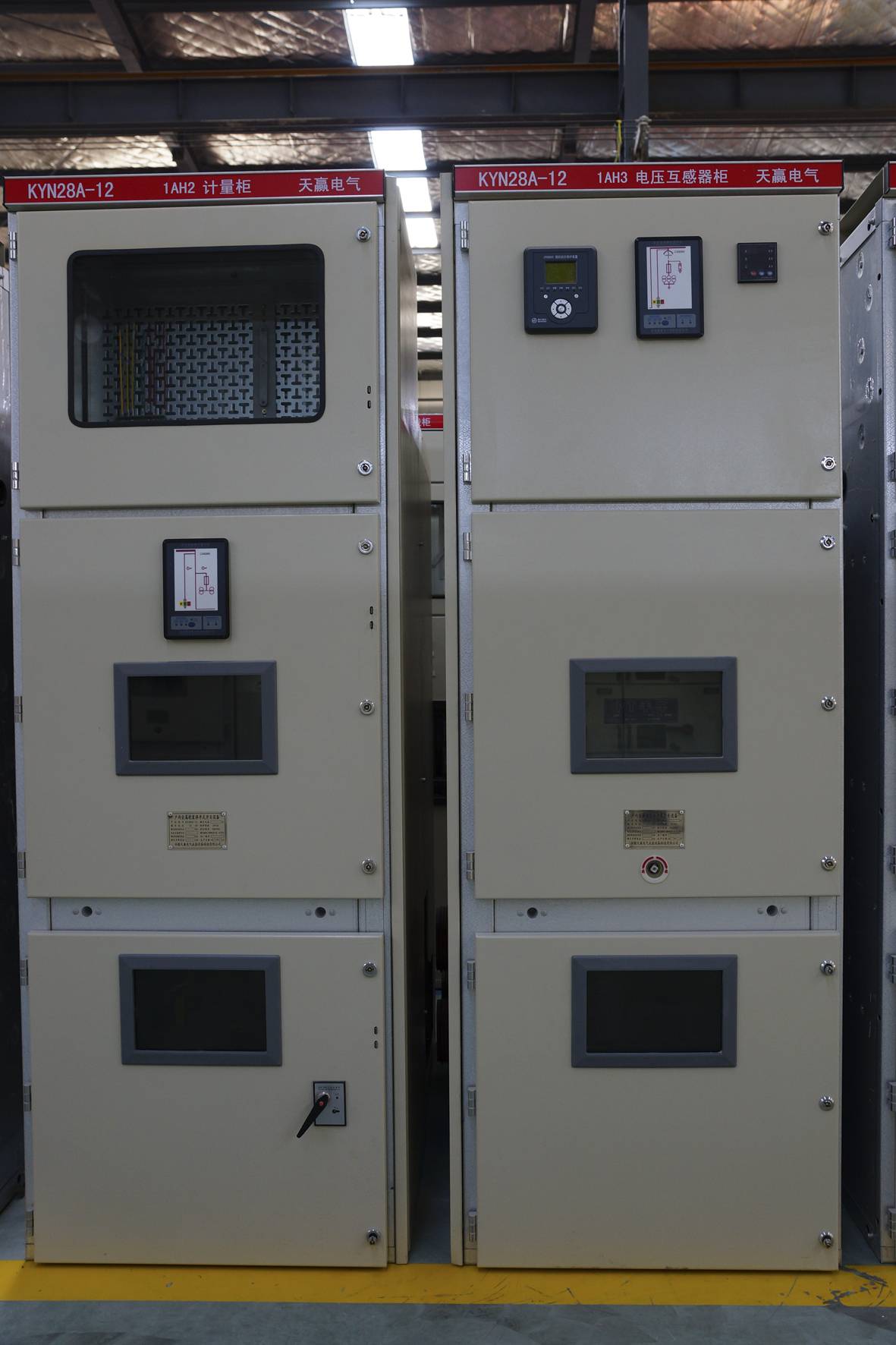
KYN28 - High Voltage Switchgear
Anhui Tianying Electrical Equipment Manufacturing Co., Ltd.
Off-Grid Fuel Cell Supercharging Station (180kW Configuration)
Shanghai REFIRE Group Limited

714CD Series C-Band Weather Radar
Chengdu Zhongdian Jinjiang Information Industry Co., Ltd.
YE3 Series Low Voltage High Power Three-Phase Asynchronous Motor
Shandong Lijiu Electrical Machinery Co., Ltd.

Pneumatic high-pressure wear-resistant ball valve
Zhejiang Deca Control Valve Meter Co., Ltd.