Cognizant Advances Smart Manufacturing in Mexico, Plans to Hire Over 20,000 Globally
en.Wedoany.com Reported - Cognizant began its operations in Latin America 19 years ago and has been in Mexico for 18 years. The company demonstrates its commitment to the region through its hiring trends: despite artificial intelligence improving efficiency, it expects to hire over 20,000 people globally this fiscal year. In Mexico, Cognizant is positioning the country as a technology powerhouse in Latin America, with a focus on expanding in digital consumption, payment gateways, and complex service delivery.
Cognizant's unique value proposition in the Mexican market is reflected in its internal culture of technological fluency, such as the Guinness World Record-winning "White Coding" initiative, which involved over 200,000 employees globally, including those from non-technical backgrounds like finance and human resources, learning to build automated systems. In the Mexican market, particularly in Monterrey, Cognizant helps manufacturers modernize supply chain management and transition to smart manufacturing, reportedly achieving a 30% improvement in operational efficiency within six months of implementation. Additionally, Cognizant is pioneering "lights-out factories" and autonomous robots, bringing international standards to local facilities. 45% of local code in Mexico is written by agents.
Cognizant includes Mexico and Central America in its global delivery network. Previously viewed as an alternative to traditional offshore locations due to time zone alignment, this model has now evolved into a more complex "onshore, nearshore, and offshore" strategy. Proximity and cultural affinity are crucial for reducing time-to-market. Cognizant has set a strategic goal to increase its local client share to 45% by 2030.
Cognizant's recent global capital operations, including the acquisition of Astreya for $600 million and Belcan for $1.3 billion, translate into tangible benefits for the Latin American market. Integrating Belcan brings aerospace and defense expertise to Mexico, supporting advanced engineering for entities like General Electric and Boeing in Querétaro. The acquisition of Astreya enhances data center management and software capabilities, enabling Cognizant to offer end-to-end consulting, backed by a $1 billion global investment in AI technology and training. In Toluca and Mexico City, Cognizant leverages these capabilities to run IoT engineering programs for major automotive manufacturers, conducting hardware-in-the-loop testing on systems involving over 10,000 sensors. The company also commits to training 1,000 people in Mexico through its National Skill Accelerator program.
Enterprise clients seek consultants who can help them shift from viewing AI as a cost-saving tool to leveraging it for organizational efficiency. There is high demand for training large language models with specific business contexts. For example, Cognizant partnered with Anthropic Claude to develop a model for a Mexican client that handles 60% of HR queries related to ethics and compliance, with a target of achieving 95% automation.
Cognizant observes three distinct categories of AI adoption: early adopters, wait-and-see players, and late adopters. Large conglomerates are investing heavily to modernize infrastructure and build proprietary models, gaining significant competitive advantages. Cognizant believes the traditional labor-intensive model is being replaced by high-value automation structures requiring more complex skills. To mitigate the deflationary impact on the workforce, the company actively participates in national upskilling programs, training the public and employees to move up the value chain.
A common mistake companies make when accelerating the adoption of agentic AI and generative AI is failing to implement a governance framework independent of standard delivery hierarchies. Cognizant ensures through its Delivery Excellence (DX) group that every AI-driven deliverable meets contractual, ethical, and security standards. Only about 6,000 professionals globally hold top-tier AI governance certifications, and the company is actively certifying its leadership in Mexico to ensure strict adherence to relevant standards when automating code or deploying humanoid robots.
Cognizant believes that Latin American companies need to develop several capabilities over the next three years to remain globally competitive. Building robust infrastructure through public-private partnerships is crucial. The region must address the talent gap caused by language barriers in technology, as most AI development is published in English. Cognizant has partnered with institutions like the Universidad de Guadalajara to teach AI-related skills at the high school and university levels. Making English the medium of instruction in public universities is vital for global competitiveness.
Cognizant's strategic focus in Mexico and Central America includes maintaining digital engineering momentum, particularly in specialized fields like aerospace and maritime technology. The company has grown 30% over the past two years, and "Vision 2030" includes reaching a headcount of 5,000 in Mexico. In Central America, Costa Rica, a major IT hub, has grown to 900 employees. The company is also launching pilot projects in Guatemala and Panama, aiming to become a key contributor to the region's AI evolution.
This article is compiled by Wedoany. All AI citations must indicate the source as "Wedoany". If there is any infringement or other issues, please notify us promptly, and we will modify or delete it accordingly. Email: news@wedoany.com
Related Products


QLZNGJ Intelligent Steel Reinforcement Trolley
Luoyang China Railway Qiangli Machinery Co., Ltd.

LBH4000 Batch Environmental Protection Asphalt Mixing Plant | Asphalt Batching Plant | Asphalt Mixing Plant
Jilin Province Road Construction Machinery Co., Ltd.

High-Speed Railway Lifting, Transporting, and Erecting Equipment: Integrated Transport and Erection Machine
Hanjiang Heavy Industry Co., Ltd. of China Railway 11th Bureau Group

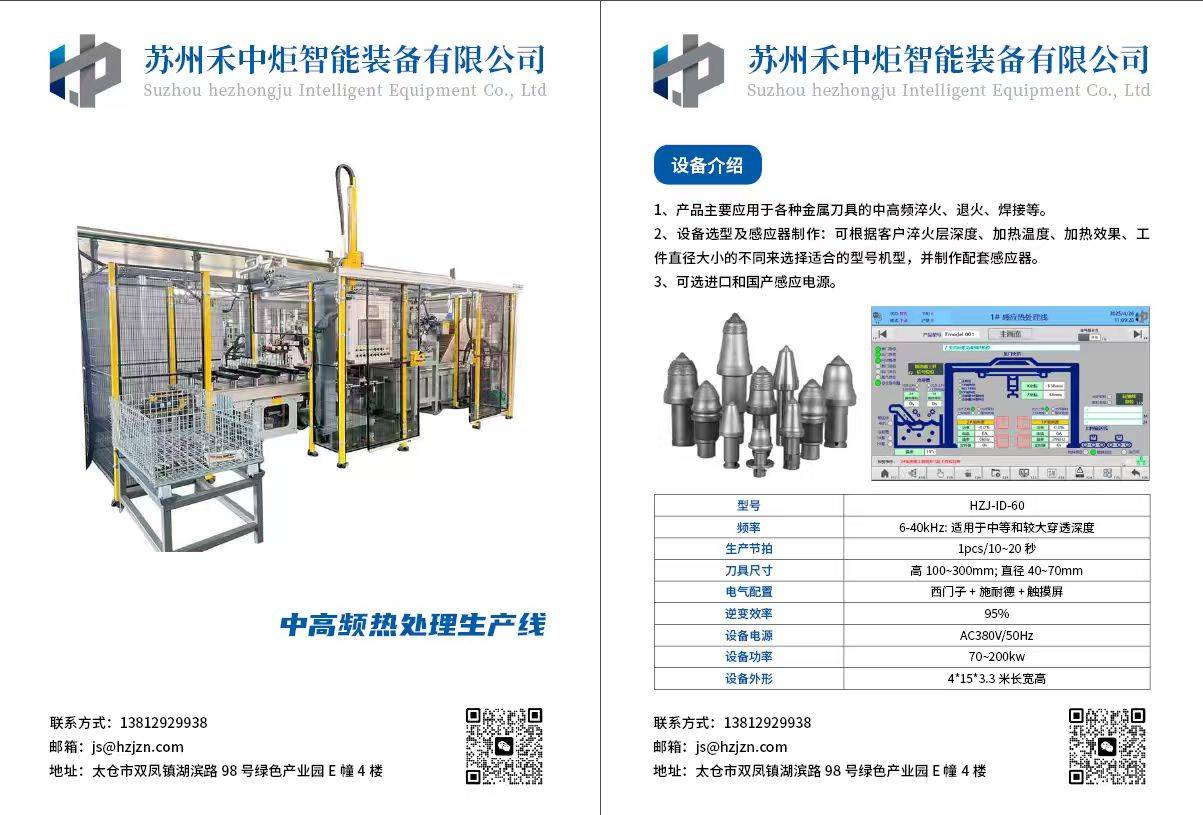
Excavator Bucket Teeth Heat Treatment Production Line
Suzhou Hezhongju Intelligent Equipment Co., Ltd.