en.Wedoany.com Reported - NVIDIA unveiled Halos for Robotics at Automate 2026 in Chicago, a full-stack robot safety system covering chips, sensors, operating systems, and safety certifications.
The system leverages NVIDIA's safety expertise accumulated over more than 18,600 engineering years in autonomous driving and 7 million lines of validated code, providing a unified safety architecture for autonomous robots. Its core safety framework has been open-sourced and made available to the industry.
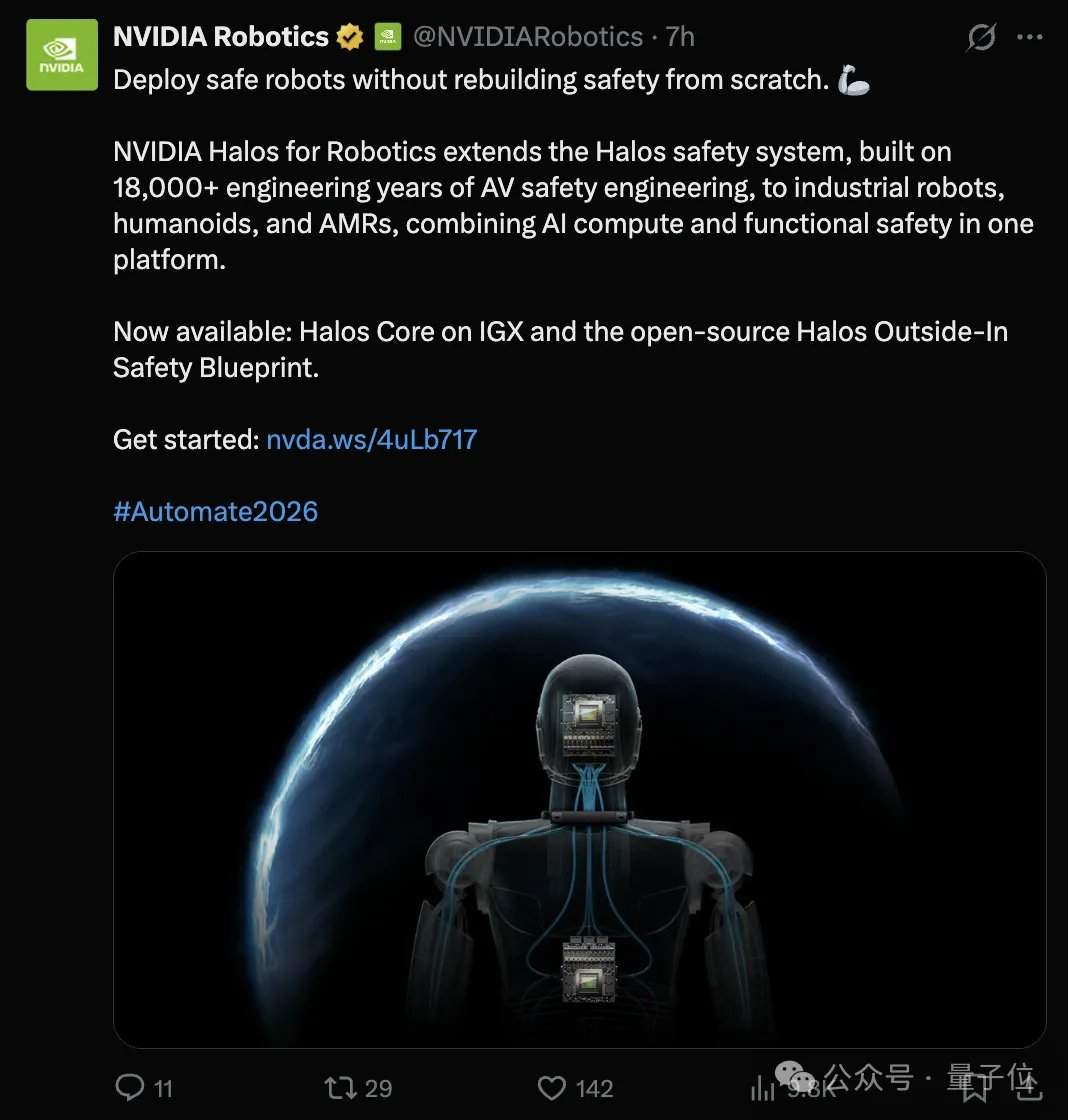
Halos aims to address safety challenges when embodied robots transition from laboratories to industrial scenarios. In the past, industrial robotic arms relied on physical isolation, but the new generation of robots requires system-level safety solutions. The Halos architecture is divided into four layers: Platform Safety, Safe OS, Algorithm Safety, and Ecosystem Safety.
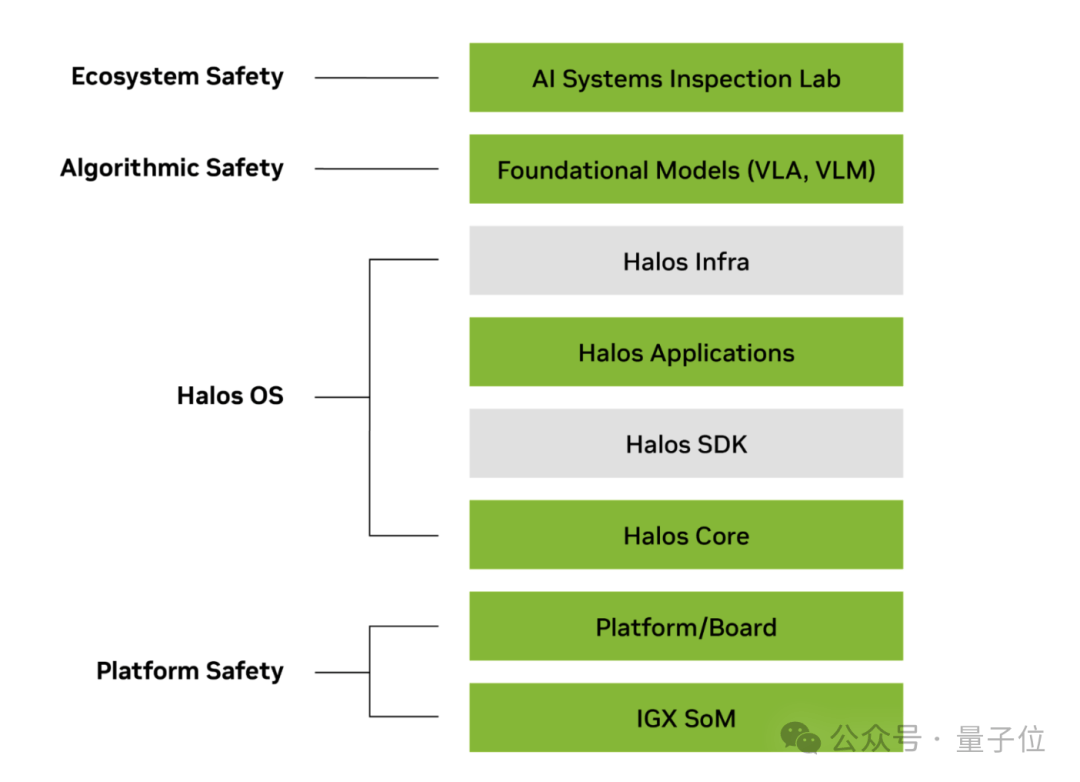
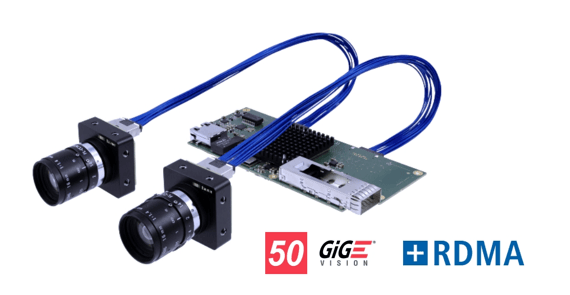
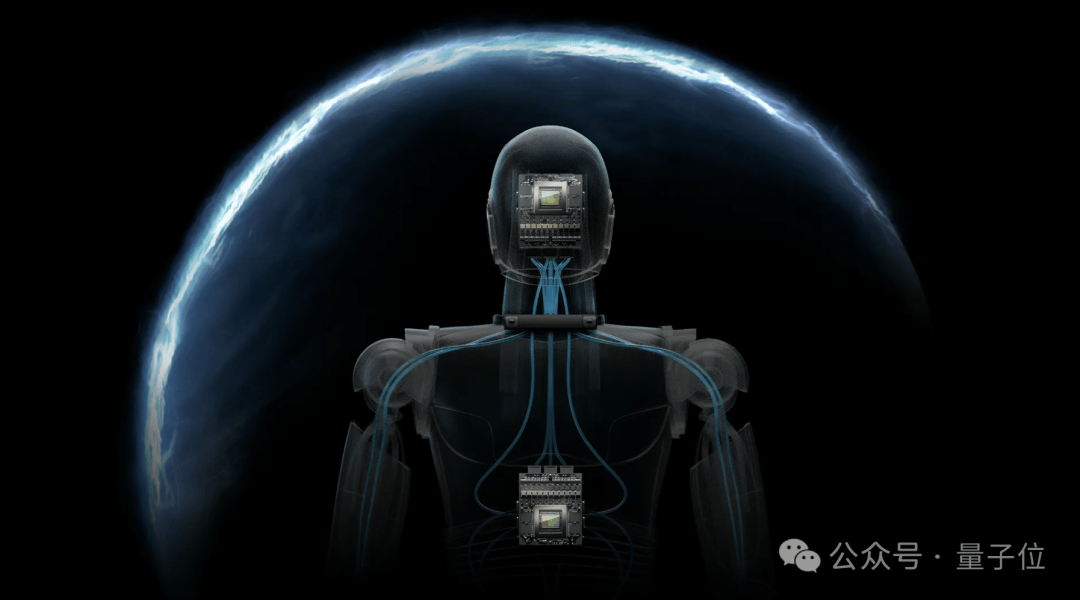
The Platform Safety layer provides an independent safety island through the IGX Thor chip, equipped with an independent processor, I/O, power supply, and clock, physically isolated from the main computing system. Even if the AI system crashes, it can execute emergency braking. This layer also includes the Holoscan Sensor Bridge, which unifies all sensor data into a secure computing domain, enabling low-latency synchronized processing and achieving SIL 2 safety assurance.
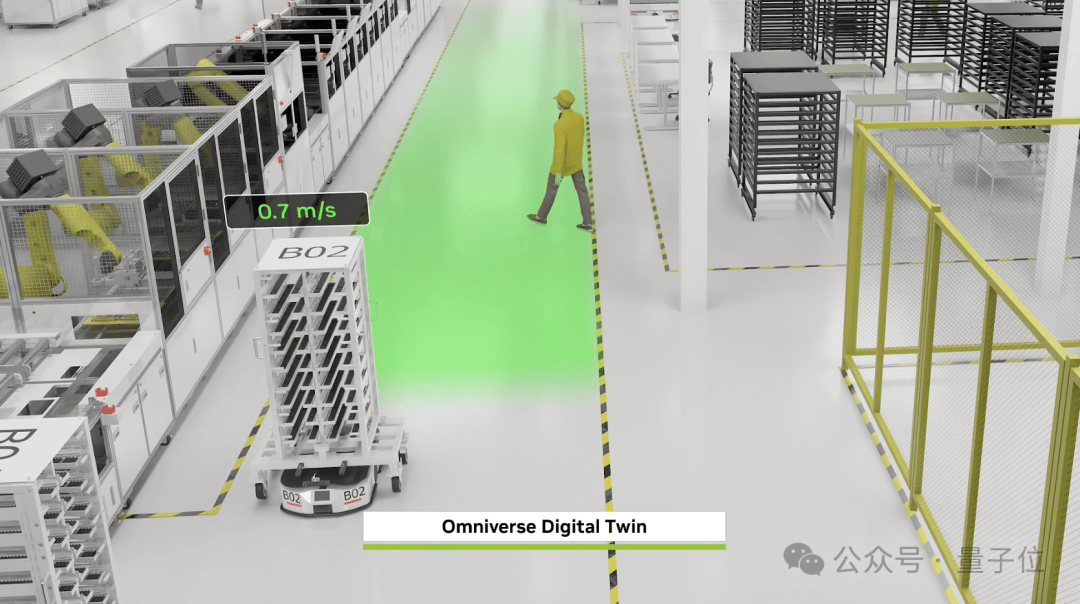
The Safe OS layer runs Halos OS, supporting a pure Linux or Linux plus QNX hybrid architecture. It isolates AI applications from safety-critical tasks via a hypervisor, ensuring that anomalies in AI applications do not affect safety control logic. This layer includes the Outside-In Safety Blueprint, which monitors robot behavior from a third-party perspective using external cameras to prevent sensor misjudgments.
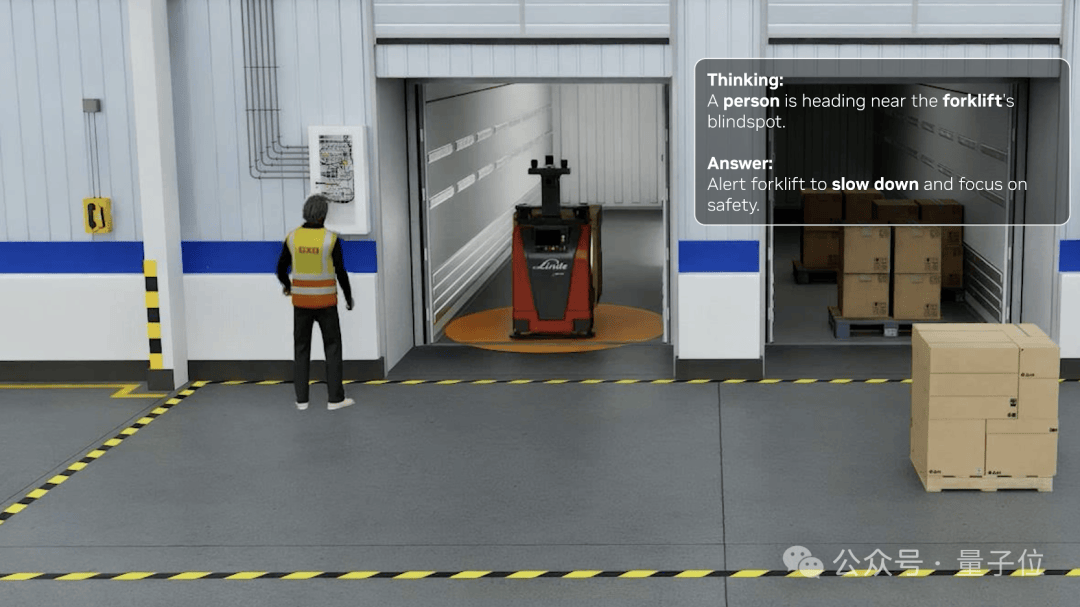
The Algorithm Safety layer evaluates and constrains the behavioral safety of models in the physical world, preventing misjudgments from vision-language-action models or vision-language models from translating into dangerous actions. The Ecosystem Safety layer, through the Halos AI Systems Inspection Lab, has obtained the world's first ISO/IEC 17020 inspection qualification in the field of physical AI. Certification bodies such as TÜV Rheinland, TÜV SÜD, UL Solutions, SGS, exida, and CertX recognize its inspection results, helping companies simplify the certification process.
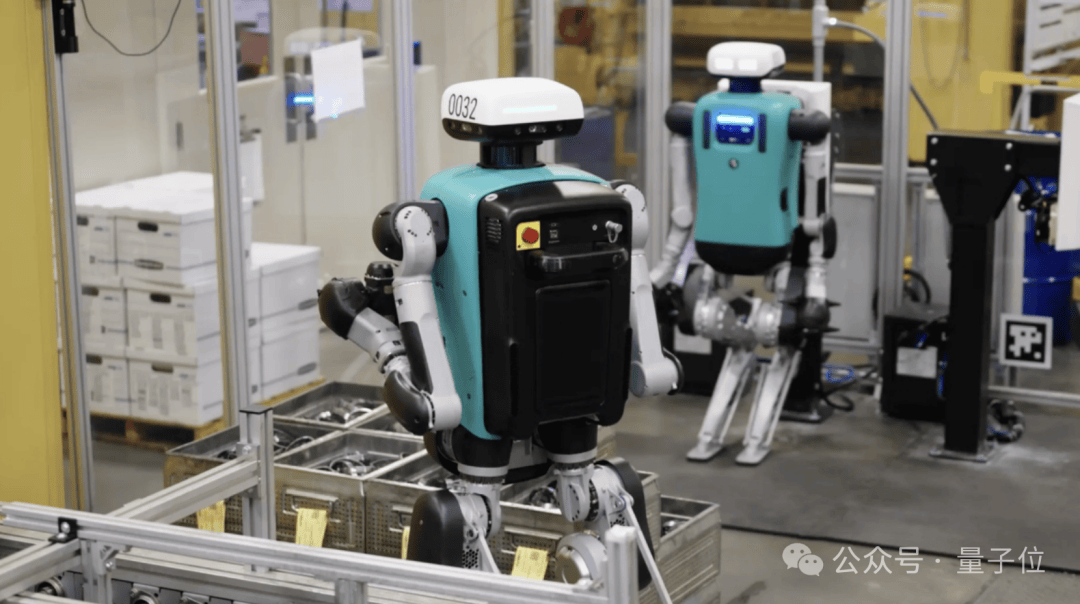
The Halos ecosystem has expanded to 43 partners, including humanoid robot companies Agility, Boston Dynamics, lidar manufacturer Hesai Technology, and safety robot company FORT Robotics. Agility has already integrated Halos into its Digit robot, handling material handling and logistics tasks at Amazon, GXO, and Toyota factories.
Agility CEO Peggy Johnson stated that safety must be built into robots and validated at the system level, which is a prerequisite for humanoid robots to enter industrial workflows. Deepu Talla, Vice President of Robotics and Edge AI at NVIDIA, pointed out that large-scale deployment of robots requires a unified safety architecture. NVIDIA's full-stack robotics portfolio includes Isaac Sim for simulation training, GR00T foundation models, Cosmos world models, and Jetson Thor for edge inference. Halos fills the gap in safety and certification.
This article is compiled by Wedoany. All AI citations must indicate the source as "Wedoany". If there is any infringement or other issues, please notify us promptly, and we will modify or delete it accordingly. Email: news@wedoany.com