Osaka Metropolitan University Develops Self-Regulating Electrolyzer Artificial Photosynthesis System
en.Wedoany.com Reported - A research team at Osaka Metropolitan University in Japan has developed a new artificial photosynthesis system that achieves more stable solar fuel production by integrating self-regulating chemical components directly into the electrolyzer. This device eliminates the need for battery-powered control methods, thereby removing costly components found in traditional systems.
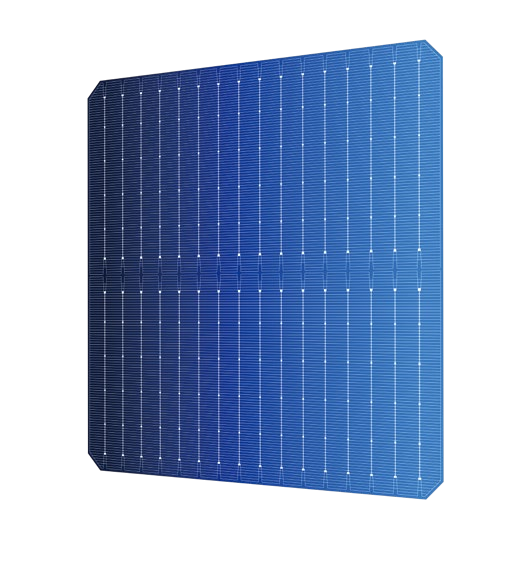
Similar to natural photosynthesis, artificial photosynthesis uses sunlight to convert water and carbon dioxide into useful fuels such as formic acid. In this process, the electrolyzer plays a core role, converting electrical energy generated by solar cells into chemical energy, which is stored in the form of formic acid.
To maintain efficient energy conversion under varying light conditions, many existing systems employ maximum power point tracking (MPPT) control methods, which continuously adjust voltage and current to maximize solar cell power output. However, MPPT systems typically require batteries or additional electronic devices to stabilize the energy flow, leading to increased overall cost and complexity.
The team, led by Associate Professor Yasuo Matsubara and Professor Yutaka Amao from the Research Center for Artificial Photosynthesis at Osaka Metropolitan University, in collaboration with Iida Group Holdings Co., Ltd, redesigned the system structure by integrating a special solid electrolyte into the electrolyzer. In the new system, the electrolyzer itself can automatically perform MPPT functions without the need for external batteries.
Unlike conventional approaches that rely on external electronics, batteries, and converters to maintain efficient operation, this electrolyzer autonomously regulates its electrical behavior through its thermal and impedance characteristics. Professor Amao explained that when sunlight intensifies, the electrolyzer naturally heats up, and the system design causes this temperature rise to reduce resistance, allowing current to flow more freely, thereby achieving automatic adjustment of electrical behavior.
This self-regulating mechanism helps produce fuel more stably throughout the day while reducing the system's dependence on batteries and expensive external components. The team tested the device incorporating this technology under real sunlight conditions, and it stably produced formic acid from water and carbon dioxide even when light intensity fluctuated.
Professor Matsubara stated that the research team had previously demonstrated this achievement at the "Iida Group × Osaka Metropolitan University Joint Pavilion" at the 2025 Osaka-Kansai World Expo. The system successfully generated sufficient formic acid to power a miniature diorama in the pavilion, showcasing its potential as an efficient artificial photosynthesis system, which could be used in the future to charge devices in homes. The research was published in the journal EES Solar.
This article is compiled by Wedoany. All AI citations must indicate the source as "Wedoany". If there is any infringement or other issues, please notify us promptly, and we will modify or delete it accordingly. Email: news@wedoany.com
Related Products

Overseas IEC Gateway Energy Meter - DTSD341/DSSD331-aMeter390
Wasion Group Limited Co., Ltd.
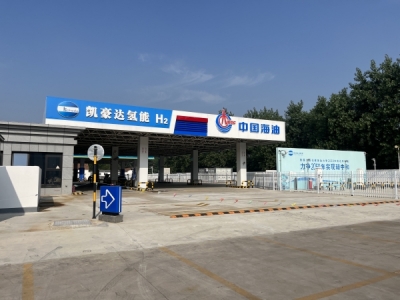
Hydrogen production and hydrogenation charging refueling gas integrated energy station
Shenzhen Kohodo Hydrogen Energy Co., Ltd.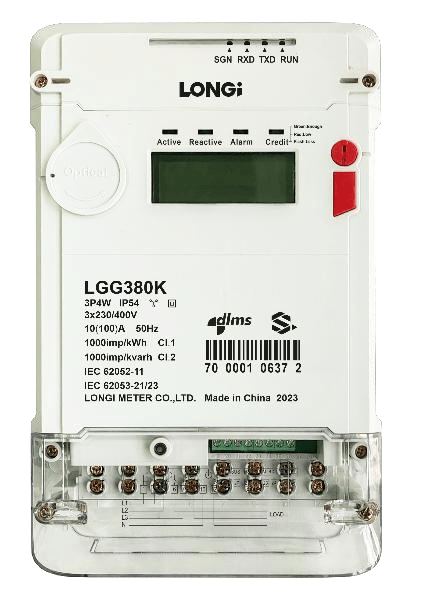

Prefabricated Houses and Electrical Energy Boxes
Chengdu Ruilong Machinery Manufacturing Co., Ltd.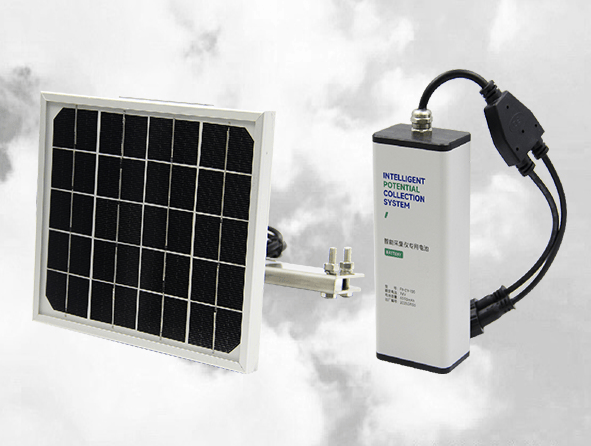
Inductive Power Harvesting Self-Powered Device - Safuneng
SELF ENERGY TECHNOLOGY (SHENZHEN) CO., LTD.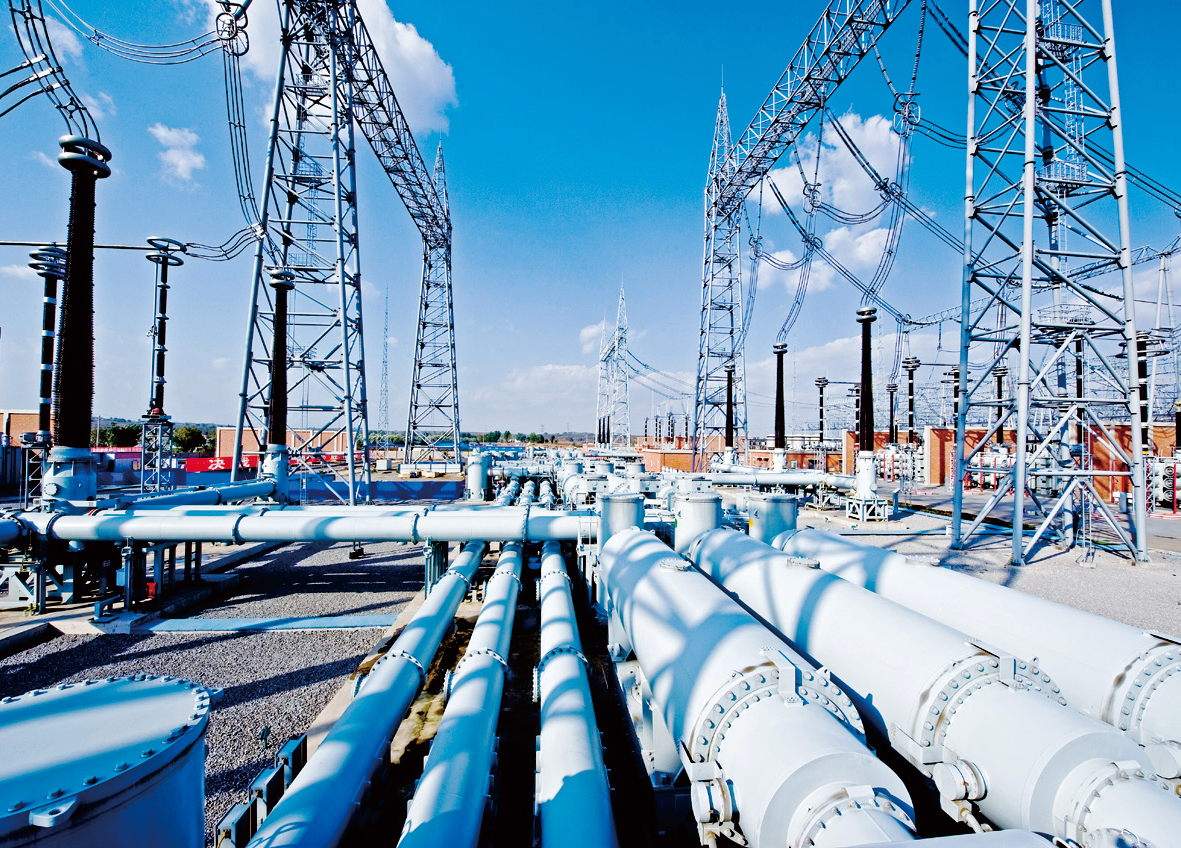
40.5kV-1100kV Gas Insulated Metal-Enclosed Switchgear (GIS)
Henan Pinggao Electric Co., Ltd.
IS(B)□-M·RL Series Oil-immersed 3D Transformer (Planar / 3D Wound Core)
Guangdong Kehua Electric Power Technology Co., Ltd.