en.Wedoany.com Reported - A consortium of Dutch institutions has launched the ReefCreate-XL project, aiming to study methods for large-scale reef restoration in the North Sea. The project officially began in spring 2026, initiated by the Nature Regeneration North Sea initiative and led by the Royal Netherlands Institute for Sea Research (NIOZ), with a focus on designing reef structures suitable for large-scale deployment.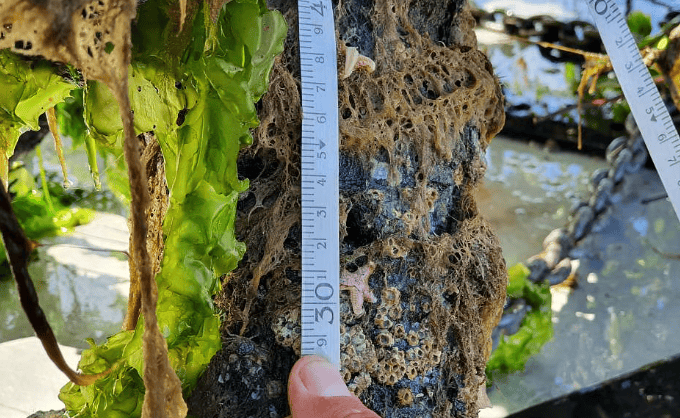
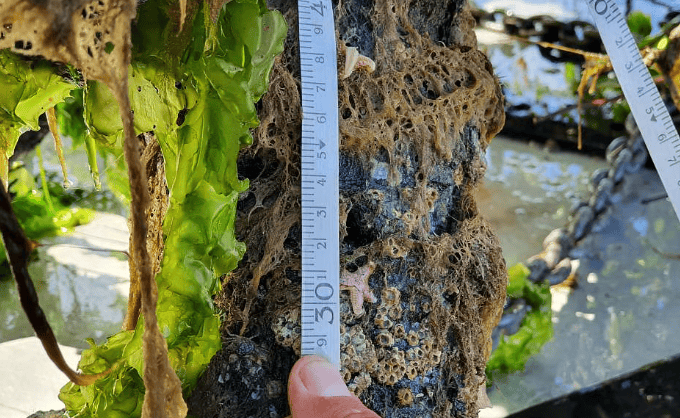
This is the first time that reef restoration methods in the North Sea have been studied on such a large scale. NIOZ notes that hard structures such as oyster reefs are important nursery grounds for marine biodiversity, but in recent decades, these structures have almost completely disappeared due to human activities and diseases.
Over the next four years, the ReefCreate-XL project will investigate which reef structures are suitable for large-scale use to help restore underwater life. This year is in the preparation phase, during which the project team will design and refine different reef structures, including "tree reefs"—using discarded fruit trees as wooden reef structures to attract underwater life—and "spat on substrate"—attaching millions of juvenile oysters to stones.
In 2027, these reef structures will be tested under natural conditions in the North Sea. The pilot deployment site is the Frisian Front, a protected nature reserve north of the Wadden Islands, approximately one day's sailing from Harlingen. Subsequently, the project team will conduct close monitoring for two years on the development of new reef structures and their impact on marine life.
NIOZ states that the project will collaborate with contractors, consultants, researchers, and non-governmental organizations in the maritime infrastructure sector to provide valuable insights into how reefs can be deployed on a large scale. Based on test results, the final design will be put into production, while preparations for placing the reefs on the seabed and monitoring them next year are also underway.
This article is compiled by Wedoany. All AI citations must indicate the source as "Wedoany". If there is any infringement or other issues, please notify us promptly, and we will modify or delete it accordingly. Email: news@wedoany.com