Industrial Reverse Osmosis System Design Depends on Pretreatment, Membrane Selection and Concentrate Management
en.Wedoany.com Reported - An industrial Reverse Osmosis System is widely used in power generation, chemicals, electronics, pharmaceuticals, food processing, metallurgy, new energy and industrial park water treatment. Because feedwater sources, product-water requirements and discharge conditions differ significantly, a system should not be selected only according to its rated permeate capacity.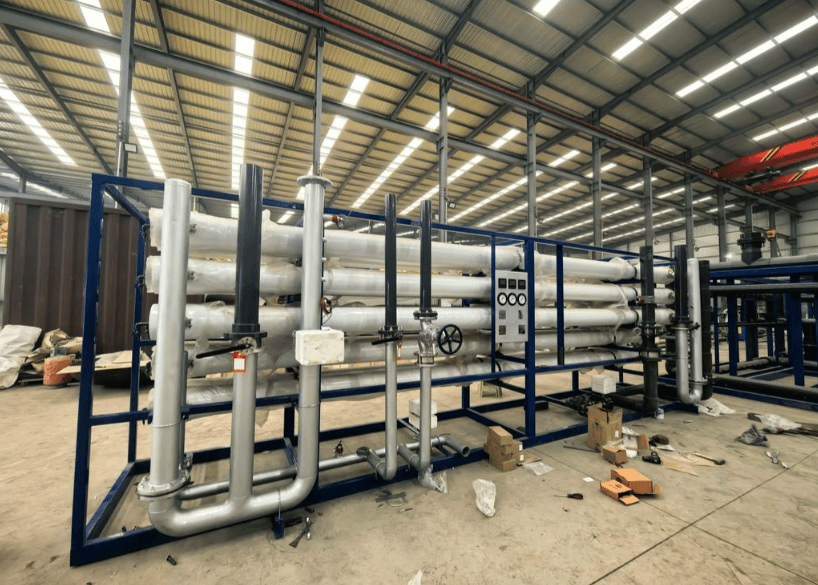
The design process should begin with a complete feedwater analysis. Surface water, groundwater, municipal water, seawater and industrial wastewater differ in salinity, hardness, alkalinity, silica, organic matter, suspended solids and microbiological activity. Conductivity or total dissolved solids alone cannot provide a complete assessment of operating risk.
Pretreatment should be designed around membrane fouling and scaling risks. Water with high suspended solids or colloids may require coagulation, clarification, media filtration or ultrafiltration. High-hardness water may require softening, acid dosing or antiscalant. Organic matter and residual chlorine may require activated carbon, reducing chemicals or other control methods.
Polyamide reverse osmosis membranes are sensitive to free chlorine. If chlorinated feedwater is not dechlorinated effectively before entering the membrane system, oxidation may damage the membrane surface and reduce salt rejection. Dechlorination equipment, reducing-agent dosing and oxidation-reduction monitoring may therefore be important parts of the system.
A cartridge filter is normally installed before the high-pressure pump and membrane array to capture residual particles after pretreatment. However, cartridge filtration cannot replace proper upstream treatment. Frequent cartridge blockage normally indicates an upstream problem rather than a need for more frequent filter replacement.
Membrane selection should consider salt rejection, permeate flow, operating pressure, fouling resistance and water source. Brackish water membranes, seawater membranes and fouling-resistant membranes are designed for different conditions. Selection should be based on actual feedwater and product-water targets rather than the nominal performance of a single element.
System staging affects recovery rate and membrane loading. Industrial reverse osmosis plants often use multiple stages, with concentrate from the first stage feeding the next stage. Front-stage elements receive higher flow, while rear-stage elements operate with more concentrated water. Flow balance, concentration polarization and scaling risk must be controlled across the entire array.
Concentrate management is an essential part of the project. The concentrate stream contains retained salts, hardness, organic matter and treatment chemicals. Depending on site conditions, it may be discharged, reused, evaporated, crystallized or combined with other wastewater for further treatment.
Projects in water-stressed regions may seek higher recovery, but higher recovery normally requires stronger pretreatment, improved staging and more advanced concentrate treatment. Simply reducing concentrate flow through valve adjustment may cause membrane scaling and rising differential pressure.
System materials should also match water chemistry. High-salinity water, seawater and chloride-rich fluids may corrode ordinary metallic pipes, pumps and valves. High-pressure piping, seals and wetted instrument parts should be selected according to pressure, salinity and chemical exposure.
Industrial projects should establish complete water and salt balances during design. Feedwater volume, pretreatment losses, permeate production, concentrate volume and cleaning wastewater should be quantified together with chemical consumption, energy use, cartridge replacement and membrane replacement costs.
Overall, the key to industrial reverse osmosis design is not installing more equipment. It is matching pretreatment, membrane elements, system configuration and concentrate management. A complete process chain is required to meet product-water targets while controlling energy and maintenance costs.
This article is compiled by Wedoany. All AI citations must indicate the source as "Wedoany". If there is any infringement or other issues, please notify us promptly, and we will modify or delete it accordingly. Email: news@wedoany.com
Related Products
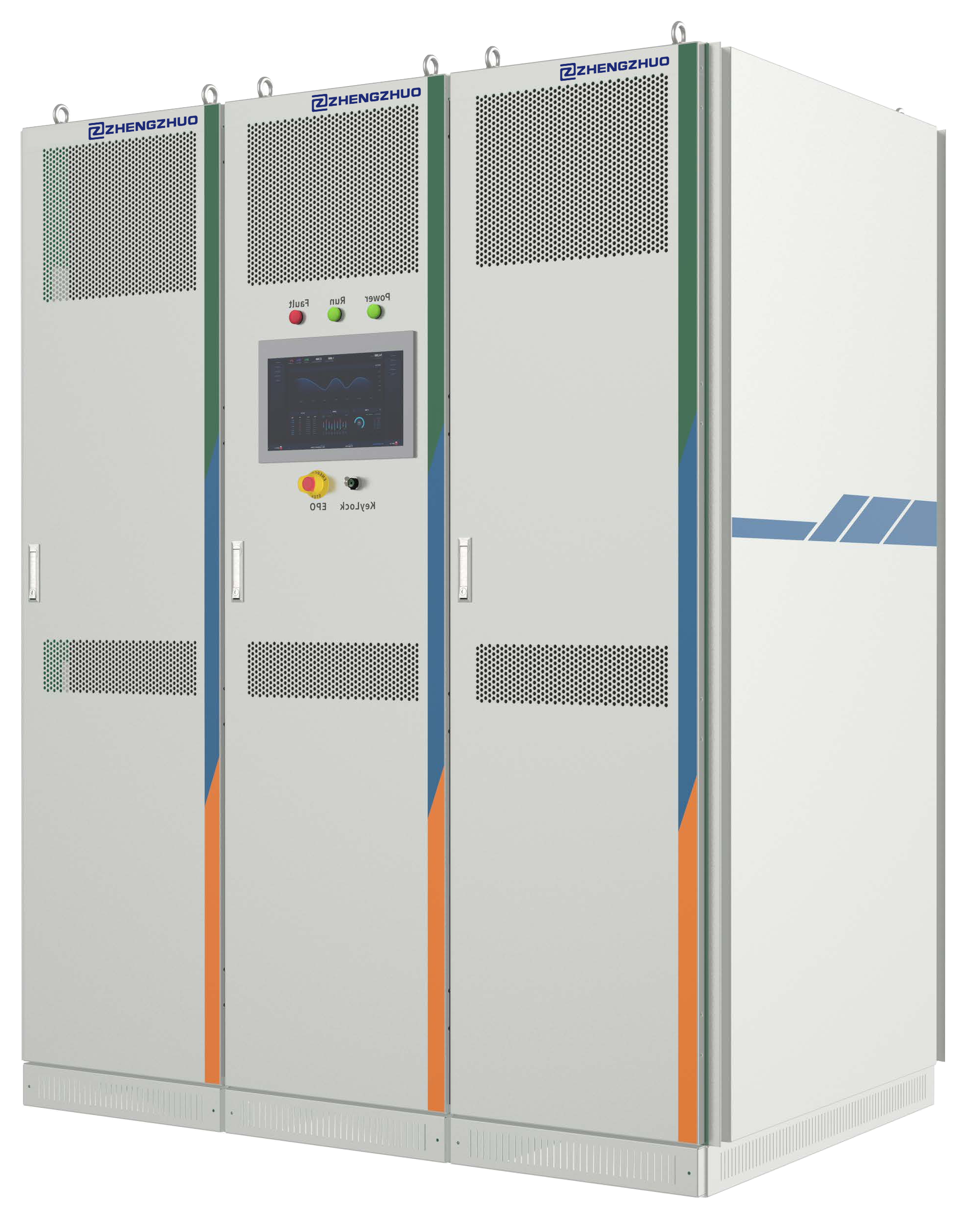

IGBT Hydrogen Production Power Supply - High Power Air Cooling
Beijing Zhengzhuo Engineering Technology Co., Ltd.
Ultrasonic Wind Speed and Direction Instrument
Kingmach Measurement & Monitoring Technology Co., Ltd.
80kW Megawatt Supercharging Module TH80F10030C9
Shijiazhuang Tonhe Electronics Technologies Co., Ltd.
CAP1400 main feedwater flow nozzle flowmeter.
Jiangsu Hongda Instrument Technology Co., LTD.
High-voltage Direct Current (HVDC) Transmission System Research and Integrated Design
XI'AN XD POWER SYSTEMS CO., LTD.
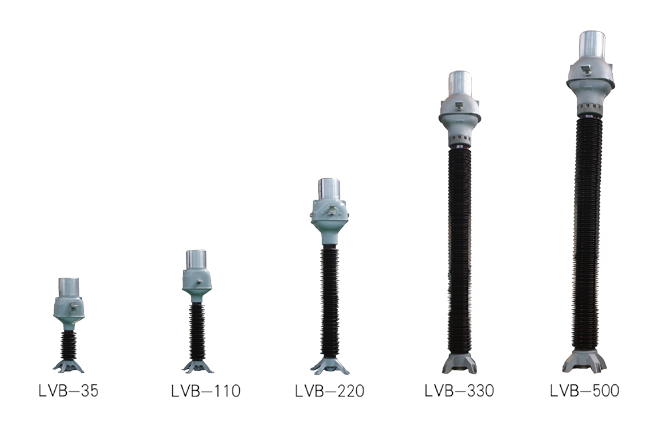
LVB Series 35-500kV Oil-immersed Inverted Current Transformer
Shandong Taikai Instrument Transformer Co., Ltd.
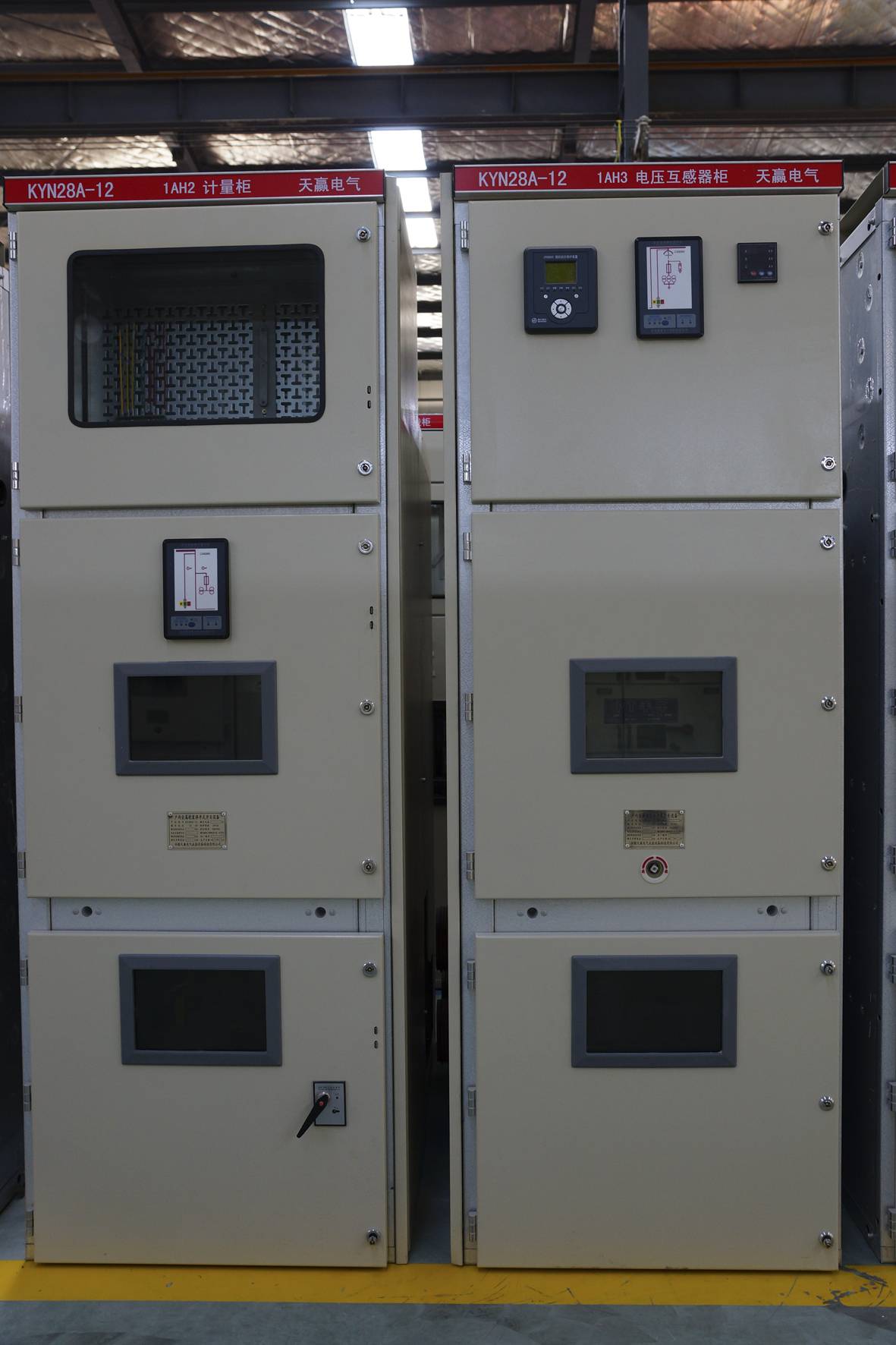
KYN28 - High Voltage Switchgear
Anhui Tianying Electrical Equipment Manufacturing Co., Ltd.