Reverse Osmosis System Maintenance Depends on Fouling Control, Chemical Cleaning and Energy Management
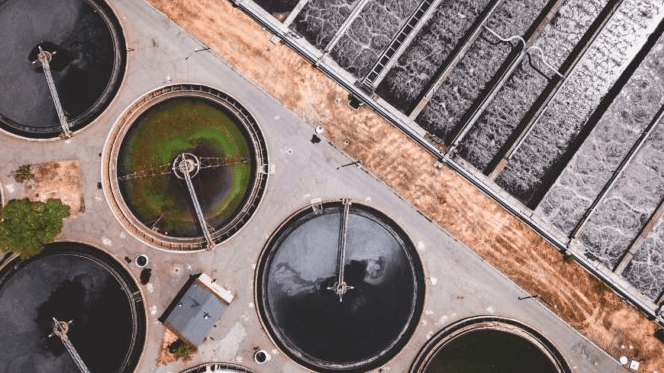
en.Wedoany.com Reported - After commissioning, the performance of a Reverse Osmosis System is influenced by feedwater variation, pretreatment condition, operating parameters and maintenance. Particulate fouling, mineral scaling, biological growth and chemical oxidation may reduce permeate production, change salt rejection, increase differential pressure and raise energy consumption.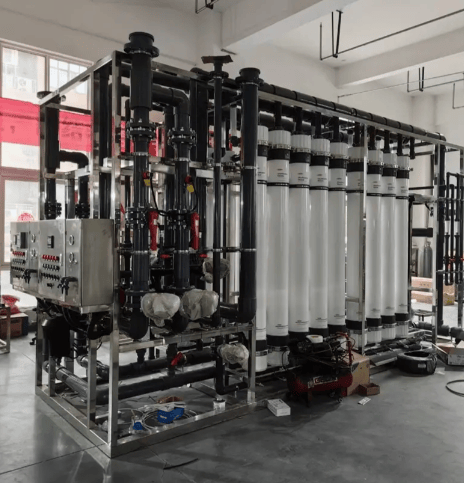
Membrane fouling can generally be divided into particulate and colloidal fouling, organic fouling, biological fouling and inorganic scaling. Each type has different causes and cleaning requirements. Applying cleaning chemicals without identifying the deposit may fail to restore performance and may damage the membrane.
Particulate and colloidal fouling is often associated with pretreatment failure, filter breakthrough or sudden feedwater changes. Gradually rising differential pressure and heavier fouling in the front membrane elements may indicate this problem. Operators should check feedwater turbidity, filtration equipment and cartridge-filter pressure drop.
Inorganic scaling is related to the concentration of calcium, magnesium, sulfate, carbonate, silica and other sparingly soluble substances. Excessive recovery, insufficient antiscalant dosing or abnormal pH control may increase deposit formation. Scaling reduces water permeability and may block feed channels.
Biological fouling occurs when microorganisms form a sticky biofilm on membrane surfaces. It can cause rising differential pressure and declining permeate flow. The problem is influenced by microbial activity, nutrients, disinfection control and shutdown procedures. Increasing disinfectant temporarily may not remove an established biofilm.
Membrane cleaning normally uses a clean-in-place system consisting of a cleaning tank, circulation pump, filter and temperature control. Acid cleaning solutions may be suitable for selected inorganic deposits, while alkaline solutions are often used for some organic and biological fouling. Chemicals and cleaning sequence should be selected according to deposit analysis and membrane supplier requirements.
Cleaning concentration, pH, temperature, circulation flow and soaking time must be controlled. Insufficient flow may not remove deposits effectively, while excessive temperature or chemical concentration may damage the membrane. Cleaning wastewater should also be treated according to its chemical and contaminant content.
Cleaning should not be delayed until permeate production declines severely. Operators should establish a normalized operating baseline and continuously track temperature-corrected permeate flow, salt rejection and differential pressure. Persistent changes from the stable baseline should trigger investigation and cleaning evaluation.
Shutdown management is also important. During short shutdowns, highly concentrated water should not remain inside membrane vessels for long periods. Long-term shutdowns require flushing, preservation and periodic inspection. Incorrect shutdown procedures may cause scaling, microbial growth or membrane drying.
Energy management is an important part of operation. Declining pump efficiency, membrane fouling, poor valve control and increasing pipe resistance all raise energy use per unit of product water. Seawater desalination systems may also use energy recovery devices to recover pressure energy from the concentrate stream.
Digital monitoring can help identify abnormal operation. Pressure, flow, conductivity, temperature, chemical dosing and pump-energy data can be connected to a control platform for trend analysis and alarms. This supports earlier identification of membrane fouling, instrument errors and pretreatment failures.
Spare-parts management also affects downtime. Cartridge filters, seals, flow instruments, pressure sensors and cleaning chemicals should be maintained at reasonable stock levels. Membrane replacement should be based on performance decline, operating history and individual element testing rather than automatic replacement of the entire batch.
Long-term reverse osmosis reliability depends on coordination among pretreatment, membrane cleaning, operating control and data management. Correct identification of fouling, suitable cleaning and control of energy use can extend membrane life and reduce total water treatment cost.
This article is compiled by Wedoany. All AI citations must indicate the source as "Wedoany". If there is any infringement or other issues, please notify us promptly, and we will modify or delete it accordingly. Email: news@wedoany.com
Related Products
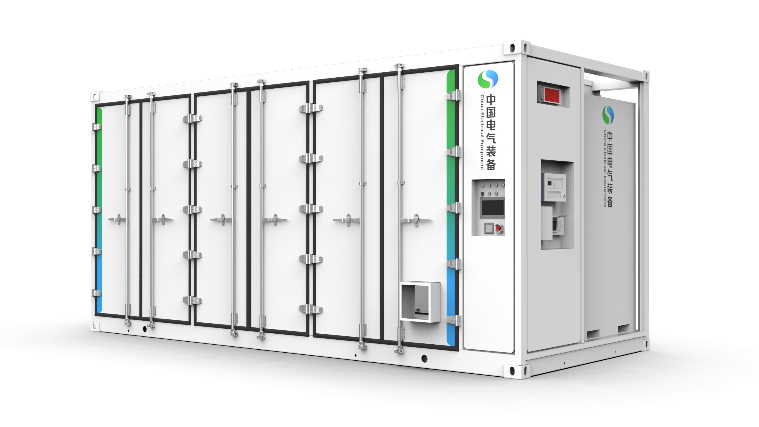

MESS8201-2507/5015-BN Prefabricated Liquid-cooled Energy Storage Battery Container
Xuchang Xuji Electric Science Energy Storage Technology Co., Ltd.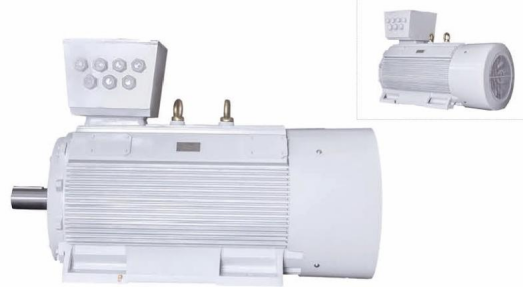
YE3 Series Low Voltage High Power Three-Phase Asynchronous Motor
Shandong Lijiu Electrical Machinery Co., Ltd.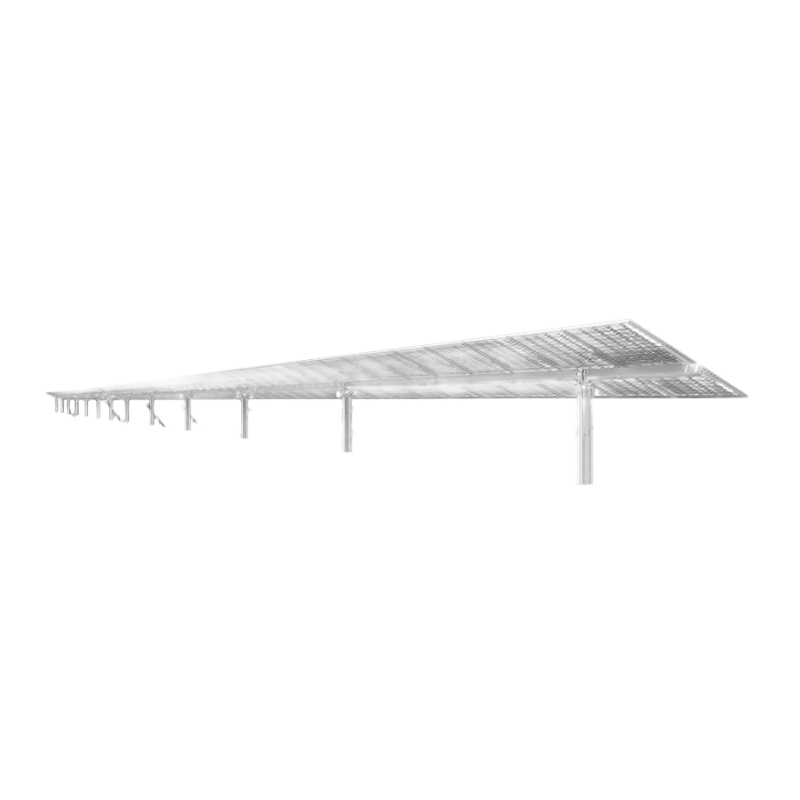
TAI Slew-drive Single-axis Independent 1P Tracking Bracket System
ANTAI TECHNOLOGY CO., LTD.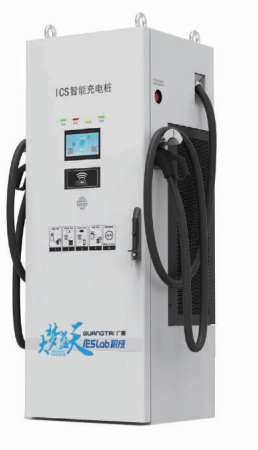
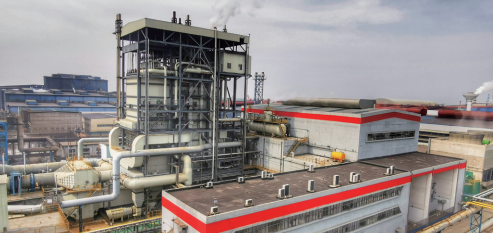
Jiujiang Pinggang 125MW Subcritical Gas Power Generation Project
Capital Engineering & Research Incorporation Limited
GW4-40.5/72.5/126/145/170/252/363/420 Series Double-column Horizontal Rotary High-voltage AC Disconnect Switch
SHANDONG TAIKAI DISCONNECTORS CO., LTD.
Double-slide Triple-sealed Hot Air Isolation Door
Xi'an Yingchuan Electric Power Equipment Co., Ltd.