How a Reverse Osmosis System Separates Salts and Impurities from Water
en.Wedoany.com Reported - A Reverse Osmosis System is an important membrane separation solution used in seawater desalination, brackish water treatment, industrial purified water production, boiler feedwater preparation, ultrapure water systems, food and beverage processing and wastewater reuse. Its main function is to use a semipermeable membrane to separate water from dissolved salts, ions and selected organic substances.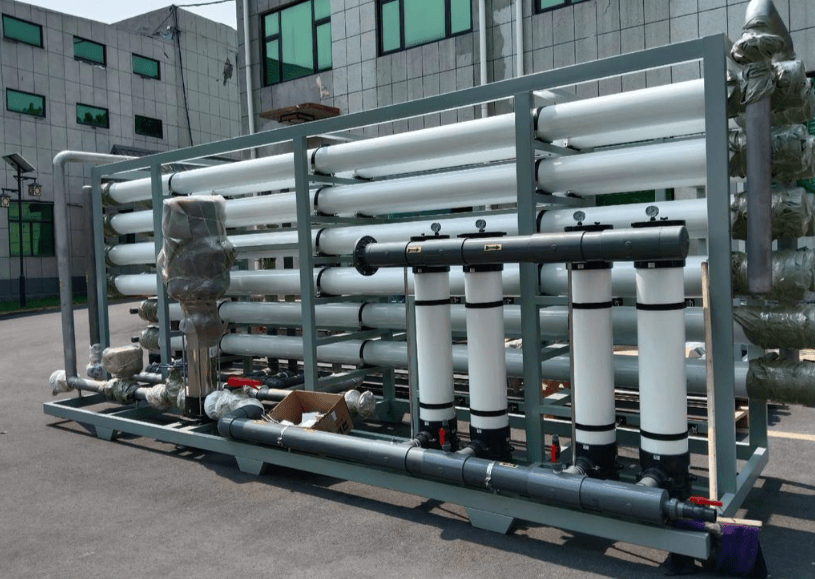
During natural osmosis, water moves through a semipermeable membrane from a lower-concentration solution toward a higher-concentration solution. Reverse osmosis applies pressure to the concentrated feedwater side at a level greater than the osmotic pressure. This forces water molecules to move in the opposite direction through the membrane, producing low-salinity permeate while most dissolved substances remain in the concentrate stream.
The reverse osmosis membrane is the central component of the system. Industrial plants commonly use spiral-wound membrane elements installed inside pressure vessels. Feed channels, permeate channels and membrane sheets work together in cross-flow operation. Part of the water passes through the membrane, while the remaining flow carries retained salts and contaminants out of the system as concentrate.
A complete reverse osmosis plant normally includes pretreatment equipment, a high-pressure pump, cartridge filters, membrane pressure vessels, chemical dosing units, flow meters, pressure instruments, conductivity analyzers, control panels and a clean-in-place system. Projects requiring higher water quality may also include second-pass reverse osmosis, electrodeionization, ultraviolet disinfection and fine filtration.
Pretreatment determines whether the membranes can operate reliably over the long term. Suspended solids, colloids, microorganisms, hardness, residual chlorine, organic matter and metal ions may cause membrane fouling, scaling or oxidation damage. Coagulation, media filtration, activated carbon, softening, ultrafiltration, antiscalant dosing and cartridge filtration may be used according to the feedwater condition.
The high-pressure pump provides the pressure required for membrane separation. Seawater has higher salinity and osmotic pressure, so seawater reverse osmosis normally requires higher operating pressure than brackish water or general industrial water treatment. Pump efficiency, control range and operating stability have a direct influence on system energy consumption.
Important operating parameters include permeate flow, concentrate flow, feed pressure, differential pressure, permeate conductivity, recovery rate and water temperature. A change in one parameter does not automatically indicate membrane damage. Operators should evaluate long-term trends and normalized performance data.
Recovery rate cannot be increased without limit. Higher recovery reduces concentrate volume, but it also raises the concentration of salts and sparingly soluble substances on the concentrate side, increasing scaling risk. The appropriate recovery rate depends on feedwater chemistry, membrane type, system arrangement and concentrate management.
Water temperature also affects system performance. Higher temperature generally increases membrane water permeability, but may also increase salt passage. Lower temperature can reduce permeate production. Seasonal data should therefore be temperature-corrected before membrane performance is evaluated.
Overall, reverse osmosis is not a stand-alone membrane device. It is a complete water treatment system combining pretreatment, pressurization, membrane separation, monitoring, control and cleaning. Stable water quality and long-term efficiency require proper matching among feedwater conditions, membrane elements, operating pressure and control parameters.
This article is compiled by Wedoany. All AI citations must indicate the source as "Wedoany". If there is any infringement or other issues, please notify us promptly, and we will modify or delete it accordingly. Email: news@wedoany.com
Related Products

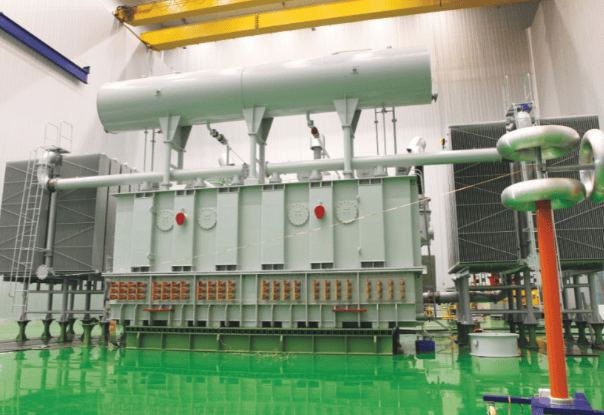
220kV and Below Voltage Level Energy-saving Oil-immersed Power Transformers
FuZhou TianYu Electric Co., Ltd.
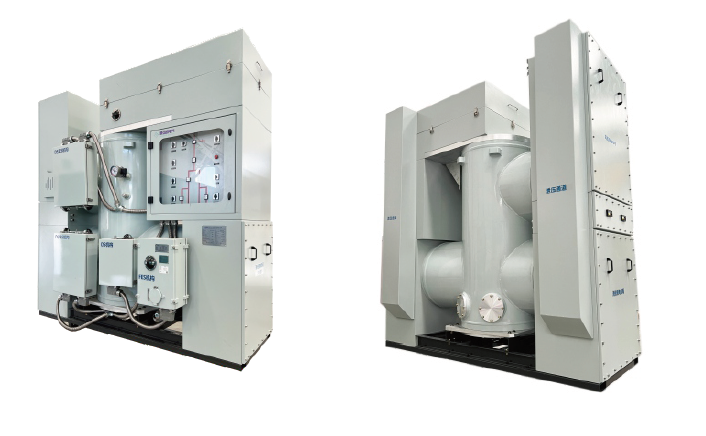
72.5kV 1250A 31.5kA SF6 free Gas-insulated Metal-enclosed Switchgear
Zhejiang Juhonkia Intelligent Electric Co., Ltd.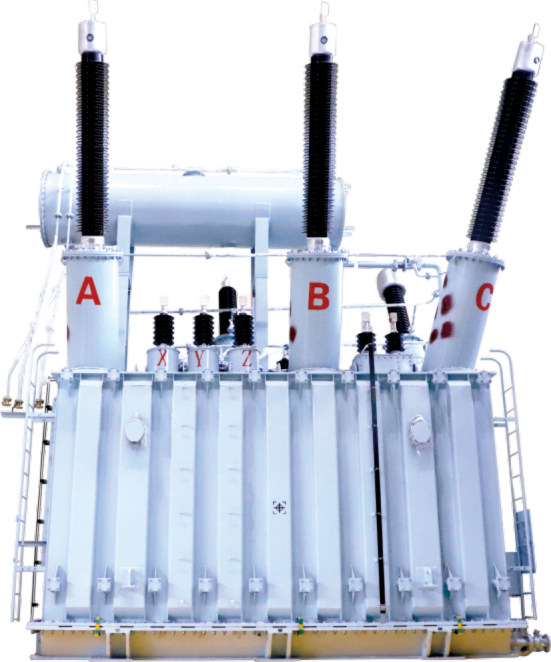
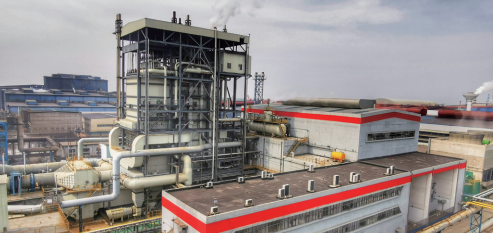
Jiujiang Pinggang 125MW Subcritical Gas Power Generation Project
Capital Engineering & Research Incorporation Limited
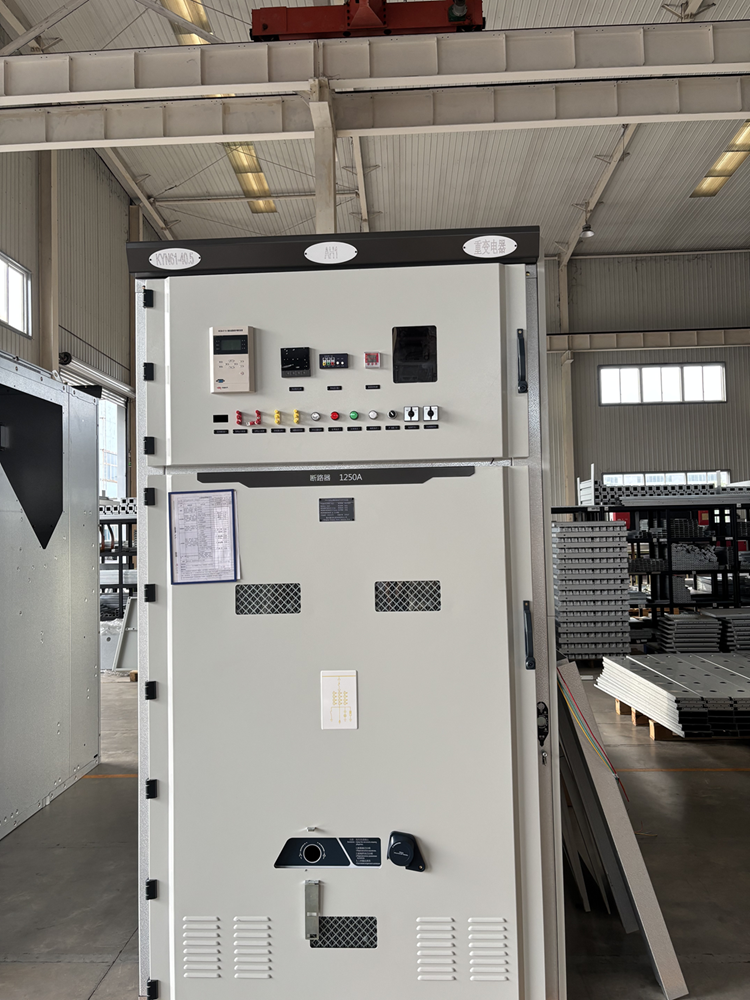
KYN61-40.5 Indoor AC Metal-clad Removable Switchgear
Chongqing Transformer Co., Ltd.