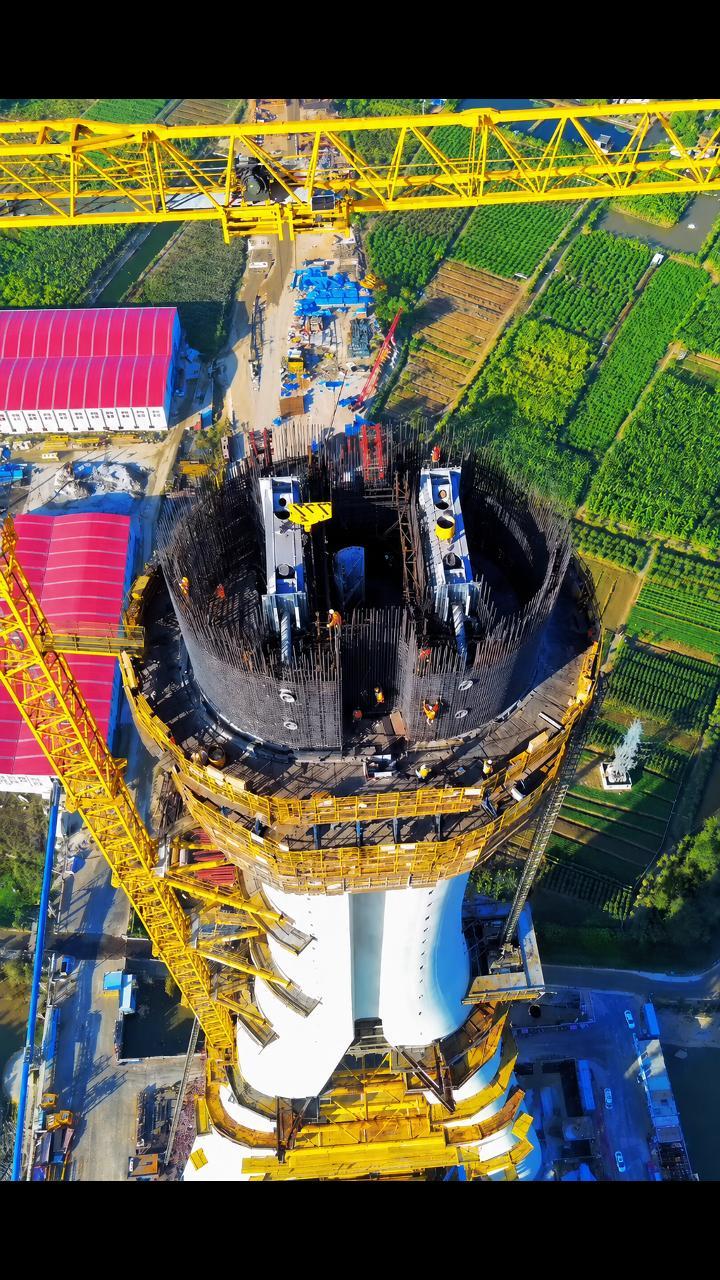
Canadian Climate Institute Report: Climate-Proofing Infrastructure Could Save $4 Billion to $9 Billion Annually by 2100
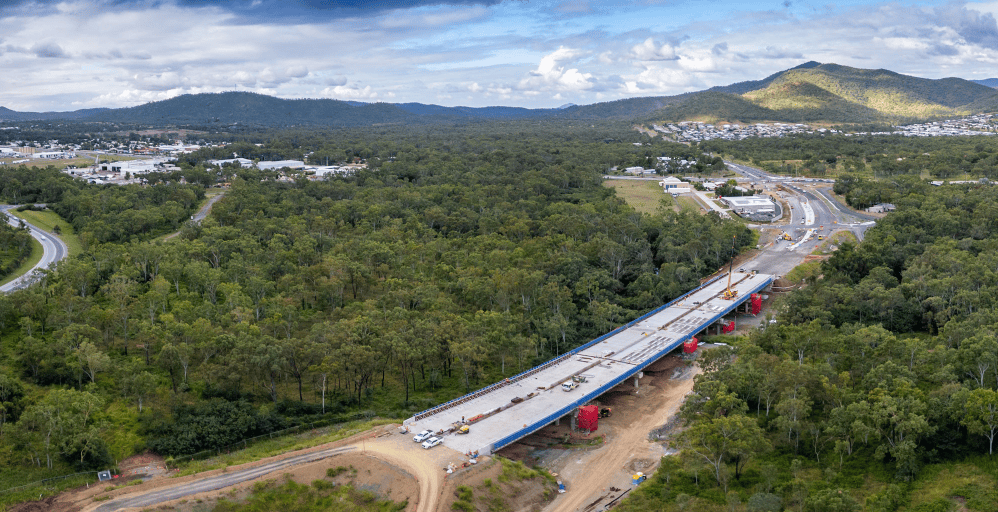
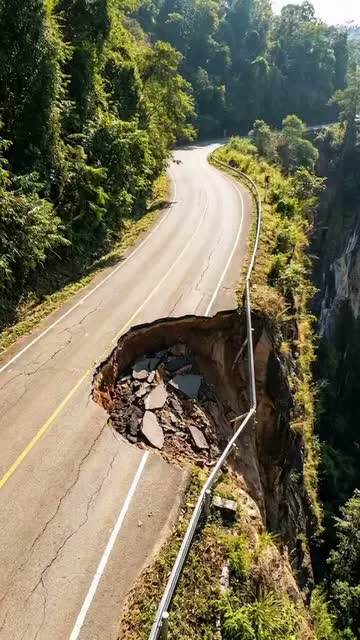
en.Wedoany.com Reported - The Canadian Climate Institute (CCI) stated in its report "Prepare or Repair: How climate-proofing public infrastructure pays off" that climate change is damaging the country's public infrastructure, including roads, bridges, stormwater sewers, and water treatment systems. The report notes that upfront investment in climate-resilient public infrastructure can limit these impacts, saving $4 billion to $9 billion annually by 2100. Such investments would prevent most damage to infrastructure caused by rising temperatures and increased rainfall, freeing up public funds for other investments. However, despite the widespread benefits of infrastructure investment, most costs are borne by municipal governments. To assist municipalities and enhance the climate resilience of infrastructure, the report recommends that federal, provincial, and territorial governments work together to ensure all public infrastructure spending considers climate risks; expand financial support for municipalities to adapt their infrastructure to climate change; strengthen national climate hazard data and maps to support infrastructure decisions; and accelerate updates to infrastructure codes and standards so that new and renovated infrastructure can withstand climate change.
Rebecca Bligh of the Federation of Canadian Municipalities (a financial supporter of CCI) said in a statement: "With the right tools and strong collaboration among all levels of government, we can help every community build resilience and prepare for future climate challenges." According to some industry experts interviewed by the Journal of Commerce, the construction and heavy equipment sectors are ready to take on the challenge of climate-proofing Canada's infrastructure. Kelly Scott, CEO of the BC Road Builders and Heavy Construction Association, said that British Columbia has just gone through a period of large-scale construction projects, such as the Site C Dam (John Horgan Dam), and contractors and workers are now seeking more work. Scott said: "Heavy construction is a resilient and adaptable industry. We have the workers, and now we need the work. I've been telling the government about our situation." Scott stated that the top infrastructure priority for BC is the province's highway network. "BC has many remote and Indigenous communities, and we cannot afford to leave them isolated." He added: "Bridges are also part of our highway network. There are approximately 4,000 bridges in BC."
Despite industry enthusiasm, it also seeks help from politicians and government officials. Bill Black, President of the Calgary Construction Association, said that the construction and road-building industry is suffering from "constant cuts and delays" in funding needed for building and maintaining infrastructure. Black said: "Climate change hasn't made this a new problem. It just adds another layer of burden to a legacy that Canadians didn't ask for." "Politicians have allowed critical infrastructure to be consistently deprioritized to save money for their pet projects or tax cuts to get themselves elected, creating a deficit in critical infrastructure." Canada's most urgent infrastructure needs are water supply and utilities, followed by bridges and roads. Black said: "Compared to the rising costs of maintaining increasingly deteriorating infrastructure, the cost of restoring most facilities to normal levels will pay for itself within a few years." Chris Lorenc, President and CEO of the Manitoba Heavy Construction Association, said that governments have an obligation to ensure sufficient funding for infrastructure projects. Lorenc said: "We (the industry) cannot accept 'no' for an answer. We cannot allow governments to knowingly abandon adequate funding for the core infrastructure of our economy and society." "As long as the industry receives sustainable, predictable, and gradually increasing government funding, and as long as the industry receives reasonable notice of government plans, Canada's road-building and heavy construction industry has enough time to scale up."
Jack Mintz, President's Fellow at the School of Public Policy at the University of Calgary, said that the way infrastructure is financed should change. When projects are funded through taxes and usage is free, individuals have little or no incentive to use them efficiently. Mintz said: "The lack of direct accountability means individuals cannot use infrastructure wisely and frugally to extend the life of public assets or prevent unnecessary congestion." However, there is a more cost-effective way to finance public infrastructure. Mintz said: "A user-pay model would help eliminate political influence, generate revenue for infrastructure renewal, and promote the optimal allocation of infrastructure resources."
This article is compiled by Wedoany. All AI citations must indicate the source as "Wedoany". If there is any infringement or other issues, please notify us promptly, and we will modify or delete it accordingly. Email: news@wedoany.com
Related Products


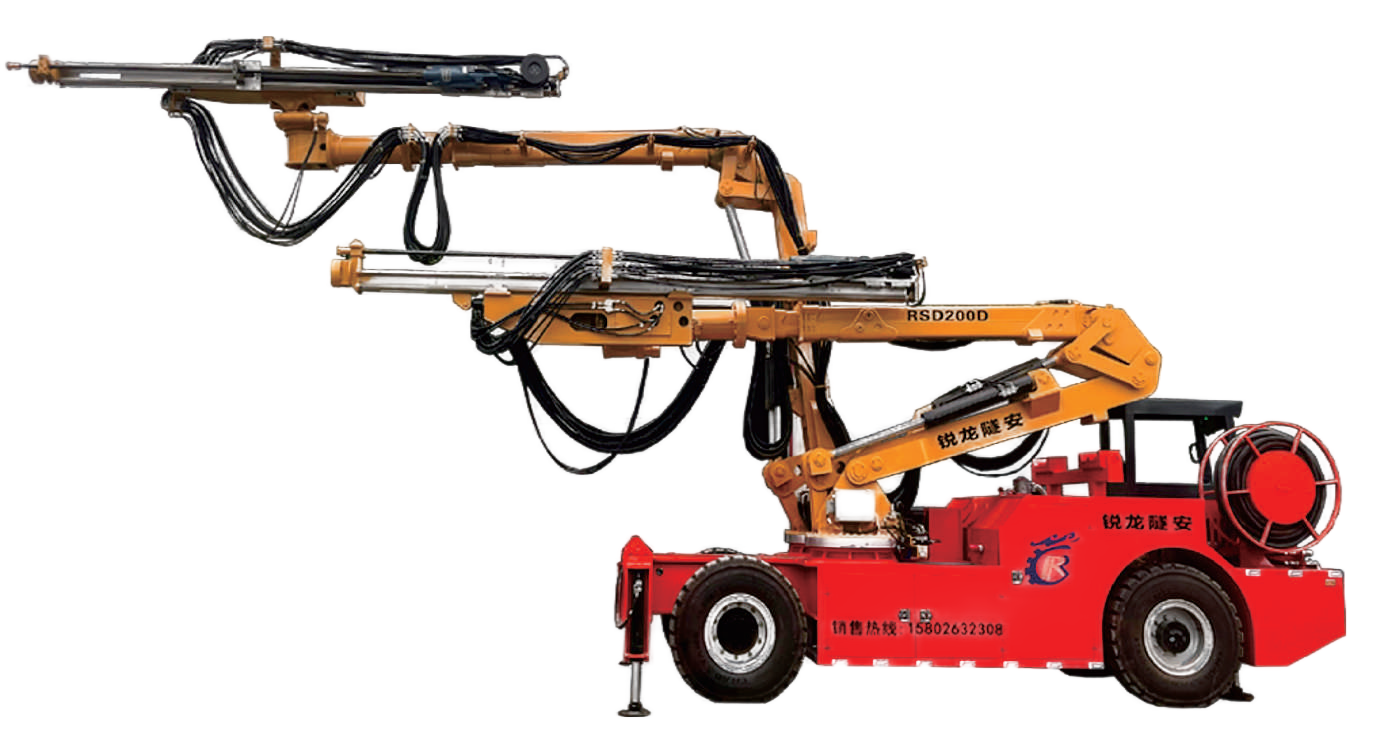
Dual-curved Arm Rock Drilling Trolley RSD200D
Chengdu Ruilong Machinery Manufacturing Co., Ltd.
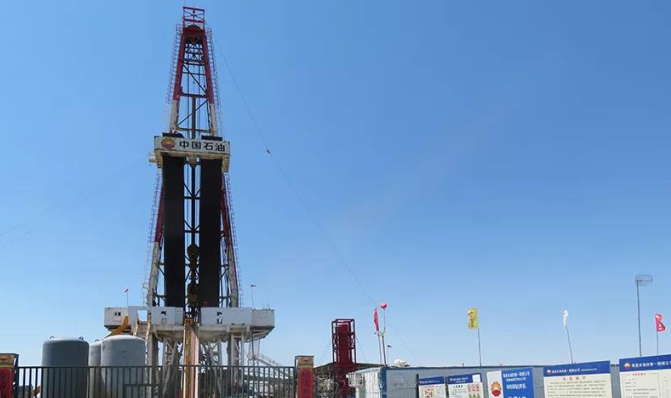


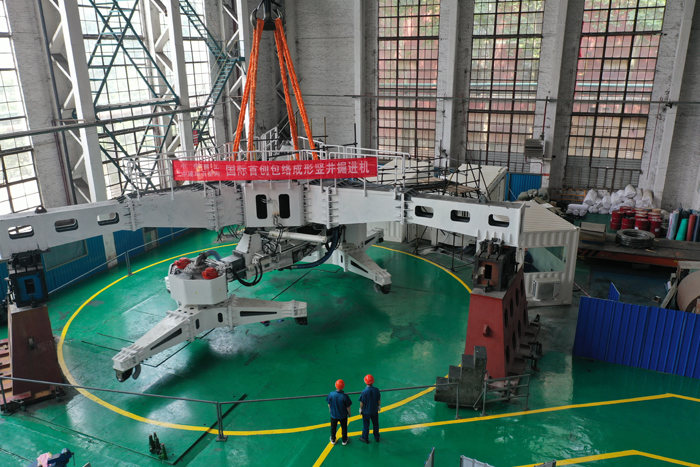
CITIC Heavy Industries Tunneling Equipment Tunnel Engineering Shield Machine
CITIC Heavy Industries Co., Ltd.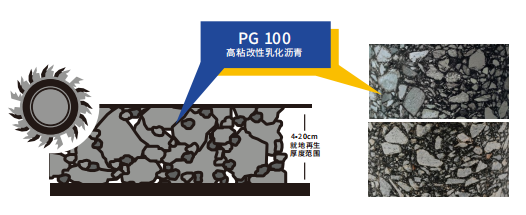
High-toughness in-Situ Cold Recycling Technology for Original Structural Layers
Central Fortune Creation Technology Group Co., Ltd.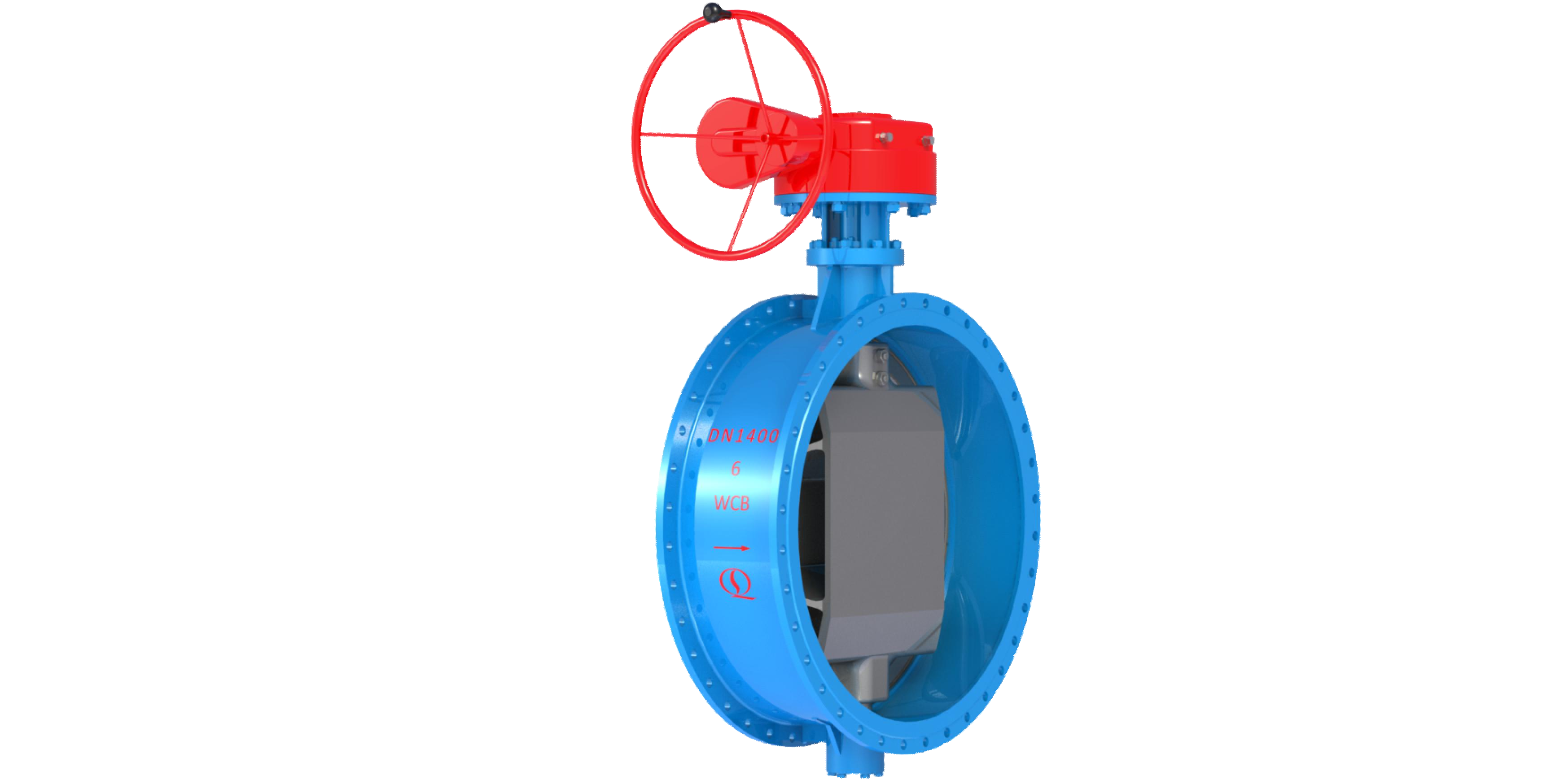
Bidirectional Metal Hard Sealed Seawater Butterfly Valve
Henan Quanshun Flow Control Science & Technology Co., Ltd.

Acoustic Mineral Fiber Ceiling Tile 595x595x12mm
Shanxi Pano Trading Co., Ltd
RISITA explosion-proof air conditioning
Guangdong RISITA Air Conditioning Equipment Co.,Ltd.