China's 15th Five-Year Urban Renewal Plan Released: 770,000 km of Pipeline Renovation with Over 5 Trillion Yuan Investment
en.Wedoany.com Reported - Recently, the State Council released the "15th Five-Year Plan for Urban Renewal," which for the first time sets quantifiable targets for pipeline renovation. During the 15th Five-Year Plan period, China plans to construct and renovate approximately 770,000 kilometers of urban underground pipelines, covering five major categories: gas, water supply, drainage, sewage, and heating. This plan pushes urban renewal into the construction phase and generates significant demand for materials.
China's urban underground pipeline network totals approximately 3.9 million kilometers, the largest in the world. As a large number of pipelines were laid in the 1980s and 1990s, material aging and safety hazards are prominent, making renovation urgent. Steel materials will provide key support for this large-scale transformation.
The plan specifies that during the 15th Five-Year Plan period, approximately 770,000 kilometers of urban underground pipelines will be constructed and renovated, including about 200,000 kilometers of gas pipelines, 175,000 kilometers of drainage pipelines, 175,000 kilometers of water supply pipelines, 100,000 kilometers of sewage pipelines, and 120,000 kilometers of heating pipelines. The renovation mileage included in the quantitative assessment is 365,000 kilometers, covering all five categories of pipelines. In terms of funding, the total investment in China's pipeline renovation during the 15th Five-Year Plan period will exceed 5 trillion yuan. In 2026, the state has allocated 160 billion yuan in ultra-long-term special government bonds to support the construction and renovation of urban underground pipelines, an increase of 25 billion yuan from the previous year; the central budget has allocated 97 billion yuan specifically for urban renewal. As of the end of May, the two batches of "Two Major Initiatives" construction funds issued in 2026 totaled 606.5 billion yuan, accounting for 76% of the annual quota of 800 billion yuan. The injection of funds provides support for the advancement of pipeline renovation and also offers a stable demand outlook for the steel market.
According to estimates by industry institutions, during the 15th Five-Year Plan period, underground pipeline renovation will drive an average annual demand for steel pipes of 1.9 million to 2.3 million tons, with a cumulative demand of about 10 million tons over five years; combined with scenarios such as urban renewal and old residential community renovation, the cumulative new demand for steel pipes is expected to exceed 15 million tons. By product type, pipes are the core beneficiaries. Pipeline renovation mainly includes two major segments: traditional renovation and intelligent renovation. Traditional renovation focuses on material replacement, involving ductile iron pipes, PE pipes, steel pipes, and various composite pipes. According to estimates by industry experts, during the 15th Five-Year Plan period, the material demand value for water supply pipelines is approximately 48.5 billion yuan (up 68% from the 14th Five-Year Plan period), drainage pipelines about 55.2 billion yuan, sewage pipelines about 30.1 billion yuan (up 25% from the 14th Five-Year Plan period), gas pipelines about 35.9 billion yuan (down 19% from the 14th Five-Year Plan period), and heating pipelines about 7.8 billion yuan (up 28% from the 14th Five-Year Plan period).
The renovation of underground pipelines also requires quality improvement. In terms of intelligent renovation, sensors, artificial intelligence early warning systems, etc., build an underground sensing network, requiring steel products to have higher precision and stability. Corrosion resistance has become a rigid demand, with pipeline design life generally ranging from 30 to 50 years. Resistance to chemical corrosion is driving an increasing share of high-end varieties such as plastic-coated composite pipes, 3PE anti-corrosion pipes, and stainless steel pipes. Industry insiders predict that by 2030, the proportion of various high-end pipes, including anti-corrosion steel pipes, will increase from the current 30% to over 50%. The trend towards higher steel grades is evident. To meet the requirements of deep burial, high pressure, and long-distance transportation under complex geological conditions, the strength grade of pipes needs to be significantly improved. Ordinary welded pipes are gradually being replaced by high-grade seamless pipes and longitudinally submerged arc welded pipes. It is expected that in the next five years, the demand share of X80 and above high-grade pipeline steel will increase from 45% to over 60%. The degree of benefit for different varieties is roughly: pipes > special steel > plates > building materials. Ordinary building steel benefits are limited, with incremental demand flowing more to sub-varieties such as high-grade pipeline steel, high-strength structural steel, and wear-resistant steel.
This article is compiled by Wedoany. All AI citations must indicate the source as "Wedoany". If there is any infringement or other issues, please notify us promptly, and we will modify or delete it accordingly. Email: news@wedoany.com
Related Products

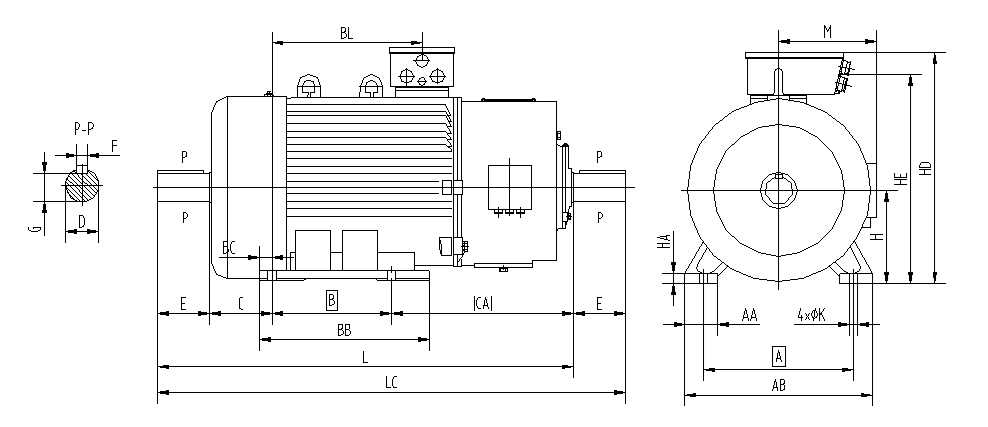
YZR (450-560) Series Wound Rotor Three-Phase Asynchronous Motors for Crane and Metallurgical Applications
Jiamusi Electric Machine Co., Ltd.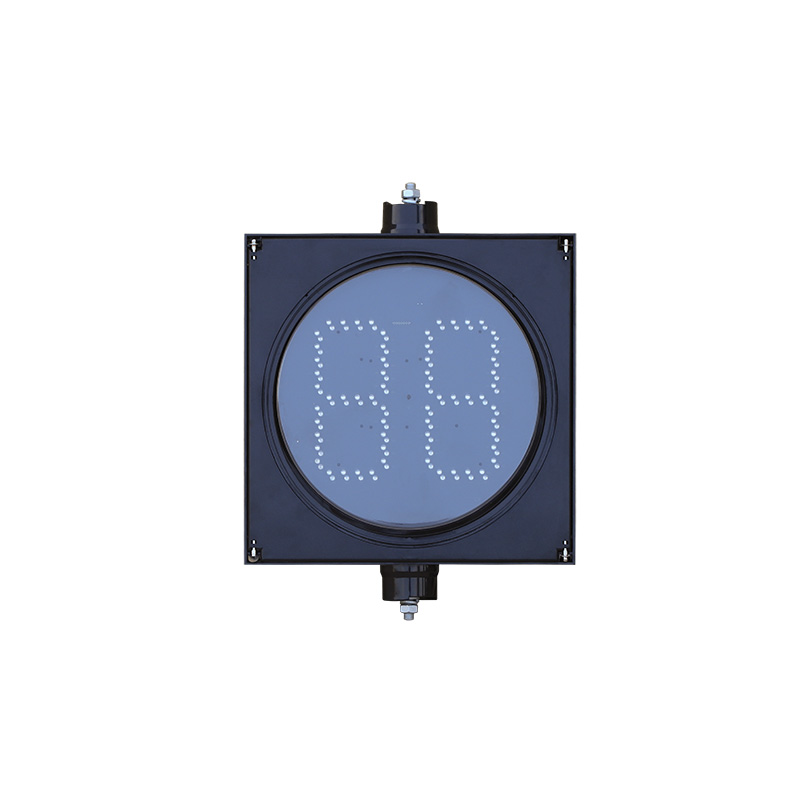
300mm Segment Type Countdown Traffic Light (Core Type)
Yangzhou FAMA Intelligent Equipment Co., Ltd.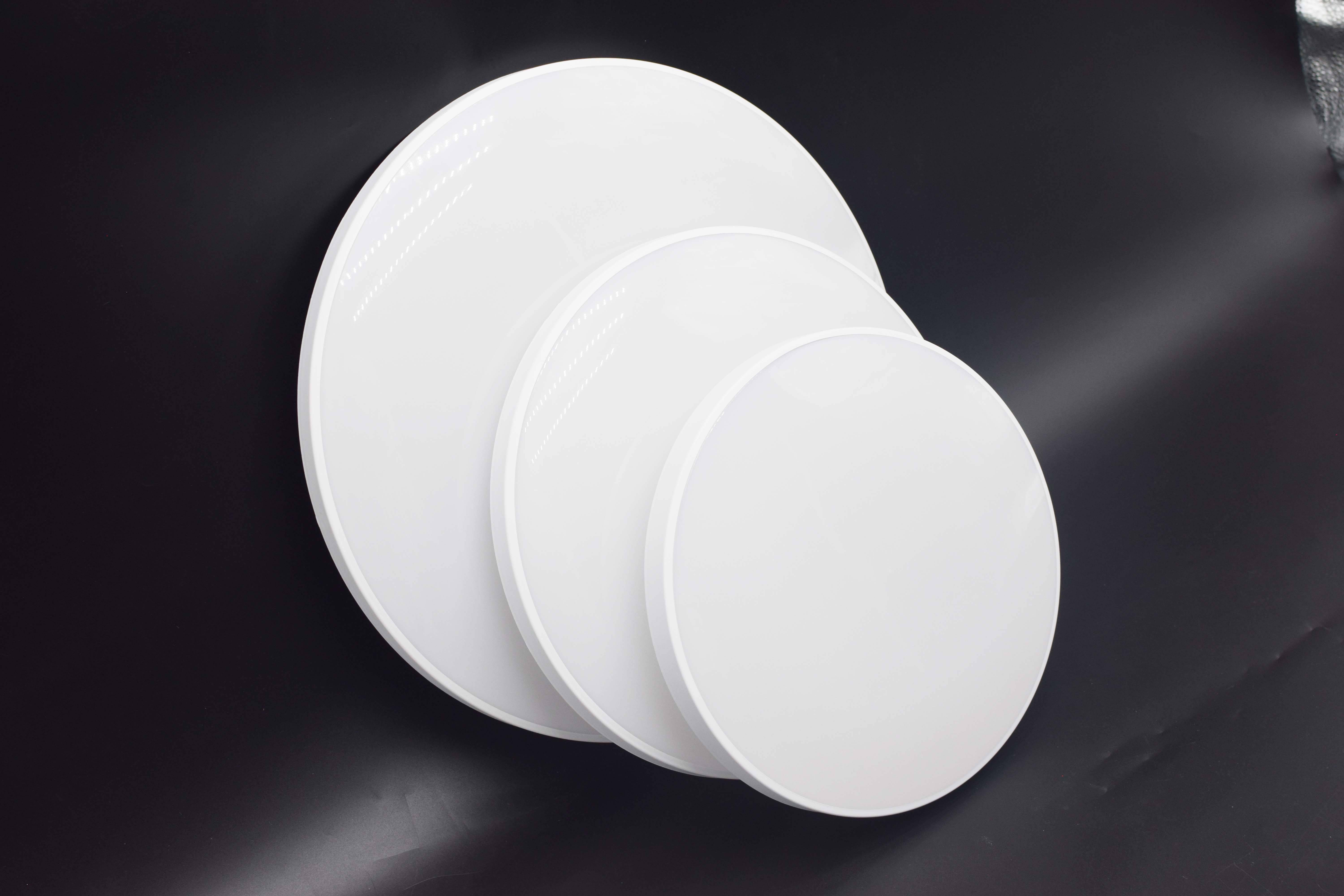
Ceiling light | led Ceiling Light | LED Indoor light | LED Ceiling lighting
Queendom Group Technology Co., Ltd.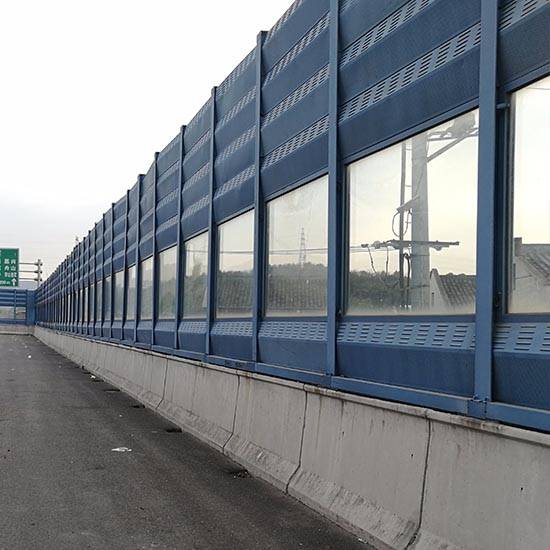
Metal sound barriers that can reduce the transmission of road noise
Hebei Jinbiao Construction Materials Tech Corp., Ltd.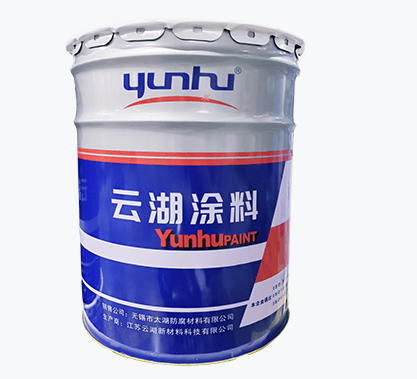
YHTank8400N Solvent-Free Liquid Epoxy Coating
JIANGSU YUNHU NEW MATERIAL TECHNOLOGY CO., LTD.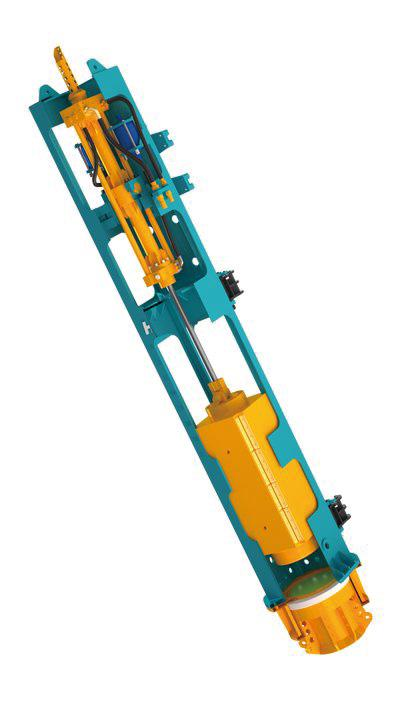
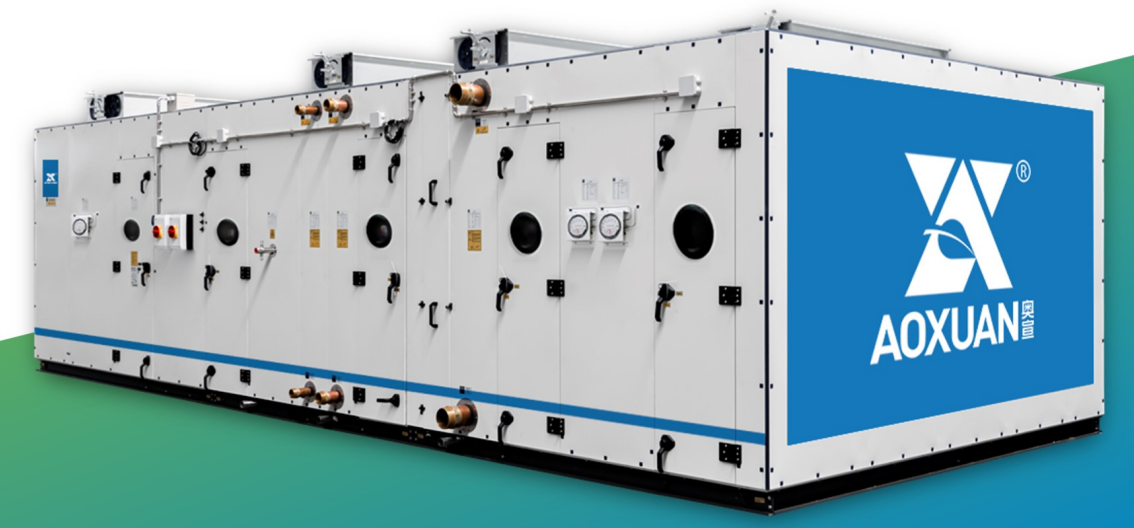
Aoxuan Intelligent Precision Air Conditioning Unit
SHANGHAI AOXUAN PURIFICATION TECHNOLOGY CO., LTD.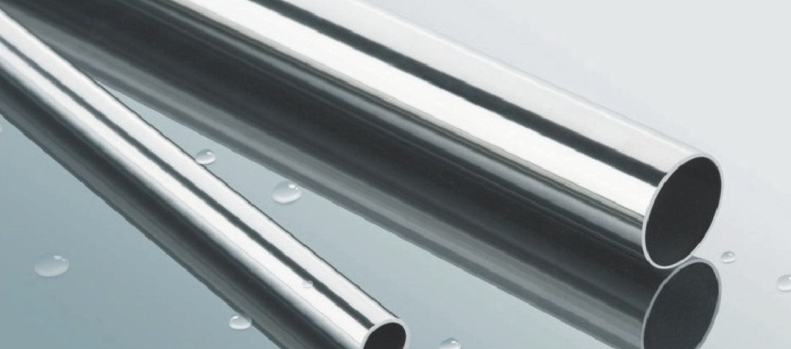
ERW Welded Pipe (Black Pipe and Hot-dip Galvanized Steel Pipe)
Handan Zhengda Steel Pipe Co., Ltd.
Dual-curved Arm Rock Drilling Trolley RSD200D
Chengdu Ruilong Machinery Manufacturing Co., Ltd.