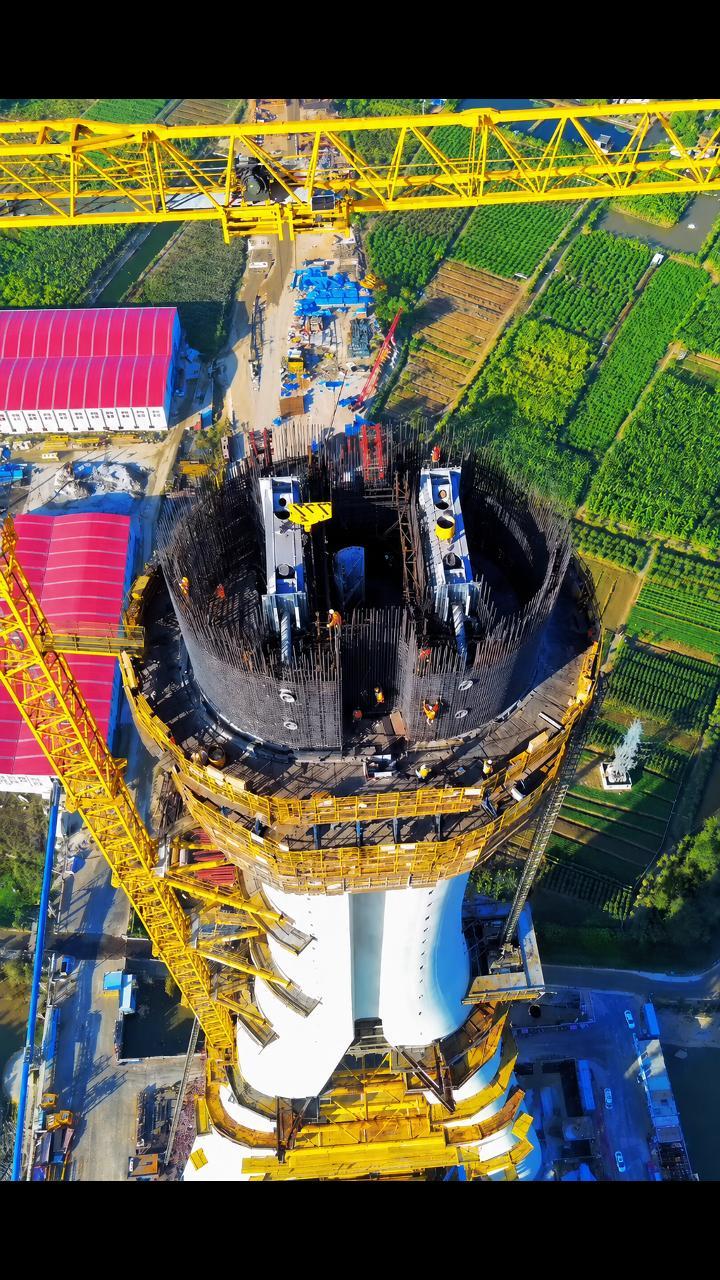
Octave launches digital platform to bridge Australia's infrastructure design-construction gap
en.Wedoany.com Reported - Octave has launched a digital platform designed to connect design, delivery, and long-term asset operations in infrastructure projects. Fabio Yada, the company's Senior Vice President for Asia-Pacific, stated that the issues facing Australian infrastructure projects do not stem from the design itself, but rather from the loss of design information during the subsequent construction phase.

Australia's infrastructure sector is currently experiencing sustained multi-billion-dollar investment, yet project delays, cost overruns, and shrinking margins remain frequent occurrences. Yada believes this is not due to a lack of innovation or engineering capability, but rather a long-standing "design-construction disconnect." Projects generate high-fidelity models containing compliance data, material specifications, and spatial planning in the early stages, but as projects move into the delivery phase, the integrity of these models progressively diminishes and information becomes fragmented.
Yada pointed out that the industry typically contracts design firms, engineering companies, and construction companies separately, a model that creates information silos. With each step forward in a project, data loss increases, and subsequent stages become increasingly reliant on re-entered information or documents that may not be the latest or real-time versions.
Research commissioned by Octave and conducted by International Data Corporation (IDC) shows that only 3% of engineering, procurement, and construction (EPC) organizations achieve fully unified project control across the asset lifecycle, and only 13% of companies use fully integrated digital handover systems. Yada argues that technology itself is not the bottleneck—cloud computing and artificial intelligence have advanced faster than construction methods—what is missing is data continuity.
Traditional contract models pay based on physical milestones, incentivizing contractors to prioritize visible outputs to secure payment as quickly as possible, rather than investing more time in the planning and design phases. Yada suggests rethinking project financial structures by linking early-stage payments to digital deliverables, giving contractors the space to build more reliable project models. This shift also benefits sustainability—when design data remains intact through procurement and construction, material ordering becomes more precise, reducing waste and transport emissions.
Queensland's project pipeline related to the Brisbane 2032 Olympic and Paralympic Games is already testing delivery capacity, with projects spanning transport upgrades, major venues, and regional works. Industry stakeholders have previously sought lessons from past host cities such as London, but Yada questions why these insights are still shared informally rather than embedded in structured, transferable systems.
The handover phase is one of the areas where data challenges are most pronounced. Commissioning relies on accurate and complete data to verify asset compliance and operating conditions; when data is incomplete, delays and cost overruns often follow. Yada noted that after project handover, there remains a 20-to-40-year operational period, and projects should be viewed as part of the asset lifecycle rather than isolated events. He emphasized that platforms should extend beyond the capital expenditure (CapEx) phase and continue to function during the operational expenditure (OpEx) phase, avoiding the need to rebuild all data from scratch.
Bridging the disconnect between design and construction requires alignment across the supply chain, involving designers, contractors, and asset owners. Yada observed that post-pandemic digital acceleration and the entry of a new generation of engineers into the workforce are changing industry expectations. These professionals expect integrated systems and visualization tools, not fragmented spreadsheets.
Yada believes the solution ultimately lies with those who fund and commission projects. Governments and corporate owners need to understand the importance of leveraging technology to avoid information silos, investing time at the project initiation stage to plan the entire project platform. Given that owners typically deal with multiple contractors, each using different systems, standardization is particularly critical.
Related Products
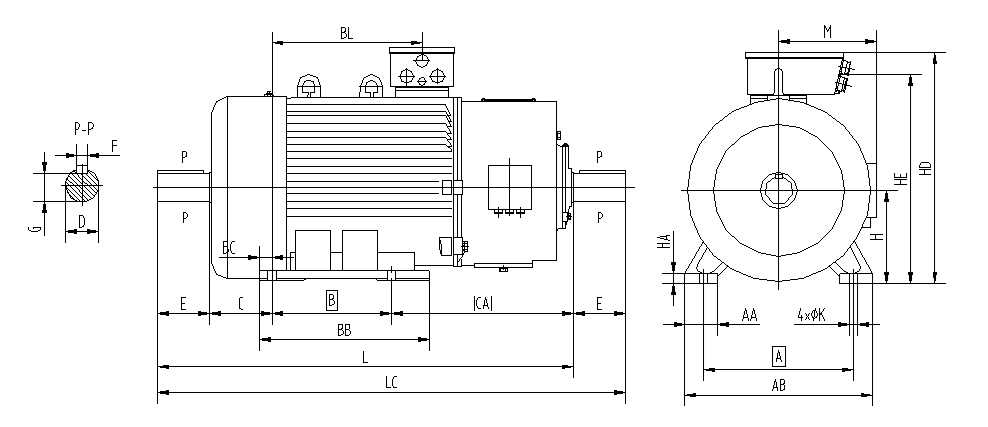

YZR (450-560) Series Wound Rotor Three-Phase Asynchronous Motors for Crane and Metallurgical Applications
Jiamusi Electric Machine Co., Ltd.
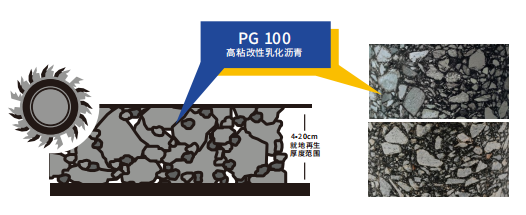
High-toughness in-Situ Cold Recycling Technology for Original Structural Layers
Central Fortune Creation Technology Group Co., Ltd.
Ceiling light | led Ceiling Light | LED Indoor light | LED Ceiling lighting
Queendom Group Technology Co., Ltd.
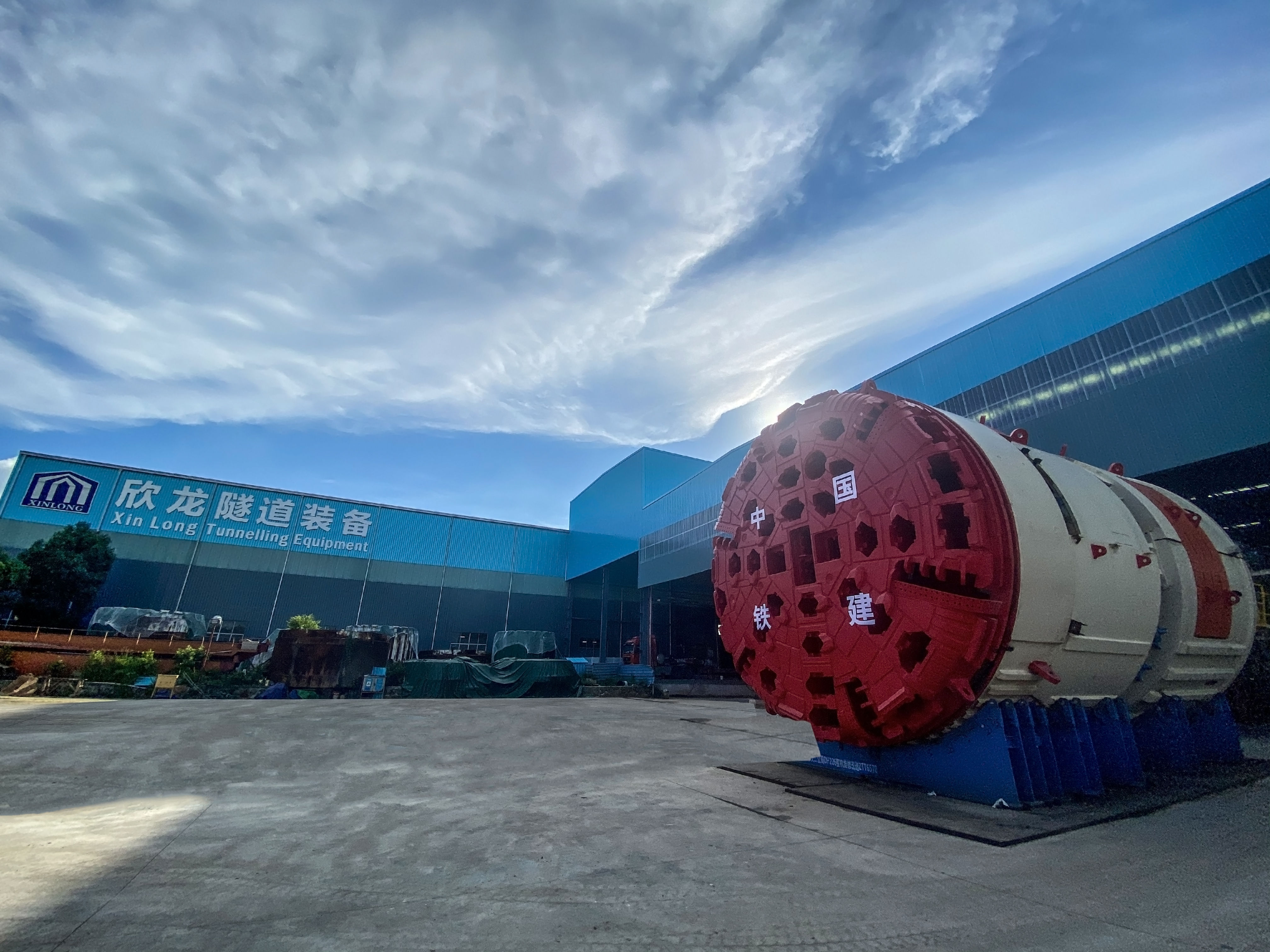
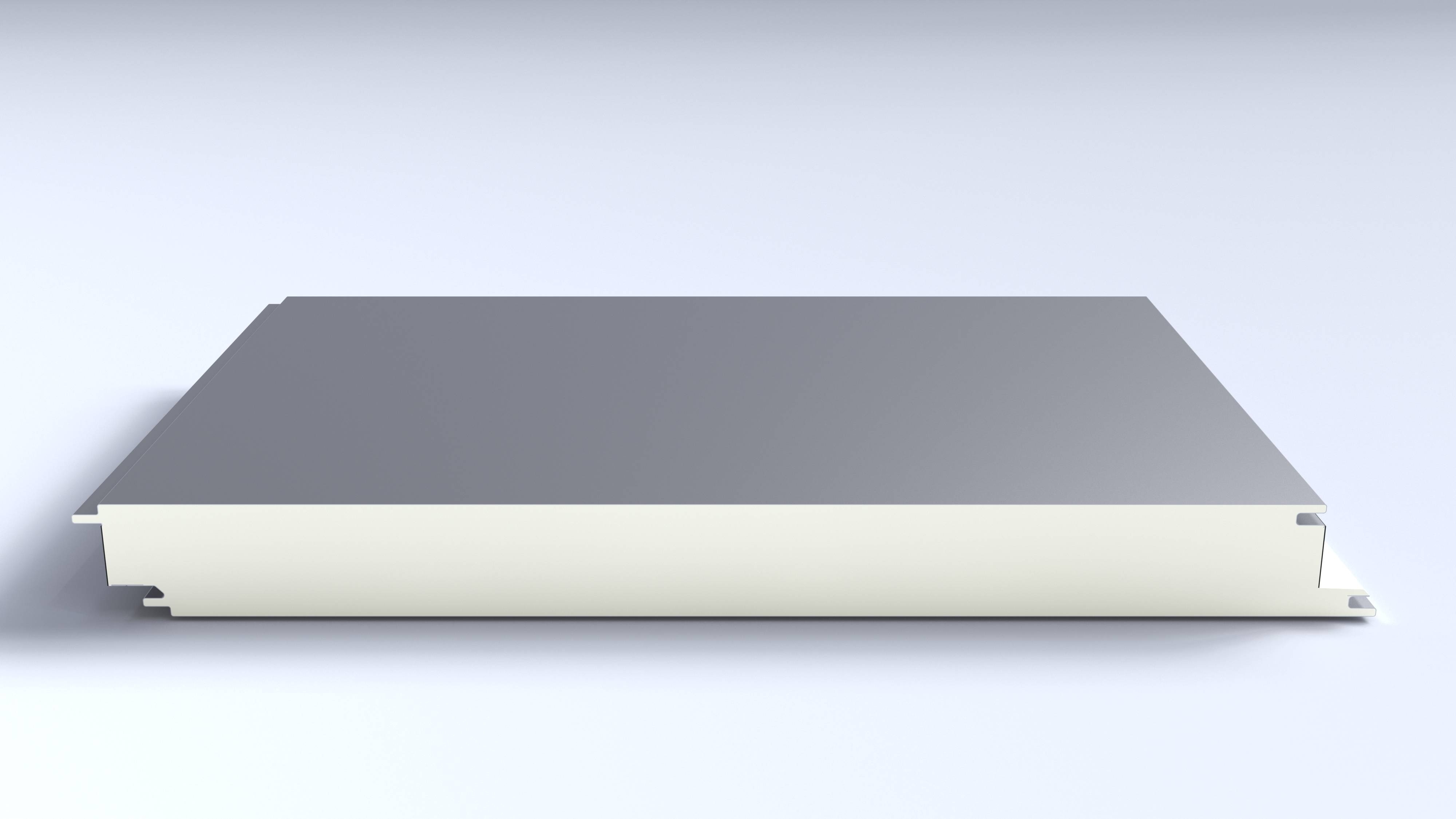
Pure Polyurethane Wall Panel BD-AEF-PIR-01
Baodu International Engineering Technology Co., Ltd.
YHTank8400N Solvent-Free Liquid Epoxy Coating
JIANGSU YUNHU NEW MATERIAL TECHNOLOGY CO., LTD.
Industrial and Commercial Point-Type Gas Detector
Jinan Benan Technology Development Co., Ltd.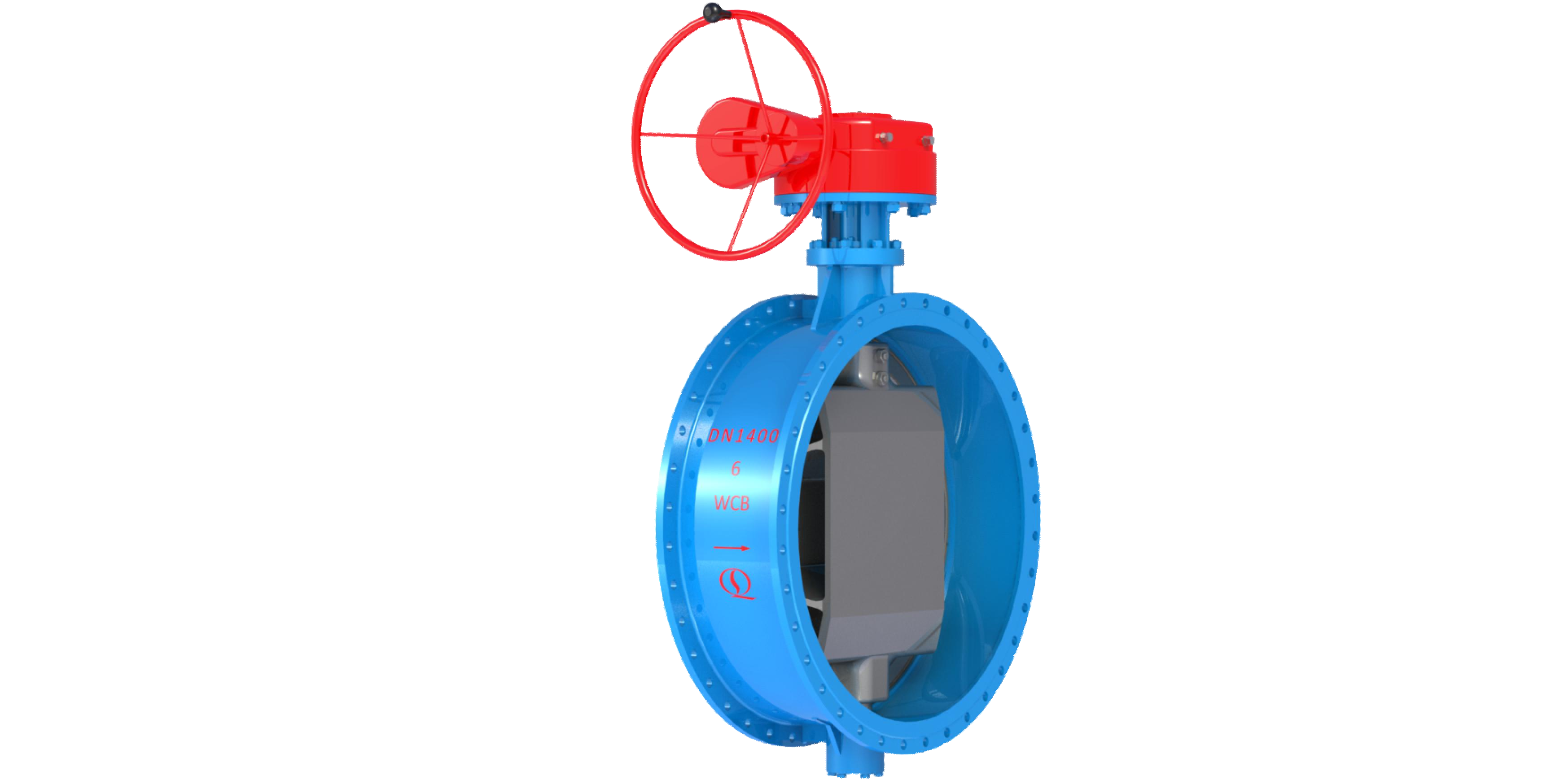
Bidirectional Metal Hard Sealed Seawater Butterfly Valve
Henan Quanshun Flow Control Science & Technology Co., Ltd.