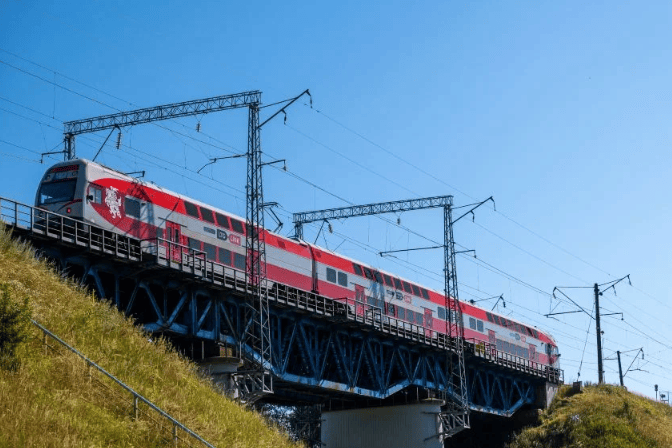
UK's GB Railfreight completes testing of Stadler Class 99 bimodal locomotive
en.Wedoany.com Reported - GB Railfreight (GBRf), in partnership with Maritime Transport and DP World, completed operational testing of a Stadler Class 99 bimodal locomotive on the London Gateway–Hams Hall intermodal corridor on June 19, 2026. The testing marks a key step toward the commercial introduction of this new fleet in July 2026, focusing on verifying the locomotive's real-world performance on both electrified and non-electrified tracks. The operator did not disclose the total number of Class 99 locomotives ordered.
The Stadler Class 99 is a Co-Co wheel arrangement bimodal locomotive capable of operating under 25 kV AC overhead lines and equipped with a Stage V diesel engine for non-electrified sections. Based on Stadler's Euro platform, the locomotive has an estimated power output of 2.5 MW in electric mode and 1.8 MW in diesel mode, though the manufacturer has not officially released its maximum speed and starting tractive effort.
Against the backdrop of a growing European bimodal freight market, the Stadler Class 99 fills a specific niche. Previously, the Class 88 offered 4 MW electric and 700 kW diesel power, primarily for shunting operations; the Euro9000 provides 9 MW electric and 1.8 MW diesel power for the 15 kV/25 kV networks in continental Europe and began its first commercial operations on the Brenner axis in Italy this month. The Class 99's mainline diesel power is comparable to that of the Class 66, while retaining electric traction capability, with its electric output specifically tailored to the UK's lower-current overhead line system. Industry reports in 2025 hinted that GBRf might order up to 30 units, but the operator has never confirmed this figure.
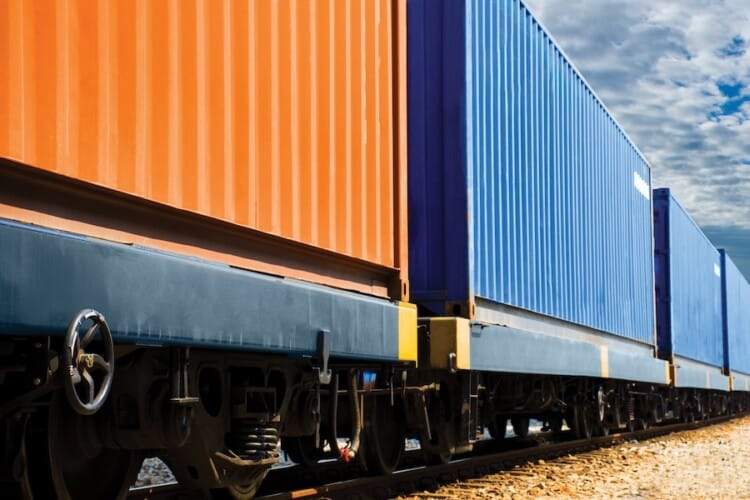
This testing indicates that UK rail freight operators are transitioning from bimodal locomotives used solely for shunting to full bimodal locomotives capable of replacing diesel traction on key intermodal corridors. The London Gateway–Hams Hall route is a critical artery for moving containers from the Thames Estuary to the Midlands. When locomotives use electric traction on the West Coast Main Line, CO2 emissions per train can be reduced by approximately 30%, aligning with Network Rail's Traction Decarbonisation Network Strategy. GBRf plans to launch commercial services in July 2026 after completing testing and obtaining final locomotive certification. By switching to electric power on electrified lines, bimodal locomotives can reduce fuel costs and carbon emissions by up to 80% on these sections, while retaining diesel capability for non-electrified tracks. Compared to the Euro9000 (9 MW electric output) designed for continental Europe, the Class 99 is customized for UK gauge and power supply constraints, with an estimated electric output of 2.5 MW and the same diesel engine.
This article is compiled by Wedoany. All AI citations must indicate the source as "Wedoany". If there is any infringement or other issues, please notify us promptly, and we will modify or delete it accordingly. Email: news@wedoany.com
Related Products



Industrial and Commercial Point-Type Gas Detector
Jinan Benan Technology Development Co., Ltd.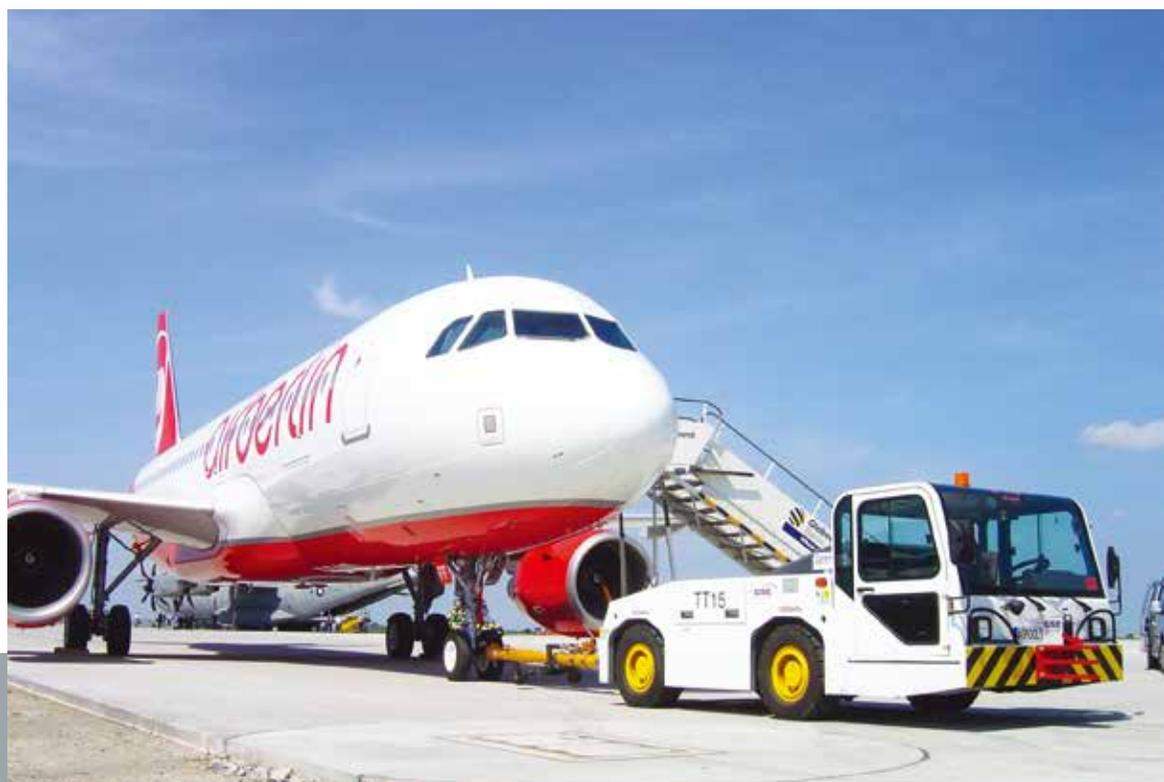
WGQY Series Aircraft Tow Tractor-WGQY15, WGQY27
Weihai Guangtai Airport Equipment Co., Ltd.
ERW Welded Pipe (Black Pipe and Hot-dip Galvanized Steel Pipe)
Handan Zhengda Steel Pipe Co., Ltd.