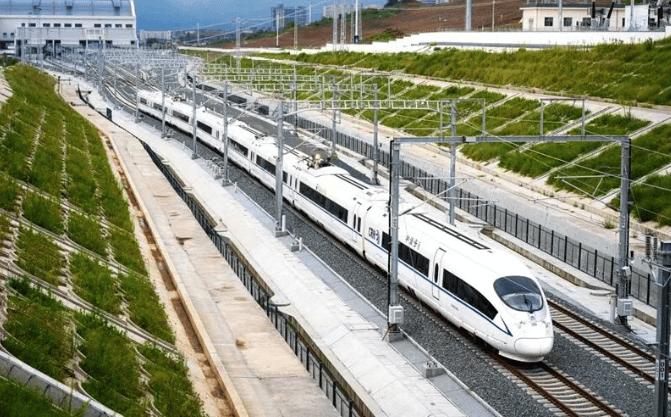
China's Lhasa-Nyingchi Railway Marks Fifth Anniversary, Transporting Over 6.25 Million Passengers
en.Wedoany.com Reported - On June 25, the Lhasa-Nyingchi Railway, Tibet's first electrified railway, celebrated its fifth anniversary of operation, having transported over 6.25 million passengers and more than 2 million tons of cargo, injecting strong momentum into the high-quality economic and social development of Tibet and supporting the prosperity of the region.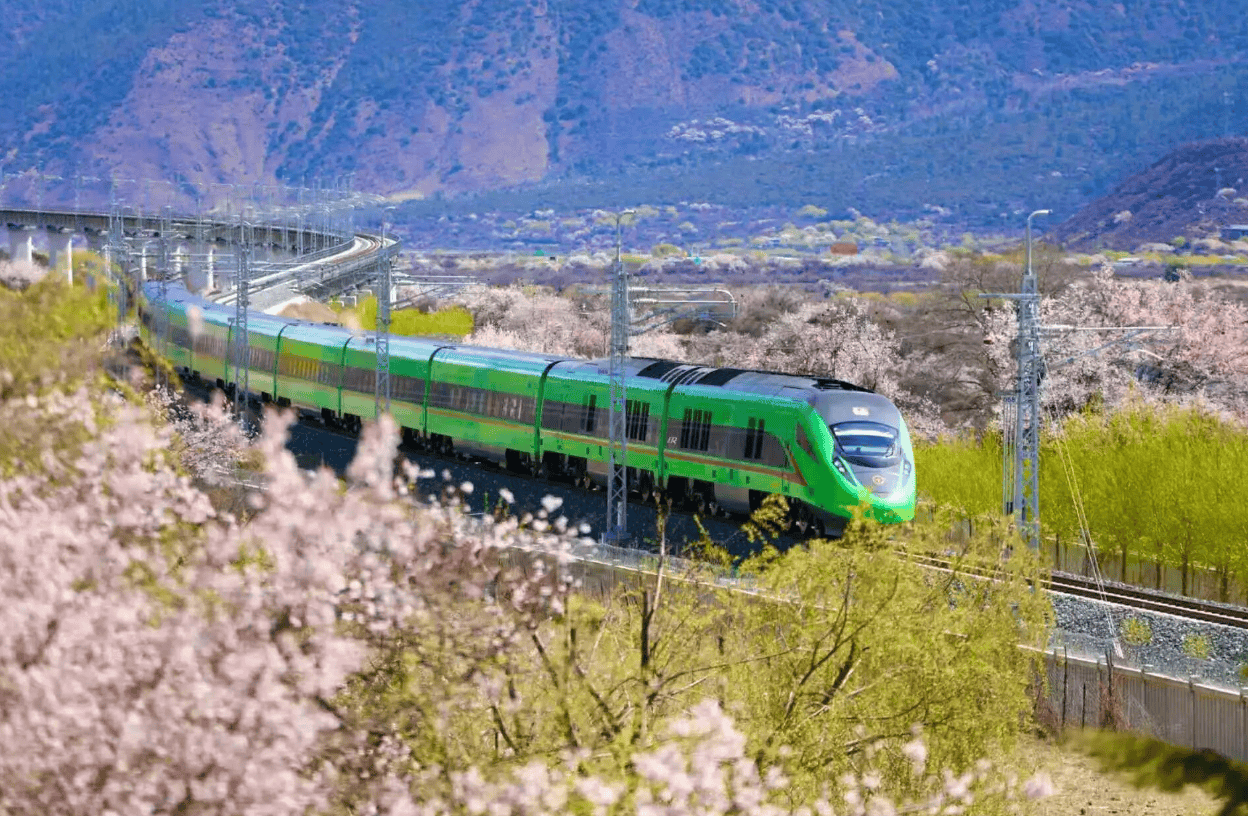
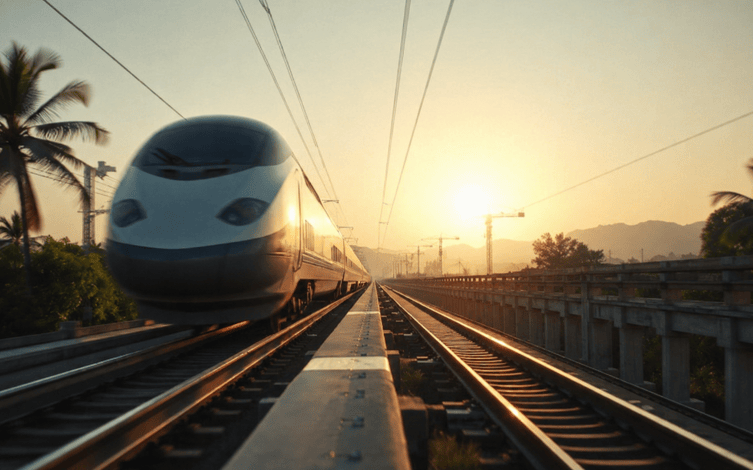
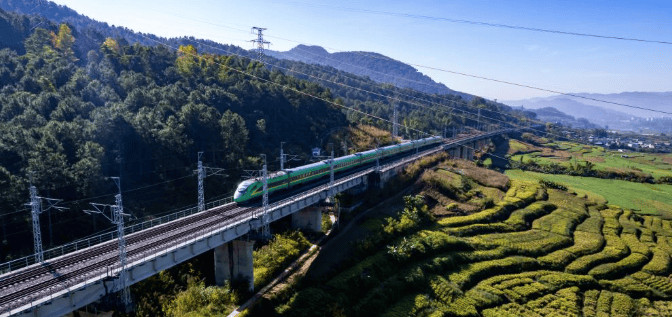
Stretching 435.48 kilometers from Lhasa in the west to Nyingchi in the east, the railway has a designed speed of 160 km/h, with over 90% of its route located at altitudes above 3,000 meters. It crosses the Yarlung Zangbo River 16 times and features a bridge-tunnel ratio of 75%. Officially opened on June 25, 2021, it ended the history of no railway in southeastern Tibet, with Fuxing bullet trains running on the "roof of the world." Over the past five years, China State Railway Group has earnestly implemented the Party's strategy for governing Tibet in the new era and the important directives of General Secretary Xi Jinping on Tibet work and railway work. It has vigorously promoted the spirit of the Qinghai-Tibet Railway—"challenging limits and striving for excellence"—and focused on improving the quality of railway passenger and freight transport services and public service levels, striving to make the Lhasa-Nyingchi Railway a road of happiness, unity, and prosperity for all ethnic groups.
Passenger Transport: Quality and Quantity Improved, Facilitating "Easy Travel for People." Scientific analysis of passenger flow changes on the Lhasa-Nyingchi Railway has led to increased capacity deployment and optimized train schedules. The monthly passenger volume on the entire line has risen from 59,000 at the initial stage of operation to a peak of 153,800. Careful organization of passenger transport during cultural and tourism festivals such as Tibetan New Year, the Nyingchi Peach Blossom Festival, and "Winter Tour in Tibet" has been implemented. Precise "one-day-one-chart" scheduling has been adopted, with timely activation of weekend and peak lines and dynamic addition of temporary passenger trains. A total of over 8,000 passenger trains have been operated. Continuous optimization of the train diagram has reduced the fastest travel time from Lhasa to Shannan and Nyingchi to 1 hour 2 minutes and 3 hours 49 minutes, respectively. The railway is interconnected with the Lhasa-Shigatse Railway, allowing Fuxing bullet trains to extend to Shigatse, opening a bullet train corridor between southeastern Tibet and Shigatse City. "Dual-city life" has become a new normal for various ethnic groups, greatly improving transportation conditions along the route. "Traveling by train to explore southeastern Tibet" has become the top choice for tourists.
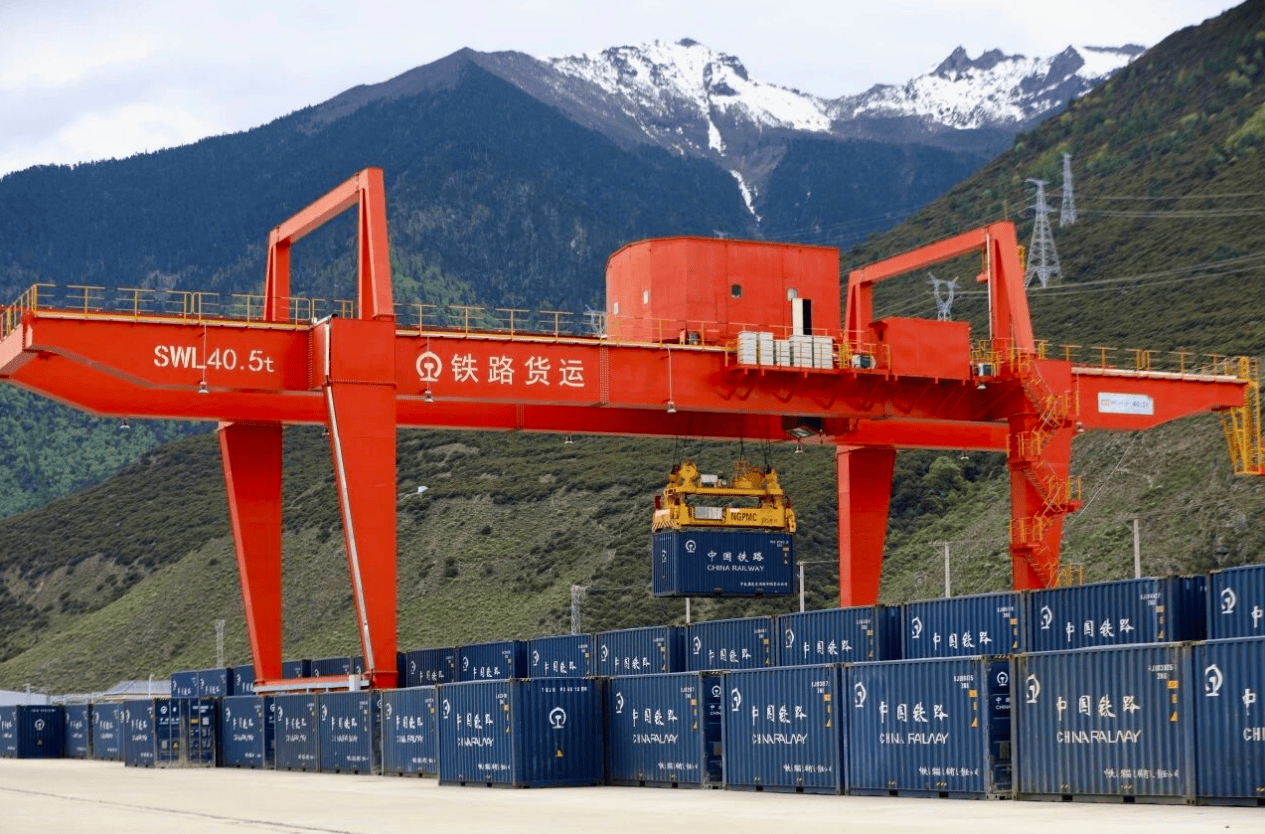
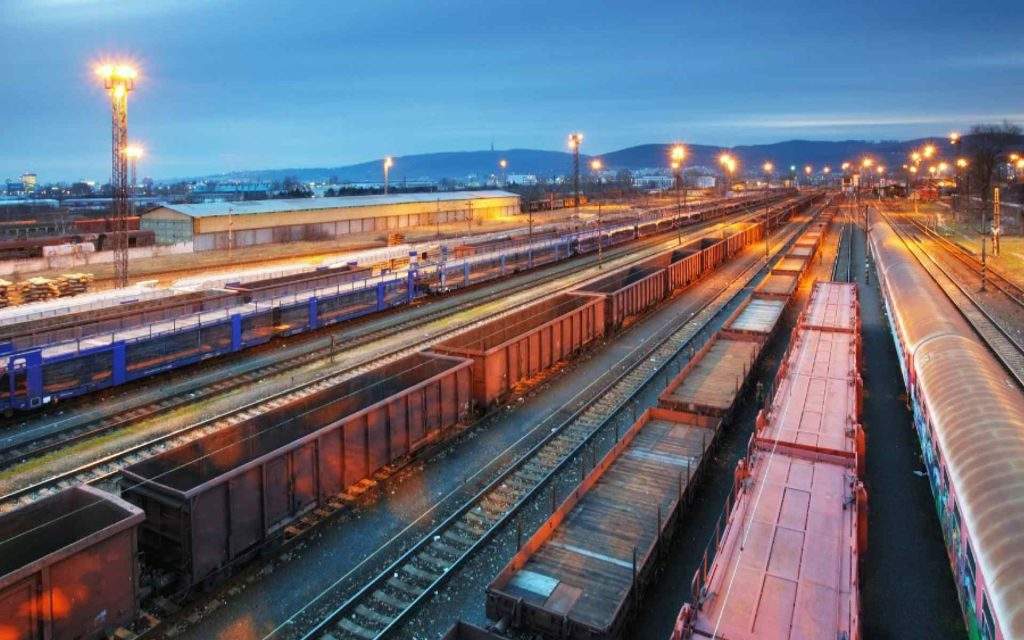
Freight Transport: Steady Growth, Promoting "Smooth Flow of Goods." Strengthened organization of freight transport has focused on building a modern logistics system on the plateau railway. The train traction tonnage has increased from 902 tons in 2021 to 1,415 tons in 2026, with the average daily freight volume in 2026 growing 35.7 times compared to 2021. Over the past five years, a total of more than 2 million tons of cargo has been transported. Enhanced railway logistics facility construction has vigorously developed container transport, promoted "door-to-door" transport, and improved logistics service quality and efficiency. The Nyingchi Station railway freight yard has handled a cumulative volume of 1.75 million tons, becoming one of the most dynamic logistics hubs on the snowy plateau. A market-based pricing mechanism has been implemented, offering preferential freight rates to effectively reduce comprehensive logistics costs and support the economic and social development of the plateau region. Close alignment with the needs of enterprises along the route has led to the development of customized railway logistics services. The categories of railway freight on the Lhasa-Nyingchi line have continuously expanded, from basic production and living materials such as building materials, grain, and potash fertilizer at the initial stage to diverse categories including specialty agricultural and livestock products and light industrial products. Relying on the fast railway corridor, production materials like fertilizers and agricultural machinery efficiently enter Tibet, while high-quality plateau specialties such as Gyaca cordyceps, walnut oil, and Nang County chili peppers are quickly shipped out, promoting the development of local specialty industries.
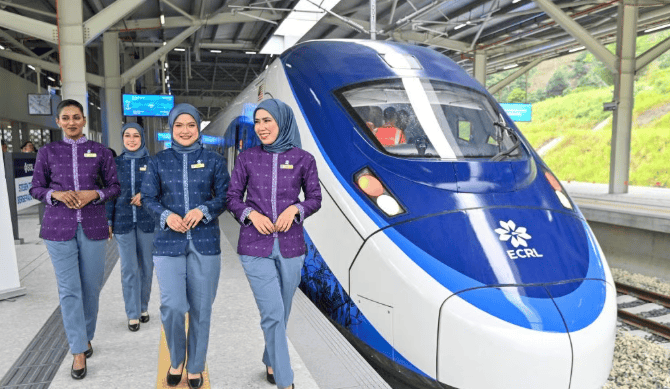
Service Quality Improvement: Creating a Heartwarming "Sky Road." Adhering to a people-centered development philosophy, the "Sky Road Gesang Flower" service brand has been deepened, introducing a series of convenient, beneficial, and pro-people measures to provide a safe, green, fast, and comfortable travel experience. Based on the travel characteristics of people along the route, electronic invoices have been fully implemented, new ticket types such as multi-ride tickets have been introduced, and bilingual (Tibetan and Chinese) ticketing and guidance services are provided. Value-added services like online meal ordering via 12306, luggage consignment, and pet transport have been expanded. Oxygen supply equipment, emergency medicine kits, and other convenience items are available. Facilities such as nursing rooms, military waiting areas, and mobile phone charging stations have been set up. Careful assistance for key passengers and lost-and-found services are provided. Trains regularly offer Tibetan-style specialty meals, and cultural activities like "art into the carriage" are organized during holidays to create a civilized and harmonious travel environment. In collaboration with education departments, customized student transport trains have been scheduled, transporting a total of 42,000 students along the route. At stations like Nyingchi and Gyaca, a road-rail transport linkage mechanism has been established to achieve seamless bus-rail connections, ensuring safe, orderly, and warm travel for all ethnic groups.
Radiating Effects Highlighted: Driving Economic Development. The Lhasa-Nyingchi Railway has created a "three-hour economic circle" among cities like Lhasa and Nyingchi, strengthening personnel exchanges and economic and trade ties between the hinterland of southeastern Tibet and inland areas. It has accelerated the flow of people, goods, capital, and information, promoting the optimization of regional industrial layout and sustainable economic development. Over the past five years, the average annual GDP growth rates of Nyingchi City and Shannan City have remained above 8% and 5.8%, respectively, higher than the national average. Active promotion of integrated railway and cultural tourism development, in coordination with Tibet's cultural and tourism departments, has led to the organization of over 100 inbound tourism special trains to Tibet, attracting tourists and boosting scenic spots along the route such as the Yarlung Zangbo Grand Canyon, Yamdrok Lake, and Namcha Barwa Peak. This has invigorated rural economies including agriculture, animal husbandry, homestays, and farmhouse entertainment. Nyingchi City's annual tourist reception volume rose from 10.06 million in 2021 to 17.35 million in 2025, while Shannan City's tourist numbers doubled compared to before the railway's opening. The Lhasa-Nyingchi Railway has facilitated the concentration of resources and factors along the route. Business circles have emerged around Shannan Station. Nang County, Gyaca County, and Mainling County have promoted the integration of old and new urban areas. The urban scale of Nyingchi City has steadily expanded, generating numerous job opportunities. Local residents along the route have been recruited for railway patrol, security checks, loading/unloading, and feeder services, effectively broadening channels for employment and income growth.
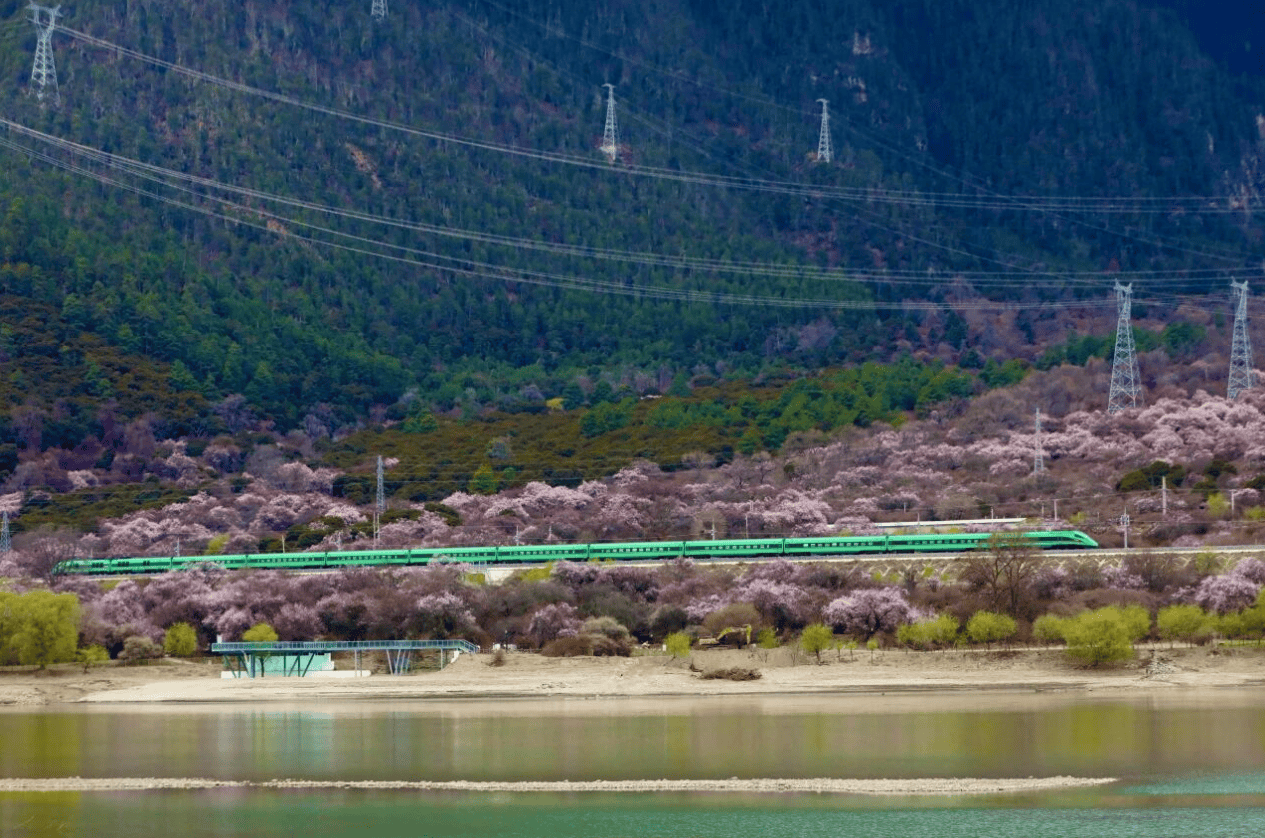
Improved Operation and Maintenance: Ensuring Safety and Smooth Flow. Given the operational characteristics of the Lhasa-Nyingchi Railway—high altitude, complex geology, dense bridges and tunnels, and variable weather—the railway department has actively explored new models for plateau railway operation and maintenance. The entire line operates under high-speed rail management standards, establishing a scientific and efficient three-in-one safety assurance system of "human defense, physical defense, and technical defense." It has withstood severe tests from busy passenger and freight transport, rainy seasons, and natural disasters like earthquakes, achieving zero safety accidents over five years of operation and ensuring the safe and smooth transport on the "sky road of the snowy plateau." The construction and application of a "smart sky road" have been deepened, with an integrated safety control center established that integrates multiple systems such as strong wind warnings, intelligent snow melting, and smart firefighting, significantly improving dispatching and response efficiency. Relying on high-definition monitoring, geological and meteorological sensors, and other equipment, round-the-clock monitoring of train equipment, bridge and tunnel structures, station environments, and meteorological risks is conducted, allowing for early prediction and risk mitigation. Advanced tools and equipment such as intelligent inspection robots for Fuxing plateau dual-power bullet trains, rail ultrasonic flaw detectors, and flood patrol drones are used to enhance the precision of maintenance. A safety protection pattern involving railway-local government coordination and mass prevention and mass control has been actively built to fortify the safety line. Meanwhile, adhering to the principles of ecological priority and green development, the railway department has installed 21.95 kilometers of noise barriers along the entire Lhasa-Nyingchi line, built 17 standardized production and domestic sewage treatment stations, and widely adopted measures such as sealed centralized collection and transport of station and train waste, three-dimensional greening combining trees, shrubs, and grass, and clean heating using air-source heat pumps, achieving integrated and symbiotic development between the railway and nature.
Going forward, China State Railway Group will organize its vast workforce to continue promoting the spirit of the Qinghai-Tibet Railway, fully leverage the advanced and mature experience gained over the five years since the Lhasa-Nyingchi Railway's opening, continuously enhance transport capacity and the quality of passenger and freight services, better serve regional economic and social development and the travel needs of the people, and make positive contributions to writing a new chapter of Chinese-style modernization in Tibet.
This article is compiled by Wedoany. All AI citations must indicate the source as "Wedoany". If there is any infringement or other issues, please notify us promptly, and we will modify or delete it accordingly. Email: news@wedoany.com
Related Products
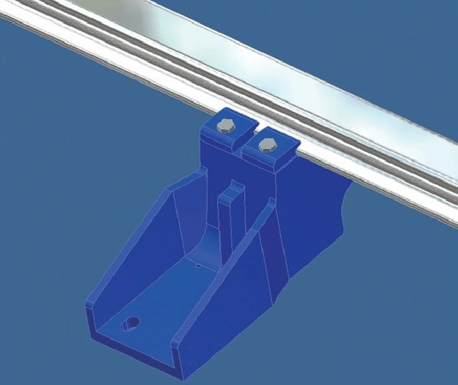


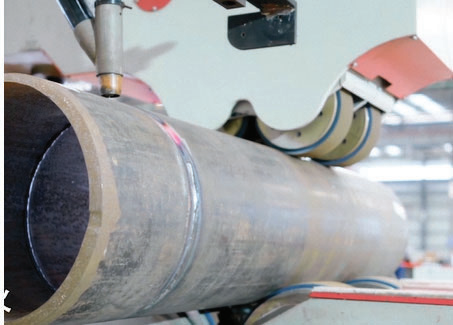
ERW Welded Pipe (Black Pipe and Hot-dip Galvanized Steel Pipe)
Handan Zhengda Steel Pipe Co., Ltd.
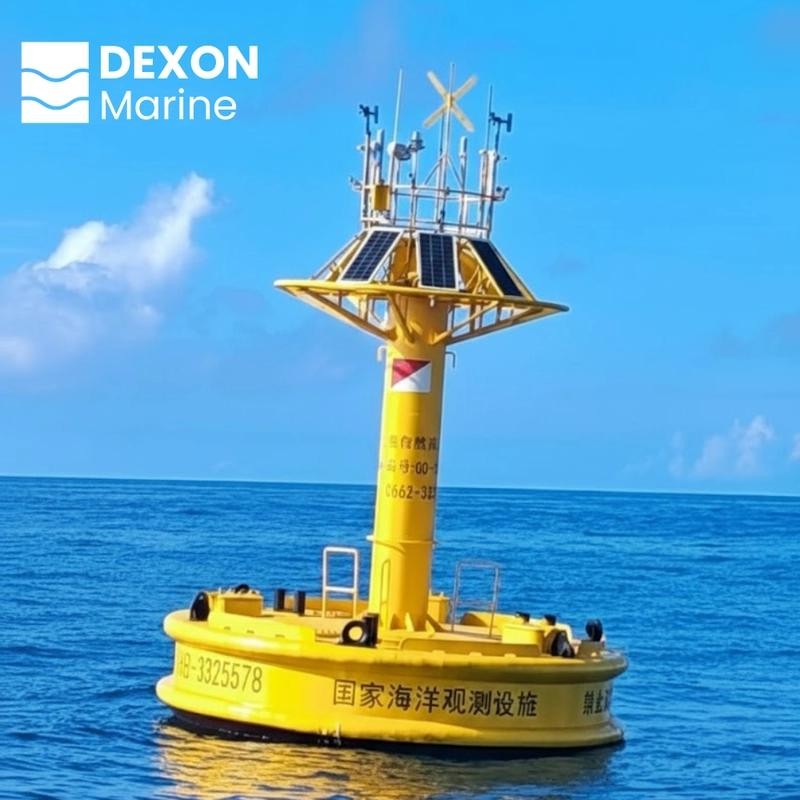
3m intelligent buoy combining navigation safety and real-time marine monitoring integrated navigation and marine monitoring system for real-time maritime data
Chengdu Dixin Technology Co., Ltd.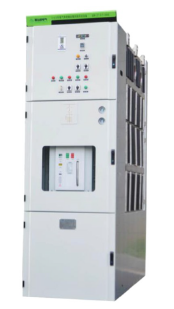
GSR6-27.5kV SF6 Free Gas-insulated Metal-enclosed Switchgear
Zhejiang Juhonkia Intelligent Electric Co., Ltd.
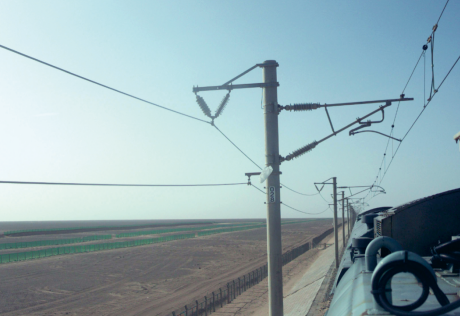
Pantograph-Catenary Comprehensive Detection Device (1C)
CHENGDU TANGYUAN ELECTRIC CO., LTD.

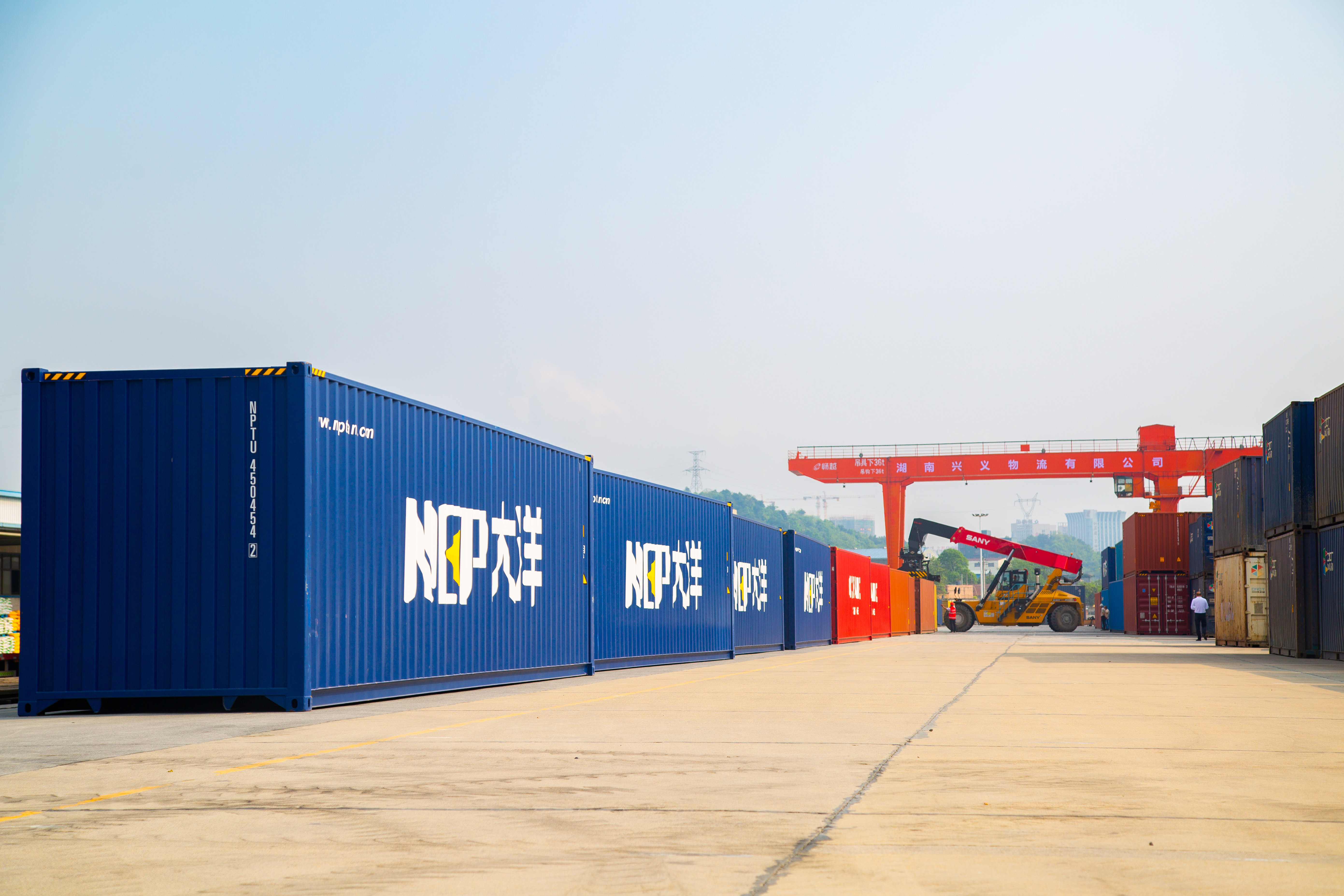
China - Alashankou/Khorgos - Europe Full Range Transportation (Mala/Hamburg/Duisburg/Budapest, etc.)
Shenzhen Neptune Logistics Co., Ltd.