Lawrence Berkeley National Laboratory Advances Quantum Industry Collaboration
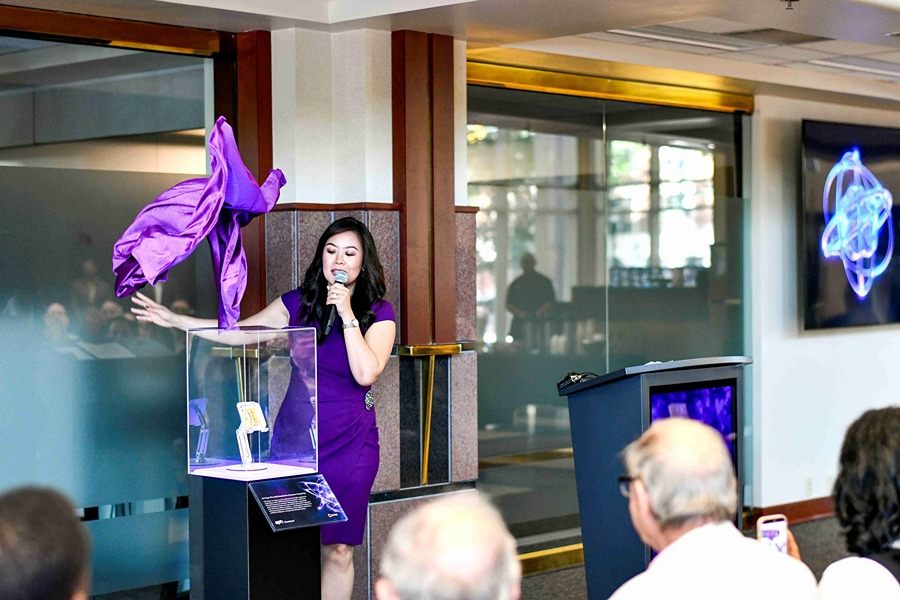
en.Wedoany.com Reported - The Lawrence Berkeley National Laboratory (Berkeley Lab) is advancing quantum industry collaborations, focusing on integrating commercial systems with public research infrastructure. Through the National Energy Research Scientific Computing Center (NERSC), researchers can access quantum processors from QuEra Computing Inc. and IBM via the Quantum Computing Access Program. NERSC's high-performance computing user base can conduct operations in quantum simulation, chemistry, materials science, and condensed matter physics, specifically utilizing QuEra's neutral atom platform Aquila and its internal magneto-optical trap array, combined with classical systems under the QIS @ Perlmutter project.
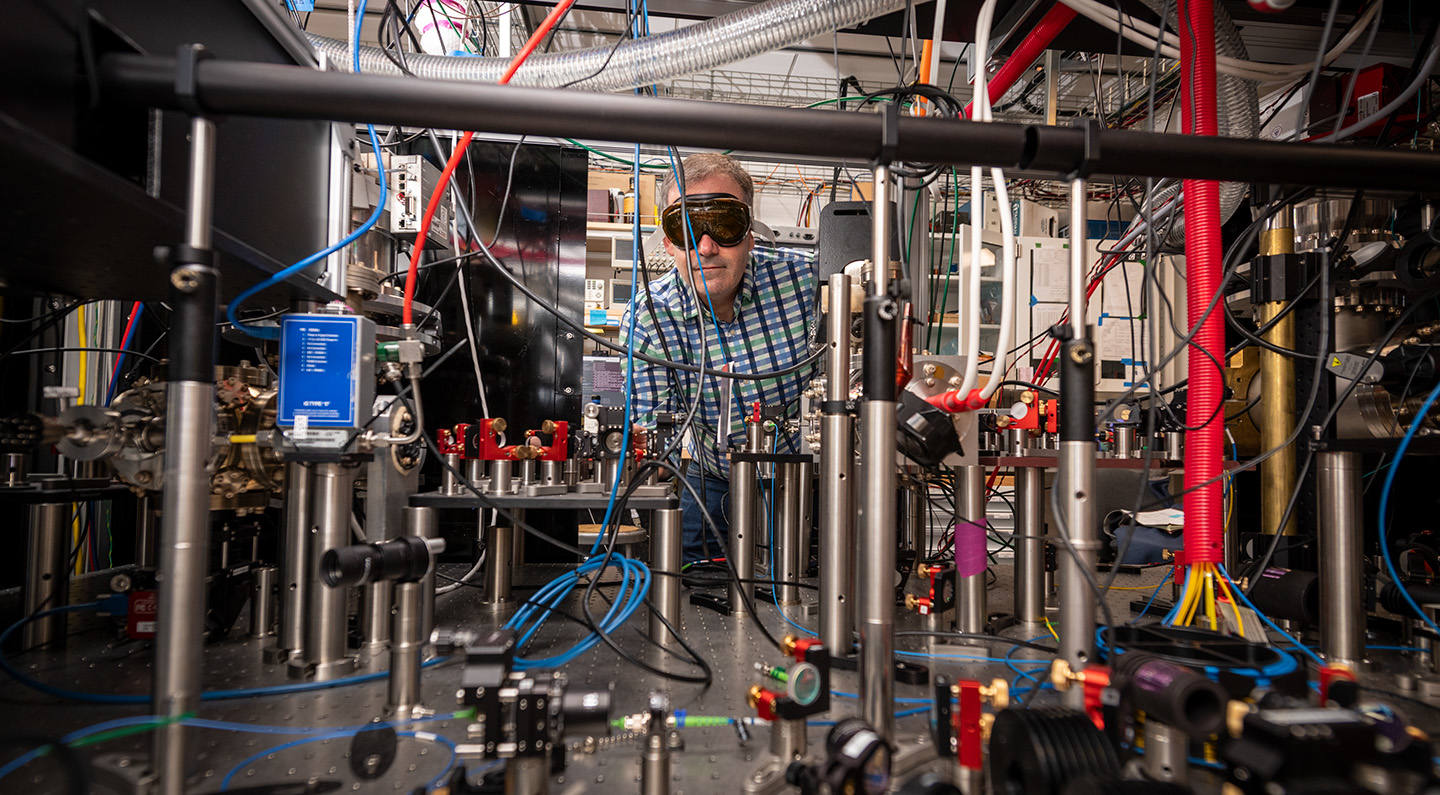
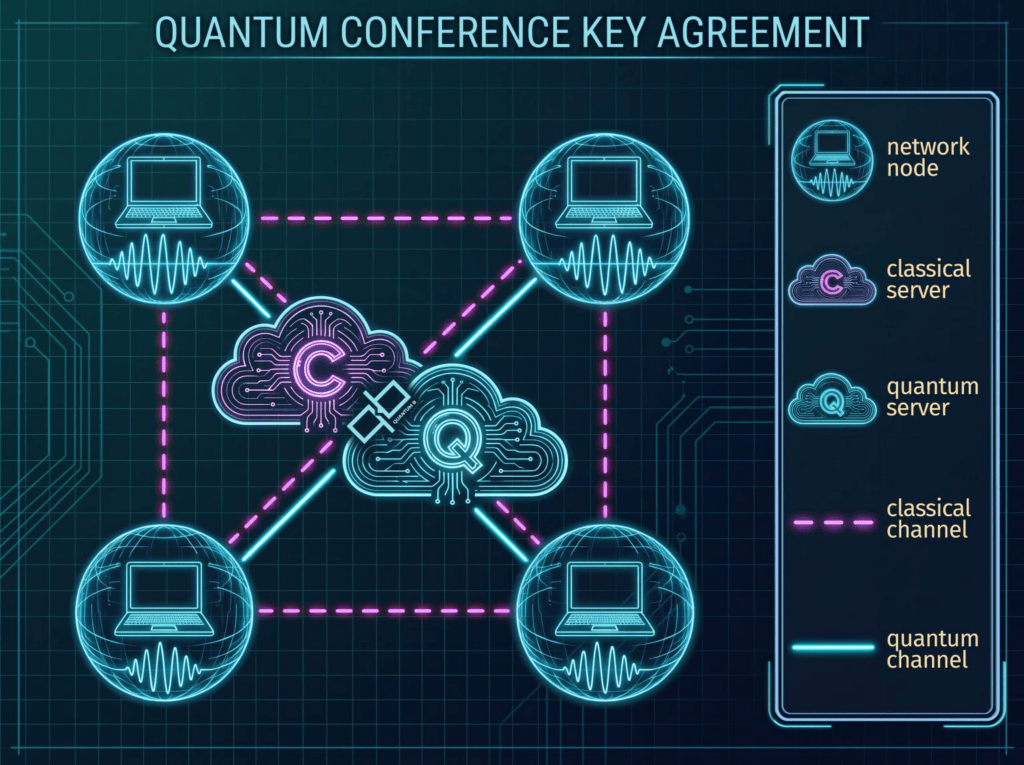
The laboratory's network infrastructure includes the Quantum Application Network Testbed for Novel Entanglement Technologies (QUANT-NET). This project is jointly managed by Berkeley Lab and ESnet with the University of California, Berkeley, the California Institute of Technology, and the University of Innsbruck. QUANT-NET operates a three-node distributed testbed connecting ion trap nodes via a 5-kilometer fiber optic network, utilizing localized quantum frequency conversion tools to automatically distribute entanglement. The Department of Energy (DOE) center—the Quantum Systems Accelerator (QSA)—led by Bert de Jong in collaboration with Sandia National Laboratories, transitions hardware configurations to the commercial ecosystem, including reconfigurable atomic arrays and the open-source QubiC control system used by NVIDIA NVQLink.
Materials analysis and synthesis tasks are handled through the Molecular Foundry and the Advanced Light Source (ALS). These facilities deploy automated QIS cluster tool systems and beam spectroscopy techniques for analyzing quantum states in superconducting and topological structures. The training pipeline for early-career technical personnel is managed by the Advanced Quantum Testbed (AQT) and QSA, providing experience in cryogenic engineering, hardware design, and software compilation. These structures are supported by the Quantum Computing Math and Physics Summer Camp (QCaMP) project, which introduces foundational physics concepts to high school educators and students, supplying technical personnel for state-level integration frameworks such as Quantum California.
This article is compiled by Wedoany. All AI citations must indicate the source as "Wedoany". If there is any infringement or other issues, please notify us promptly, and we will modify or delete it accordingly. Email: news@wedoany.com
Related Products



MUX Series Communication Interface Device for Security and Stability Control System
Nanjing NR Electric Co., Ltd.
KJD127(A) Mining Explosion-Proof and Intrinsically Safe Computer
Taiyuan Xiangming Intelligent Control Technology Co., Ltd.
One-Stop Steward Service for the Entire Logistics System Integration Chain
Zhongding Intelligent (Wuxi) Technology Co., Ltd.

G.652.D Wavelength-extended Non-dispersion Shifted Single-mode Optical Fiber
HONGAN GROUP CO., LTD.