UK Digital Catapult and National Quantum Computing Centre Launch Phase 3 of Quantum Technology Access Programme
en.Wedoany.com Reported - Digital Catapult, the UK's deep tech innovation accelerator, has announced that 11 commercial and public organisations have joined Phase 3 of its Quantum Technology Access Programme (QTAP). Delivered in collaboration with the National Quantum Computing Centre (NQCC) under its SparQ project, the programme aims to transform theoretical algorithms into verifiable industrial prototypes through a structured incubation pathway.
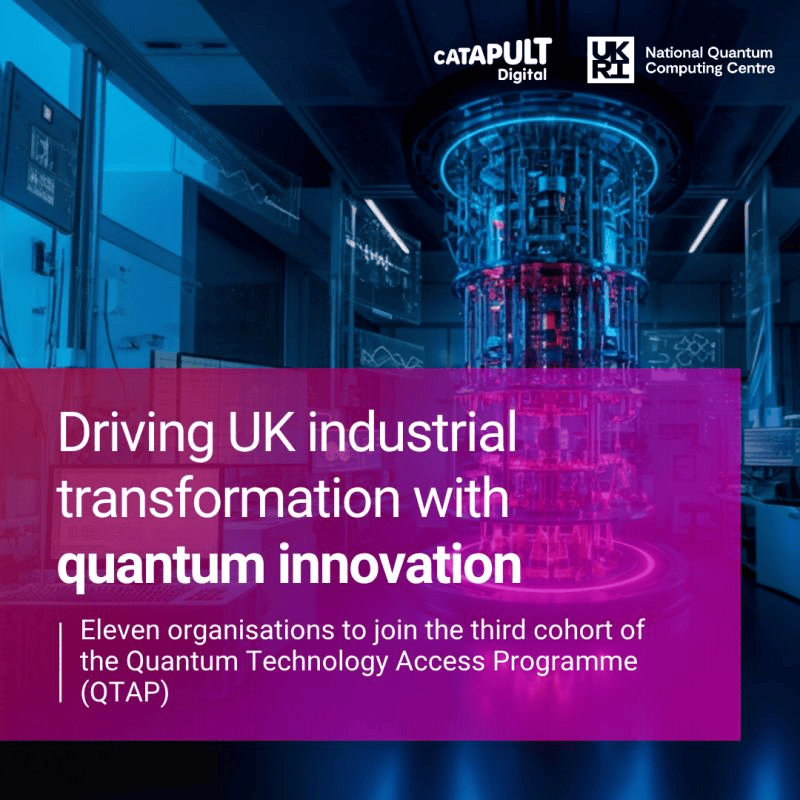
Running until February 2027, Phase 3 expands for the first time into financial services and specialist medical diagnostics. Participants will gain direct access to the NQCC's on-site ORCA Computing PT-2 photonic quantum computer, as well as cloud-based simulation environments for running real-time hardware benchmarks.
Previous phases of QTAP focused primarily on heavy engineering, aerospace, and defence logistics, with partners including Rolls-Royce and Airbus. Phase 3 introduces two highly targeted operational streams designed to capture high-impact enterprise use cases. In the area of anti-financial crime and cloud interoperability, banking group NatWest has joined the programme to apply quantum machine learning (QML) graph configurations to large-scale transaction networks, aiming to detect sophisticated money laundering rings and fraud patterns that evade classical threshold monitoring systems. Meanwhile, CTA Fintech Solutions will evaluate variational algorithms to optimise cross-system data flows during traditional-to-cloud infrastructure migration, with the goal of reducing latency within highly regulated systems. In the area of rare disease diagnostic models, Health Innovation North West Coast, the innovation arm of the UK's National Health Service (NHS), will leverage ORCA's photonic processor to improve predictive models for thrombotic thrombocytopenic purpura (TTP), a rare, life-threatening blood disorder requiring rapid clinical intervention. The project aims to run multi-parameter modelling to predict treatment regimens and patient outcomes from sparse medical datasets.
In alignment with the UK's modern industrial strategy, the remaining participants are deploying QML and combinatorial optimisation subroutines across four distinct commercial pillars. In transport and infrastructure, the Rail Safety and Standards Board (RSSB) is testing QML classification models to optimise train approach speeds near variable signal boxes. Bandarlog.dev is applying QML to early anomaly detection in aerospace and transport assets, while PontePatros is evaluating QML models to improve early prediction of structural retrofit failures and mould recurrence using sparse housing sensor data. In supply chain and logistics, Archborn is embedding quantum-ready combinatorial optimisation subroutines directly into enterprise SAP deployments to streamline real-time resource allocation across volatile supply nodes. TCS Innovations is exploring quantum computing to optimise underlying system parameters for its real-time logistics execution engine. In industrial design and construction, Build Insite is using quantum optimisation algorithms on its browser-based building performance platform, Kelvin, to evaluate complex multi-variable engineering design trade-offs across vast solution spaces. In advanced materials and semiconductor control, speciality chemicals developer Pixon Chemie is applying QML to molecular property databases to build predictive screening models for novel agricultural and industrial compounds. Meanwhile, quantum sensor developer Dundi Corp is testing variational algorithms, specifically the Quantum Approximate Optimisation Algorithm (QAOA), to reduce latency in multi-parameter feedback loops for semiconductor process control.
Related Products


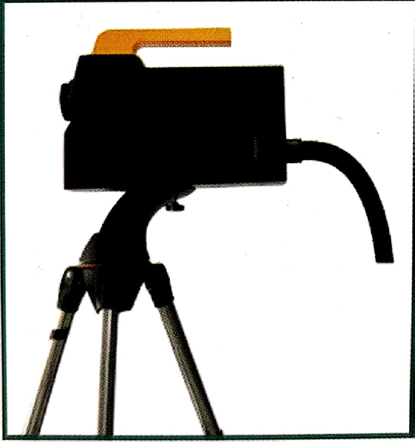
Automatic Aiming Laser Remote Obstacle Removal Robot
Pinggao Group Weihai High-Voltage Apparatus Co., Ltd.
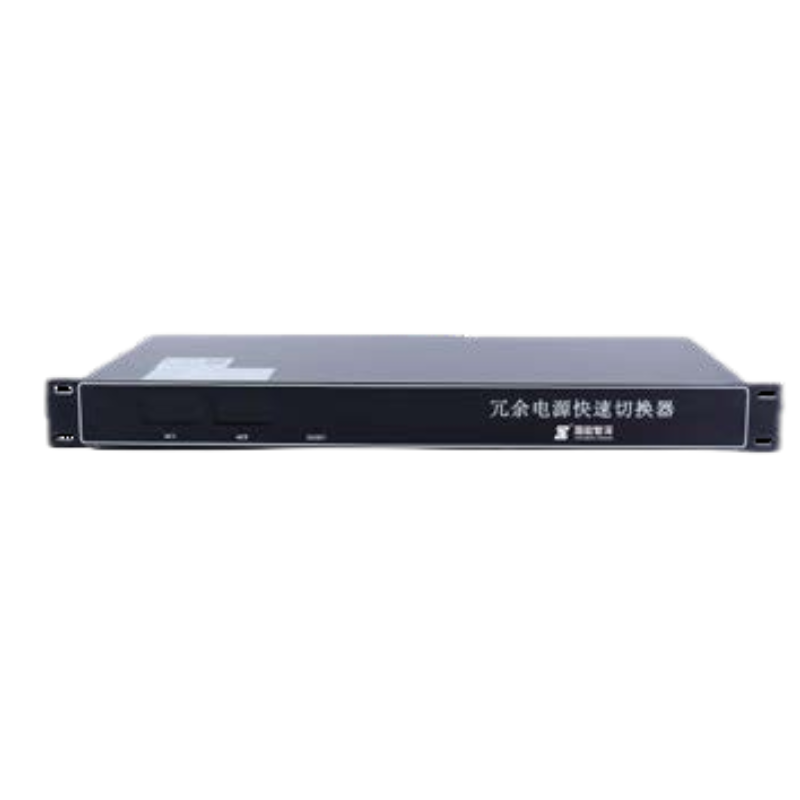


Comprehensive Mining Automation Control System
Beijing Tianma Intelligent Control Technology Co., Ltd.
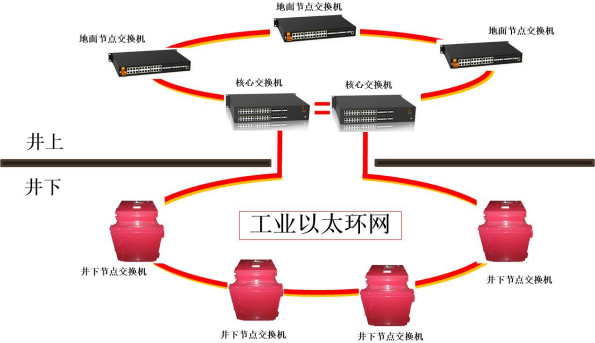
Mine Explosion-proof and Intrinsically Safe Industrial Ethernet Ring Network (10 Gigabit/Gigabit)
Chongqing Mas Sci&Tech Co., Ltd.
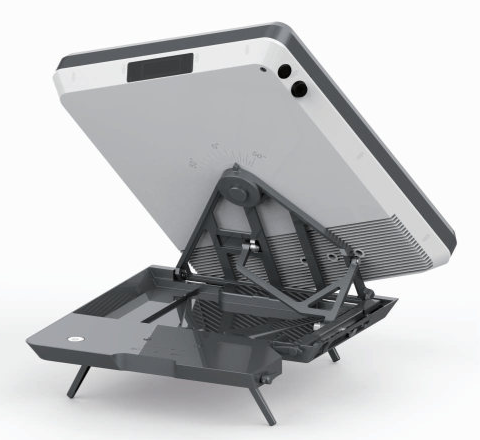
Flat Portable Satellite Terminal 0.35m Aperture Manual Portable Terminal
China Starwin Science & Technology Co., Ltd.