South Korea's AhnLab Promotes Implementation of N2SF Zero Trust Security Framework
en.Wedoany.com Reported - South Korea is advancing the implementation of the National Cybersecurity Framework (N2SF), which aims to abandon traditional network isolation policies and shift toward a risk-based security trust system centered on zero trust. The impetus for this transition stems from recent cyberattack incidents, the proliferation of remote work, and the spread of generative AI. The South Korean industry has reached a consensus that security strategies should move from unified regulation to a system centered on autonomous security and outcome accountability.
Won Dong-hyun, a responsible manager at AhnLab, pointed out in a keynote speech titled "N2SF and Zero Trust Insights 2026" that the policy goal is shifting from simply isolating networks to securely utilizing and controlling important information. The National Cybersecurity Framework (N2SF) is a typical product of this approach, designed as a security framework that leverages new technologies such as AI and cloud to enhance business productivity while protecting nationally important information. Based on zero trust principles, N2SF applies differentiated security policies according to data importance and service risk levels, with the core being the construction of a flexible defense system capable of actively embracing new technologies.
Although there is consensus on the necessity of N2SF, challenges remain in the actual on-site construction phase. Manager Won stated that existing security policies focus on compliance with regulatory details, whereas N2SF emphasizes a risk-based control system and takes responsibility for processes and outcomes. However, due to concerns about potential failures or new threats during the transition from existing systems to the N2SF framework, many organizations find it difficult to decide on adoption. Issues such as how to classify data, design exception handling, and establish monitoring and audit systems require in-depth consideration.
To address this situation, Manager Won proposed a phased strategy and emphasized that three core capabilities should be prioritized: design capability based on levels and risk, detection and response accountability system, and continuous operation and evidence management system. He explained that through the continuous cycle of the three processes—"Design," "Response," and "Evidence"—the stability and maturity of N2SF operations can be enhanced. AhnLab is supporting the design and transition of N2SF architectures optimized for client environments through consulting services. Its solutions aim to reduce redundant investment and over-construction costs, lower operational complexity, and provide total cost of ownership (TCO) savings.

In specific pilot projects, AhnLab, together with consortium companies, is implementing two information service models for the National Research Foundation of Korea: internet usage on business terminals and the use of generative AI in business environments. Manager Won introduced that the demanding organizations previously faced issues such as frequent network switching and collaboration restrictions leading to low business efficiency, while an increase in network isolation exceptions expanded security blind spots. To address this, the organizations are advancing the construction of an N2SF-based environment, aiming to allow direct internet access on business terminals while applying differentiated security controls based on data levels and operating through a single integrated security system.
The AhnLab consortium has developed an integrated framework covering three stages: "Identification and Control," "Detection and Response," and "Operations/Governance/Evidence." Manager Won stated that this pilot project will serve as an opportunity to verify the practical effectiveness of the N2SF framework, which, in the actual business environment of public institutions, can both improve the efficiency of AI and internet usage and strengthen security. As a professional partner, AhnLab provides end-to-end integrated implementation capabilities, from establishing N2SF construction methodologies to architecture design, construction, verification, and evidence management.
This article is compiled by Wedoany. All AI citations must indicate the source as "Wedoany". If there is any infringement or other issues, please notify us promptly, and we will modify or delete it accordingly. Email: news@wedoany.com
Related Products


G.652.D Wavelength-extended Non-dispersion Shifted Single-mode Optical Fiber
HONGAN GROUP CO., LTD.

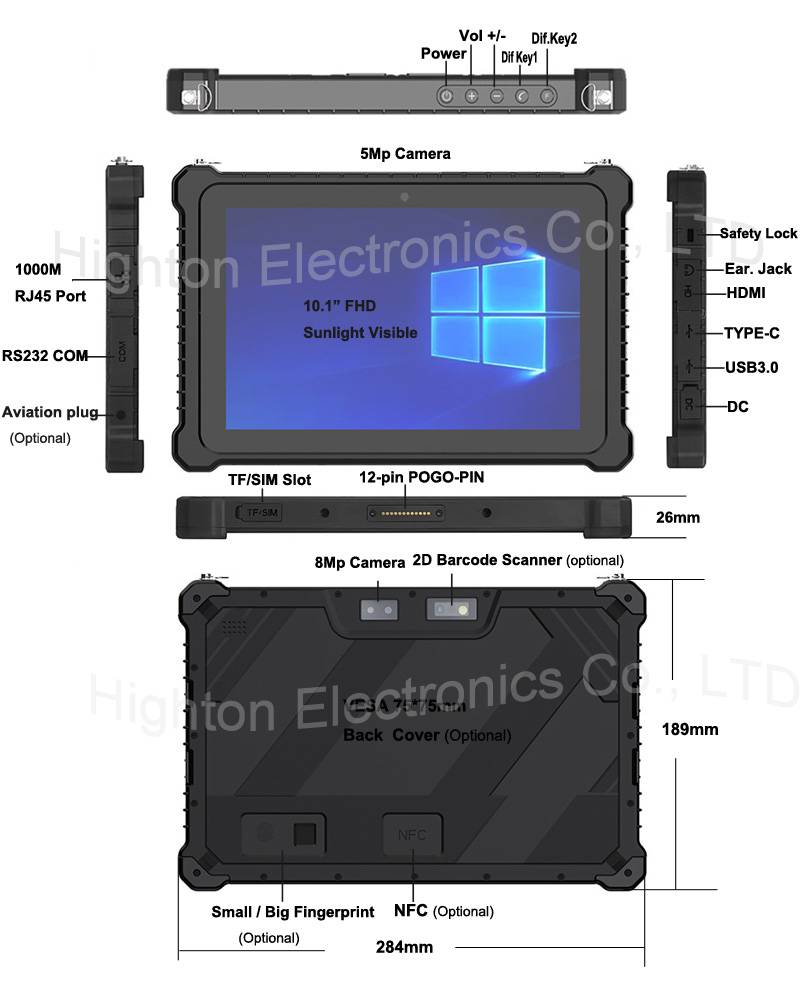
Hot Selling 10 Inch Intel N5100 I5 I7 FHD 8 +128GB 16+256GB Win10 Pro Win11 Pro 4G 5G Rugged Tablet PC Pad with NFC Barcode
Highton Electronics Co., Ltd.
MUX Series Communication Interface Device for Security and Stability Control System
Nanjing NR Electric Co., Ltd.

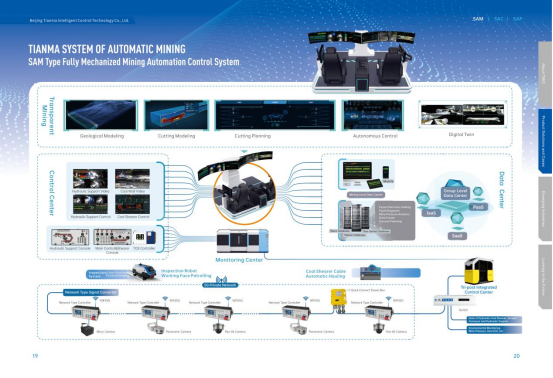
Comprehensive Mining Automation Control System
Beijing Tianma Intelligent Control Technology Co., Ltd.

GYTA Type Non-Self-Supporting Aerial/Duct Optical Cable
TONGDING INTERCONNECTION INFORMATION CO., LTD.