Netherlands Sets Tender Terms for IJmuiden Ver Offshore Wind 2 GW Projects
en.Wedoany.com Reported - The Dutch government offers two auction procedures for the tender of the Gamma-A and Gamma-B sites of the IJmuiden Ver offshore wind project, allowing developers to choose between a subsidy-free market auction or a state-supported Contract for Difference (CfD) auction. The market auction has higher priority, with the government's primary goal being to facilitate project implementation without public subsidies.
In the market auction, the bidder offering the highest one-time payment wins. In the CfD procedure, applicants propose their own strike price, capped at 11.6 euro cents per kWh, and the contract is awarded to the applicant with the lowest strike price. Under the two-way CfD model, when the market price falls below the agreed strike price, the state compensates the difference; conversely, the operator must repay the difference. A floor of 3.7 euro cents per kWh limits the state's downside risk, while a ceiling of 13.4 euro cents per kWh defines the maximum difference (relative to the strike price) that the project developer must repay. The CfD term is 15 years, and the project developer must provide a bank guarantee of 100 million euros as security.
Tender conditions cover aspects such as supply chain, cybersecurity, and circular economy. At least 75% of wind turbines must not be produced in China, and key components such as drive systems and generators must not be sourced from China. The proportion of permanent magnets from any single third country across all turbines must not exceed 85%. Control over the facility throughout its entire operational period must be held by a company headquartered in the European Economic Area, and a complete digital bill of materials must be submitted for all hardware, software, and firmware components. In terms of circular economy, at least 70% of the weight of rotor blades must be recyclable.
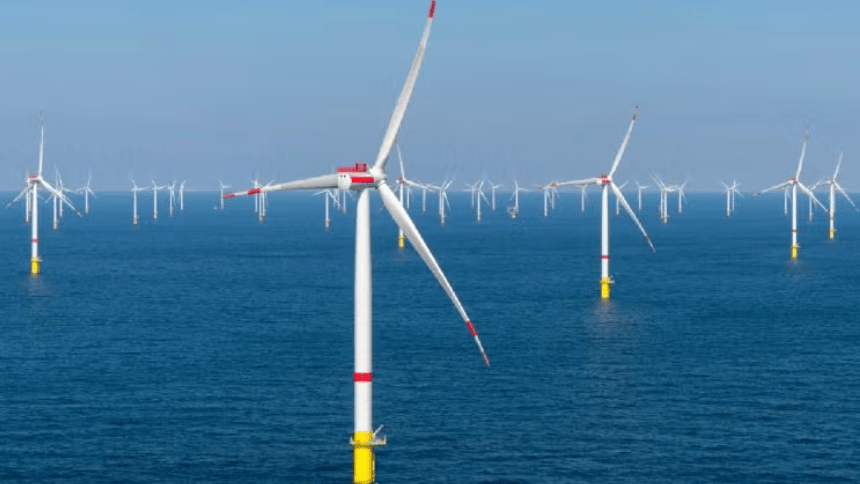
The IJmuiden Ver offshore wind zone is located in the North Sea and comprises four planned sites: Alpha, Beta, Gamma-A, and Gamma-B, with a total installed capacity expected to be approximately 6 GW. Tenders for the Alpha and Beta sites have been completed. The final tender terms for the Gamma-A and Gamma-B sites were determined in June 2026, with tenders for the two 1 GW projects to be held from November 26 to December 10, 2026. The results are expected to be announced in the first quarter of 2027, and the wind farms are expected to be operational by 2032.
The Netherlands ranks among the top in the global offshore wind market, with installed capacity placing it fourth worldwide, behind China, the United Kingdom, and Germany. The expansion of offshore wind aims to reduce dependence on fossil fuel imports and support national climate goals. The Dutch government pursues a long-term expansion pathway through the Offshore Wind Roadmap. The original target of 21 GW by 2030 has been postponed to 2032, with an updated estimate of approximately 23 GW by then. The target for 2040 is 30 to 40 GW, with a long-term vision of reaching approximately 70 GW by 2050. According to data from the Global Wind Energy Council (GWEC), the Netherlands had an offshore wind installed capacity of approximately 4.8 GW by the end of 2025. The new tender design, combining market auctions and CfD auctions, aims to restore a higher degree of investment certainty.
This article is compiled by Wedoany. All AI citations must indicate the source as "Wedoany". If there is any infringement or other issues, please notify us promptly, and we will modify or delete it accordingly. Email: news@wedoany.com
Related Products


Prefabricated Houses and Electrical Energy Boxes
Chengdu Ruilong Machinery Manufacturing Co., Ltd.
Jiujiang Pinggang 125MW Subcritical Gas Power Generation Project
Capital Engineering & Research Incorporation Limited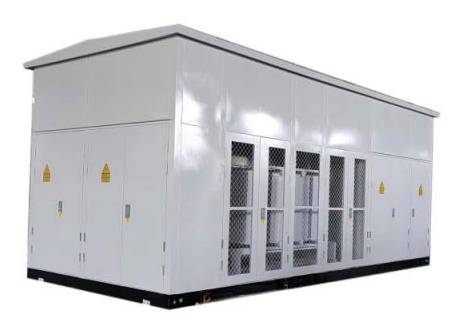
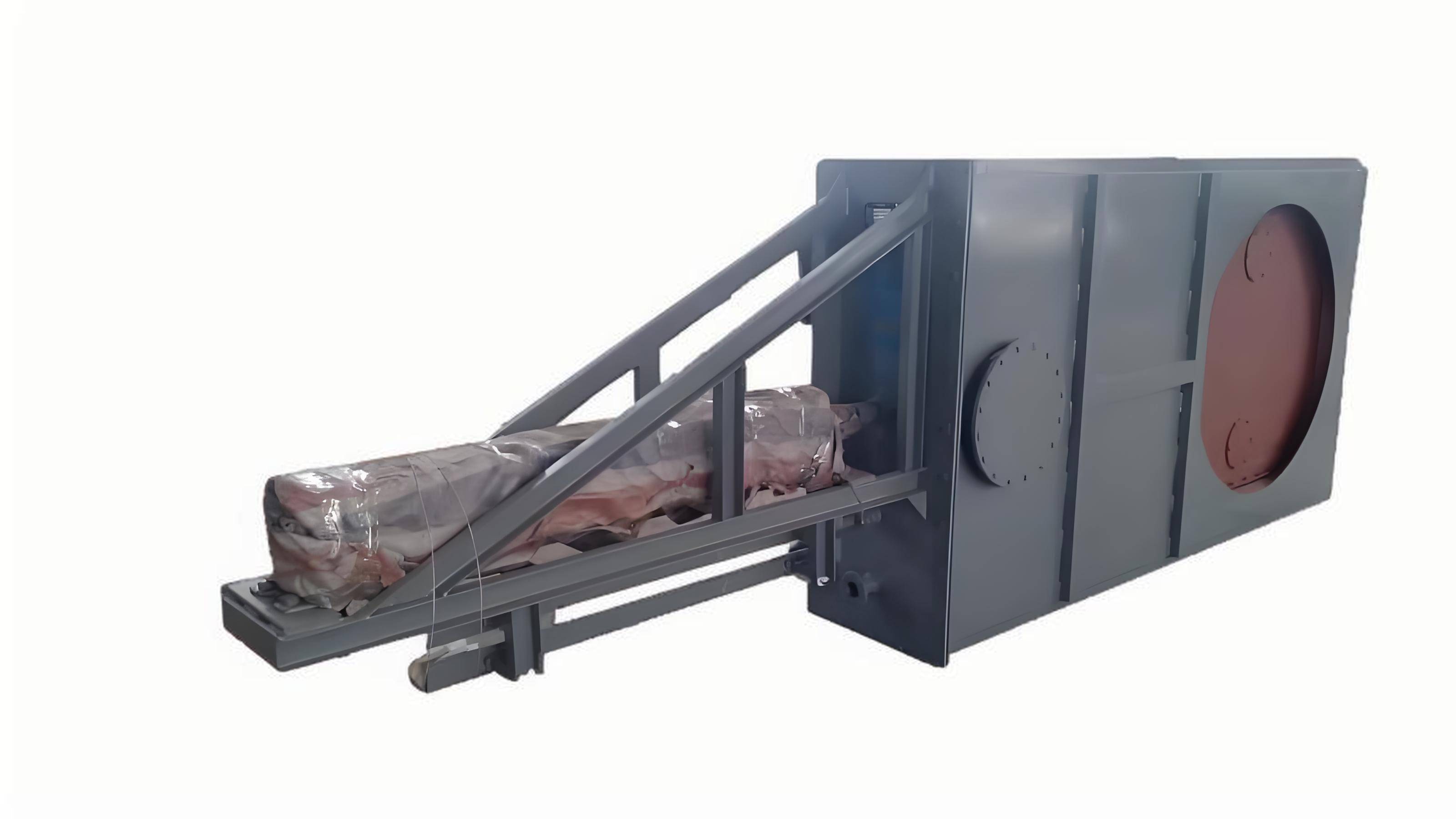
Double-slide Triple-sealed Hot Air Isolation Door
Xi'an Yingchuan Electric Power Equipment Co., Ltd.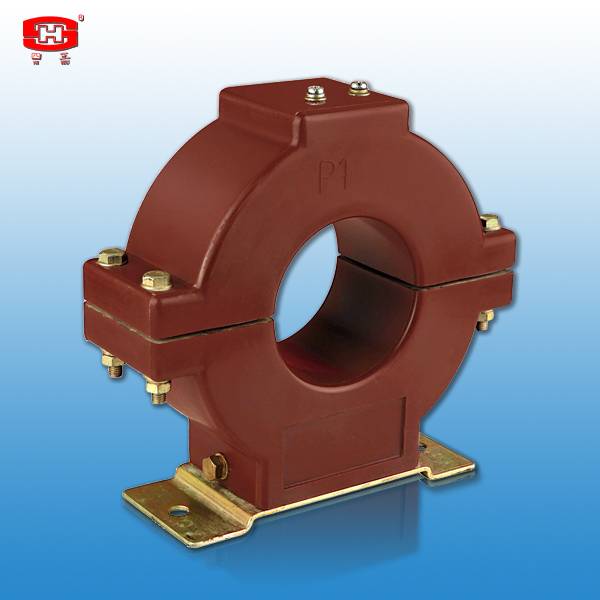
0.66kV Power Supply Instrument Transformer
Guangdong Sihui Instrument Transformer Works Co., Ltd.
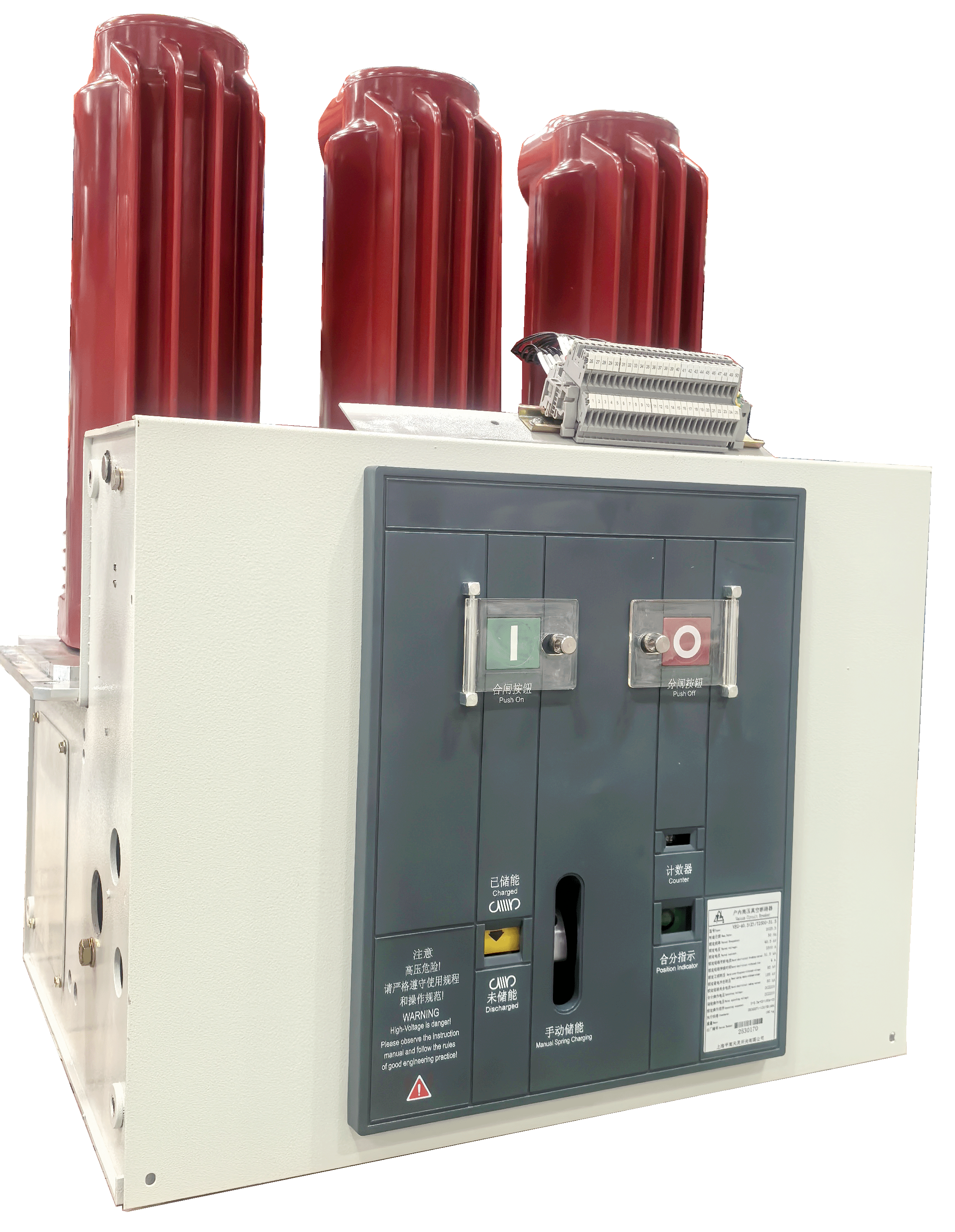
VEG-12/24/40.5 Series Vacuum Circuit Breaker
SHANGHAI PINGGAO TIANLING SWITCHGEAR CO., LTD.