US-based Unconventional AI Launches New Image Generation Model, Reducing Inference Energy Consumption by Up to 1,000 Times
en.Wedoany.com Reported - Unconventional AI, founded by former Databricks AI head Naveen Rao, recently unveiled an image generation model based on a novel oscillator computer architecture, claiming the technology can reduce inference processing energy consumption by up to 1,000 times.
The company's released model, named Un-0, is an image generation system tool that demonstrates the practical capabilities of its technology for the first time. In a newly published paper, the research team detailed the construction of a fully functional image generation model through software simulation of the new architecture, with performance comparable to current state-of-the-art diffusion models.
"This is a 'Hello World' for a new type of computer," Rao told TechCrunch. "Over the next year, you'll start to see some very interesting news." The output of Un-0 is similar to image generation models like Stable Diffusion or OpenAI's GPT Image 1, with the key breakthrough lying in its implementation. The model is based on an oscillator architecture, completely different from traditional computing and mainstream large language model chips. The advantages of oscillator computing are complex, but according to Rao, the technology can ultimately reduce energy consumption by up to 1,000 times.
Currently, much of the infrastructure required to achieve this goal is still under construction. The current version of Un-0 runs on a software simulation of Unconventional's oscillator chip, but the company plans to release the circuit diagram of the actual chip soon. Next, the team will build the complete inference stack from scratch, ultimately providing computing power externally like other vendors.
"We will build a new type of system composed of our chips," Rao said. "We will run AI models on them, connect to network cables, users send prompts, the system outputs inference results, but with only one-thousandth of the power consumption." Although the company has fewer than 50 employees, making this goal highly challenging, given the scale of artificial intelligence construction and the expected costs to meet growing inference demand, this may be one of the few solutions capable of addressing the scale issue. In Rao's view, power supply will become one of the hard constraints for AI development in the coming years, and Unconventional is one of the few projects capable of tackling this challenge.
"AI scaling is difficult due to energy issues. This will be a fundamental constraint in the coming years. You can't get around it. Ultimately, it will be an energy-constrained problem," he said.
This article is compiled by Wedoany. All AI citations must indicate the source as "Wedoany". If there is any infringement or other issues, please notify us promptly, and we will modify or delete it accordingly. Email: news@wedoany.com
Related Products

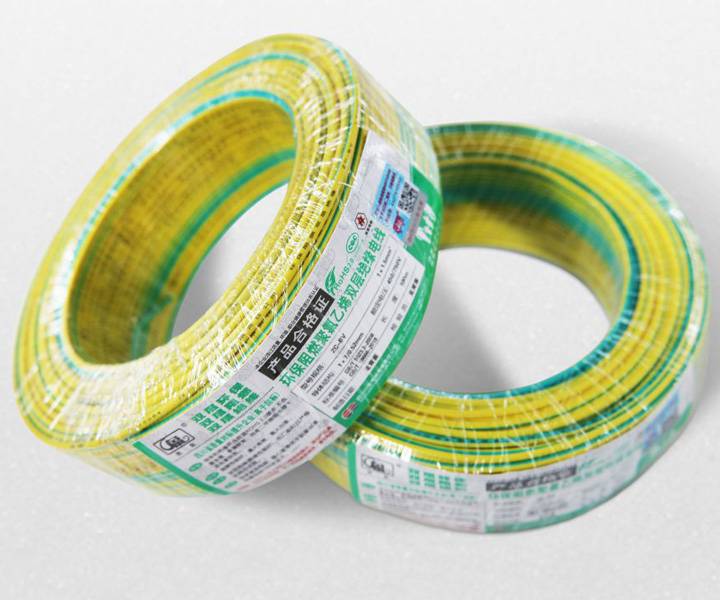
Environmentally Friendly Flame-retardant PVC Double-layer Insulated Wire
Sichuan Chndo Cable Co., Ltd.
CITIC Heavy Industries Offshore Wind Power Equipment Hydraulic Pile Hammer
CITIC Heavy Industries Co., Ltd.
Modular Multifunctional Water Supply and Drainage Vehicle (18T)
Changsha Dewater Machinery Technology Co., Ltd.
MESS8201-2507/5015-BN Prefabricated Liquid-cooled Energy Storage Battery Container
Xuchang Xuji Electric Science Energy Storage Technology Co., Ltd.

YE3 Series Low Voltage High Power Three-Phase Asynchronous Motor
Shandong Lijiu Electrical Machinery Co., Ltd.
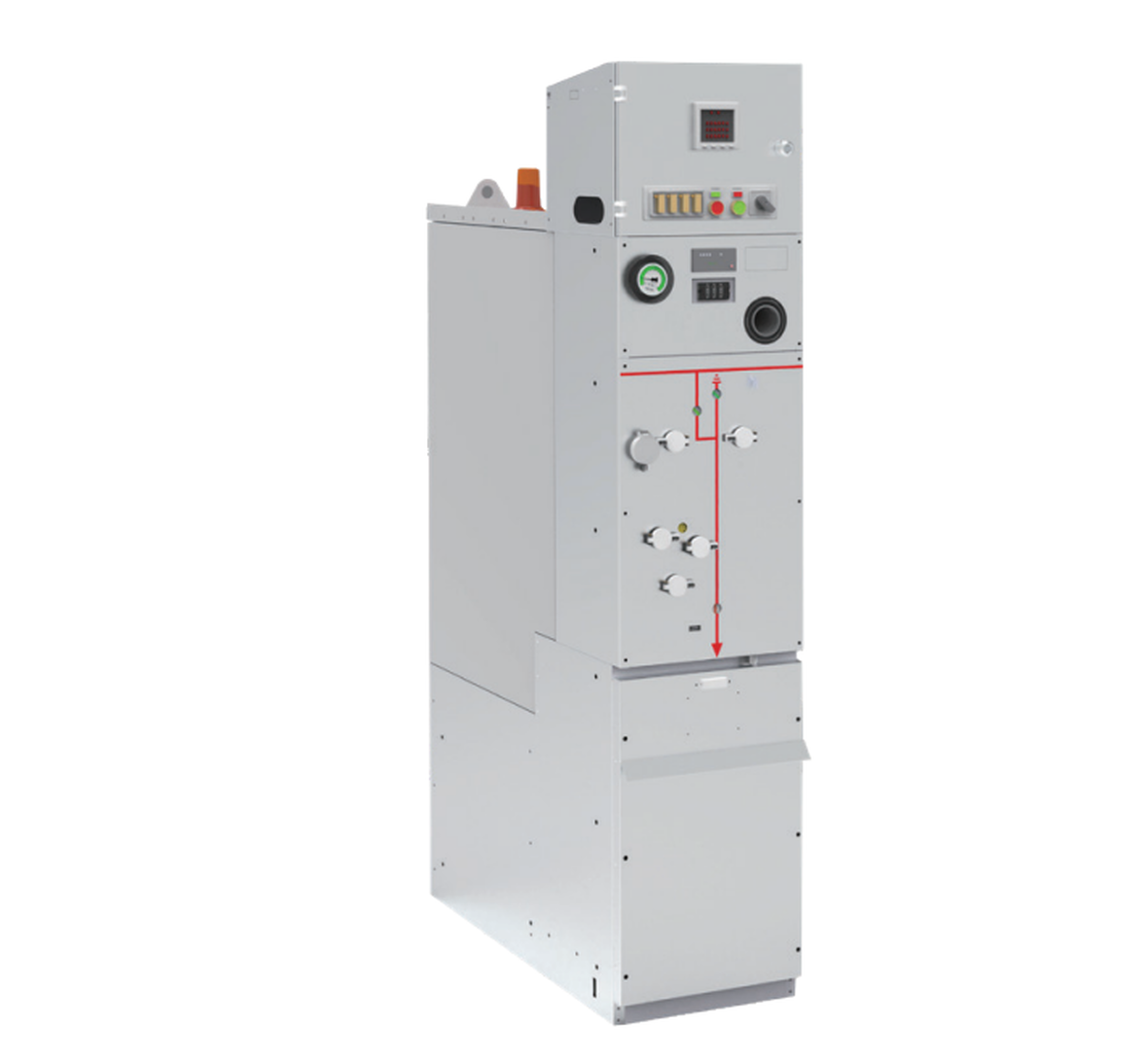
KYN28-12/24 Indoor High-Voltage Metal-Clad Removable Switchgear
Shenzhen Zhaoyang Hui Technology Co., Ltd.