Bosch bets on MEMS sensors and AI to position itself in humanoid robotics
en.Wedoany.com Reported - Bosch plans to become a core sensor and software supplier for the next generation of humanoid robots, enabling autonomous perception and learning through MEMS (Micro-Electro-Mechanical Systems) sensors and artificial intelligence technology. The company states that the application of humanoid robots should not be limited to repetitive physical labor, but should possess perception capabilities closer to those of humans.
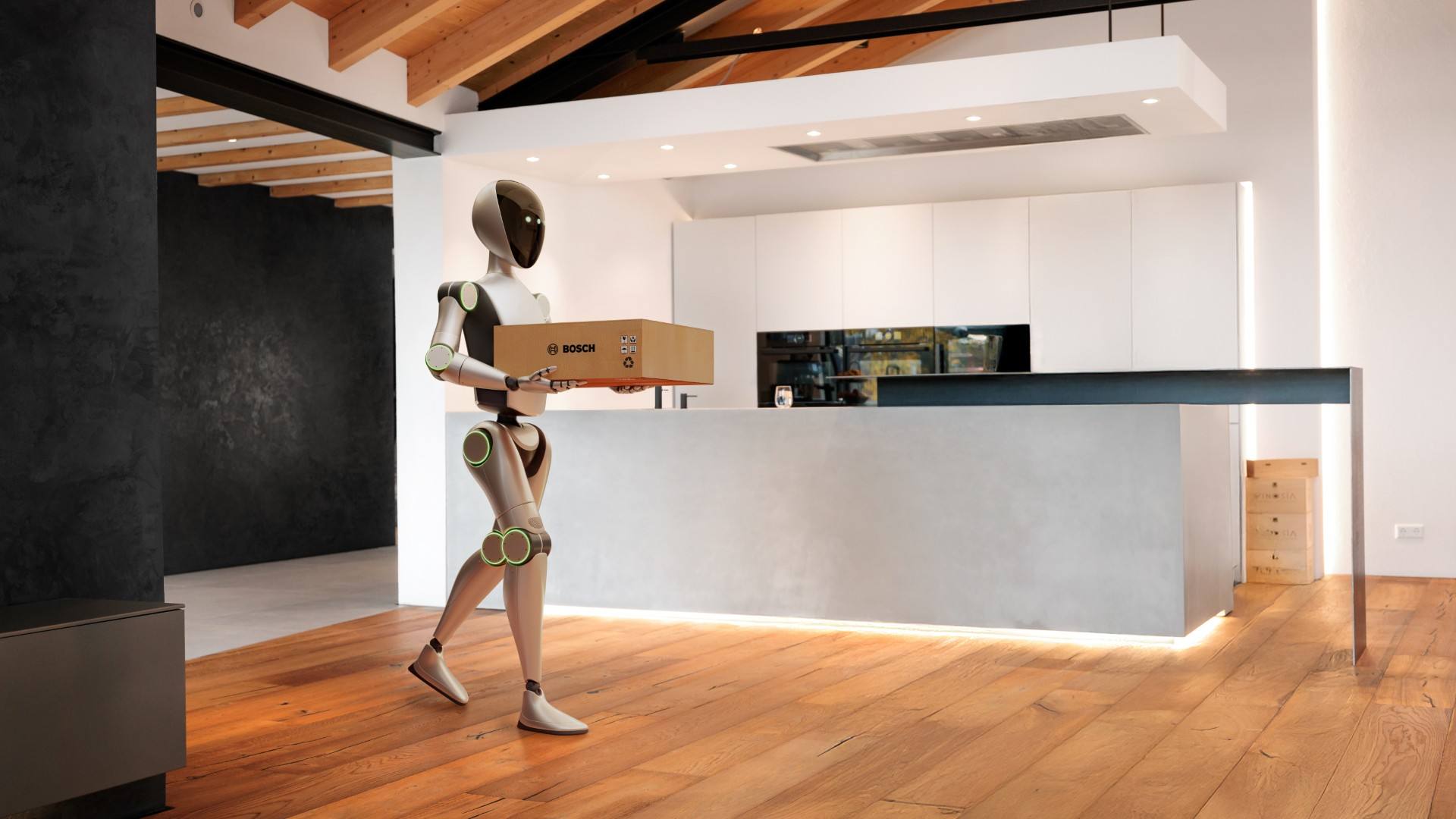
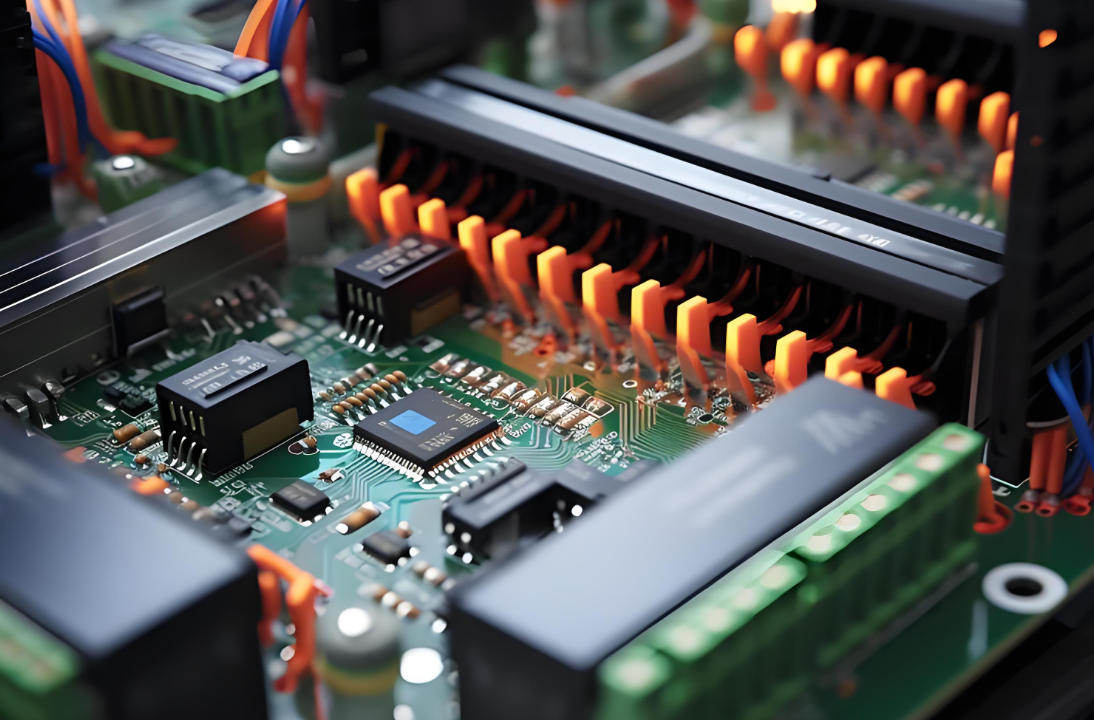
MEMS sensors are the key components of this approach. These miniature devices, some only 4 micrometers in size, are responsible for measuring variables such as motion, orientation, pressure, and vibration in real time. The company aims to develop modular and scalable solutions by integrating sensors, related software, artificial intelligence, and open platforms.
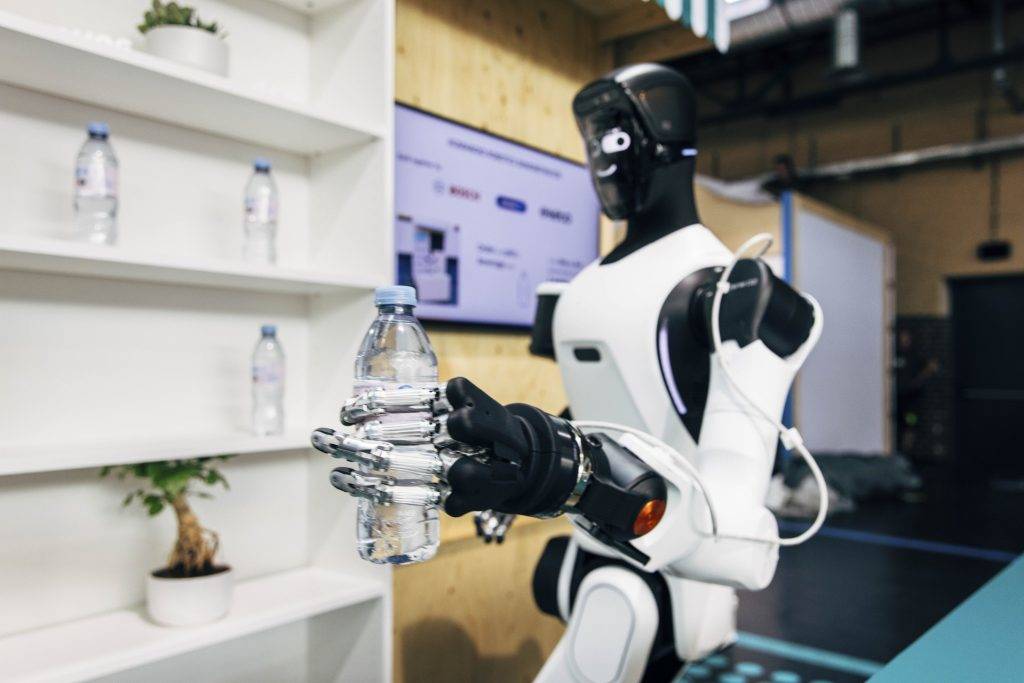
Robots that perceive, observe, and learn. Thanks to these sensors, robots are beginning to possess senses previously unique to humans, with significant progress in touch. Through pressure sensors and inertial measurement units, robots can hold a glass or pick up an egg without breaking it. Real-time information provided by MEMS sensors adjusts the applied force and detects whether an object begins to slip in order to react.
Vision is another major pillar. Robots integrate multiple cameras, stabilized by sensors to compensate for their own motion, while combining technologies such as LiDAR, 3D cameras, and their mapping systems to build a three-dimensional representation of the environment, enabling autonomous navigation and maintaining balance on uneven surfaces. Artificial intelligence is the final element. A new generation of robots can learn to manipulate objects through experience, rather than having every action programmed.
A solution to labor shortages. Aging populations and declining birth rates are reducing the workforce in developed economies, leading to shortages in fields such as healthcare, logistics, and industry. Robotics serves as a complement to human labor, taking on repetitive, dangerous, or physically demanding tasks, while humans focus on more differentiated functions.
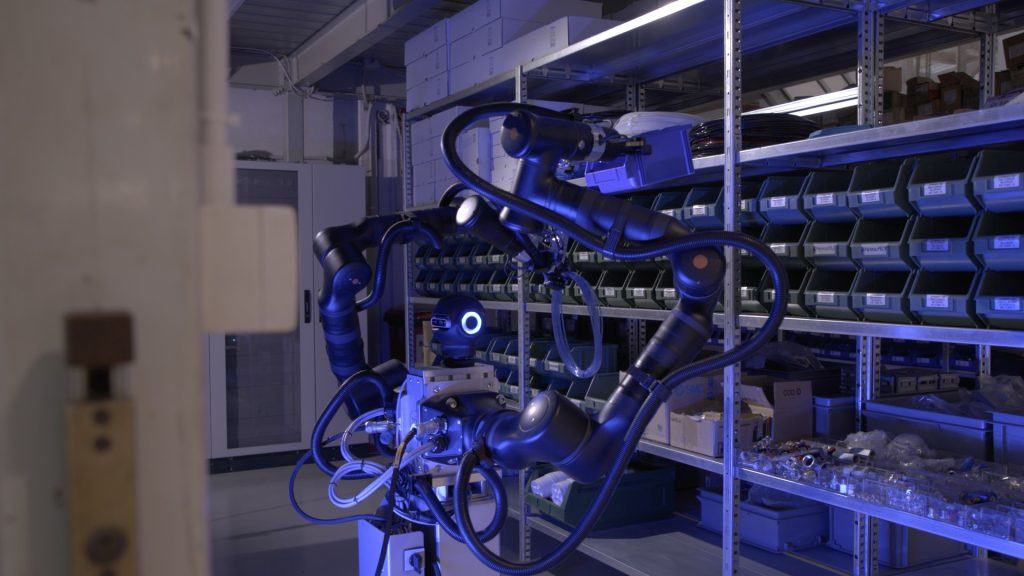
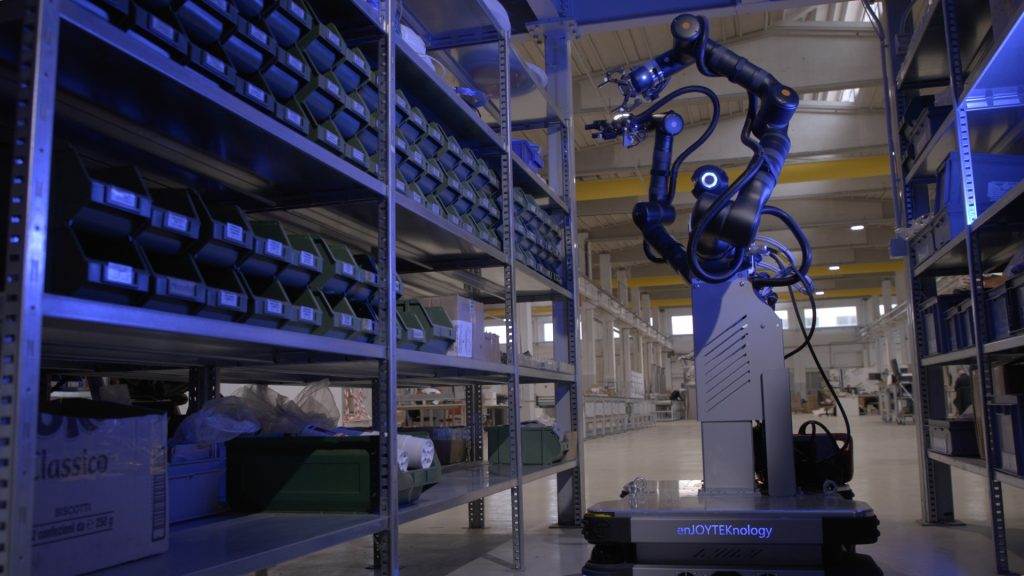
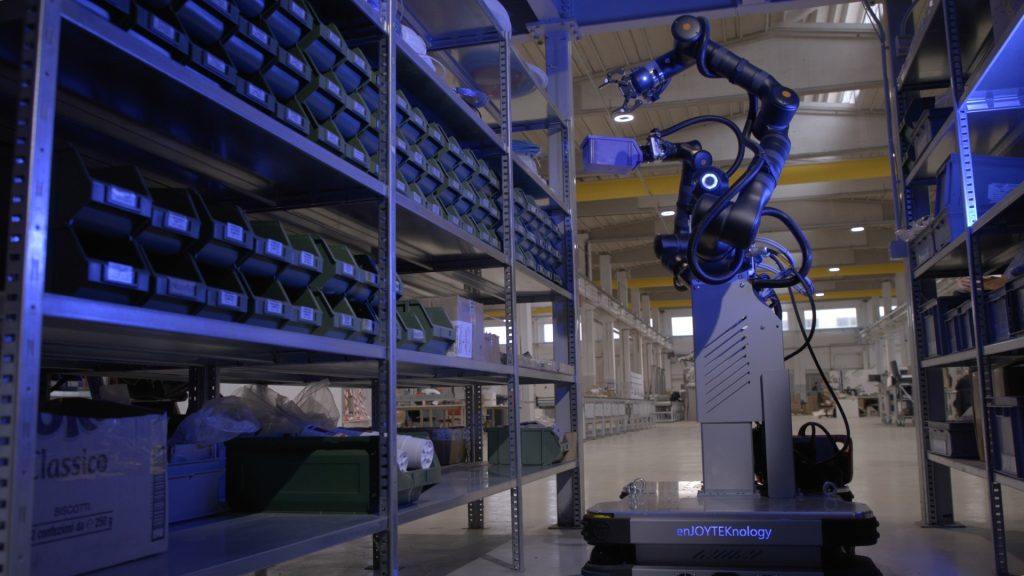
Economic factors also play a role in decision-making, and the demand for automation will persist. Industry estimates suggest that the MEMS sensor market will exceed 16.5 billion euros by 2030, maintaining sustained growth in the coming years. From factories to the real world, the most advanced capabilities are currently being deployed extensively in industrial and logistics environments. The next step is to bring humanoid robots into homes, cities, and open spaces, where challenges multiply due to the variability and unpredictability of the real world. First, industrial environments must be mastered, then semi-structured environments, and ultimately everyday life. Bosch is leveraging its expertise in sensors for automotive and consumer electronics to accelerate this process in robotics.
This article is compiled by Wedoany. All AI citations must indicate the source as "Wedoany". If there is any infringement or other issues, please notify us promptly, and we will modify or delete it accordingly. Email: news@wedoany.com
Related Products

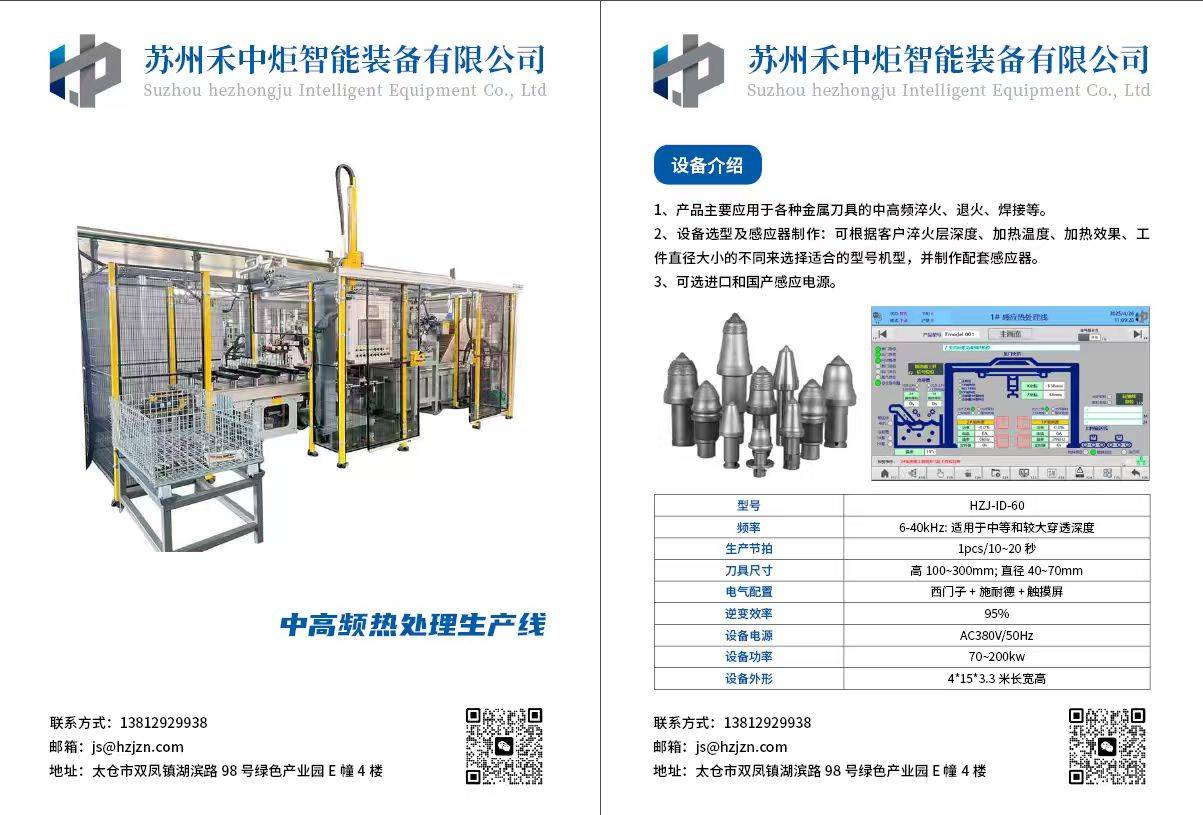
Excavator Bucket Teeth Heat Treatment Production Line
Suzhou Hezhongju Intelligent Equipment Co., Ltd.


LBH4000 Batch Environmental Protection Asphalt Mixing Plant | Asphalt Batching Plant | Asphalt Mixing Plant
Jilin Province Road Construction Machinery Co., Ltd.
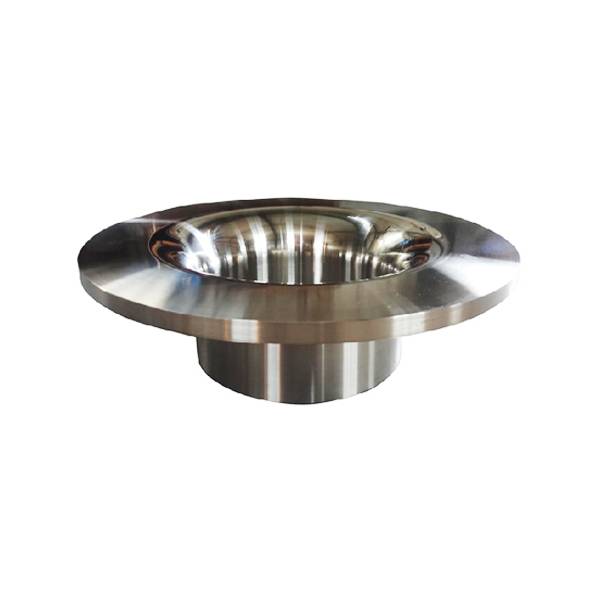
Standard Nozzle Flowmeter
Jinggong Automatic Control Instrument Complete Technology Development Company