India's Solar Project Pipeline Surpasses 200 GW
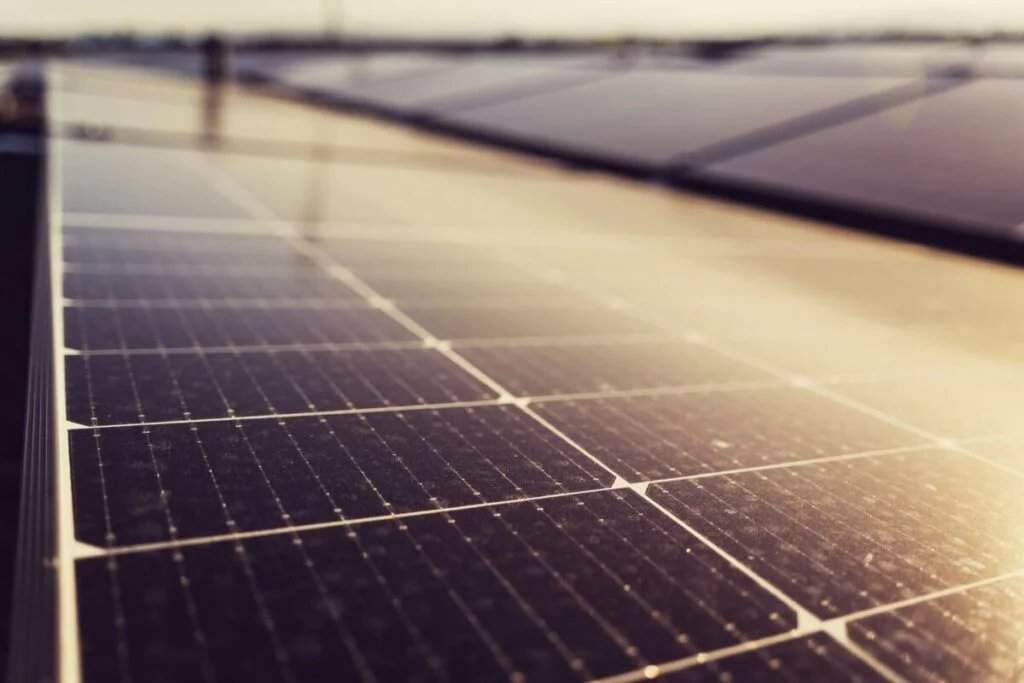
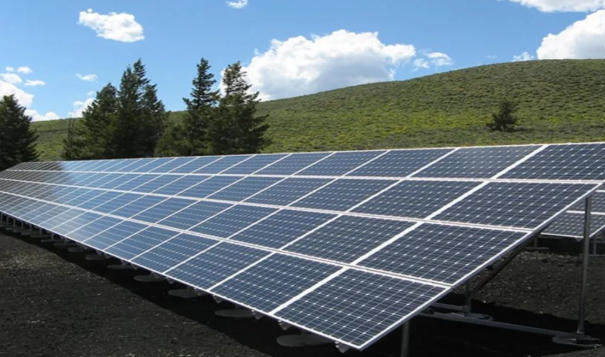
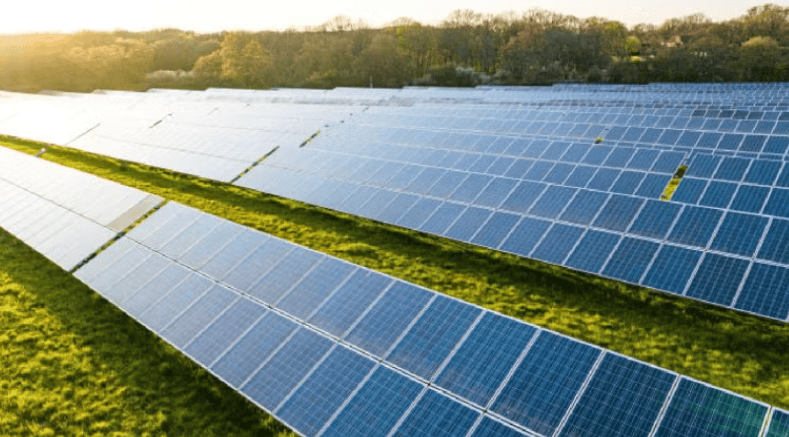
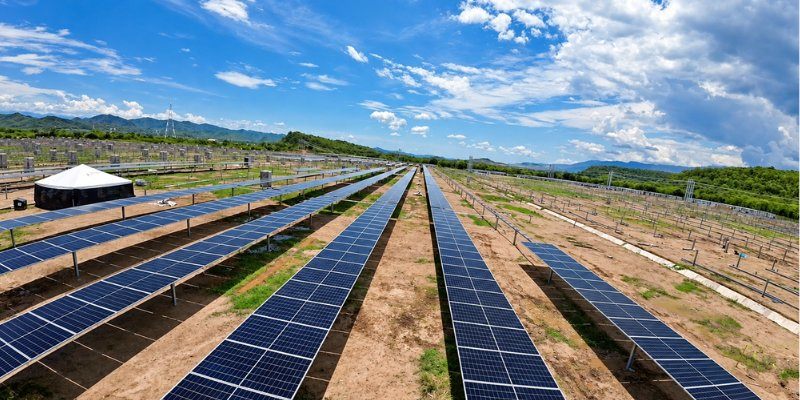
en.Wedoany.com Reported - India's solar project pipeline has surpassed 200 GW, with the scale of active development reaching a historic high for the country. Utility-scale photovoltaic plants, rooftop projects covering rural users in regions such as Bihar, and grid infrastructure investments are all advancing simultaneously. The key now is whether this pipeline can be rapidly converted into installed capacity to achieve India's target of 280 GW of solar power capacity by 2030.

The 200 GW figure comes from Mercom India's renewable energy project tracking system, which monitors large-scale solar projects across multiple stages, from initial tendering to financing, land acquisition, and construction. Not all projects counted have broken ground today; some are still awaiting approvals or financing. However, the total represents the largest development queue in India's history. As a leading indicator, the expansion of the project pipeline suggests that future installed capacity may increase accordingly. India's official target is to achieve 280 GW of solar capacity by 2030. With the pipeline now exceeding 200 GW, this goal has shifted from aspiration to feasibility, and the gap between ambition and realization is narrowing within measurable bounds.
The changing landscape of rooftop solar projects is another notable signal of India's solar expansion. The Bihar Electricity Regulatory Commission has approved tariffs for approximately 275 MW of rooftop solar projects, which will serve about 250,000 Kutir Jyoti users (a low-income household category). Two state distribution companies will implement these projects under the "Utility-Led Aggregation-cum-Renewable Energy Service Company" model, allowing utilities to aggregate small users and procure solar power on their behalf. At the other end of the market, Germany-based KHS Machinery installed a 750.2 kW rooftop system at its industrial facility in Nandej, Gujarat, expected to save approximately 7.7 million Indian rupees (about $80,700) annually. Both deployments share the same technology but serve different purposes: one provides affordable electricity to rural households, while the other reduces operating costs for a global industrial enterprise. This contrast illustrates how rooftop solar is expanding across market segments with little overlap, signaling growth in breadth rather than a single market niche.
State-level policy moves are also shaping the market. The Punjab Electricity Regulatory Commission has imposed a surcharge of 1.13 Indian rupees per kWh on open access users purchasing power from sources other than PSPCL within the PSPCL supply area for the period from April to September 2026. The Nagaland Power Department, under the Chief Minister's Community Solar Partnership Initiative, has tendered 1.65 MW of grid-connected rooftop solar projects for village council halls, as part of the Nagaland Solar Mission. One state tightens the economics of independent power procurement, while another extends solar access to remote community buildings.
Grid infrastructure investments are accelerating to keep pace with generation construction. Hitachi Energy India has announced an investment of 20 billion Indian rupees (about $210 million) to build a new large-scale power transformer factory in Vadodara, Gujarat, producing high-voltage transformers for transmission networks. This capital commitment reflects the judgment that transmission construction will remain active. On the financing front, the Solar Energy Corporation of India is seeking non-fund-based credit facilities of up to 8 billion Indian rupees (about $84 million) from commercial banks, including letters of credit and bank guarantees. NTPC and the Military Engineer Services have also issued operation and maintenance tenders for existing solar projects.
A project pipeline is not a guarantee. Projects face obstacles such as land acquisition disputes, grid connection delays, financing gaps, and permitting backlogs, and some portion of the 200 GW may not be commissioned by 2030. What this milestone provides is a buffer: if a significant share of these projects is completed on time, India could approach or reach the 280 GW target. The combination of signals surrounding the pipeline—advancing utility-scale tenders, rooftop programs reaching new consumer groups, accelerating transmission investments, and proactive regulatory adjustments by state bodies—points to systemic momentum. What remains to be watched is the conversion rate of the pipeline, i.e., the proportion of projects that actually come online, a figure that will determine whether the 200 GW pipeline translates into tangible evidence of the energy transition.
This article is compiled by Wedoany. All AI citations must indicate the source as "Wedoany". If there is any infringement or other issues, please notify us promptly, and we will modify or delete it accordingly. Email: news@wedoany.com
Related Products


220kV Composite Outdoor Cable Terminal
Shenyang Guolian Cable Accessories Manufacture Co., Ltd.
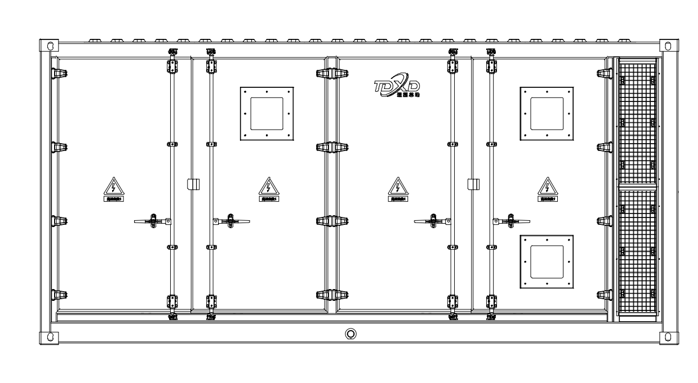
5012kWh DC Energy Storage System TD-EES-5012kWh
Suzhou Tongding Xindong Energy Storage Technology Co., Ltd.

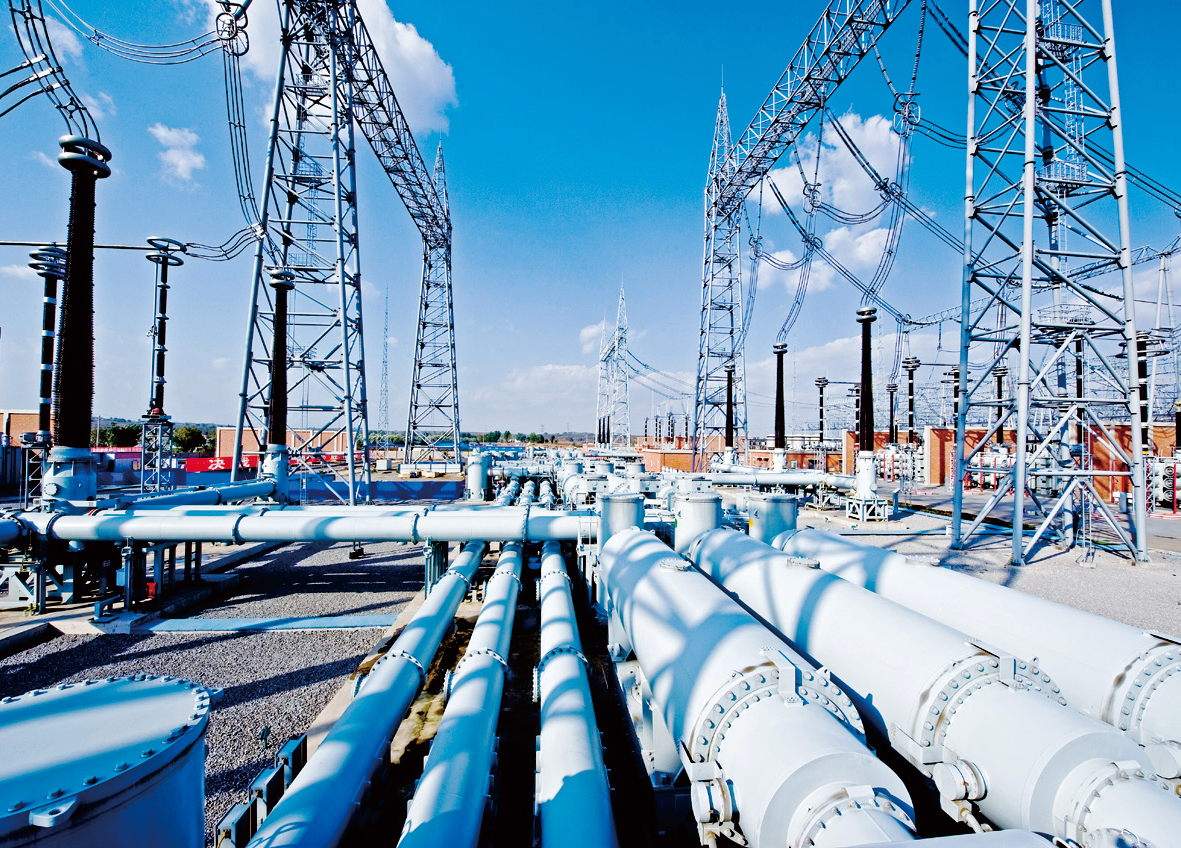
40.5kV-1100kV Gas Insulated Metal-Enclosed Switchgear (GIS)
Henan Pinggao Electric Co., Ltd.
Electromagnetic Fluid Seawater Floating Oil Separation and Recover Equipment
Huate Magnet Group Co., Ltd.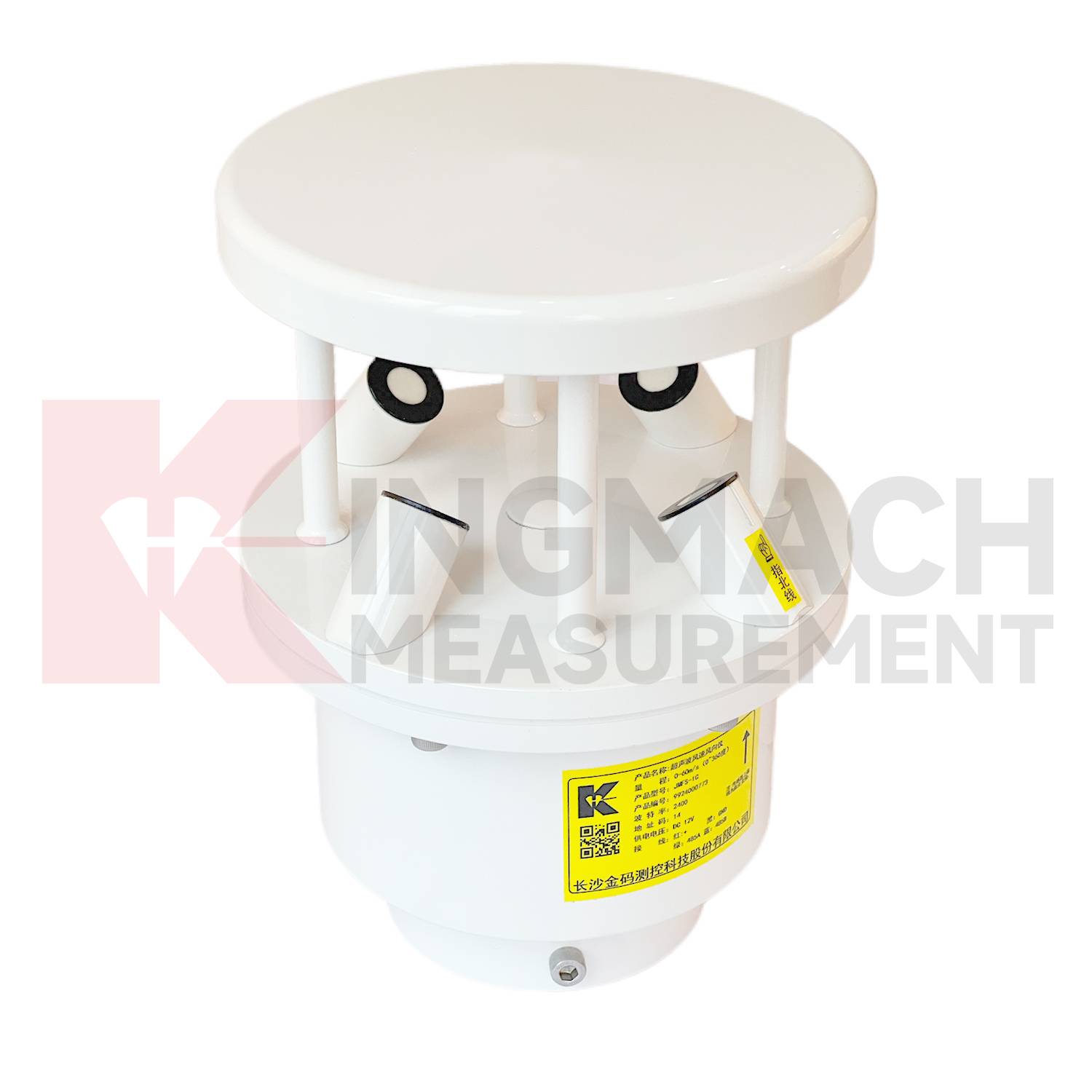
Ultrasonic Wind Speed and Direction Instrument
Kingmach Measurement & Monitoring Technology Co., Ltd.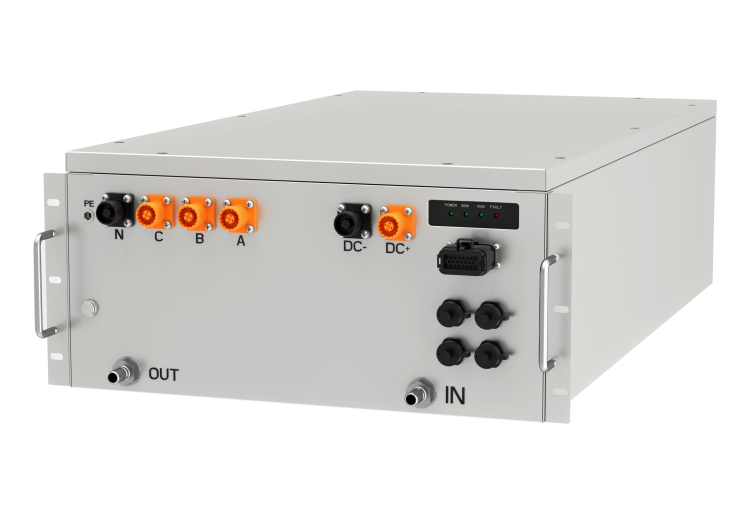
Mars (Liquid Cooling) Series Industrial and Commercial Energy Storage Converter High Protection Module
Shenzhen Winline Technology Co., Ltd.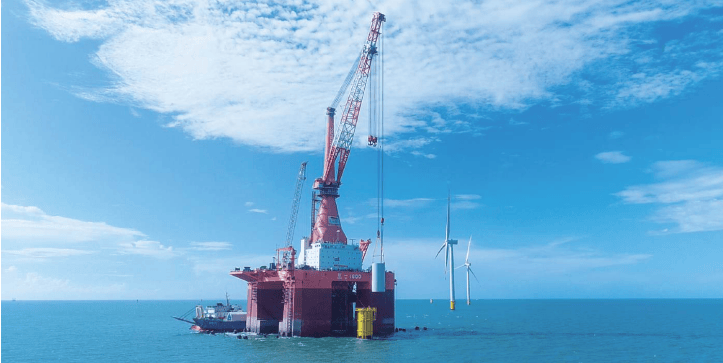
"Shunyi 1600" Deep-submerging Bottom-sitting Multi-functional Wind Power Engineering Vessel
Zhengli Offshore Engineering Co., Ltd.