Up to 37% Surge! Suez Canal Announces Increase in Transit Surcharges from July 15
en.Wedoany.com Reported - On June 24, the Suez Canal Authority (SCA) issued its latest Navigation Circular, announcing an increase in temporary surcharges for most vessel types, effective July 15, 2026.
According to the announcement, the new surcharges will be levied on top of existing canal transit fees and apply to vessels beginning their transit of the Suez Canal from July 15 onward. The SCA stated that this adjustment is based on current conditions in the international shipping market, and the relevant surcharges are temporary measures, subject to adjustment or cancellation based on future market changes.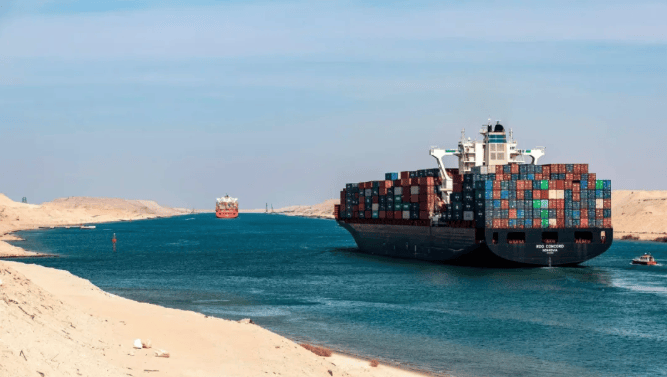
Surcharge Increases for Multiple Vessel Types
According to the new fee schedule, the surcharge adjustments for each vessel type are as follows:
Container Ships
Surcharge remains at 12%
Levied on top of normal canal transit fees
Dry Bulk Carriers
Increased from 10% to 22%
Crude Oil and Product Tankers
Increased from 25% to 37%
Laden Tankers
Increased from 15% to 27%
Liquefied Petroleum Gas (LPG) Carriers and Chemical Tankers
Increased from 20% to 32%
Liquefied Natural Gas (LNG) Carriers
Increased from 7% to 19%
Car Carriers
Northbound transit: Increased from 14% to 26%
Southbound transit: Remains at 12%
General Cargo Ships, Multi-Purpose Vessels, Ro-Ro Ships, Heavy Lift Vessels, etc.
Increased from 14% to 26%
Currently, passenger ships are the only vessel type not affected by this surcharge adjustment.
Canal Transit Volume Shows Recovery
In recent years, due to security situation in the Red Sea, many shipping companies have opted to reroute via the Cape of Good Hope, significantly impacting both transit volume and revenue for the Suez Canal. However, since the beginning of 2026, canal transit conditions have improved.
According to official Egyptian statistics, 1,182 vessels transited the Suez Canal in April 2026, a year-on-year increase of 13.9%; among them, 529 were tankers, up 27.8% year-on-year. During the same period, transit fee revenue from vessels passing through the Suez Canal was approximately $425 million, a year-on-year increase of over 30%, reaching a relatively high level since the outbreak of the Red Sea crisis.
Pressure on Canal Revenue Recovery Persists
Despite the recent rebound in transit volume, the overall scale of Suez Canal traffic remains at a relatively low level compared to before the Red Sea crisis.
Market analysis suggests that as some tankers and energy transport vessels resume using the Suez route, and as shipping patterns in the Middle East change, Egypt is attempting to balance restoring canal revenue with maintaining route competitiveness by adjusting its fee structure.
Meanwhile, the Suez Canal Authority emphasized that this surcharge adjustment does not involve the basic transit fee rates. The current base rate system has not been adjusted since 2024.
For shipping companies, this surcharge adjustment will directly increase the cost of transiting the Suez Canal, with tankers, LNG carriers, LPG carriers, and dry bulk carriers being notably affected.
Given that Red Sea route security risks, war risk insurance premiums, and fuel costs remain high, the further increase in Suez Canal surcharges is likely to continue pressuring the overall operating costs of Asia-Europe routes and energy transport markets. Cargo owners and logistics companies should monitor whether shipping lines subsequently adjust surcharge items and related freight rate policies.
This article is compiled by Wedoany. All AI citations must indicate the source as "Wedoany". If there is any infringement or other issues, please notify us promptly, and we will modify or delete it accordingly. Email: news@wedoany.com
Related Products



XC-6000e Type Aviation Catering Truck (Fuel Type)
Shenzhen CIMC-TianDa Airport Support Ltd.

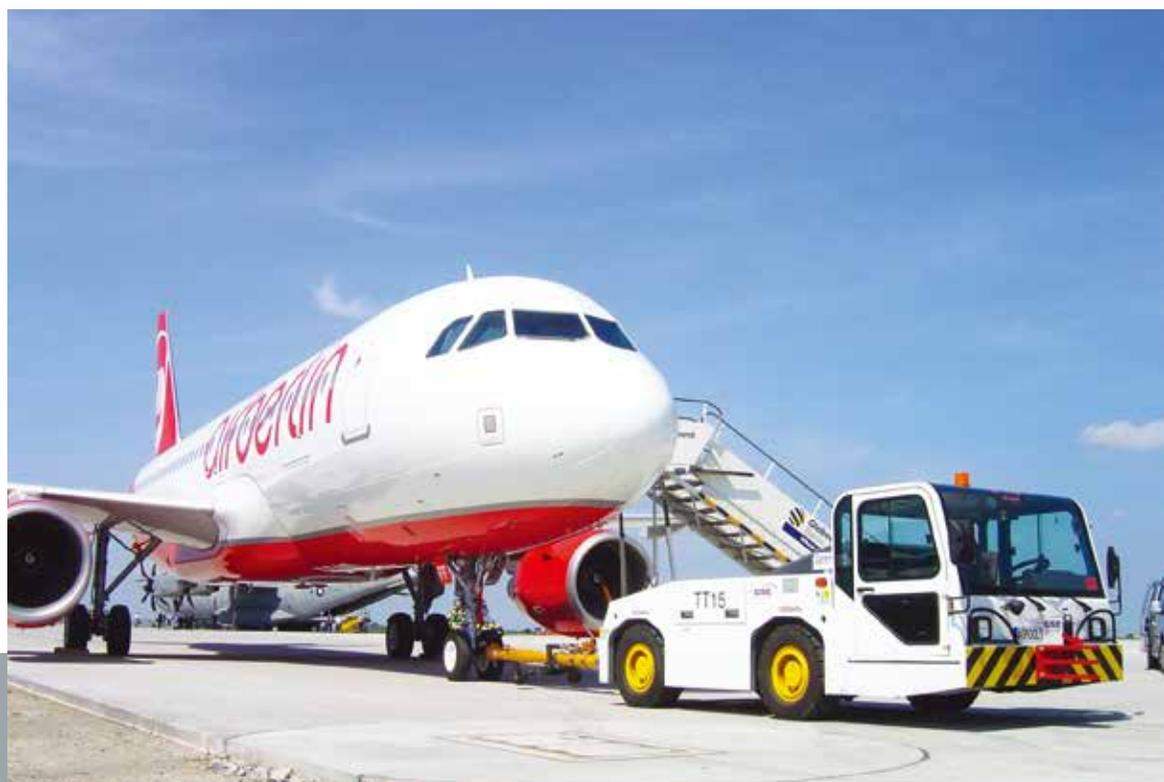
WGQY Series Aircraft Tow Tractor-WGQY15, WGQY27
Weihai Guangtai Airport Equipment Co., Ltd.



GSR6-27.5kV SF6 Free Gas-insulated Metal-enclosed Switchgear
Zhejiang Juhonkia Intelligent Electric Co., Ltd.