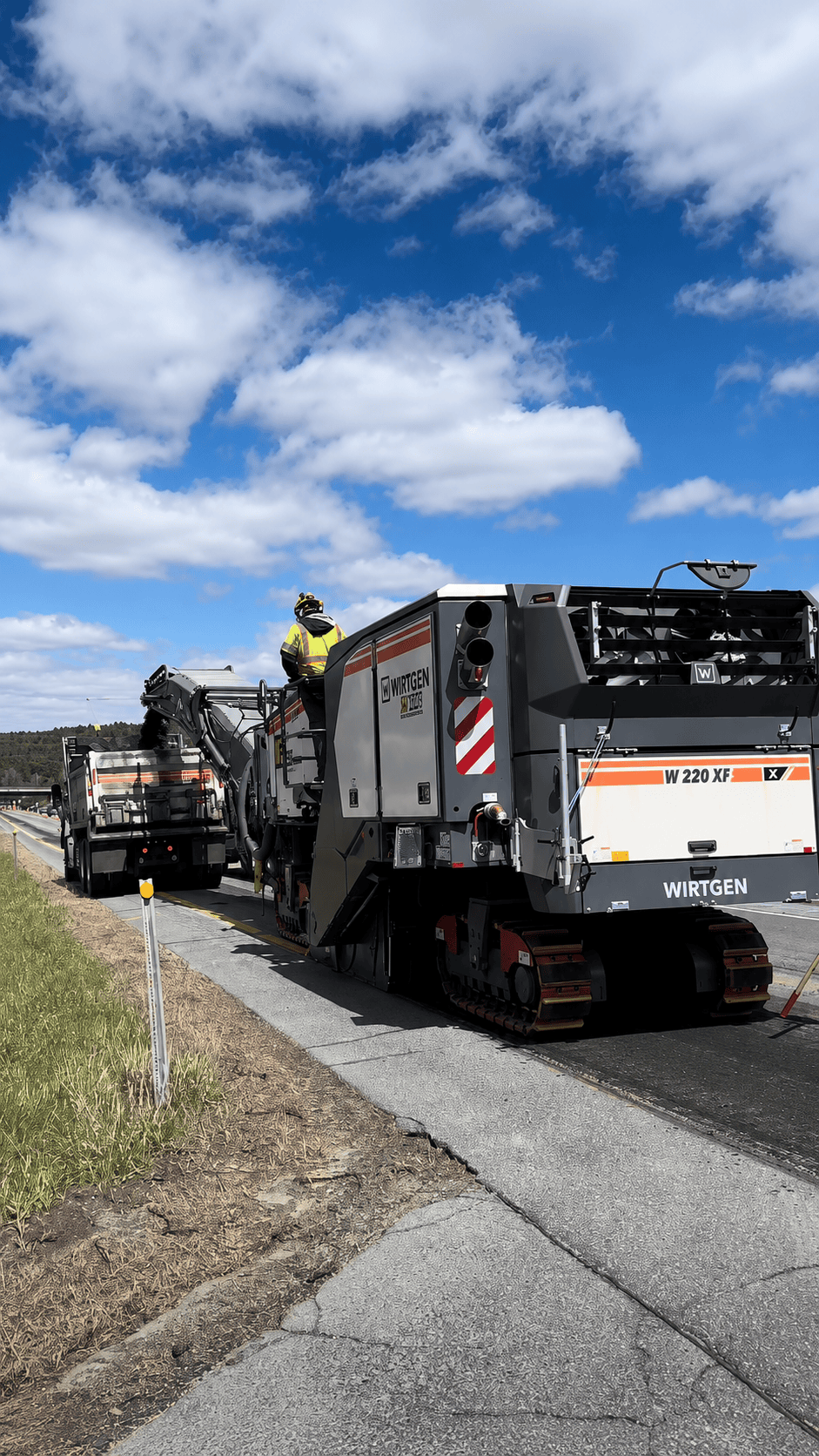
Minister Liu Wei of China's Ministry of Transport Delivers Special Report on Accelerating the Building of a Country with Strong Transportation Network
en.Wedoany.com Reported - On June 18, 2026, the first session of the series of policy briefings on "Ensuring and Improving People's Livelihood through High-Quality Development" was jointly held in Beijing by the Publicity Department of the CPC Central Committee, the Work Committee of Central and State Organs of the CPC Central Committee, the Ministry of Education, the Political Work Department of the Central Military Commission, and the Beijing Municipal Committee. Liu Wei, Secretary of the Leading Party Members' Group and Minister of the Ministry of Transport, delivered a special report titled "Improving the Modern Comprehensive Transport System and Accelerating the Building of a Country with Strong Transportation Network." The report is now published in a Q&A format.
Breakthrough Progress in China's Comprehensive Transport System During the 14th Five-Year Plan Period
Reporter: During the 14th Five-Year Plan period, China has taken new solid steps in building a country with strong transportation network. Could you please introduce the notable achievements?
Liu Wei: During the 14th Five-Year Plan period, under the strong leadership of the Central Committee of the Communist Party of China with Comrade Xi Jinping at its core, China's transportation sector has achieved significant new accomplishments. The vision of "people enjoying convenient travel and goods flowing smoothly" is being realized at an accelerated pace. This is mainly reflected in "six aspects of improvement."
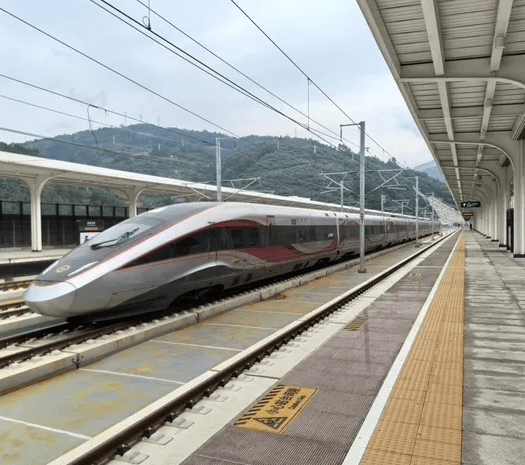
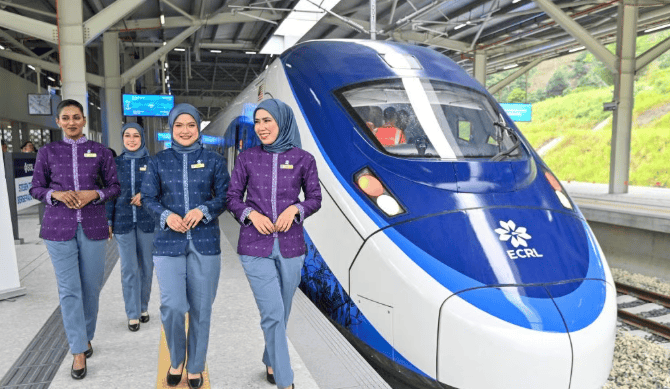
First, the facility network has become more complete. During the 14th Five-Year Plan period, fixed-asset investment in transportation reached approximately 18.8 trillion yuan, making it the five-year period with the highest investment and fastest network construction since the founding of New China. The main framework of the national comprehensive three-dimensional transport network is basically connected, prominently reflected in "three 90%": the completion rate of the main framework of the "6 axes, 7 corridors, 8 channels" national comprehensive three-dimensional transport network exceeds 90%; the proportion of the national population enjoying one-hour rapid transit services exceeds 90%; and the proportion of the national economy and population served reaches about 90%. The comprehensive transport network continues to expand. The railway network construction has accelerated significantly, with the world's longest high-speed rail operation mileage, adding 12,000 kilometers in five years to a total exceeding 50,000 kilometers, covering 97.2% of cities with a population of over 500,000. The highway network layout is more complete, with the world's longest expressway mileage, adding over 30,000 kilometers in five years to a total of 199,000 kilometers, covering 99% of cities with a population of over 100,000. The inland waterway network continues to expand, with the world's largest number of berths at 10,000-ton level and above, adding 469 in five years to a total of 3,061. The civil aviation transport system is increasingly improved, with the world's largest number of newly added transport airports, adding 29 in five years to a total of 270, with aviation services covering 93% of prefecture-level administrative units and 91.9% of the population. The scale of express delivery continues to expand, with the world's largest postal delivery network, with over 95% of administrative villages covered by express delivery services, achieving "postal offices in every township and postal service in every village." The capacity of comprehensive transport hubs has significantly increased. The construction of 20 international comprehensive transport hub cities and 80 national comprehensive transport hub cities is accelerating. The level of coordinated openness of the four major international hub clusters has significantly improved. The railway access rate for important port areas in coastal ports has reached 71.6%, and the rail transit access rate for hub airports has reached 85.7%. The transfer distance for 80% of newly built comprehensive passenger transport hubs does not exceed 200 meters, striving to make it easier for people to transfer and travel more conveniently.
Second, strategic support has become stronger. Transport links between regions and between urban and rural areas have been further strengthened. The implementation of major regional strategies has been effectively supported. The Beijing-Tianjin-Hebei region, the Yangtze River Delta, the Guangdong-Hong Kong-Macao Greater Bay Area, and the Chengdu-Chongqing Economic Circle have built nationally leading modern comprehensive three-dimensional transport networks. The "rail-based" urban agglomerations and the Greater Bay Area are taking shape, with major cities achieving two-hour connectivity. Regional coordinated development has been effectively served. The shortcomings in transport infrastructure in the western region are being rapidly addressed. The efficiency of the transport network in the northeastern region is continuously improving. The construction of major corridors and hubs in the central region is accelerating. The modernization level of transportation in the eastern region has significantly improved. The depth of transport accessibility in old revolutionary base areas, ethnic minority areas, and border areas has significantly increased. Rural revitalization has been effectively supported. Approximately 850,000 kilometers of rural roads (including hardened roads in natural village groups) have been newly built or upgraded, with a total mileage reaching 4.7 million kilometers. The proportion of natural villages (groups) with relatively large populations connected by hardened roads nationwide has reached 95%. Rural roads have become roads of prosperity, happiness, connection, and revitalization right at the doorsteps of ordinary people.
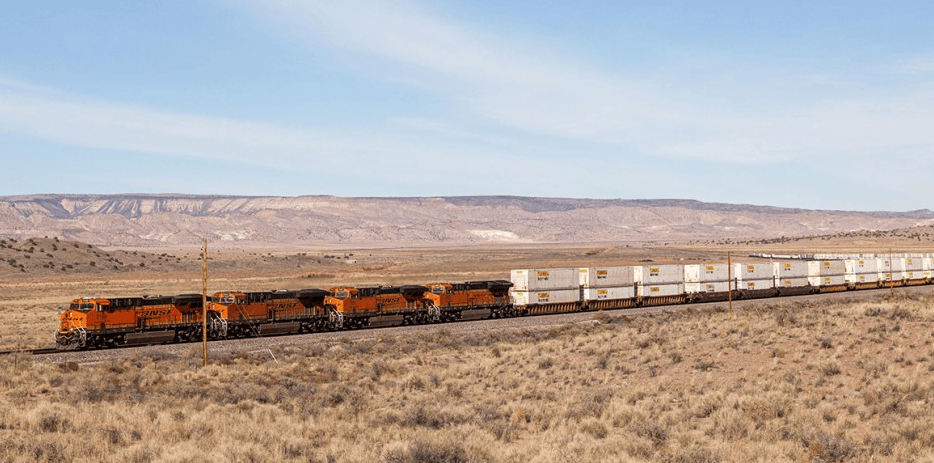
Third, transport services have become more efficient. The main indicators for passenger and freight transport remain among the highest in the world, and the capacity to serve and support the modern economic system has significantly increased. Travel services are becoming increasingly convenient and comfortable. The number of cross-regional trips nationwide has grown substantially. High-speed rail, civil aviation, expressways, and other rapid transport service modes have become the mainstream for cross-regional travel. Service guarantees during major holidays are continuously optimized. A mobile China showcases the vitality of prosperity and development. Freight services are becoming increasingly economical and efficient. Efforts to reduce costs, improve quality, and enhance efficiency in transport and logistics have been solidly advanced. The transport structure has been deeply adjusted. The freight turnover volume for railways and waterways has increased by about 20% and 40%, respectively. China's maritime connectivity ranks first in the world, with its shipping volume and port container throughput each accounting for one-third of the global total. Express delivery services are becoming increasingly inclusive and convenient. In 2025, China's express delivery volume reached approximately 199 billion parcels, ranking first in the world for 12 consecutive years. The single-day peak during the "Double 11" period reached 777 million parcels. Urban transport services are becoming increasingly diverse and rich. Approximately 100 million people commute efficiently via urban rail transit every day, 100 million people travel through streets and alleys by bus, and 100 million people use taxis and ride-hailing services for "door-to-door" travel. Rural transport services are becoming increasingly complete and widespread. All eligible townships and administrative villages in China have access to bus services, with over half of administrative villages having access to public buses. A three-tier county, township, and village express delivery logistics system has been fully established.
Fourth, technical equipment has become more advanced. New technologies such as the Internet, big data, and artificial intelligence are rapidly integrating with transportation. Advanced technical equipment is being applied at an accelerated pace, and the momentum for transportation development is continuously strengthening. Breakthroughs have been achieved in key core technologies. Technological innovation has played a crucial role in the implementation of major projects such as the Sichuan-Tibet Railway, the Shenzhen-Zhongshan Link, the Pinglu Canal, and the Xiaoyangshan North Container Terminal. The CR450 EMU prototype is undergoing operational assessment. The C919 large passenger aircraft is in regular commercial operation. Breakthroughs have been made in the construction of large cruise ships and large LNG carriers. Bridge construction technology for long-span bridges is globally leading. Smart transportation is developing rapidly. Over 7,800 kilometers of expressways have undergone digital and intelligent transformation. Sixty automated terminals have been built, with their scale, efficiency, and technology levels leading the world. Pilot projects for drones, unmanned vehicles, and unmanned vessels are being safely and orderly advanced. The number of Beidou application equipment across the industry is approximately 27 million units (sets), making it the largest single Beidou civilian user. Significant results have been achieved in green and low-carbon transformation. The number of new energy vehicles in use accounts for more than half of the global total. The national railway electrification rate has reached 76.8%, firmly ranking first in the world. The proportion of new energy vehicles in urban public transport and ride-hailing sectors exceeds 87% and 93%, respectively. The coverage rate of charging piles at expressway service areas nationwide has reached 99%.
Fifth, openness and cooperation have deepened. Adhering to the principle of "transportation connecting the world," the pattern of global transport connectivity is being accelerated. Infrastructure connectivity has been continuously strengthened. Focusing on the Belt and Road Initiative, the connectivity framework of "six corridors, six routes, multiple countries, and multiple ports" has been basically established. The influence of international transport brands has significantly increased. The China-Europe Railway Express reaches over 330 cities in 37 countries, with a cumulative total of over 130,000 trips. The "Maritime Silk Road" covers 150 ports in 48 countries and regions, with a cumulative total of over 20,000 voyages. The Air Silk Road connects 61 Belt and Road partner countries for passenger transport and 33 for freight transport.
Sixth, the governance system has become more complete. The major reform tasks deployed by the Third Plenary Session of the 20th Central Committee of the Communist Party of China have been implemented, and the reform of the comprehensive transport system has been steadily advanced. The construction of a unified and open transportation market is accelerating, and the rules and regulations of the transportation market are continuously being improved. The system of laws, regulations, and standards is constantly being perfected. 141 laws and regulations have been formulated or revised, and over 1,200 standards and specifications have been released. The safety governance system is continuously being strengthened. The safety production situation in the transportation industry remains stable. In 2025, the number of industry accidents and fatalities decreased by 23.7% and 18% year-on-year, respectively.
Overall, after five years of development during the 14th Five-Year Plan period, China's comprehensive transportation strength has reached a new level. It is accelerating its transition from "large" to "strong" and from "having" to "good." The modernization level of advantageous areas such as infrastructure and technical equipment ranks among the top in the world. New solid steps have been taken in accelerating the building of a country with strong transportation network. The fundamental reason for these achievements lies in the leadership of General Secretary Xi Jinping and the scientific guidance of Xi Jinping Thought on Socialism with Chinese Characteristics for a New Era. These achievements fully demonstrate the advantages of China's political system, the advantages of its market scale, and the enormous development potential of its transportation sector. They also fully demonstrate China's ability and confidence to cope with the complex and changing external environment, further strengthening our determination and confidence to build a country with strong transportation network on schedule.
Accurately Grasping the New Situation and New Requirements for Building a Country with Strong Transportation Network During the 15th Five-Year Plan Period
Reporter: How do you view the new situation and new requirements for building a country with strong transportation network during the 15th Five-Year Plan period?
Liu Wei: The 15th Five-Year Plan period is a critical period for laying a solid foundation and making comprehensive efforts to basically achieve socialist modernization. China's development environment is facing profound and complex changes, with both strategic opportunities and risks and challenges coexisting, and uncertain and unpredictable factors increasing. The building of a country with strong transportation network faces new situations and requirements. It is necessary to thoroughly implement the spirit of the Fourth Plenary Session of the 20th Central Committee of the Communist Party of China and the deployment requirements of the 15th Five-Year Plan for National Economic and Social Development. We must adhere to the combination of goal orientation and problem orientation, keenly grasp the new changes in the domestic and international situation, and promote decisive progress in basically building a country with strong transportation network during the 15th Five-Year Plan period.
First, focusing on giving full play to the pioneering role of transportation, we must anchor the strategic goal of building a country with strong transportation network and basically complete the modern comprehensive transport system. Transportation is a basic, pioneering, and strategic industry that supports economic and social development and maintains national security, and it is also an important service industry. During the 15th Five-Year Plan period, focusing on improving the modern comprehensive transport system, we will strive to promote the construction of a modern, high-quality national comprehensive three-dimensional transport network, promote integrated integration, safety enhancement, digital and intelligent upgrading, and green transformation, create first-class facilities, first-class technology, first-class management, and first-class services, promote major breakthroughs in accelerating the building of a country with strong transportation network, and provide strong support for achieving decisive progress in basically realizing socialist modernization.
Second, focusing on solidly promoting common prosperity for all people, we must do practical things for the people in transportation and build transportation that satisfies the people. Transportation is an important area of people's livelihood and a basic guarantee for achieving common prosperity. During the 15th Five-Year Plan period, the requirements for transportation guarantees in rural and remote areas will be further improved. The diversified travel needs of urban agglomerations and metropolitan areas are growing day by day. The people's demand for better travel and tourism is constantly increasing. It is necessary to focus on solving the urgent and difficult problems of the people, do practical things for the people in transportation, and strive to realize the beautiful vision of "people enjoying convenient travel and goods flowing smoothly."
Third, focusing on serving the acceleration of building a new development pattern, we must optimize and adjust the transport structure and promote cost reduction, quality improvement, and efficiency enhancement in transport and logistics. Transportation connects production and consumption, domestic and international markets, and is an important support for smoothing the economic cycle. During the 15th Five-Year Plan period, strengthening the domestic cycle and smoothing the domestic and international dual cycles place new and higher requirements on reducing the overall social logistics cost. It is necessary to place cost reduction, quality improvement, and efficiency enhancement in a prominent position and enhance the ability to serve the construction of a new development pattern.
Fourth, focusing on seizing the historic opportunity of the new round of technological revolution and industrial transformation, we must accelerate the digital and intelligent upgrading and green transformation of transportation. Transportation has a high degree of technology integration, diverse scenarios, and rich data. New technologies such as artificial intelligence and new energy are profoundly reshaping the form of transportation. From the perspective of intelligent transportation, it is necessary to take scenario application as the traction, promote the large-scale application of digital and intelligent technologies such as artificial intelligence, and build an internationally competitive smart transportation industry cluster. From the perspective of green transportation, it is necessary to take the timely achievement of carbon peak in the transportation sector as the traction, promote the green and low-carbon transformation of vehicles, infrastructure, and transport organization, and accelerate the formation of a green and low-carbon transportation system.
Fifth, focusing on better coordinating development and security, we must improve the diversified and resilient international transport corridor system and enhance the intrinsic safety level of transportation. From the perspective of international transport security, great power games are becoming more complex and intense, and geopolitical conflicts are frequent and prone to occur. It is urgent to improve the diversified and resilient international transport corridor system. From the perspective of facility safety and resilience, in recent years, natural disasters in China have been frequent, multiple, and severe. Some early-built transport infrastructure has insufficient disaster prevention and resistance capabilities, and damage due to disasters occurs from time to time. It is necessary to integrate the concept of safe development throughout the entire process of transportation planning, construction, and operation, and improve the level of natural disaster protection and safety guarantee for transport infrastructure.
Overall, during the 15th Five-Year Plan period, transportation development has entered a new stage of comprehensive transformation. The mode of comprehensive transport system construction is shifting towards cross-regional overall planning, cross-mode integrated connection, and cross-field deep integration. The development momentum is shifting towards being driven by structural optimization, digital and intelligent empowerment, and green transformation. The growth model is shifting towards intensive development dominated by optimizing increments and improving the quality of stock.
Key Tasks for Building a Modern Comprehensive Transport System During the 15th Five-Year Plan Period
Reporter: What are the main aspects of implementing the key tasks for improving the modern comprehensive transport system during the 15th Five-Year Plan period?
Liu Wei: Focusing on implementing the deployment of the 15th Five-Year Plan, we will strive to advance eight key tasks.
First, consolidate the advantages of the facility network. Promote the construction of cross-regional and cross-basin major corridors, focusing on the construction of border, coastal, and river corridors, corridors out of Xinjiang and into Tibet, the New Western Land-Sea Corridor, and cross-river, cross-sea, and cross-bay corridors. Promote the completion rate of the main framework of the national comprehensive three-dimensional transport network to 95%, achieving compatibility with the regional economic layout and the spatial development pattern of the national territory. Optimize the comprehensive three-dimensional transport network. Taking major project construction as the traction and network modernization as the direction, focus on improving the modern railway, highway, waterway, and postal express networks and the modern comprehensive airport system, promote regional linkage and integrated development, enhance international transport connectivity, and further improve the breadth of network coverage, depth of accessibility, and level of international connectivity.
Second, address the weaknesses and shortcomings of the network. Coordinate the optimization of increments and the improvement of stock quality. Accelerate the renewal and digital-intelligent transformation of traditional transport infrastructure. Promote the improvement of facility functions, efficiency enhancement, resilience strengthening, and green and low-carbon development, achieving "one renewal, all-round improvement," and effectively supporting the construction of a modern, high-quality national comprehensive three-dimensional transport network. Improve the comprehensive transport system of modern metropolitan areas, focusing on implementing the metropolitan area intercity commuting efficiency improvement project, making commuting travel for the people more convenient and efficient. Build a multi-level integrated hub system, focusing on improving the efficiency of connection and transfer between domestic and international, trunk and branch lines, and different modes, and coordinately promote the construction of hub clusters, hub cities, and hub ports and stations.
Third, strengthen integrated integration. Focusing on cross-mode integrated connection, cross-regional overall planning, and cross-field deep integration, implement the multi-modal transport tackling action and the action to unblock bottlenecks and blockages. Focusing on major freight nodes, improve the multi-modal transport facility system, information connection system, standard specification system, and enterprise service system with a "one point, one policy" approach, and promote a significant improvement in the one-hour transshipment rate for multi-modal transport. Strengthen the integrated development of transportation and energy, and build a transportation energy consumption system dominated by clean and low-carbon energy consumption and supported by green, intelligent, and sustainable development. Promote the integrated development of transportation and tourism, create high-quality self-driving tourism highways, promote more convenient car rental services, actively develop cruise ships and yachts, and create new highlights for mass consumption.
Fourth, strengthen safety enhancement. Improve the diversified and resilient international transport corridor system, and enhance the safety and resilience level of the international logistics supply chain. Implement the highway safety and resilience improvement project, improve the water traffic safety guarantee capability, strengthen the emergency rescue and salvage capability, improve the safety management system, achieve a comprehensive improvement in transportation safety and resilience, effectively curb major and extraordinarily serious accidents, and continuously and significantly reduce the total number of accidents.
Fifth, highlight digital and intelligent upgrading. Strengthen major scientific and technological research and application, accelerate the development of smart transportation, cultivate new scenarios and new business forms, deeply implement the "Artificial Intelligence + Transportation" action, build a digital and intelligent transportation corridor, promote the development of intelligent shipping, and build a smart transportation system with data integration, scenario connectivity, service coordination, safety and controllability, and industrial integration.
Sixth, focus on green transformation. Strengthen the construction of a carbon emission reduction system for transportation, promote the large-scale application of green facilities and equipment, accelerate the large-scale application of new energy heavy trucks, build zero-carbon transport corridors, strengthen ecological protection and resource conservation and intensive utilization, comprehensively promote the green and low-carbon transformation of transportation, promote the overall achievement of carbon peak in the transportation sector, and continuously reduce the intensity of transportation pollution emissions and the discharge of major pollutants.
Seventh, deepen institutional and mechanism reforms. Deepen the reform of the comprehensive transport system, focus on improving the integrated integration mechanism of transportation, strengthen the institutional guarantee for high-quality development, and promote high-efficiency governance of transportation. Accelerate the construction of a unified and open transportation market, effectively serving and guaranteeing the construction of a unified national market. Enhance the sustainability of investment and operation, improve the system of laws, regulations, and standards, and enhance the momentum and vitality of industry development.
Eighth, do practical things for the people in transportation. Focusing on "people enjoying convenient travel," adhere to problem orientation, based on small entry points, systematically plan and implement a number of practical transportation matters that are of concern to the people, tangible, and widely beneficial. Focus on developing customized buses, promoting passenger intermodal transport, implementing "micro-renovations" for congested sections of expressways, improving the service quality of expressway service areas, accelerating the construction of inland waterway service areas, promoting the integrated development of rural passenger, freight, and postal services, strive to solve the urgent and difficult problems of the people, and strive to build transportation that satisfies the people.
This article is compiled by Wedoany. All AI citations must indicate the source as "Wedoany". If there is any infringement or other issues, please notify us promptly, and we will modify or delete it accordingly. Email: news@wedoany.com
Related Products


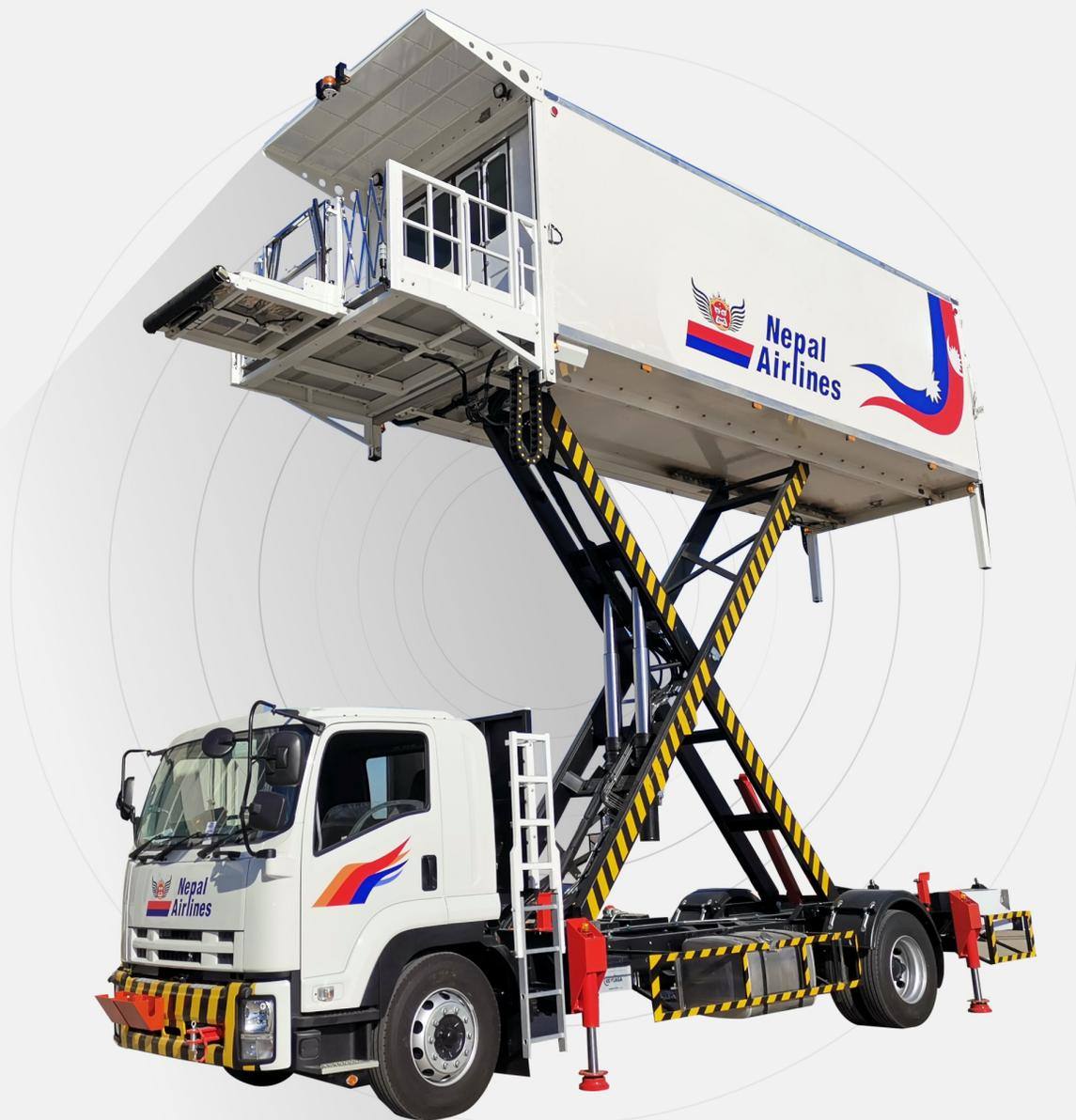
XC-6000e Type Aviation Catering Truck (Fuel Type)
Shenzhen CIMC-TianDa Airport Support Ltd.
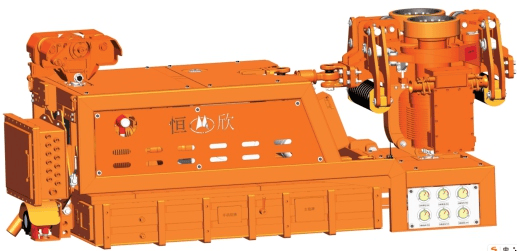
Explosion-proof lithium battery dispatching monorail crane locomotive (permanent magnet frequency conversion integrated machine)
Xiangtan Hengxin Industrial Co., Ltd.


3m intelligent buoy combining navigation safety and real-time marine monitoring integrated navigation and marine monitoring system for real-time maritime data
Chengdu Dixin Technology Co., Ltd.