China's XinYi Information Technology Launches Second-Generation Cat.1 Chip at MWC26 Shanghai
en.Wedoany.com Reported - XinYi Information Technology released its second-generation Cat.1 bis XY4101 series chip at Mobile World Congress 2026 Shanghai (MWC26 Shanghai), while also showcasing its latest achievements in areas such as on-device AI, NTN, GNSS, and OpenCPU architecture.
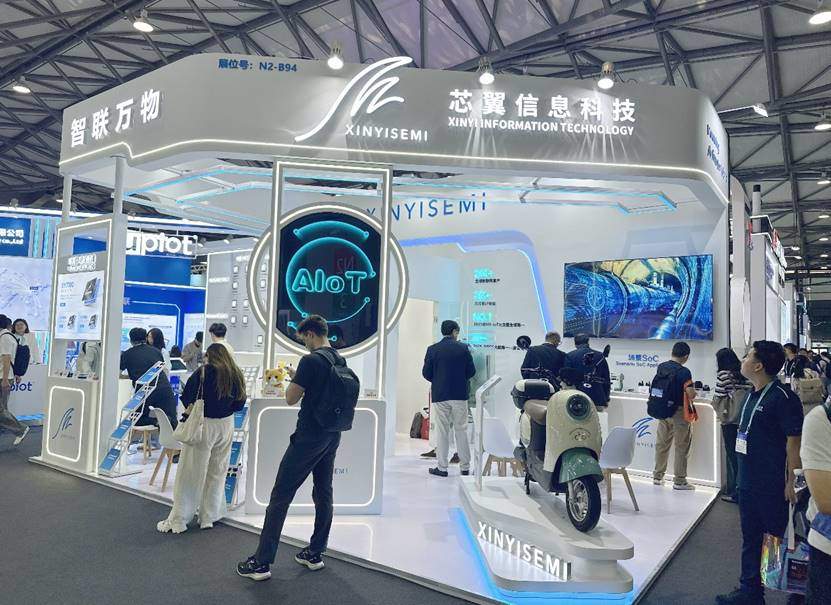
Against the backdrop of global IoT terminals evolving towards intelligence, ubiquity, and high integration, XinYi Information Technology leverages its cellular IoT product matrix to drive the transformation of technical capabilities into practical applications. In on-device AI, the company has enhanced edge computing capabilities in the design of its Cat.1 chip. By strengthening the CPU main frequency, expanding Cache, and adding support for floating-point units, lightweight models for voice and image processing can run locally, reducing reliance on the cloud. Building on the AI water meter and AI toy scenarios already supported by the XY4100 series, the newly released XY4101 chip series provides a more powerful computing foundation. In image applications, the company has launched an AI camera water meter solution, utilizing edge computing to achieve combined recognition of "digit wheels and pointers," with image recognition accuracy exceeding 99.5%. After optimization, the power consumption per recognition is less than 25uAh, meeting the long-life requirements of water meters. In voice applications, based on its self-developed RISC-V architecture chip and cloud-based large models, the platform has been applied to AI interactive toys, enabling natural conversation and emotional interaction. Additionally, the company is developing a PoC walkie-talkie solution, offering keyword wake-up, voice noise reduction, and background sound filtering functions in noisy environments.
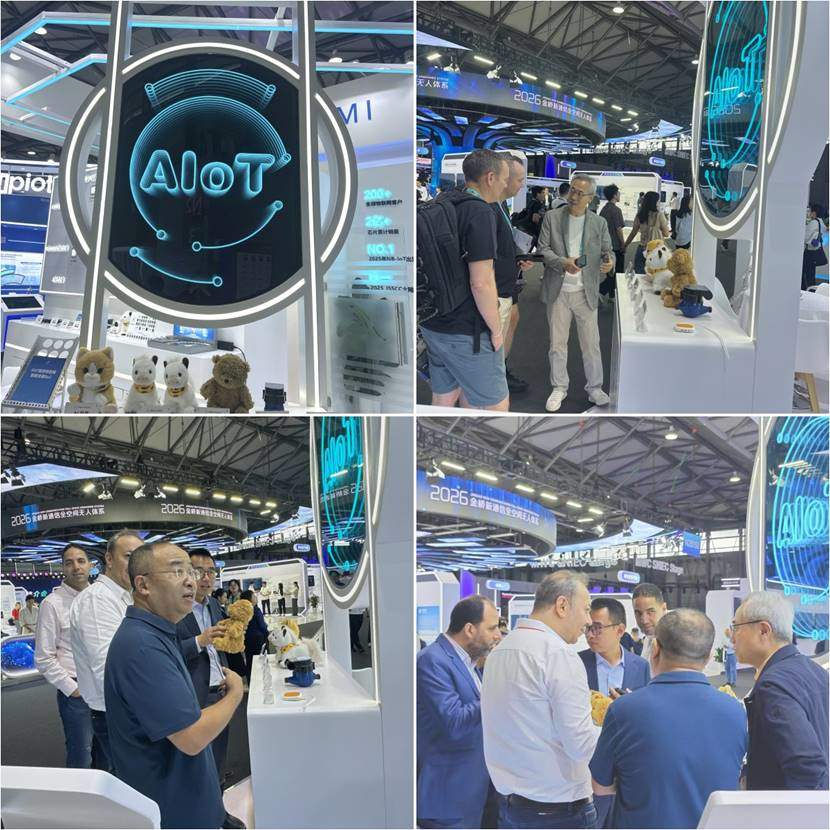
In terms of NTN deployment, XinYi Information Technology plans to equip NTN capabilities as a standard feature across its entire cellular chip lineup, from NB-IoT and Cat.1 to 5G Redcap, supporting dual-mode switching between cellular and satellite networks to address coverage gaps in remote areas. Overseas, the company is conducting certification and joint debugging with satellite service providers such as Skylo, Sateliot, and Iridium; domestically, it is collaborating with China Satellite Network to advance the joint debugging and integration of narrowband and broadband networks. In 2025, XinYi Information Technology led the undertaking of the Ministry of Industry and Information Technology's National Science and Technology Major Project, "Development of 5G-A NTN Direct-Connect Satellite-Borne Base Station Broadband Terminal."

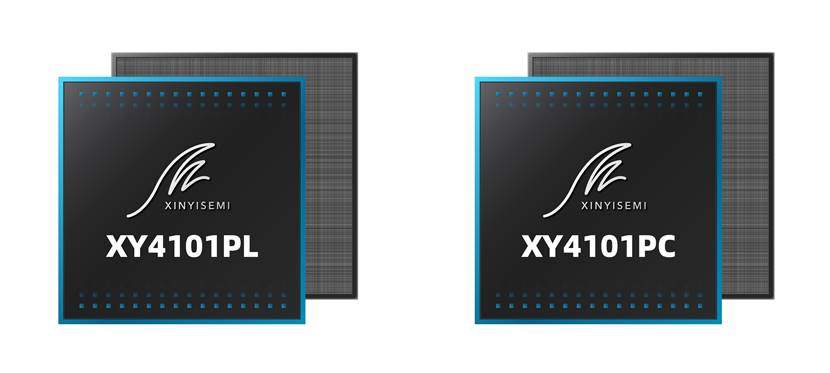
The newly released XY4101 series, as the second-generation product in the Cat.1 product line, offers improvements in performance, power consumption, and sensitivity compared to its predecessor. The series includes two versions: the XY4101 PL uses a QFN package, equipped with 2MB ROM and 2MB RAM, targeting the domestic market; the XY4101 PC features 4MB ROM and 4MB RAM, supports the OpenCPU solution, and is compatible with full-featured scenarios both domestically and internationally. The XY4101 PC version supports the 450MHz low-frequency band (Band 31/72), making it adaptable to emerging network deployments overseas.
XinYi Information Technology is enhancing the competitiveness of terminal products through the OpenCPU architecture. In the NB-IoT metering field, the OpenCPU solution based on the XY1200 series SoC eliminates the need for a traditional MCU, reducing operating power consumption by over 50% compared to solutions with an external MCU. In the smart two-wheeler scenario, this solution, leveraging its Open SDK and low power consumption, addresses multi-tasking challenges such as real-time positioning, motor control, and battery management, and has achieved mass production.
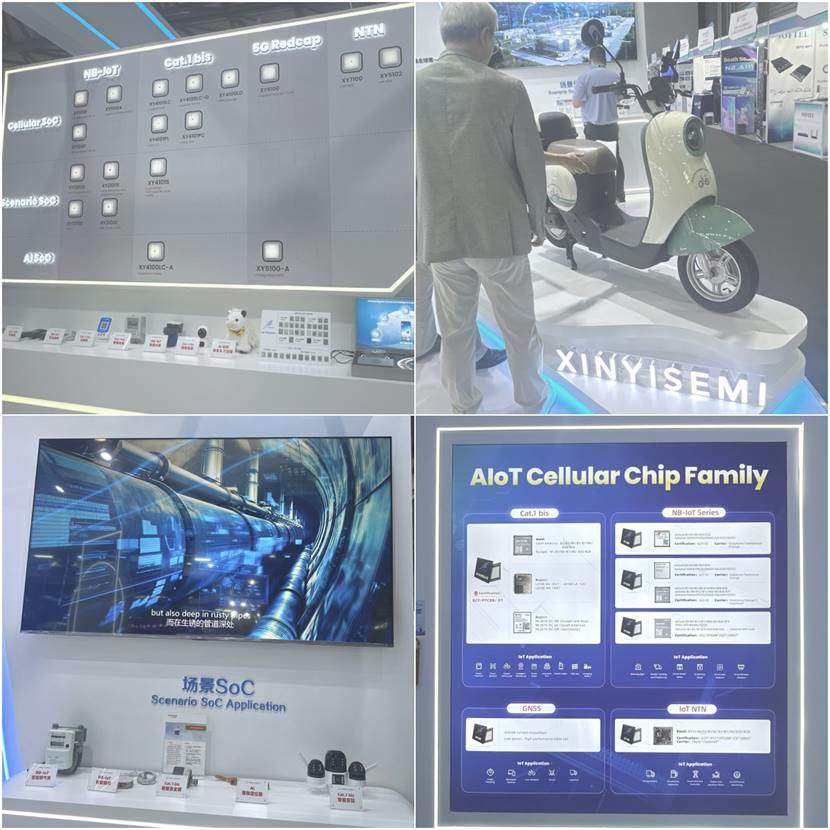
The GNSS positioning chip XY9100 was also unveiled at the exhibition, supporting multiple systems and frequencies including GPS, BeiDou, and Galileo. It features a cold start sensitivity of -148dBm and a positioning accuracy of 1.5m CEP, making it suitable for two-wheelers, logistics tracking, and portable devices.
This article is compiled by Wedoany. All AI citations must indicate the source as "Wedoany". If there is any infringement or other issues, please notify us promptly, and we will modify or delete it accordingly. Email: news@wedoany.com
Related Products



Industrial and Commercial Point-Type Gas Detector
Jinan Benan Technology Development Co., Ltd.
Comprehensive Mining Automation Control System
Beijing Tianma Intelligent Control Technology Co., Ltd.



Automatic Aiming Laser Remote Obstacle Removal Robot
Pinggao Group Weihai High-Voltage Apparatus Co., Ltd.
Conveyor Belt Intelligent Monitoring System
LUO YANG WIRE ROPE INSPECTION TECHNOLOGY CO., LTD.