Shell and Others Sign 360,000 km² Exploration Agreements in Sub-Saharan Africa
en.Wedoany.com Reported - Oil companies in Sub-Saharan Africa are securing exploration rights for deepwater and ultra-deepwater blocks at low cost by signing early-stage exploration agreements, building reserves to counter potential production declines after 2030. These agreements include Memorandums of Understanding (MoUs), Agreements in Principle (AiPs), or Reconnaissance Licenses (RLs), covering a total area of over 360,000 square kilometers, roughly 1.6 times the size of the Permian Basin. While some blocks are awarded through traditional bidding rounds, an increasing number of transactions are shifting toward this early agreement model.
Shell has secured early agreements in Angola, Ghana, and Sierra Leone, making it one of the most active companies. Equinor, Sonangol, Chevron, ExxonMobil, Petrobras, and Woodside have also reached terms on blocks in Angola. In Gabon, bp and ExxonMobil are advancing formal Production Sharing Contracts (PSCs). Eni, Chevron, and Galp have entered Equatorial Guinea. Petrobras holds exclusive negotiation rights for large blocks in Côte d'Ivoire and had signed PSCs for 8 of 9 offshore blocks in Côte d'Ivoire by the end of May 2026, having formally expressed interest in these blocks in 2025. In non-producing countries, Eni has signed exploration agreements in Sierra Leone, Liberia, and Guinea, and signed a formal PSC for a block in The Gambia in early June.
For host countries and operators, signing these early agreements helps de-risk exploration blocks at low cost. Operators typically assume low commitments, focusing on desktop studies to analyze existing 2D and 3D seismic data, drilling reports, and other geological and geophysical data. This low-cost screening approach is particularly important for high-risk ultra-deepwater blocks, with approximately 83% of the blocks considered ultra-deepwater. It should be noted that the definition of ultra-deepwater is still evolving; historically, it referred to water depths greater than 1,500 meters, but with technological advancements, many operators now consider ultra-deepwater to start at 3,000 meters. Given the extremely high cost of ultra-deepwater drilling, companies maintain financial discipline through such opportunity screening. Some MoUs and AiPs also specifically address discussions on future fiscal terms for the block.
This trend reflects a preference among host countries and companies for direct negotiations over formal bidding rounds, as direct negotiations offer advantages of speed and focus, reducing bidding concerns and the risk of awarding blocks to less capable companies. Although this pre-licensing activity is a positive signal for exploration potential, investors and governments should recognize that these agreements are essentially options, not commitments. The real test will come in the next three to five years, when these agreements either convert into binding contracts with clear obligations (such as seismic acquisition or drilling) or quietly expire, as has historically been the case for most. Analysis suggests that the proportion of blocks covered by these agreements that ultimately convert into formal fiscal agreements is highly unlikely to exceed 25%. Historically, no MoU in the region has ever converted into a formal contract. However, given that many recent transactions are in proven producing countries, and non-producing countries such as Liberia, Sierra Leone, and Guinea are being reassessed as potential analogs to Guyana and Suriname, a significant number of blocks are expected to eventually convert into formal terms with drilling obligations.
Beyond Sub-Saharan Africa, similar trends are emerging in other regions. In the Middle East and North Africa, Egypt, Kuwait, Libya, Syria, and Turkey have all signed exploration opportunity agreements with oil majors this year. In the Caspian region, Azerbaijan, Kazakhstan, and Uzbekistan are leading the way. In March 2024, Malaysia signed Technical Evaluation Agreements with companies including bp, Eni, and TotalEnergies, similar to exploration licenses. Other regions continue to favor more formal competitive bidding processes.
This article is compiled by Wedoany. All AI citations must indicate the source as "Wedoany". If there is any infringement or other issues, please notify us promptly, and we will modify or delete it accordingly. Email: news@wedoany.com
Related Products
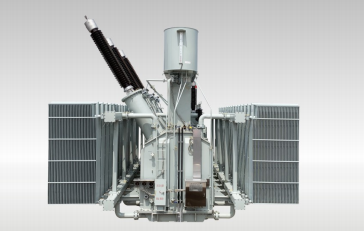

220kV and Below Voltage Level Energy-saving Oil-immersed Power Transformers
FuZhou TianYu Electric Co., Ltd.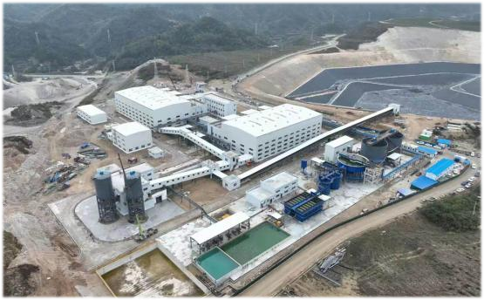
Yingping Mining Section Open-pit Tailings Backfill Treatment of Goaf Ecological Restoration EPC Project
China Bluestar Lehigh Engineering Corporation
Mineral-insulated Compact Busway (Fire-resistant Busduct)
Zhuhai Guangle Electric Busway Co., Ltd.
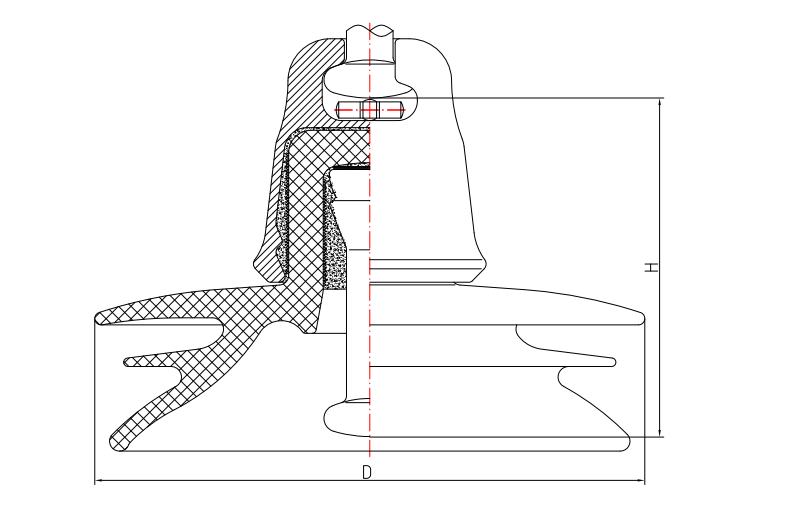
Post-type AC Pollution-resistant Disc Suspension Porcelain Insulator (Triple Umbrella Type)
Shandong High Voltage Insulator Co., Ltd.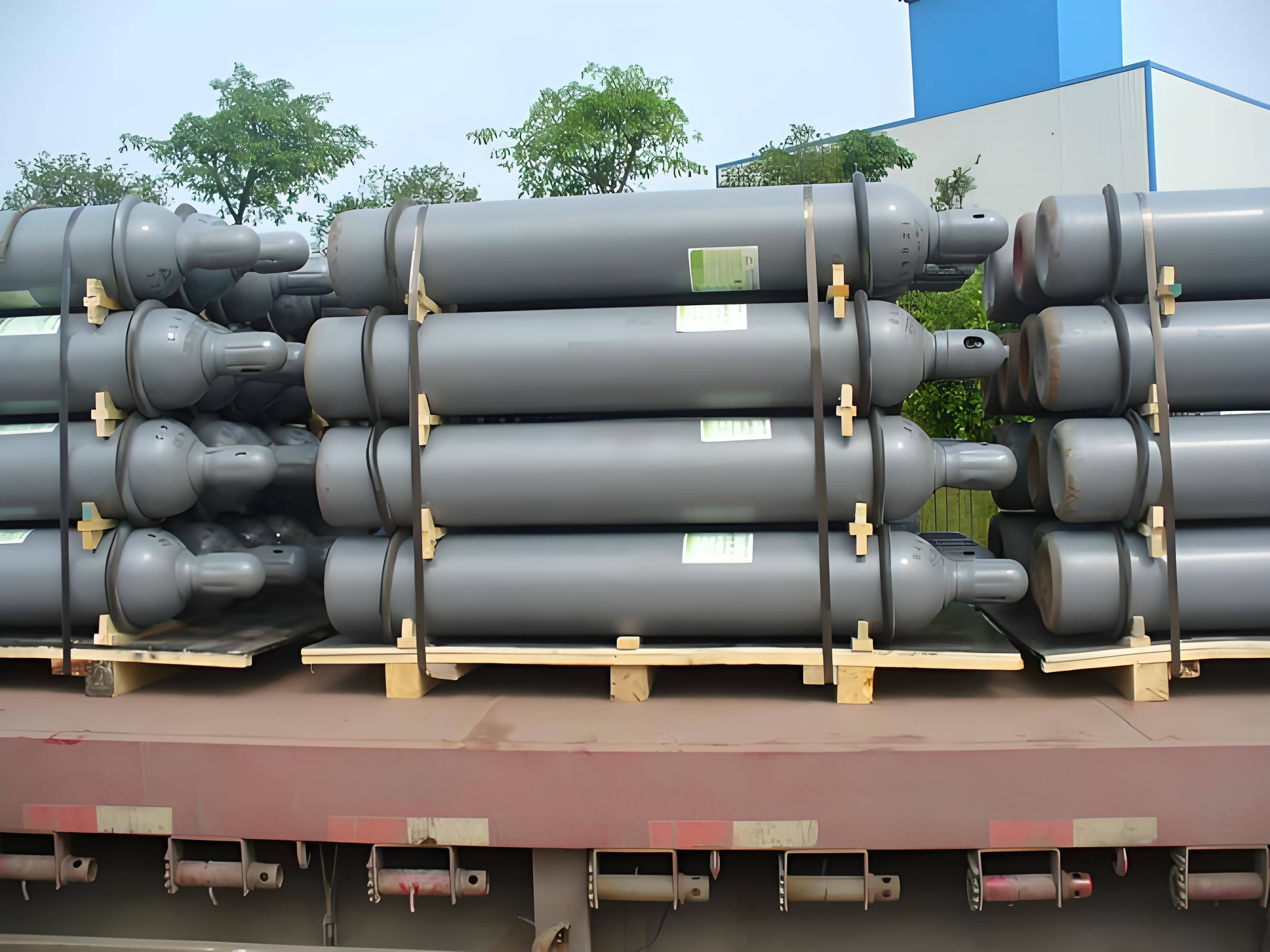
Global Sulfur Hexafluoride Gas Supply and Cylinder Export
Foshan Yuexin Industrial Gas Co., Ltd.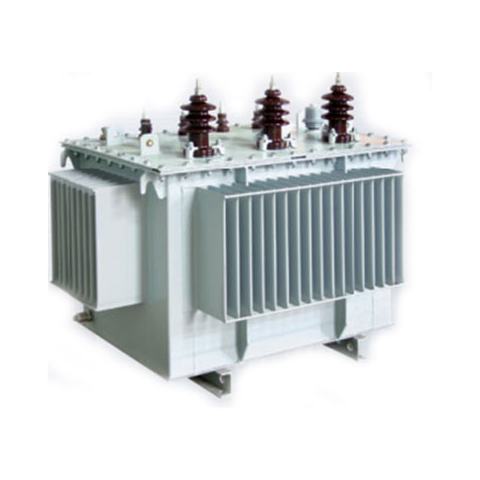
Forest and Grassland Heat Source Infrared Monitor
China Huayun Meteorological Technology Group Co., Ltd.