Full Construction Begins on UHVDC Project in Northeast Brazil
en.Wedoany.com Reported - On June 24, local time in Brazil, full construction commenced on the ±800 kV Ultra-High Voltage Direct Current (UHVDC) transmission project for new energy delivery in Northeast Brazil (hereinafter referred to as the "Northeast Brazil UHVDC Project").
Independently invested, constructed, and operated by State Grid Brazil Holding Company, the Northeast Brazil UHVDC Project is the largest transmission concession project in Brazil's history. It is the third UHVDC project undertaken overseas by State Grid Corporation of China, following the Belo Monte UHVDC Phase I and Phase II projects. The project was won in a bid in December 2023, the concession agreement was signed in April 2024, and the full construction permit was obtained in June 2026, marking the official entry into comprehensive construction. The project is scheduled for full commissioning in 2029, with a 30-year concession period.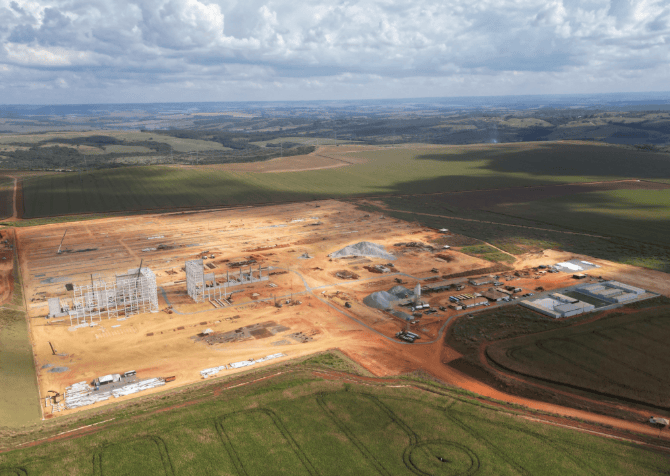
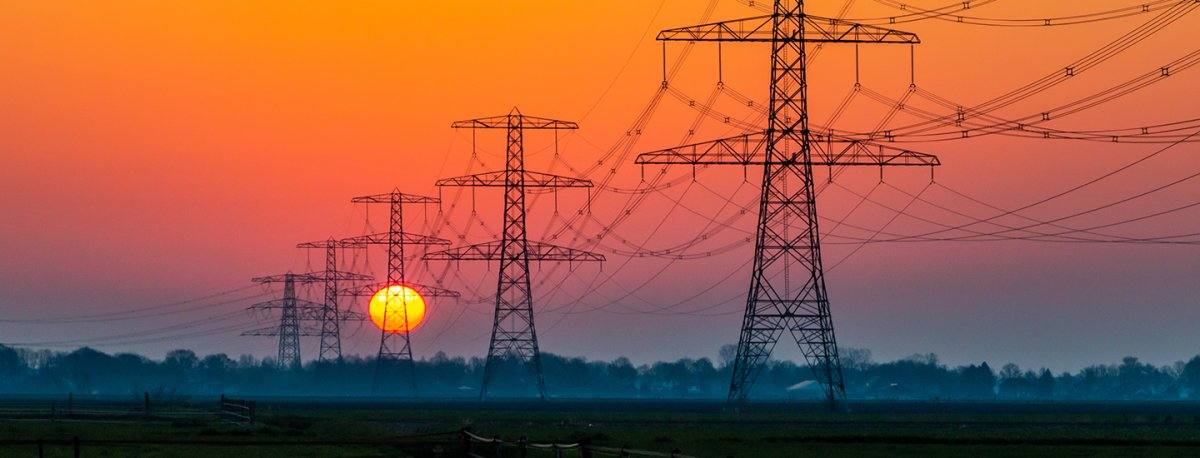
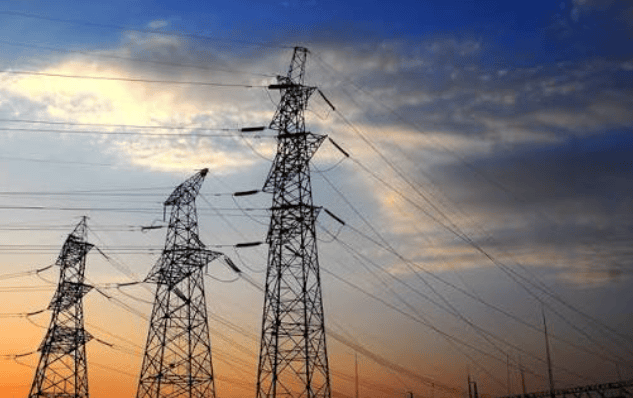
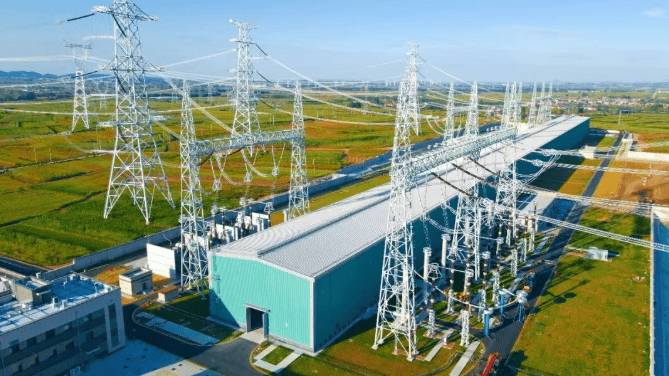
The Northeast Brazil UHVDC Project utilizes China's mature and advanced UHVDC transmission technology, constructing a new ±800 kV UHVDC transmission line with a total length of 1,468 kilometers, along with converter stations at both ends and related ancillary facilities. The line has a rated transmission capacity of 5,000 MW. The transmission corridor spans four Brazilian states: Maranhão, Tocantins, Goiás, and Minas Gerais. Upon completion and operation, the project will establish a long-distance, high-capacity transmission channel for new energy from Northeast Brazil, alleviating bottlenecks in the delivery of local wind and solar power. It will effectively enhance the power supply security for the Brasília capital city circle, help optimize Brazil's national energy resource allocation, accelerate the green and low-carbon transformation of the energy structure, and support sustainable economic and social development.
The Northeast Brazil UHVDC Project offers significant ecological and social benefits. It aggregates clean energy sources such as wind, solar, and hydropower from Northeast and North Brazil, transmitting them directly to load centers in the Central-East region, including Brasília, benefiting the electricity needs of approximately 12 million local residents. Upon completion and operation, it is expected to facilitate the consumption of over 20 billion kWh of clean energy annually, equivalent to reducing carbon dioxide emissions by 6.84 million tons. The project proactively avoids important natural reserves such as Jalapão State Park and the Central Plateau Environmental Protection Area; utilizes environmental survey modeling for scientific site and route selection to circumvent ecologically sensitive areas like natural caves and indigenous territories; and optimizes tower foundation and construction corridor designs to reduce native vegetation clearance by 42.9 hectares. It is expected to implement approximately 953 hectares of off-site reforestation to restore ecology along the route, minimizing the impact of construction on the local environment. During the construction phase, the project is expected to directly generate over 30,000 local jobs, comprehensively promoting industrial upgrading, improving people's livelihoods, and fostering balanced regional development along the route. Through this pragmatic power infrastructure project that balances ecological protection, low-carbon emission reduction, and livelihood development, it will comprehensively empower Brazil's local green and sustainable development.
The full commencement of this project marks another major milestone in China-Brazil practical cooperation. It is a vivid practice of implementing the important consensus between the heads of state of China and Brazil and deeply aligning the high-quality Belt and Road Initiative with Brazil's new "Growth Acceleration Program." This not only injects strong momentum into continuously deepening the China-Brazil comprehensive strategic partnership but also lays a solid cornerstone for energy cooperation as both countries jointly create a new "Golden Fifty Years" of bilateral relations and build a China-Brazil community with a shared future.
This article is compiled by Wedoany. All AI citations must indicate the source as "Wedoany". If there is any infringement or other issues, please notify us promptly, and we will modify or delete it accordingly. Email: news@wedoany.com
Related Products
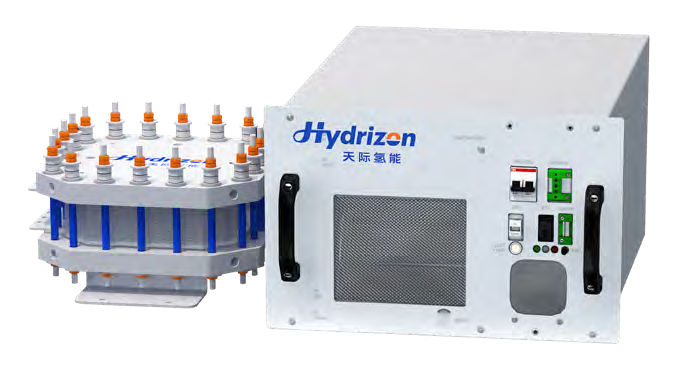

HI-Pro Green Hydrogen High-efficiency Production System-HI-PRO-AEM
Hydrizon Technology (Beijing) Co., Ltd.
TAI Slew-drive Single-axis Independent 1P Tracking Bracket System
ANTAI TECHNOLOGY CO., LTD.
0.66kV Power Supply Instrument Transformer
Guangdong Sihui Instrument Transformer Works Co., Ltd.
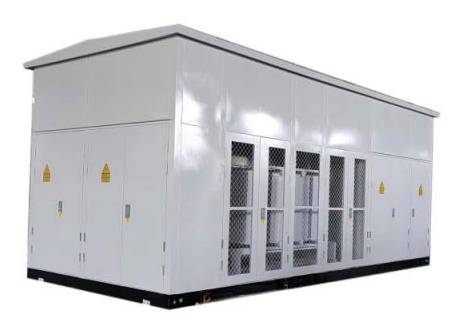
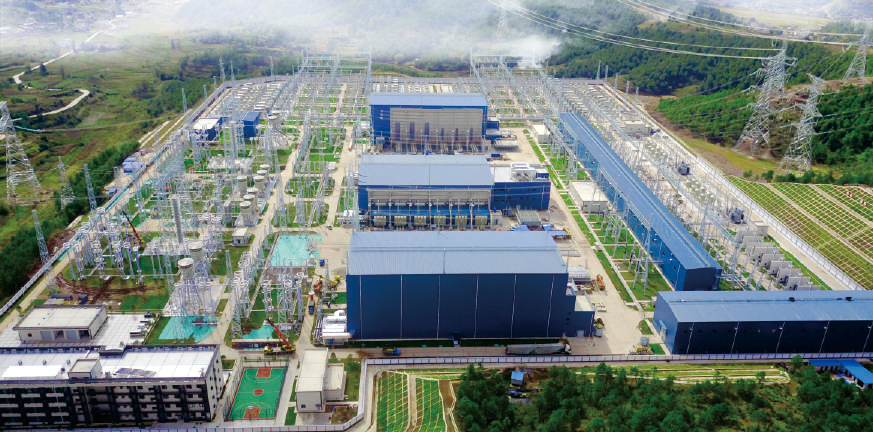
High-voltage Direct Current (HVDC) Transmission System Research and Integrated Design
XI'AN XD POWER SYSTEMS CO., LTD.
G.652.D Wavelength-extended Non-dispersion Shifted Single-mode Optical Fiber
HONGAN GROUP CO., LTD.
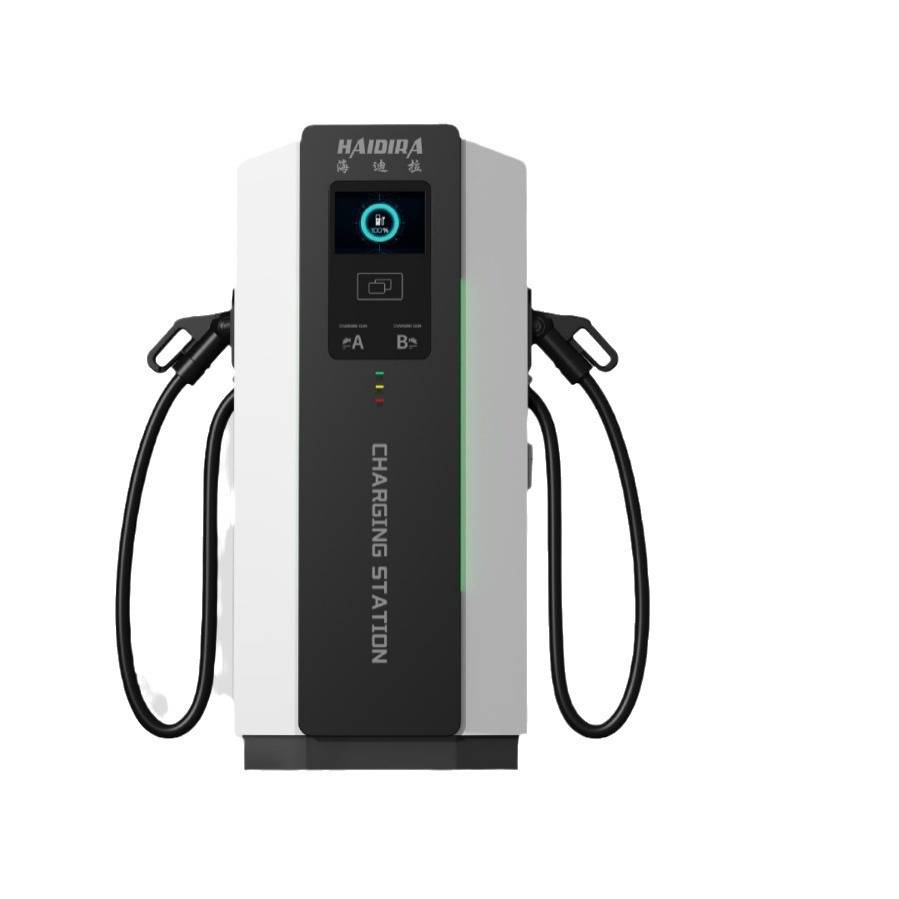
Manufacturer Direct Sales Tesla New Energy Electric Vehicle Universal DC 180kW Dual-gun Charging Pile Commercial Fast Charger
Anhui Haidira Electric Technology Co., Ltd.
Bidirectional Metal Hard Sealed Seawater Butterfly Valve
Henan Quanshun Flow Control Science & Technology Co., Ltd.