Nigeria's REA Deploys Over 1,000 Mini-Grids
en.Wedoany.com Reported - The Rural Electrification Agency (REA) has deployed over 1,000 renewable energy mini-grids across Nigeria as part of its efforts to expand electricity coverage in rural and underserved communities. The agency's Managing Director, Abba Abubakar Aliyu, disclosed this in an interview with Trust TV on Tuesday, stating that through a combination of public support and private sector investment, these mini-grids are helping to bridge the country's electricity supply gap.
According to Aliyu, isolated mini-grids target communities that cannot access the national grid, while the agency is developing 50 interconnected mini-grids to improve power supply in areas already connected to the grid but still facing shortages. He explained that the federal government is leveraging the $750 million "Distributed Access through Renewable Energy Scale-up (DARES)" program to attract more private sector participation in Nigeria's clean energy sector. Rather than relying entirely on public borrowing to fund energy projects, the program aims to mobilize private capital for investment in renewable energy infrastructure through grant support and results-based financing. Aliyu stated that the program is expected to attract an additional $1.1 billion in private investment, bringing total funding for rural electrification projects to nearly $2 billion.
The DARES program, supported by the World Bank and implemented through the REA, aims to accelerate access to reliable and sustainable electricity while encouraging long-term private sector engagement in the energy transition. The REA head also highlighted the growing local capacity in Nigeria's solar energy industry, attributing recent progress to government interventions aimed at strengthening domestic renewable energy manufacturing. He noted that Nigeria's solar photovoltaic (PV) panel production capacity has increased from approximately 120 MW to between 500 and 600 MW, with plans to expand manufacturing capacity to 3.7 GW. He also pointed out that solar panels produced in Nigeria have begun supplying local projects and are being exported to other African countries, reflecting the country's growing role in Africa's renewable energy value chain. The expansion of mini-grids and the enhancement of local solar manufacturing are expected to support Nigeria's clean energy goals, reduce energy poverty, and improve access to reliable electricity for millions of households, businesses, and public institutions across the country.
This article is compiled by Wedoany. All AI citations must indicate the source as "Wedoany". If there is any infringement or other issues, please notify us promptly, and we will modify or delete it accordingly. Email: news@wedoany.com
Related Products


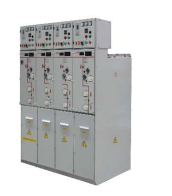
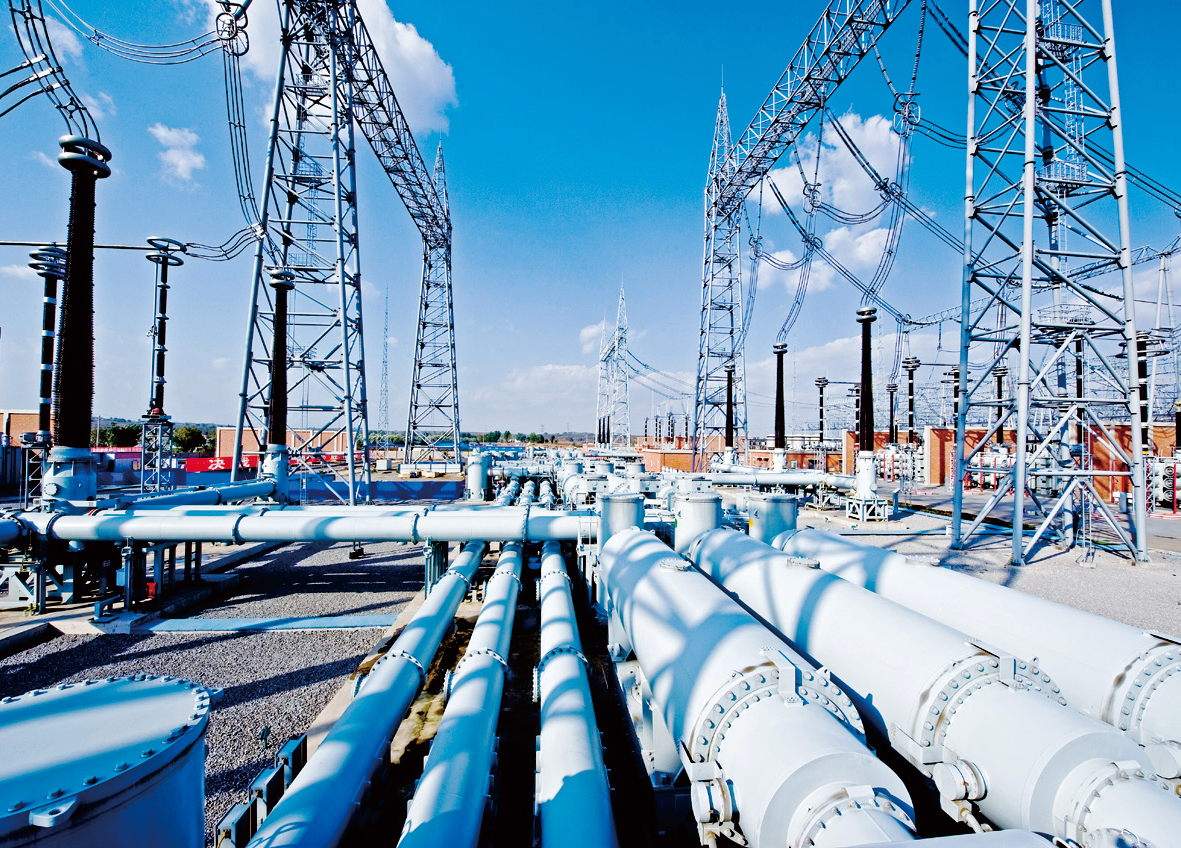
40.5kV-1100kV Gas Insulated Metal-Enclosed Switchgear (GIS)
Henan Pinggao Electric Co., Ltd.
Standard Nozzle Flowmeter
Jinggong Automatic Control Instrument Complete Technology Development Company
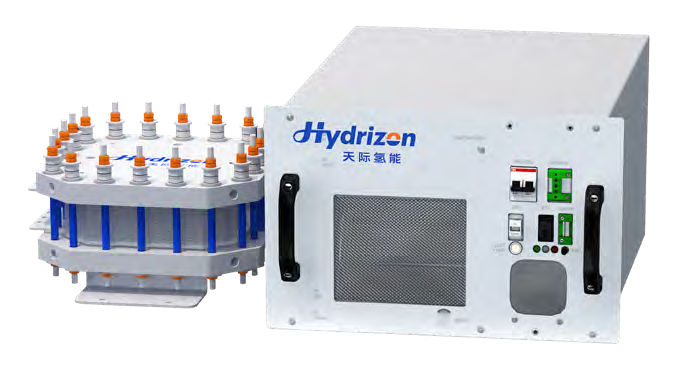
HI-Pro Green Hydrogen High-efficiency Production System-HI-PRO-AEM
Hydrizon Technology (Beijing) Co., Ltd.