Equinor to make final investment decision on Wisting field by end of 2027
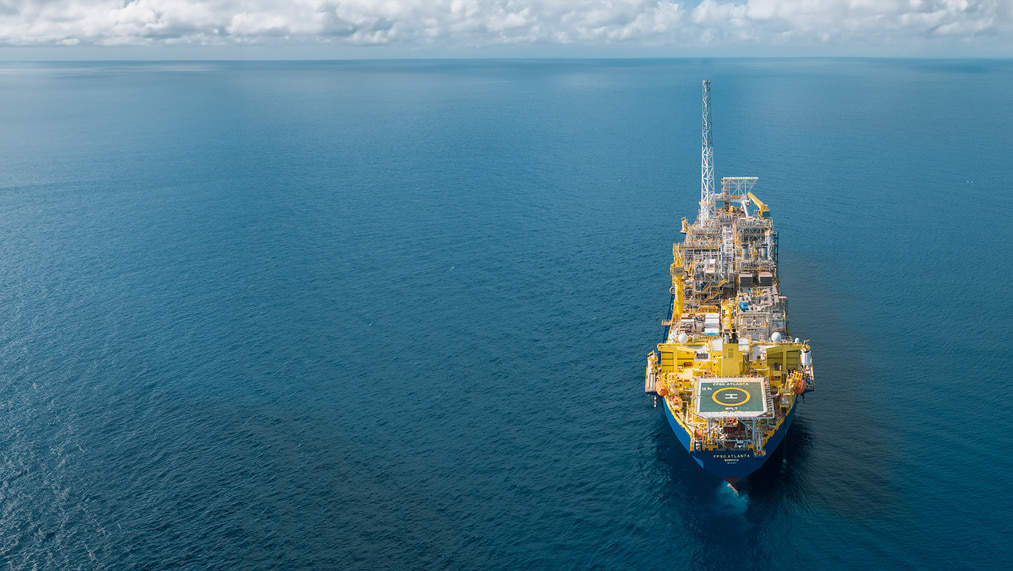
en.Wedoany.com Reported - Norwegian state-owned energy giant Equinor has submitted a draft Environmental Impact Assessment (EIA) for the potential development of the Wisting field in the Barents Sea for public consultation, entering a 16-week public review period. The Wisting field is described as the largest undeveloped oil discovery on the Norwegian continental shelf to date, with estimated recoverable reserves of just under 500 million barrels of oil equivalent. Partners have selected a floating production, storage, and offloading (FPSO) vessel for the project's development.
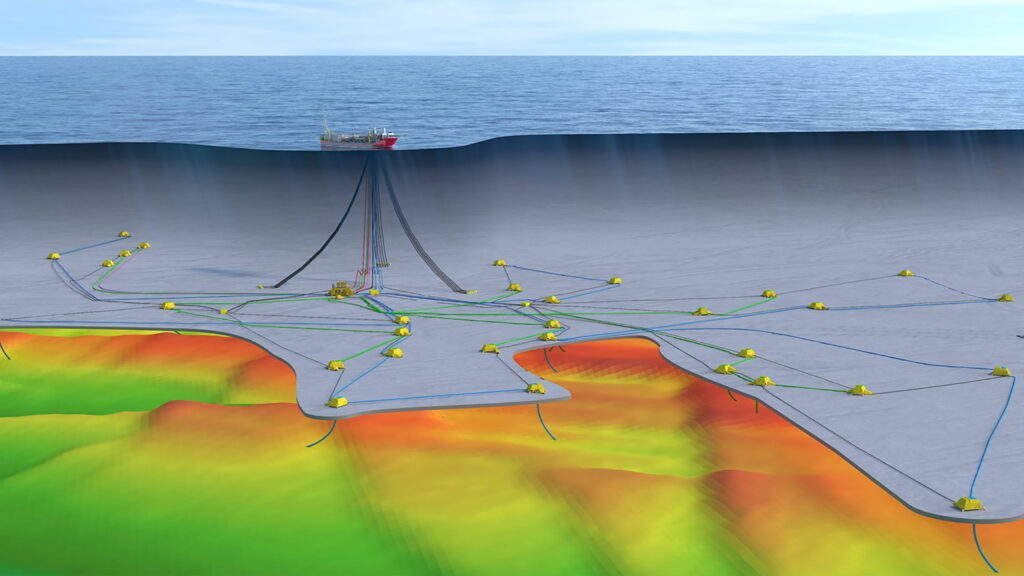
The project remains in its early stages, and further progress depends on additional improvements to achieve profitability and feasibility. Given the scale of the power facilities and the fact that the facility is a new build, the project team will also assess the potential of carbon capture and storage (CCS) in curbing carbon dioxide emissions during production. Equinor stated that further maturation work and sub-studies are currently underway, and any continuation of the CCS option will depend on whether the power turbines and potential CCS facilities can meet necessary technical and regulatory conditions within an acceptable cost and timeframe.
Partners plan to make a final concept selection and decide whether to proceed by the end of 2026, with solutions required to meet the demands of safe and efficient operations in the Barents Sea. A final investment decision (FID) is planned for the end of 2027. Trond Bokn, Equinor's Senior Vice President for Project Development, commented that significant progress has been made on the Wisting project since its postponement in 2022, but there is still substantial work to be done before determining whether there is a basis for a final investment decision. The shore power option has been fully assessed but was ruled out due to technical complexity and high costs; work is currently continuing on power generation based on an efficient gas turbine solution.
If the Wisting field is developed, it is expected to generate substantial revenue for Norwegian society and create significant ripple effects for the country's supplier industry during both the development phase and throughout operations. The approximately 30-year operational period is expected to bring the largest and most lasting ripple effects, with nearly all operational activities to be conducted in Norway, creating value and employment opportunities for national and regional industries. Drilling, completion, and subsea development account for about half of the total Wisting project investment, with most activities generating value in Norwegian industry. Local suppliers will have unique opportunities to demonstrate competitiveness in the engineering, procurement, and construction of production vessel modules. Additionally, procurement activities will create significant opportunities for many Norwegian equipment suppliers, though the hull itself cannot be built at Norwegian shipyards due to hull size and infrastructure constraints.
The current license holders for the Wisting project are Equinor (42.5%), Aker BP (27.5%), Petoro (20%), and Inpex Idemitsu Norge (10%), following the completion of a previously disclosed transaction between the first two companies and government approval. The Wisting field is located in PL 537 license block, approximately 310 kilometers north of Hammerfest, with water depths ranging from 390 to 418 meters. It was discovered in 2013 in the Hoop area of the Barents Sea.
This article is compiled by Wedoany. All AI citations must indicate the source as "Wedoany". If there is any infringement or other issues, please notify us promptly, and we will modify or delete it accordingly. Email: news@wedoany.com
Related Products

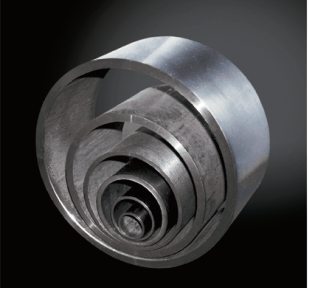
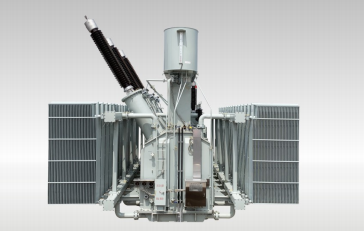
220kV and Below Voltage Level Energy-saving Oil-immersed Power Transformers
FuZhou TianYu Electric Co., Ltd.
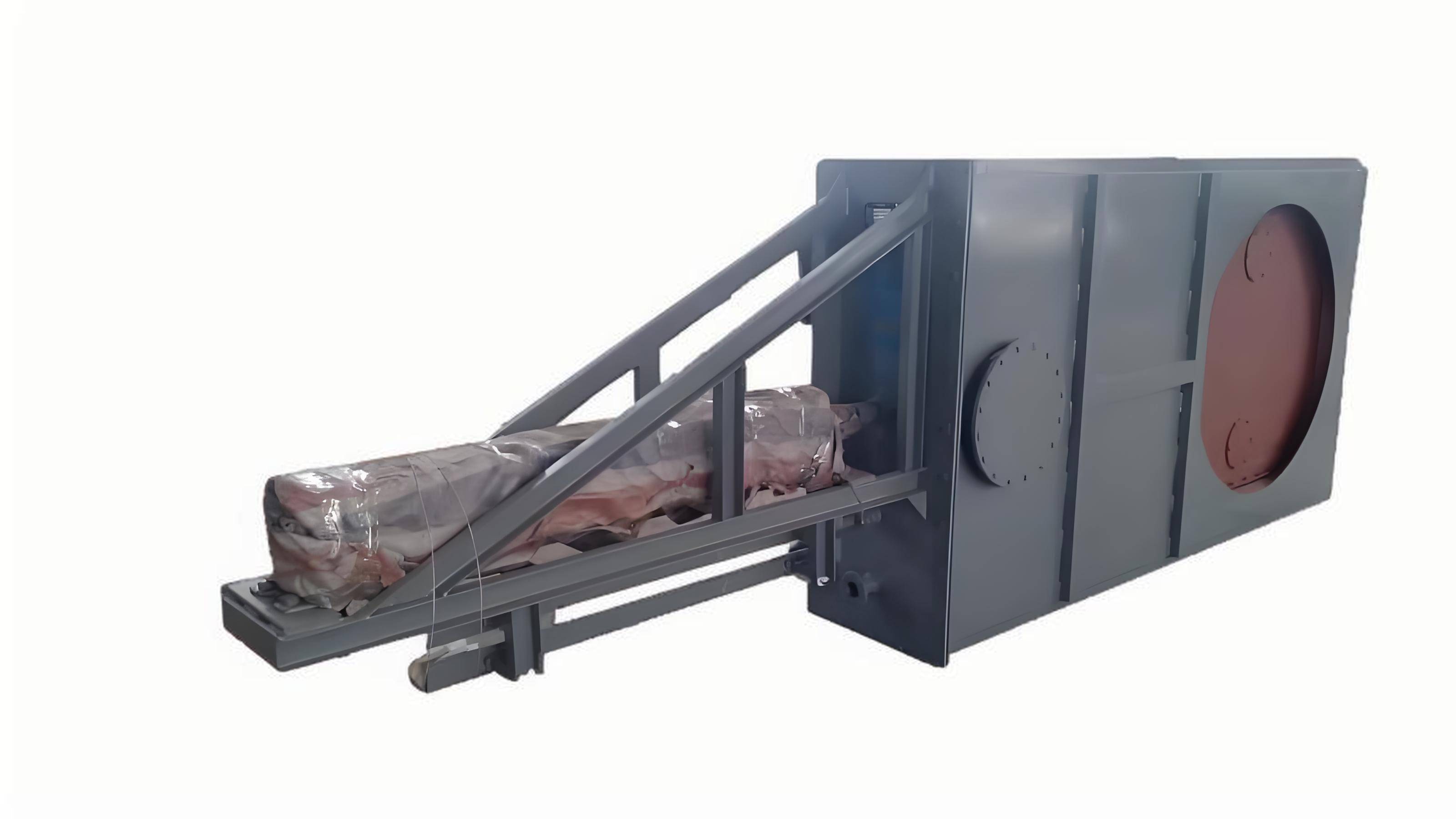
Double-slide Triple-sealed Hot Air Isolation Door
Xi'an Yingchuan Electric Power Equipment Co., Ltd.
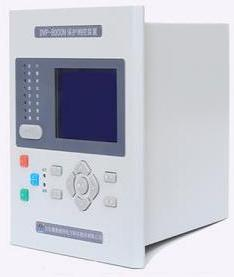
Microcomputer Protection and Substation Automation
Beijing Agent Devote Power Technology Development Co., Ltd.