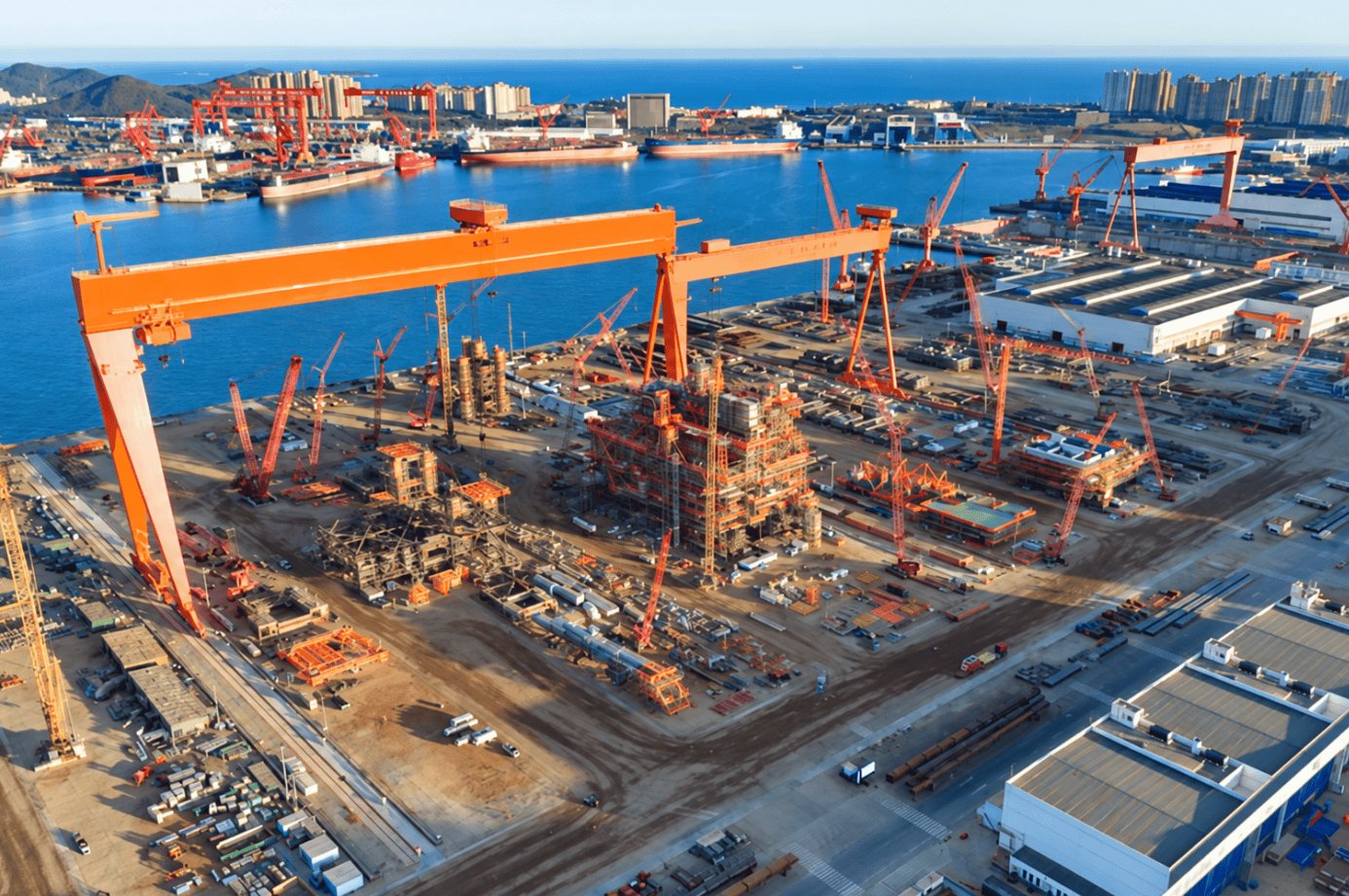
Brazil's Oil Production to Peak at 5.3 Million Barrels per Day in 2030, Developing New Basins Becomes Strategic Necessity
en.Wedoany.com Reported - Brazil's oil production is expected to peak in 2030, followed by a decline phase. Developing new exploration areas such as the Equatorial Margin (Margem Equatorial) and the Pelotas Basin (Bacia de Pelotas) has become a strategic necessity to secure the country's future energy position.

The Campos Basin (Bacia de Campos) was once the core of Brazil's offshore oil production, with a peak daily output of 1.5 to 1.8 million barrels of oil equivalent, but this figure has now fallen to less than half. The Energy Research Company (Empresa de Pesquisa Energética, EPE) estimates that Brazil's oil production will peak at 5.3 million barrels per day in 2030. The Ministry of Mines and Energy (Ministério de Minas e Energia) calculates that without new exploration frontiers, production will halve by 2040 and approach zero by 2050. Petrobras' reserve-to-production ratio is approximately 11 to 13 years, indicating that without immediate investment in new regional exploration, the energy advantage the country has built over the past decades will be at risk.
The Equatorial Margin and the Pelotas Basin are seen as the most pragmatic expansion options. The Equatorial Margin extends from Amapá State to Rio Grande do Norte State, with its geological analogy directly stemming from major discoveries in the Equatorial Atlantic basins of Africa in recent years. Its petroleum systems are comparable to those of Guyana and Suriname, with preliminary estimates indicating significant reserve volumes. The Pelotas Basin spans approximately 41,000 square kilometers along the coasts of Rio Grande do Sul and Santa Catarina states, drawing attention due to world-class discoveries in Namibia, with which it shares a common geological origin from the ancient supercontinent. In the 2023 auction, 44 blocks were awarded to major operators, with a minimum investment commitment of approximately 1.5 billion reais. In 2024, significant seismic studies were initiated, and the National Agency of Petroleum, Natural Gas and Biofuels (Agência Nacional do Petróleo, Gás Natural e Biocombustíveis, ANP) has indicated that new blocks will be offered in the future. Experts estimate the region's potential exceeds 15 billion barrels, pending exploration confirmation.
Industry sources point out that it may take 7 to 10 years or longer from the start of exploration to first oil production, and with Brazil's output expected to decline after 2030, a risk window emerges. The early positioning of major operators aims to ensure reserve replacement and sustained industry activity, guaranteeing business sustainability beyond 2035. The Brazilian Petroleum Institute (IBP) warns that without new frontier openings and regulatory stability, Brazil could once again become an oil importer.
The development of new frontiers faces obstacles including environmental licensing uncertainties, fragile logistics infrastructure, and the need for regulatory and tax predictability. Meanwhile, the global peak in oil demand is expected within the next 5 to 10 years, adding urgency to current decisions. New frontiers offer opportunities for the supplier industry and national technological development. The view is that the Equatorial Margin and the Pelotas Basin represent a strategic response to the decline of mature basins. Brazil possesses geological, technological, and market competitive advantages, but needs to enhance regulatory flexibility and legal-tax predictability to seize the current opportunity.
This article is compiled by Wedoany. All AI citations must indicate the source as "Wedoany". If there is any infringement or other issues, please notify us promptly, and we will modify or delete it accordingly. Email: news@wedoany.com
Related Products

Forest and Grassland Heat Source Infrared Monitor
China Huayun Meteorological Technology Group Co., Ltd.
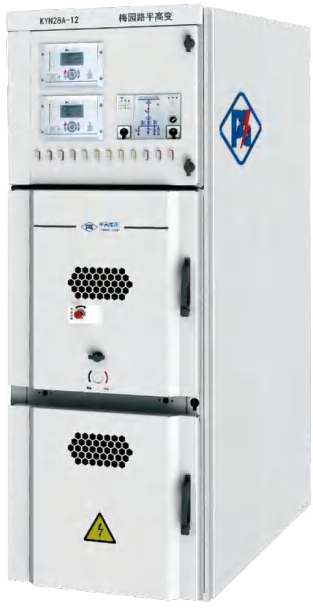
KYN28A-12 Metal Armored Removable Switchgear
Tianjin Ping Gao Intelligent Electric Co., Ltd.
TAI Slew-drive Single-axis Independent 1P Tracking Bracket System
ANTAI TECHNOLOGY CO., LTD.
CITIC Heavy Industries Offshore Wind Power Equipment Hydraulic Pile Hammer
CITIC Heavy Industries Co., Ltd.

Industrial and Commercial Point-Type Gas Detector
Jinan Benan Technology Development Co., Ltd.