en.Wedoany.com Reported - FedEx Freight, benefiting from a tightening truckload market due to capacity constraints, saw a boost in earnings in the fourth quarter of fiscal year 2026, which ended May 31. Company executives stated during a June 25 earnings call that as the largest less-than-truckload (LTL) carrier in North America, FedEx Freight particularly benefited from the spillover effect of heavier freight on backhaul routes.
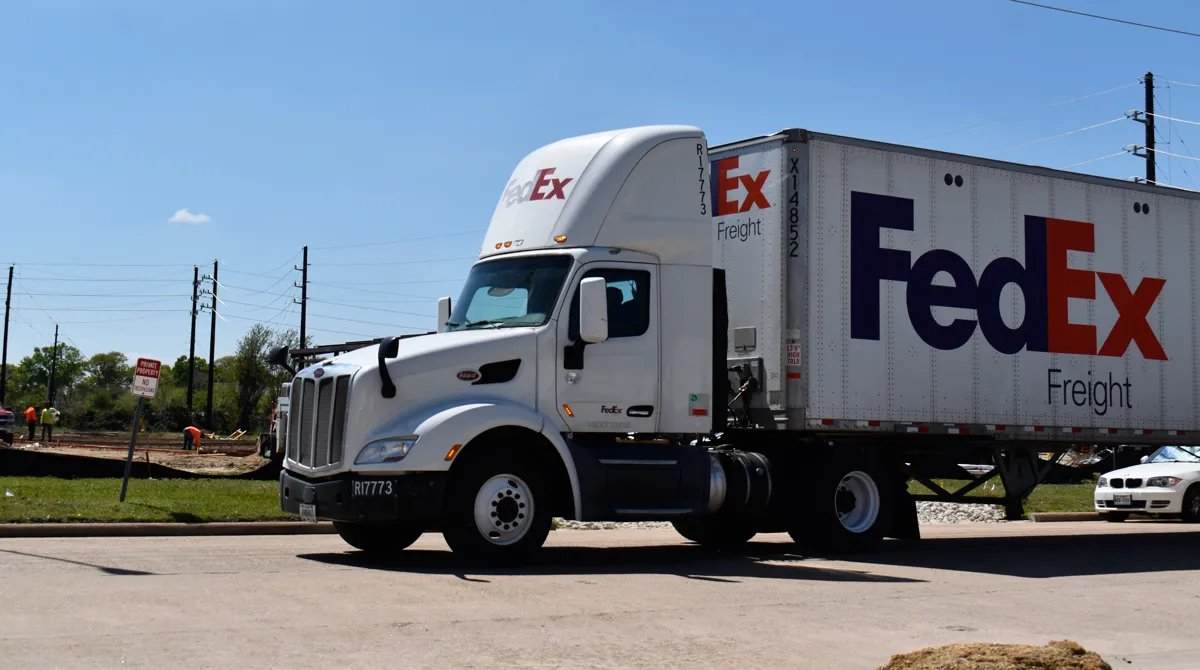
Chief Financial Officer Marshall Witt told analysts and investors that pricing in some truckload segments makes FedEx Freight a very attractive option, which benefits the company's balance and revenue. Revenue for the quarter was $2.41 billion, a 4.8% increase from $2.3 billion in the same period last year.
This quarter was the last full quarter for FedEx Freight as part of FedEx Corp. before it was spun off from the parent company on June 1. The company stated that revenue growth was primarily driven by favorable fuel surcharge impacts and increased weight per shipment, partially offset by lower shipment volumes and a slight decline in base revenue per hundredweight. Average weight per shipment was 948 pounds, a 3% increase from 920 pounds in the same period last year.
FedEx Freight, now trading under the ticker FDXF, reported average daily shipments of 86,734 in the most recent quarter, a 5.9% decline from 92,129 in the same period last year. Average revenue per shipment was $415.22, an 11.5% increase from $372.55 in the same period last year. Since the beginning of 2026, capacity in the truckload sector has been tightening due to federal enforcement actions regarding non-resident commercial driver's licenses, the closure of some driving schools, and visa issues for foreign drivers.
FedEx Freight CEO John Smith told analysts that the company is seeing some truckload volumes returning. This not only helps backhaul transportation, but some large-volume freight that was previously part of milk runs is also returning to truckload, pushing these large shipments back into the LTL market. Smith and Witt stated that the company is transitioning to reporting on a calendar year basis and is optimistic about the freight market outlook.
Although shipment volumes were weak in the most recent quarter, senior executives pointed out that the trend line is reversing. Smith told Transport Topics in late May that the freight market recovery would face bumps. During the call with analysts, he said he is seeing some quite encouraging signs that demand conditions are beginning to stabilize or even rise across the industry. These leading indicators include the Institute for Supply Management (ISM) manufacturing activity, truckload spot prices, and capacity trends.
FedEx Freight expects revenue growth of 4% to 6% for the remainder of 2026, slightly above the guidance given at its first Investor Day in April. Witt attributed this partly to the dynamic fuel environment. According to data from the U.S. Department of Energy, the national average diesel price was $3.809 per gallon on February 28, the last reading before the U.S. and Israel began bombing Iranian targets; during the week starting May 18, the average price reached $5.596 per gallon, with the latest estimate at $4.832 per gallon on June 22.
While benchmark crude oil futures are currently below pre-war levels, the diesel supply chain is expected to take longer to readjust. Revenue is also expected to get a boost from a more focused FedEx Freight, whose sales team now targets only LTL customers, with Smith and the management team responsible for targeting higher-margin vertical markets. Executives outlined the pillars of this offensive plan at the April Investor Day, with FedEx Freight aiming to increase its market share in the small and medium-sized business (SMB), grocery, healthcare, data center, and energy sectors.
Chief Professional Services and Commerce Officer Mike Lyons stated in April that FedEx Freight has extremely low penetration in the $9 billion SMB segment of the LTL market, with most revenue coming from large enterprise customers. Smith told Transport Topics in late May that the company has zero business in the food and beverage market, which the company believes is a market that can perform well regardless of market conditions. The company will also benefit from relatively low de-bundling levels in contracts signed before the spin-off. Bank of America Securities analyst Ken Hoexter stated that approximately 10% of the company's revenue involves bundled contracts, with discounts averaging between 1% and 3%, significantly smaller than expected.
This article is compiled by Wedoany. All AI citations must indicate the source as "Wedoany". If there is any infringement or other issues, please notify us promptly, and we will modify or delete it accordingly. Email: news@wedoany.com
Related Products
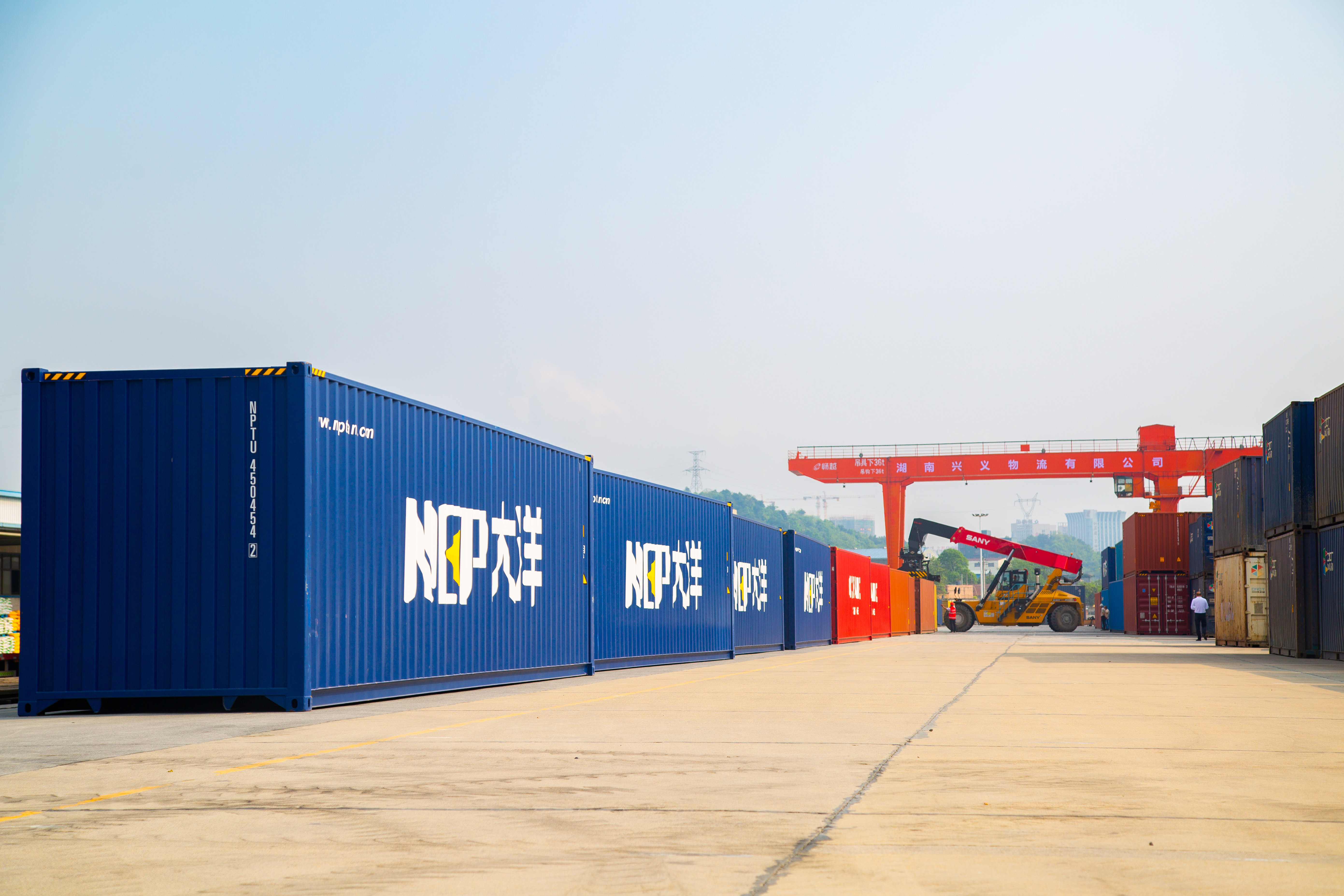

China - Alashankou/Khorgos - Europe Full Range Transportation (Mala/Hamburg/Duisburg/Budapest, etc.)
Shenzhen Neptune Logistics Co., Ltd.


Wheel and Track Technology Business
Beijing Research & Design Institute of Rubber Industry Co., Ltd.




Pantograph-Catenary Comprehensive Detection Device (1C)
CHENGDU TANGYUAN ELECTRIC CO., LTD.