Multiple German operators build and upgrade 5G/LTE base stations in Bavaria and other states
en.Wedoany.com Reported - Deutsche Telekom, Vodafone, and Telefónica Germany (o2-Telefónica) reported progress in mobile network expansion this week, with new or upgraded base stations in several federal states. Vodafone is focusing on Bavaria, disclosing upgrade plans for some facilities in advance; Telefónica Germany (o2-Telefónica) continues to expand its 5G network and has activated "Greenfield" sites in areas previously without signal. 1&1 has no expansion news yet, but construction is ongoing; users can search for network "262-23" in the "network search" for details.
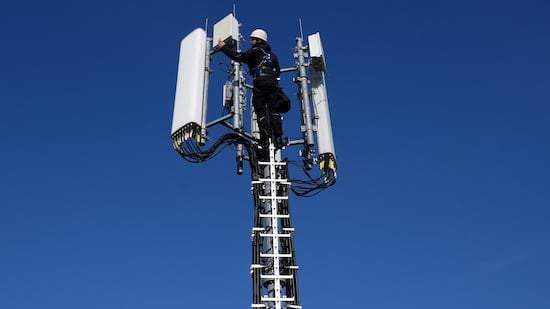
In Bavaria, Deutsche Telekom has started construction of an approximately 40-meter-high steel lattice tower near Wörth an der Donau in the Donau-Ries district, built by German Mobile Infrastructure Company (DFMG), which other operators can later share; in the Straubing-Bogen district, a roughly 20-meter-high centrifugal concrete tower has been erected in Rettenbach, expected to be operational in autumn. The district's 53 sites cover 91.9% of the area, with plans to build over 10 new sites and expand more than 30 sites by 2029. Vodafone has built a new 4G/LTE base station in the Ansbach district, where 86 of 88 base stations use 4G/LTE and 54 support 5G/NR; Dinkelsbühl, Herrieden, and Lichtenau will subsequently receive 5G coverage, and by 2027, two new sites in Arberg will become operational. In the Erding district, a 5G mobile base station has been activated to fill a signal dead zone; all 45 mobile base stations in the district use 4G/LTE, with 34 already supporting 5G/NR, and six new sites are planned for Oberding by 2027. In the Pfaffenhofen district, a new 5G base station has been built; all 48 facilities use 4G/LTE, 33 use 5G/NR, with Manching and Rohrbach set to be upgraded to 5G next, and Baar-Ebenhausen, Manching, and Rohrbach to receive new LTE and 5G antennas. In the Deggendorf district, the total number of 5G base stations has increased to 40, all supporting 4G/LTE, with 29 equipped with 5G/NR. In the Miesbach district, a new 5G transmission station has been built; of the 53 transmission stations in the district, one uses only 2G/GSM, 52 use 4G/LTE, and 36 use 5G/NR. In the Traunstein district, two new 4G/LTE base stations have been built; of the 67 facilities in the district, three use only 2G/GSM, 64 use 4G/LTE, and 39 support 5G/NR, with Traunreut set to receive a 5G upgrade and antennas to be added in Traunreut and Surberg. In the Amberg-Sulzbach district, a new 5G transmitter has been built; all 52 mobile base stations in the district support 4G/LTE, with 40 already supporting 5G/NR. In the Regen district, a new 4G/LTE base station has been built; all 38 facilities in the district use 4G/LTE, with 23 already supporting 5G/NR, and Plachenbach and Bayerisch Eisenstein set to receive 5G upgrades, with LTE and 5G antennas to be added at three existing sites in Regen and Bayerisch Eisenstein. In the Bamberg district, a new 5G base station has been built; all 52 base stations are equipped with 4G/LTE, and 35 also have 5G/NR. In the Straubing-Bogen district, the total number of 5G base stations has increased to 42, all supporting 4G/LTE, with 31 already equipped with 5G/NR. In the Haßberge district, a new 5G facility has been built; all 37 base stations in the district support 4G/LTE, with 37 also supporting 5G/NR. In the Kitzingen district, the total number of 5G base stations has increased to 49, with 47 using 4G/LTE and 27 already supporting 5G/NR; additional LTE and 5G antennas will be installed at two existing sites in Kitzingen. In the Bad Kissingen district, a new 5G facility has been built; all 67 mobile base stations in the district use 4G/LTE transmission, with 40 also supporting 5G/NR, and by 2027, two new sites in Zeitlofs will become operational. Additionally, Vodafone is conducting base station upgrades or maintenance in the Berchtesgaden area (June 29 to estimated July 13, 17:00), the Munich area (June 29 to estimated July 13, 12:00), and the Neu-Ulm area (June 29 to estimated July 17, 18:00), during which network signals in the affected areas will be weak to non-existent. Telefónica Germany (o2-Telefónica) has built a new fast 5G transmitter (frequency 3600 MHz) in Kiening; new o2 greenfield sites (with n28) in Petting, Bergkirchen, and Kirchhaslach; and new 5G transmitters (frequency 700 MHz/n28) in Unterwössen, Munich, and Iffofen.
In Baden-Württemberg, Deutsche Telekom has built a new site (4G/5G) in the Neckar-Odenwald district, where 75 sites cover 93% of the area, with plans to build 19 more sites and expand 36 sites to 4G and 5G by 2029. In the Rems-Murr district, a new site (4G/5G) has been built; 134 sites cover 92% of the area, with plans to build 34 more sites and expand 61 sites by 2029. In the Alb-Donau district, a new site (4G/5G) has been built; 84 sites cover 90% of the area, with plans to build 20 more sites and expand 39 sites by 2029. In the Sigmaringen district, a new site (4G and 5G) has been built; plans call for adding 15 sites to the existing 65 and expanding 29 sites to 4G and 5G by 2029. Vodafone is conducting base station upgrades or maintenance in the city of Ulm (June 29 to estimated July 11, 17:30), the Rottweil district (June 29 to estimated July 14, 18:30), and the Rems-Murr district (July 2 to estimated July 17, 17:30), during which network signals in the affected areas will be weak to non-existent. Telefónica Germany (o2-Telefónica) has built a new fast 5G transmitter (frequency 3600 MHz/n78) in Aalen; a new o2 greenfield site (equipped with n78) in Freiberg; new o2 greenfield sites (with n28) in Mengen, Hardt, and Pfronstetten; and new 5G transmitters (frequency 700 MHz/n28) in Karlsruhe, Titisee-Neustadt, Triberg, Niederstotzingen, Langenburg, and Baden-Baden.
In other federal states, Deutsche Telekom has expanded sites to 4G and 5G in the city of Frankfurt an der Oder in Brandenburg, where there are currently 30 sites with household coverage near 100% and area coverage of 99%; plans call for building six more sites and expanding 15 sites within the next three years. In the Dahme-Spreewald district, sites have been expanded to 4G and 5G; 113 sites cover 92% of the area, with plans to build three more sites and expand 10 sites by 2029. In the Barnim district, two sites have been expanded to 4G and 5G; 101 sites cover approximately 92% of the area, with plans to build 17 more sites and expand 50 sites within the next three years. In the Potsdam-Mittelmark district, one site has been built and one expanded; the district has 131 sites, with plans to build 14 more sites and expand 63 sites by 2029. In the Oder-Spree district, three mobile base stations have been expanded to 4G and 5G; 119 sites cover 91% of the area, with plans to build 30 more sites and expand 58 sites within the next three years. In North Rhine-Westphalia, Deutsche Telekom has built a new site in Dortmund; 191 sites cover nearly 100% of the area, with plans to build five more sites and expand 48 sites by 2029. In the Hochsauerland district, a new site has been built and four sites expanded; 195 sites cover 91% of the area, with plans to build 34 more sites and expand 67 sites by 2029. In the Gütersloh district, an approximately 40-meter-high tower has been erected, expected to be operational in 2026. In the Lippe district, a new transmitter has been built and three sites expanded; the district has 149 sites, with plans to build 32 more sites and expand 74 sites by 2029. In Hagen-Haspe, a new site (4G/5G) has been built; 79 sites cover 96% of the area, with plans to build seven more sites and expand 24 sites within the next three years. In the Borken district, two new sites have been built and two expanded; 153 sites cover 97% of the area, with plans to build 13 more sites and expand 56 sites by 2029. In Oberhausen, a new site (4G/5G) has been built; 65 sites cover nearly the entire city, with plans to build three more sites and expand 20 sites by 2029. In Bochum, sites have been built and expanded; there are currently 108 sites, with plans to increase to 113 by 2029, and 27 sites will be expanded to 4G and 5G. In the Aachen region, a new site has been built; plans call for adding 28 sites to the existing 206 and expanding 97 sites by 2029. In the Hanover region, two new sites have been built and six expanded; 434 sites cover 94% of the area, with plans to build 40 more sites and expand 216 sites by 2029. In the Kleve district, a new site has been built; 149 sites cover 96% of the area, with plans to build 30 more sites and expand 67 sites within the next three years. In the Steinfurt district, a new base station has been built; the district has 198 sites, with plans to build 18 more sites and expand 65 sites within the next three years. Telefónica Germany (o2-Telefónica) has built new fast 5G transmitters (frequency 3600 MHz/n78) in Recklinghausen and Bergkamen; a new o2 greenfield site (with fast n78) in Cologne; and new 5G transmitters (frequency 700 MHz/n28) in Lichtenau, Nottuln, Dortmund, Marl, Dorsten, and Fröndenberg. The signal dead zone measurement week organized by the German Digital Ministry and the Federal Network Agency will continue until July 1.
This article is compiled by Wedoany. All AI citations must indicate the source as "Wedoany". If there is any infringement or other issues, please notify us promptly, and we will modify or delete it accordingly. Email: news@wedoany.com
Related Products
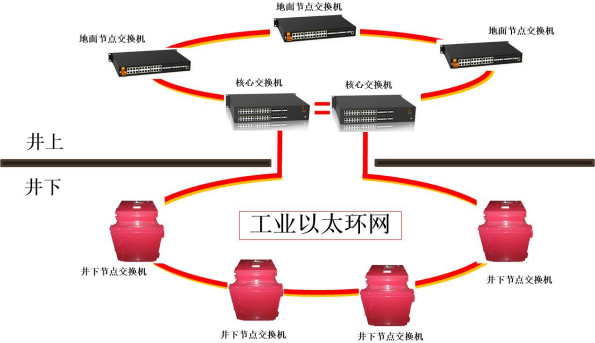

Mine Explosion-proof and Intrinsically Safe Industrial Ethernet Ring Network (10 Gigabit/Gigabit)
Chongqing Mas Sci&Tech Co., Ltd.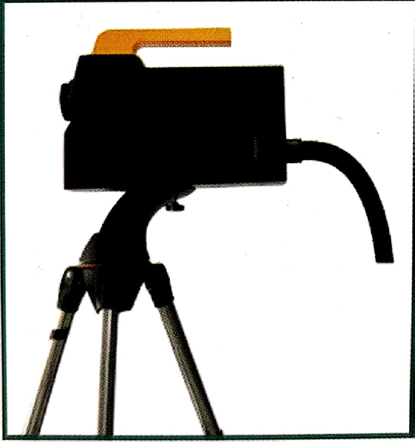
Automatic Aiming Laser Remote Obstacle Removal Robot
Pinggao Group Weihai High-Voltage Apparatus Co., Ltd.
MUX Series Communication Interface Device for Security and Stability Control System
Nanjing NR Electric Co., Ltd.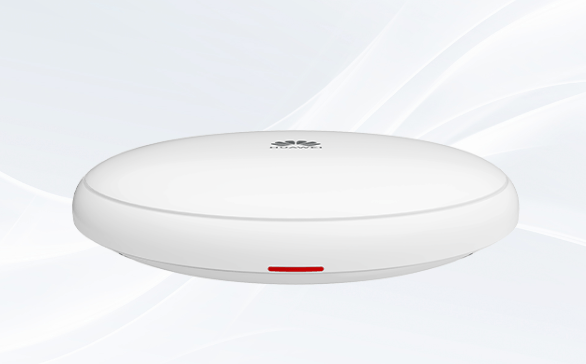

G.652.D Wavelength-extended Non-dispersion Shifted Single-mode Optical Fiber
HONGAN GROUP CO., LTD.
Flat Portable Satellite Terminal 0.35m Aperture Manual Portable Terminal
China Starwin Science & Technology Co., Ltd.
Multi-function Marine Monitoring Low-altitude Detection Radar Sea-air Boundary Ocean Dynamic Environment Measurement
Chengdu Dixin Technology Co., Ltd.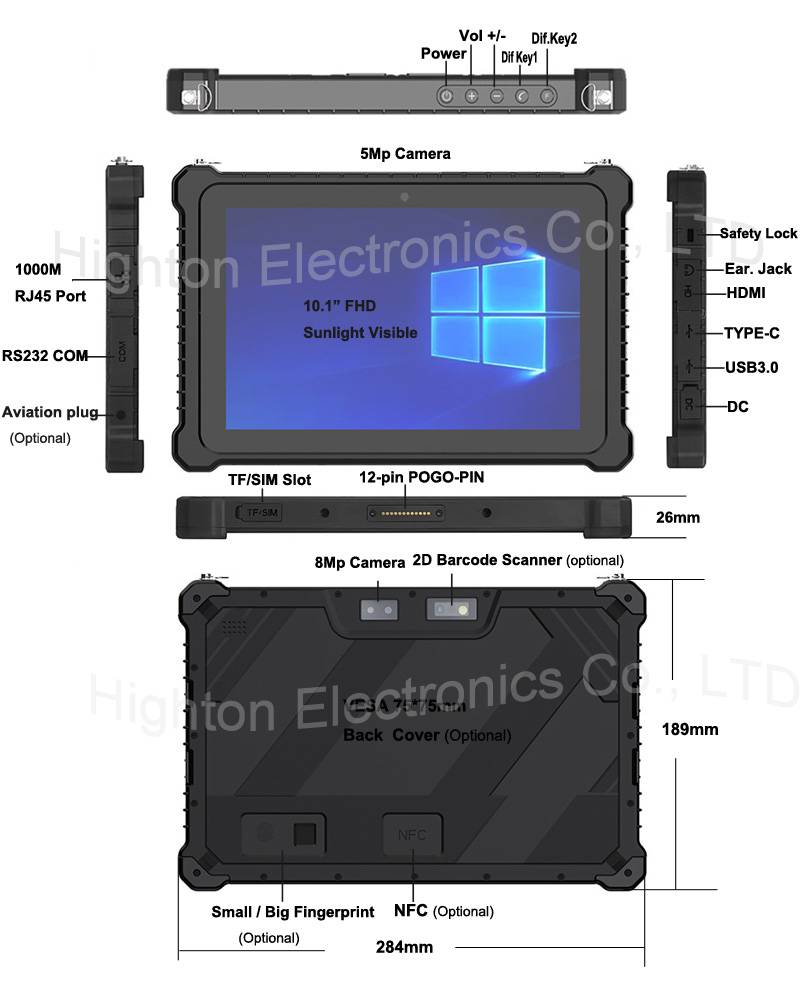
Hot Selling 10 Inch Intel N5100 I5 I7 FHD 8 +128GB 16+256GB Win10 Pro Win11 Pro 4G 5G Rugged Tablet PC Pad with NFC Barcode
Highton Electronics Co., Ltd.
GYTA Type Non-Self-Supporting Aerial/Duct Optical Cable
TONGDING INTERCONNECTION INFORMATION CO., LTD.