Flanders Invests €2 Billion in Carbon Capture and Industrial Decarbonization
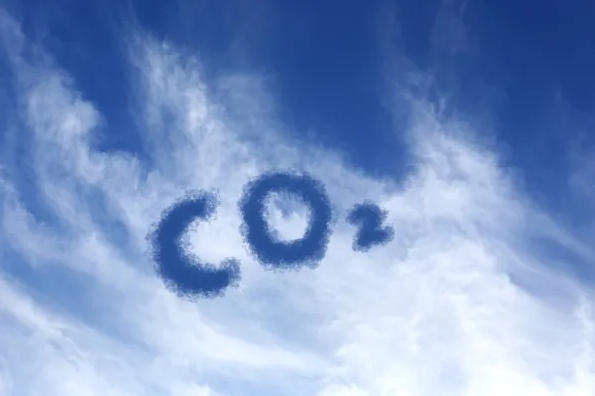
en.Wedoany.com Reported - The Flemish regional government has announced a ten-year investment plan totaling €2 billion (approximately $2.3 billion), aimed at curbing industrial carbon emissions and protecting its heavy industrial base. This is the largest industrial support mechanism ever implemented in the Belgian region, with carbon capture and storage (CCS) placed at the core of the region's long-term economic and environmental policy.
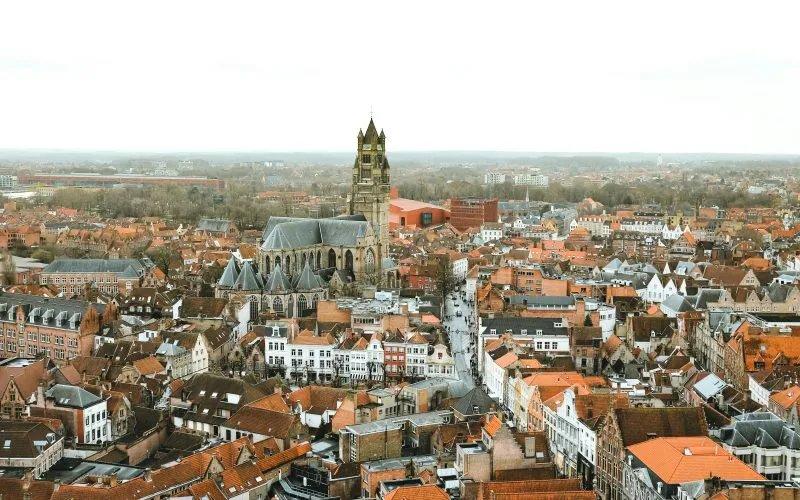
Of the total allocation, the Flemish government has earmarked up to €1.2 billion (approximately $1.4 billion) for CCS infrastructure and project deployment. Of this, €1 billion will be distributed through a competitive funding round scheduled to launch in 2028, targeting energy-intensive, hard-to-abate sectors such as steel manufacturing and chemical processing, which have historically struggled to achieve deep emission reductions through electrification alone.
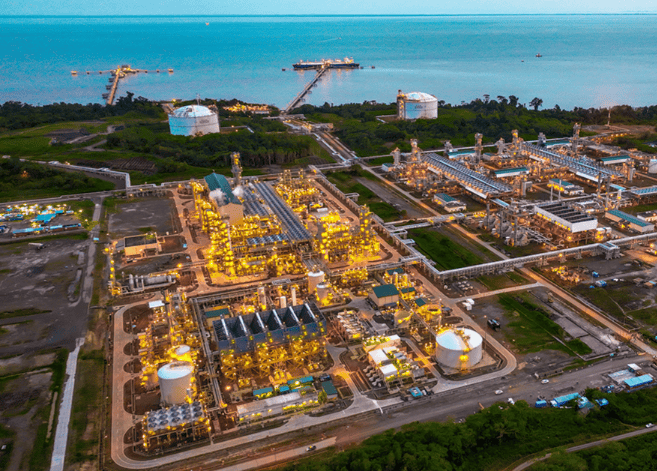
To demonstrate an immediate commitment to regional carbon infrastructure, the government has allocated €200 million (approximately $228 million) from the CCS funds for the Kairos@C project. Led by BASF and Air Liquide at the Port of Antwerp, this project aims to capture, liquefy, and permanently store carbon dioxide beneath the seabed, serving as an operational pillar for the broader carbon economy in the region.
The remaining €800 million (approximately $910 million) of the total plan will be allocated to companies replacing fossil fuel-dependent assets with next-generation clean technologies, including subsidies for industrial heat pumps, large-scale electric boilers, and retrofits of efficient manufacturing processes. Funding across all categories will be performance-based, rewarding projects that achieve the highest carbon dioxide emission reductions at the lowest cost per ton.
The plan is primarily funded by revenues from the European Union Emissions Trading System (ETS), directly recycling carbon penalties into industrial resilience. According to Matthias Diependaele, Minister-President of Flanders, this investment aims to keep Flanders competitive on the global stage. By subsidizing the high upfront costs of carbon reduction, the region seeks to foster local clean technology innovation, retain high-skilled manufacturing jobs, and ensure that one of Europe's key industrial corridors can survive the low-carbon transition.
This article is compiled by Wedoany. All AI citations must indicate the source as "Wedoany". If there is any infringement or other issues, please notify us promptly, and we will modify or delete it accordingly. Email: news@wedoany.com
Related Products
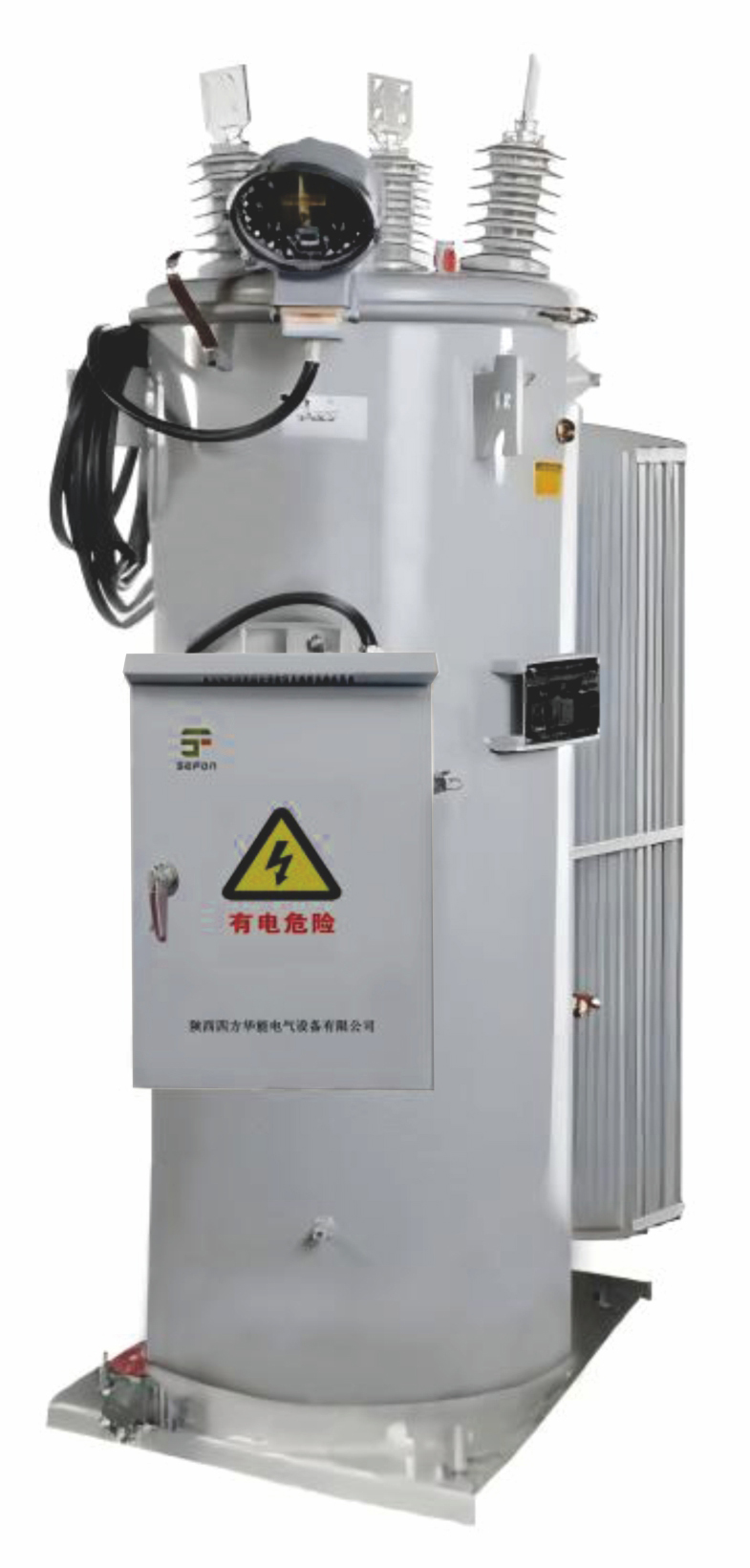

Single-Phase Automatic Voltage Regulator(AVR)
Shaanxi Sefon Electrical Equipment Co.,Ltd.
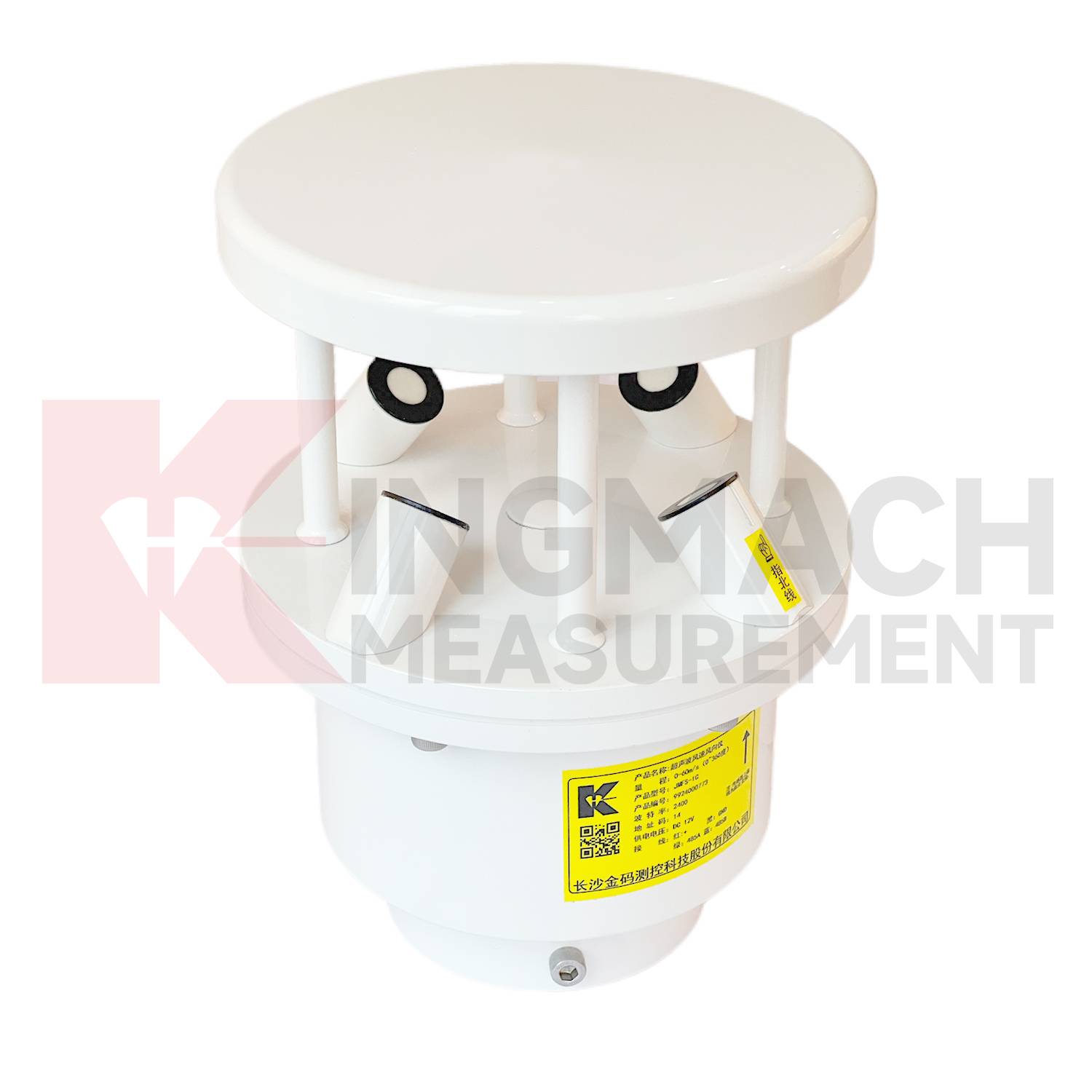
Ultrasonic Wind Speed and Direction Instrument
Kingmach Measurement & Monitoring Technology Co., Ltd.
PCS-901 Series Ultra (Extra) High-voltage Transmission Line Complete Protection Device
Nanjing NR Electric Co., Ltd.
GW4-40.5/72.5/126/145/170/252/363/420 Series Double-column Horizontal Rotary High-voltage AC Disconnect Switch
SHANDONG TAIKAI DISCONNECTORS CO., LTD.