en.Wedoany.com Reported - Australian data center operator NextDC acquired a 169-hectare site in the Lovely Banks area, approximately 70 kilometers west of Melbourne, Victoria, in June 2026 for A$165 million (approximately US$114 million). The site, adjacent to a major substation and the Victorian Big Battery energy storage facility, offers ideal energy conditions for data center development. The acquisition has sparked local concerns about competition between housing supply and industrial land use, with estimates suggesting the site could have originally provided 2,000 to 3,000 homes.
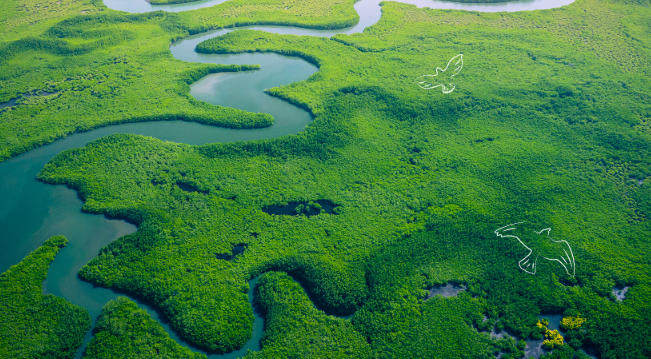
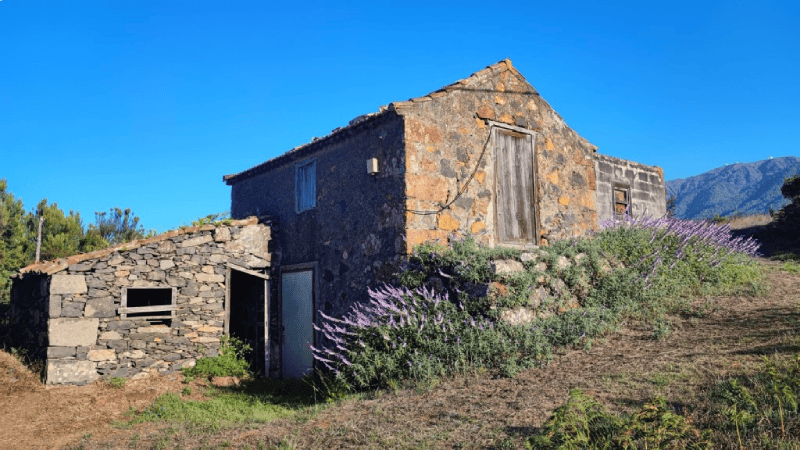
NextDC is an Australian Securities Exchange-listed data center service provider, currently operating or developing 20 data centers across Australia and building a 4.4MW edge data center in Geelong. The acquired Lovely Banks site was previously farmland, with parts designated as a future residential growth zone. Located on Robbs Road and Evans Road, the site is adjacent to the Moorabool Terminal substation and the 300MW Victorian Big Battery energy storage facility operated by HMC Capital.
However, the transaction has sparked controversy locally. Mark Whinfield, Managing Director of Newland Developments, the developer behind the Lovely Banks Development Group, stated that approximately 120 hectares of the site fall within the future urban growth zone, originally planned for residential development. Ali Wastie, CEO of the City of Greater Geelong, also expressed concerns, noting that the council is increasingly anxious about data center proposals emerging on residential land and highlighting that the Greater Geelong region needs to deliver an additional 128,600 homes over the long term under Victoria's housing targets.
Currently, NextDC has not made any public comments regarding the acquisition or the related controversy. The transaction underscores the growing conflict over land resources between the development of digital industries such as artificial intelligence and cloud computing, and urban housing supply. As demand for digital infrastructure continues to rise, similar disputes between data centers and residential land use may emerge in more cities.
This article is compiled by Wedoany. All AI citations must indicate the source as "Wedoany". If there is any infringement or other issues, please notify us promptly, and we will modify or delete it accordingly. Email: news@wedoany.com