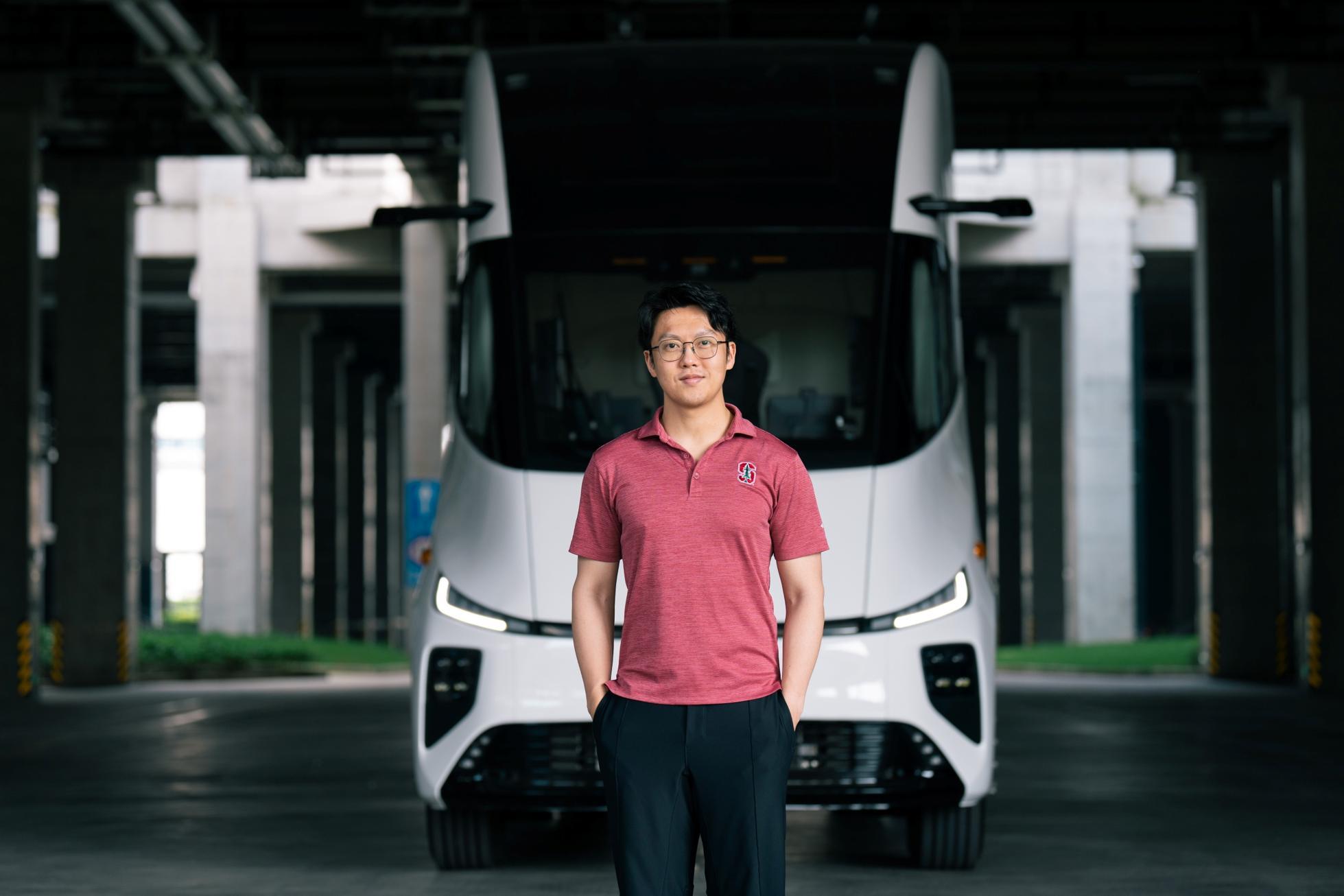
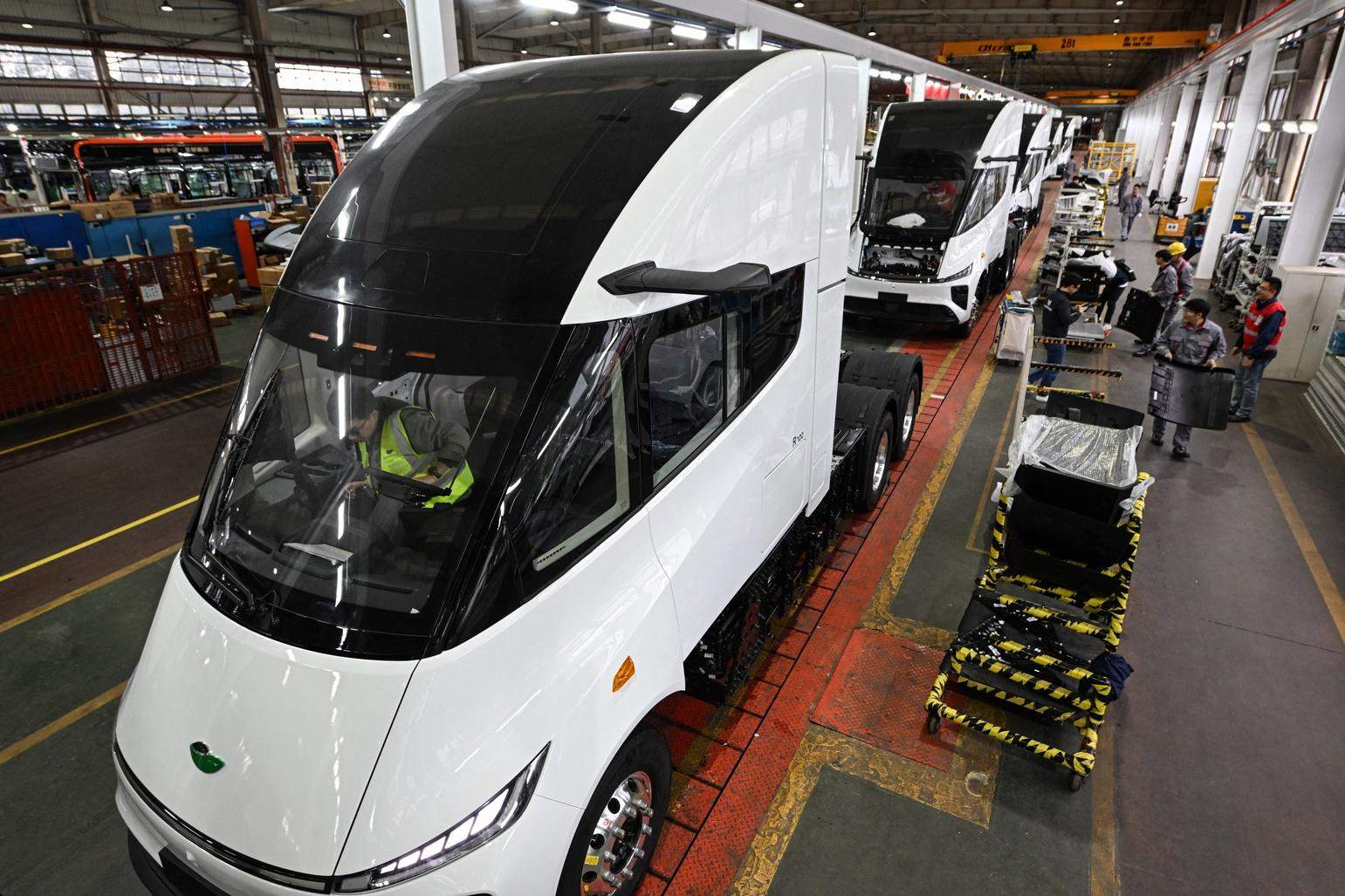
en.Wedoany.com Reported - Electric truck startup Windrose Tech is entering the US market with a clear price tag. The company's 35-year-old CEO, Wen Han, stated that Windrose has successfully patented its truck cab design and chassis in the US, and that the aerodynamic styling, similar to Tesla's, is a result of technical choices.
Windrose has delivered its first batch of electric trucks to customers in California and Texas. Its 1,400-horsepower R700 model is priced at $300,000, with a stated range of approximately 400 miles. The vehicle weighs slightly over 22,000 pounds and can tow up to 60,000 pounds of cargo in the US. Incentive packages include three months of free charging through Greenlane Infrastructure, which is building high-power charging stations in Southern California, Nevada, and Arizona. In Europe, the truck is priced at €250,000, and a charging partnership with France's ENGIE Vianeo has been announced.
Tesla has not publicly disclosed the pricing for its Semi. According to early customers, prices range from $225,000 to $300,000 depending on the 300-mile or 500-mile range version, higher than the $180,000 Musk estimated in 2017, but still lower than electric models from brands like Kenworth, Daimler, and Volvo, which can cost up to $400,000. Although both Windrose and Tesla trucks are at least $100,000 more expensive than diesel models, in California, these vehicles can qualify for substantial subsidies from the state government, local pollution control agencies, and utility companies, potentially offsetting nearly the entire purchase cost. In Texas, electricity is considered a more economical fuel for freight, thanks to increased generating capacity from large-scale wind, solar, and battery projects.
Wen Han has moved the company's headquarters from Hefei, China, to Antwerp, Belgium. He plans to produce up to 2,000 trucks this year, with several hundred entering the US market, while simultaneously launching sales in Europe, Latin America, and Asia. By 2027, the goal is to achieve an output of at least 10,000 units through contract manufacturing in China, Europe, and potentially the US. Windrose currently partners with Chinese manufacturers Anhui Jianghuai Automobile Group and Suzhou Higer Bus for contract production, and uses Los Angeles-based electric truck maker Xos as its dealer in California. Wen Han stated that the long-term plan is to build a dedicated factory in the US, possibly in Arizona, to reduce import costs and improve profitability, while also being open to collaborating with Xos for manufacturing at its Tennessee plant.
Founded in 2022, the company has raised approximately $400 million from Chinese investors. The US electric heavy-duty truck market has averaged annual sales of about 1,000 units in recent years. Tesla once set a target of producing 50,000 Semis annually but has since removed that statement from its latest financial reports. Ann Rundle, Vice President of trucking industry consultancy ACT Research, stated that changes in federal regulations and clean truck incentives under the Trump administration have made the market outlook for this year uncertain. She predicts 2026 sales will be slightly below 1,400 units.
Economic factors are impacting the market from two directions. Rising electricity prices over the past year have increased charging costs for large electric trucks, but the US war with Iran has driven diesel prices up even faster. According to data from the American Automobile Association (AAA), the national average diesel price has risen 40% over the past month to $5.16 per gallon. Wen Han stated that for fleets, fuel costs far exceed driver costs and vehicle acquisition costs, making the elimination of fuel expenses the most important cost control objective.
Windrose trucks currently have about 100 miles less range per charge than Tesla's Semi, as they use lower energy density lithium iron phosphate batteries manufactured by China's CALB. The company states that this chemistry is less prone to overheating and offers greater overall durability than the lithium-ion batteries used in the Tesla Semi. An upgraded E960 model, planned for release in 2027, will feature new lithium manganese iron batteries. Wen Han expects it to achieve a range of 600 miles, 20% more than the Tesla model, with a price not significantly higher than the current 400-mile range truck.
Former Windrose US employees told Forbes that the company failed to pay their salaries and benefits for at least three months before laying off the remaining staff earlier this year. Former employee Travis Waite shared an email from Wen Han, in which the CEO stated that Waite would receive the unpaid funds by the end of last month. Two other former employees, Harold Keller and Kyle Alongi, received similar emails, but all three said they have not yet received the back pay. Wen Han countered that bonuses paid to these employees last year covered the disputed period, and stated that US partner Xos has taken over the relevant work, eliminating the need for direct local hires. Another former employee, Jason Gies, after leaving to join the Tesla Semi project, sued Windrose in the US District Court for the Eastern District of Michigan for unpaid wages and benefits. The judge ruled in Gies' favor in January, ordering Windrose to pay over $400,000. Wen Han stated he is appealing the decision.
Wen Han was born in China and completed his high school and university education in the US, also earning an MBA from Stanford University. In addition to English, he is fluent in Spanish, which has helped Windrose recently establish partnerships in Chile and expand into the South American market. Before founding Windrose, he served as CFO and Head of Strategy at PlusAI, a Silicon Valley developer of autonomous driving truck technology. He believes autonomous driving is easier to integrate into electric platforms than to add onto diesel trucks. Windrose trucks currently feature driver assistance functions such as adaptive cruise control, lane centering, and automatic emergency braking, and are sold as sleeper cabs with rear seats that fold into a bed.
With US sales underway, Wen Han hopes to secure an additional $100 million in funding. He is not concerned that a reversal of federal support for clean trucks will weaken demand, believing that what people truly care about is cost, and that electricity is cheaper than diesel.
This article is compiled by Wedoany. All AI citations must indicate the source as "Wedoany". If there is any infringement or other issues, please notify us promptly, and we will modify or delete it accordingly. Email: news@wedoany.com