en.Wedoany.com Reported - Airbus CEO Guillaume Faury revealed that the company is advancing the development of its next-generation narrowbody aircraft (codenamed eAction), with plans to launch the project in 2030 and enter service in the latter half of the next decade, with no changes to the timeline.
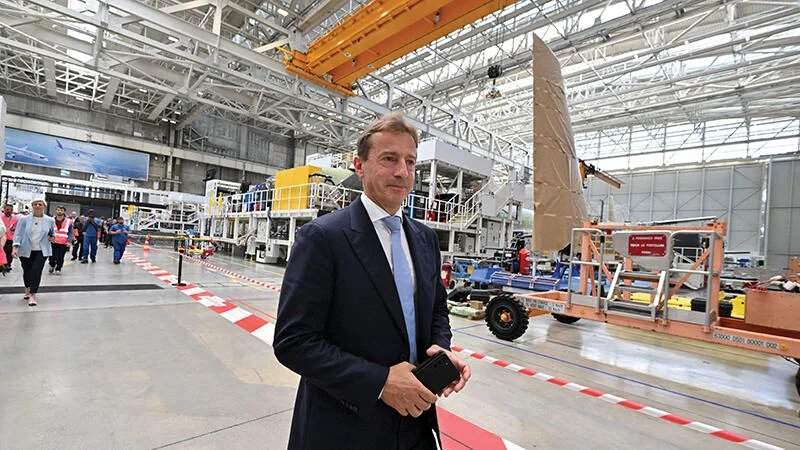
Faury stated that Airbus is conducting extensive research, development, and simulation work, reviewing different options for wings, fuselage, propulsion systems, and industrial systems with partners. He noted that the company has moved beyond the "whether to do it" phase and is now defining the specific product. Faury believes that due to the strong market performance of the A320, Airbus has the incentive to act first, thereby attracting the supply chain to follow and gaining the initiative for subsequent product transitions.
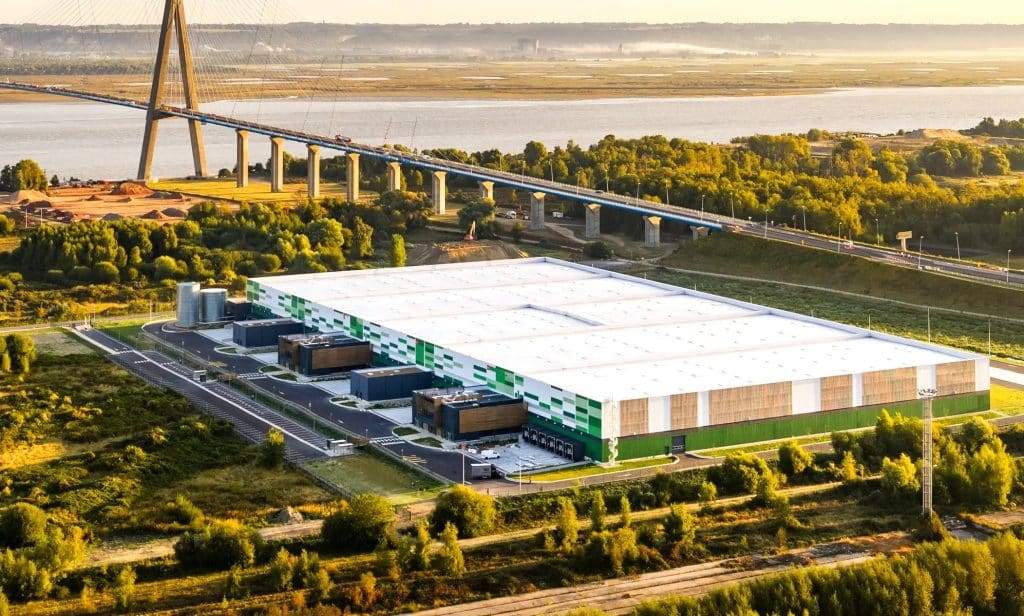
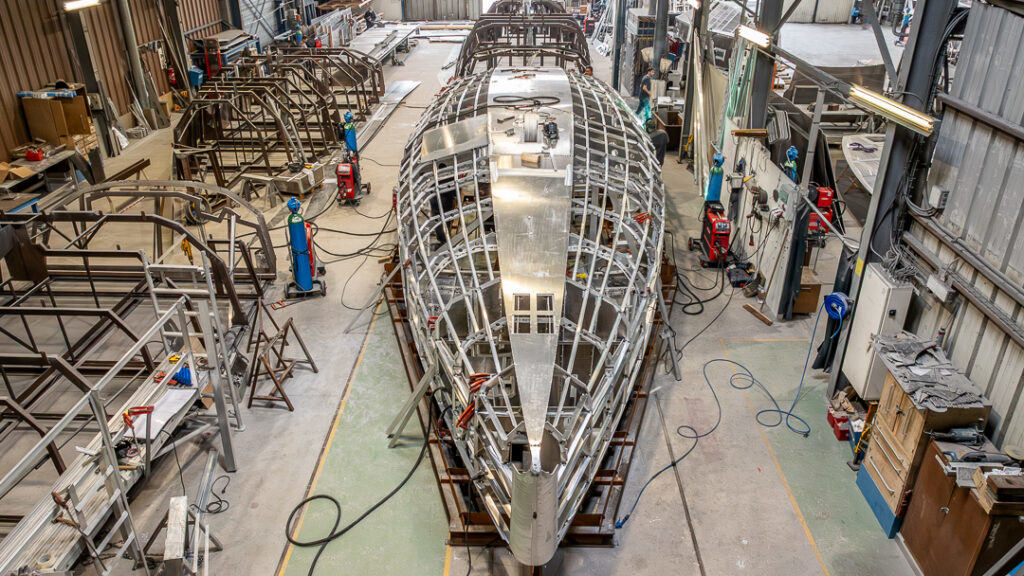
Regarding production strategy, Faury pointed out that the production ramp-up rate for the next-generation aircraft needs to be carefully managed, balancing the desire for rapid increases with the need to avoid extensive modifications to in-service aircraft due to early issues. Airbus plans to produce both the A320neo and the eAction simultaneously for a period, and some production systems for the eAction may be located at new sites outside Toulouse and Hamburg, including the United States and China.
On engine selection, Faury said that theoretically, the company would like to offer customers a choice between two engine manufacturers, but this depends on technological maturity and commercial trade-offs. If only one supplier is available initially, Airbus does not rule out a single-engine source approach, similar to the Boeing 737, but this depends on performance and competitiveness.
Faury also addressed supply chain management issues. He believes that although there were opportunities for consolidation in the industry after the COVID-19 pandemic, this has not materialized, and the supply chain remains fragmented. Instead, Airbus has reduced risk by establishing dual or triple sources. He noted that improvements in supply chain management are never-ending and remain a key capability in the aerospace sector.
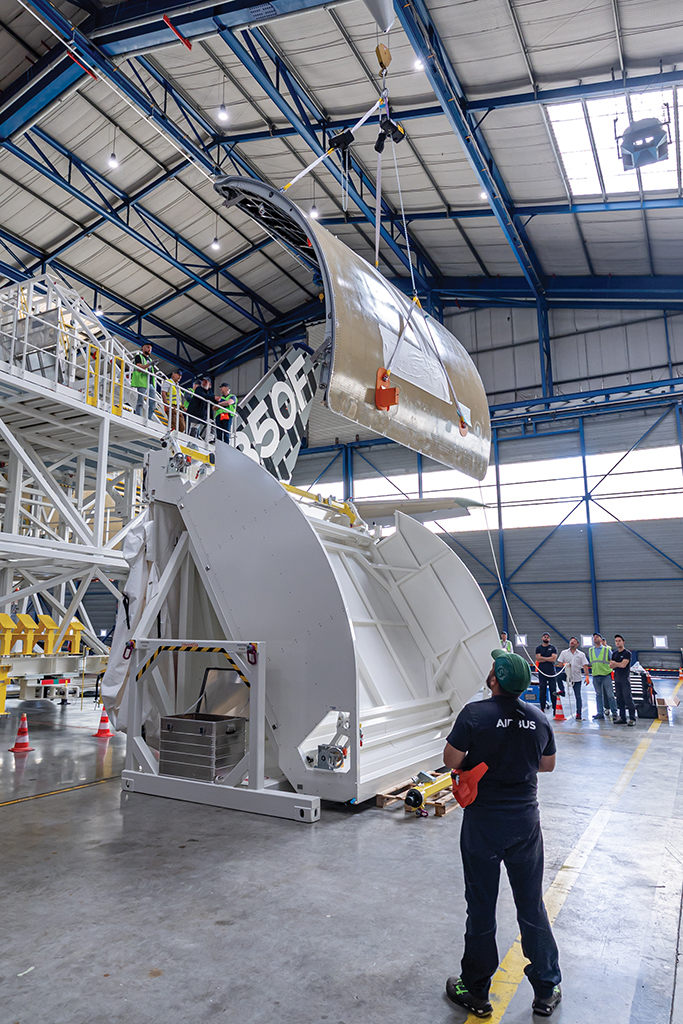
Regarding the A350 production ramp-up, Faury confirmed that due to difficulties at Spirit AeroSystems in 2024, Airbus lost a year on this project and is prioritizing increasing monthly production capacity to 12 aircraft in the short term. As for the two old A320 production lines in Toulouse, one may be closed, while the other will be retained as a buffer.
In the helicopter business, Faury believes Airbus has a well-distributed product line, with models like the H145 facing production ramp-up challenges. Engineering workload in the helicopter segment has surged, involving platform militarization, derivative models, and the development of drones.
Discussing the defense and space sectors, Faury emphasized the importance of scale. He noted that in the space sector, Europe previously had a scale advantage but has now fallen behind the United States, and Airbus is seeking to regain scale through satellite business mergers. Regarding the fighter jet business, he believes that due to sovereignty concerns, European countries find it difficult to abandon their national capabilities, making scale consolidation less optimistic. In the drone sector, the market is still in a fragmented innovation phase, and Airbus is leveraging its scale to develop a competitive product line.
Commenting on Embraer's consideration of entering the single-aisle market, Faury remarked that entering a market dominated by Boeing, Airbus, and Comac is not easy and carries significant risks.
This article is compiled by Wedoany. All AI citations must indicate the source as "Wedoany". If there is any infringement or other issues, please notify us promptly, and we will modify or delete it accordingly. Email: news@wedoany.com