Avient Launches Four PREPERM Low Dielectric Loss Thermoplastic Materials
en.Wedoany.com Reported - On June 25, Avient launched PREPERM low dielectric loss thermoplastic materials for millimeter-wave radome applications. This new modified polyphenylene ether (PPE) material series includes four grades, specifically developed to meet the surging demand for radar sensing equipment equipped with 5G/6G technology in the automotive, intelligent transportation, and humanoid robotics sectors. The PREPERM series is available globally, offering high-performance solutions that can replace traditional materials such as glass fiber-reinforced polybutylene terephthalate (PBT+GF) for manufacturers of automotive advanced driver-assistance systems (ADAS) components, traffic radar system producers, and next-generation robotics R&D companies.
With the proliferation of L2 to L4 driving assistance features and the commercialization of humanoid robots moving from labs to the market, radomes have become critical components determining overall system performance, reshaping material selection standards in the automotive and robotics industries.
Currently mainstream PBT glass fiber materials cannot perfectly meet the design requirements of high-frequency bands (37.5 GHz to 79 GHz and above) commonly used in high-end radar. Multiple Asian manufacturers have reported to Avient four typical issues encountered during production: signal loss caused by high dielectric loss (Df), limited detection angles—especially insufficient coverage below 60°, extended certification cycles due to warpage in injection-molded parts, and high certification thresholds for blind spot information systems (BSIS).
The PREPERM low dielectric loss thermoplastic materials for millimeter-wave radomes achieve a dielectric constant (Dk) of 2.53 to 2.94 and a dielectric loss (Df) as low as 0.001 at 2.5 GHz. Avient's internal RF test results at frequencies above 30 GHz show that, compared to glass fiber-reinforced PBT materials, all PREPERM grades deliver significant improvements in gain, elevation angle, and detection angle. These materials can be used in automotive forward radar, corner radar, traffic monitoring radar radomes, and millimeter-wave sensor housings for industrial service robots under harsh operating conditions.
The series currently includes four commercially available grades, all customized modified polyphenylene ether (PPE) materials, available in unfilled and glass fiber-filled types. High-impact and laser-weldable reinforced grades meet the impact resistance and structural strength requirements of the radome outer layer; dedicated laser-absorbing grades are used for the base substrate, enabling full laser welding assembly of components. For manufacturers transitioning from glass fiber-reinforced PBT materials, some grades can directly replace existing materials, achieving seamless upgrades with excellent dimensional stability.
Xu Tao, General Manager of Avient's Specialty Engineering Materials business in Asia, stated that automotive Tier 1 suppliers and robotics R&D companies in Asia frequently encounter performance bottlenecks when using glass fiber-reinforced PBT materials. Traditional polyester materials cannot maintain stable dielectric performance under high-frequency conditions, and product warpage leads to high assembly rework costs. With the PREPERM series, customers have achieved significant improvements in signal quality, radar detection range, and assembly stability.
This article is compiled by Wedoany. All AI citations must indicate the source as "Wedoany". If there is any infringement or other issues, please notify us promptly, and we will modify or delete it accordingly. Email: news@wedoany.com
Related Products


Steel Pipes for Refining and Coal Chemical Industries
YANGZHOU LONTRIN ENERGY EQUIPMENT CO.,LTD.
High Thermal Conductivity Encapsulating Resin
Nantong BESALL Sealing Technology Company.,Limited

CAP1400 main feedwater flow nozzle flowmeter.
Jiangsu Hongda Instrument Technology Co., LTD.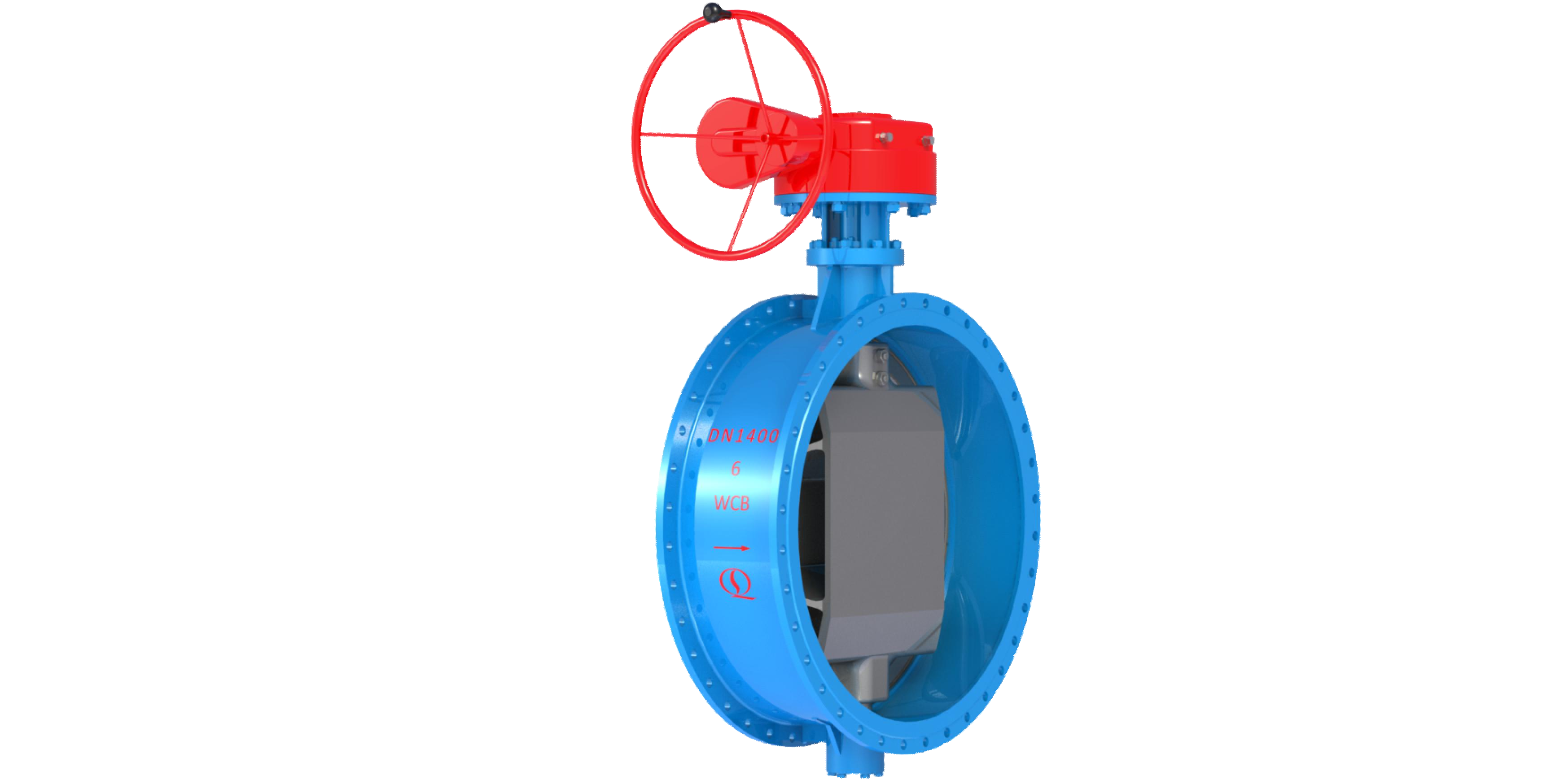
Bidirectional Metal Hard Sealed Seawater Butterfly Valve
Henan Quanshun Flow Control Science & Technology Co., Ltd.
Industrial and Commercial Point-Type Gas Detector
Jinan Benan Technology Development Co., Ltd.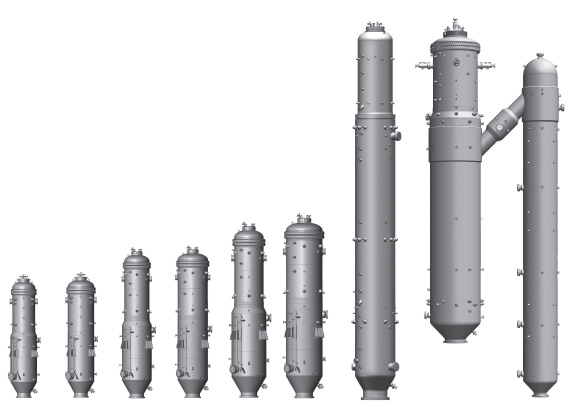
Gasification Furnace Series: Freely Combinable Aerospace Furnace
CHANGZHENG ENGLINEERING CO., LTD.