Chile Accelerates Approval of $100 Billion Mining Investment Projects
en.Wedoany.com Reported - The Chilean government is accelerating the approval process for its largest-ever mining investment portfolio, with over $100 billion in projects currently at various stages of evaluation awaiting approval.
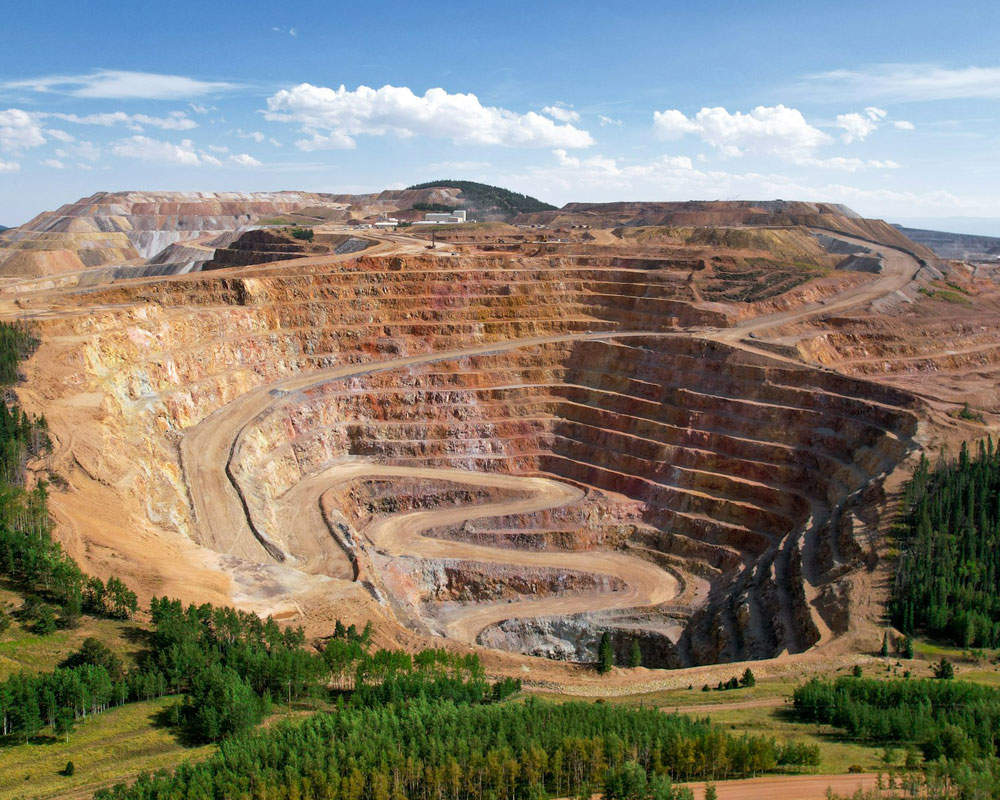
Minister of Economy and Mining, Daniel Mas Valdés, is leading this effort, focusing on speeding up permit issuance and establishing clearer rules for investors. Mining remains the core of Chile's economy, accounting for approximately 59% of total exports, with global demand growth for copper and lithium presenting significant opportunities.
Many projects in the pipeline have made good progress but are constrained by regulatory processes. Without faster approvals, Chile risks falling behind other mining investment destinations competing for capital.
A key part of the reform is the Framework Law for Sectoral Authorizations (MAS Law). This reform aims to simplify processes by replacing certain permits with declarations and notifications. The first phase is expected to streamline approximately 200 procedures and reduce permitting time by about 30%, while maintaining environmental standards.
Delays in the permit issuance process have plagued mining investment for years. Projects promising substantial employment and investment often take years to gain approval. The new government's objective is to simplify procedures, reduce delays, and provide faster responses.
Early signs indicate increased investment activity. Under the leadership of President José Antonio Kast, who took office last month, mining projects worth over $17 billion entered the environmental review system in the first few weeks of the new administration. This suggests improving investor sentiment after a period of caution, with confidence closely tied to regulatory certainty.
The next challenge will be to smoothly guide these projects through the approval process and into the construction phase. Meanwhile, Chile's mining sector faces ongoing structural challenges. Declining ore grades at existing deposits are driving up costs and reducing productivity, with many operations transitioning from open-pit to underground mining, increasing technical complexity.
In recent years, Chile's copper production has remained largely stable at around 5.4 million tons annually. Increasing output will depend on expanding existing operations and advancing new projects awaiting approval. Additionally, limited domestic smelting and refining capacity affects the value retained within the country.
Future growth is expected to rely partly on technology. Mining companies are increasing investment in more efficient water and energy use, including seawater desalination and renewable energy, to support operations in arid regions. The Ministry of Mining has also prioritized the valorization of tailings and secondary minerals, with advances in processing technology making these materials more viable. Expanding exploration is another priority, focusing on finding higher-grade new deposits to compensate for declining output from existing mines.
Chile continues to benefit from strong geological resources, well-developed infrastructure, and a skilled workforce. With over $100 billion in mining investments under evaluation, the speed of permitting and regulatory approvals will ultimately determine how many projects can move forward.
This article is compiled by Wedoany. All AI citations must indicate the source as "Wedoany". If there is any infringement or other issues, please notify us promptly, and we will modify or delete it accordingly. Email: news@wedoany.com
Related Products


Industrial and Commercial Point-Type Gas Detector
Jinan Benan Technology Development Co., Ltd.
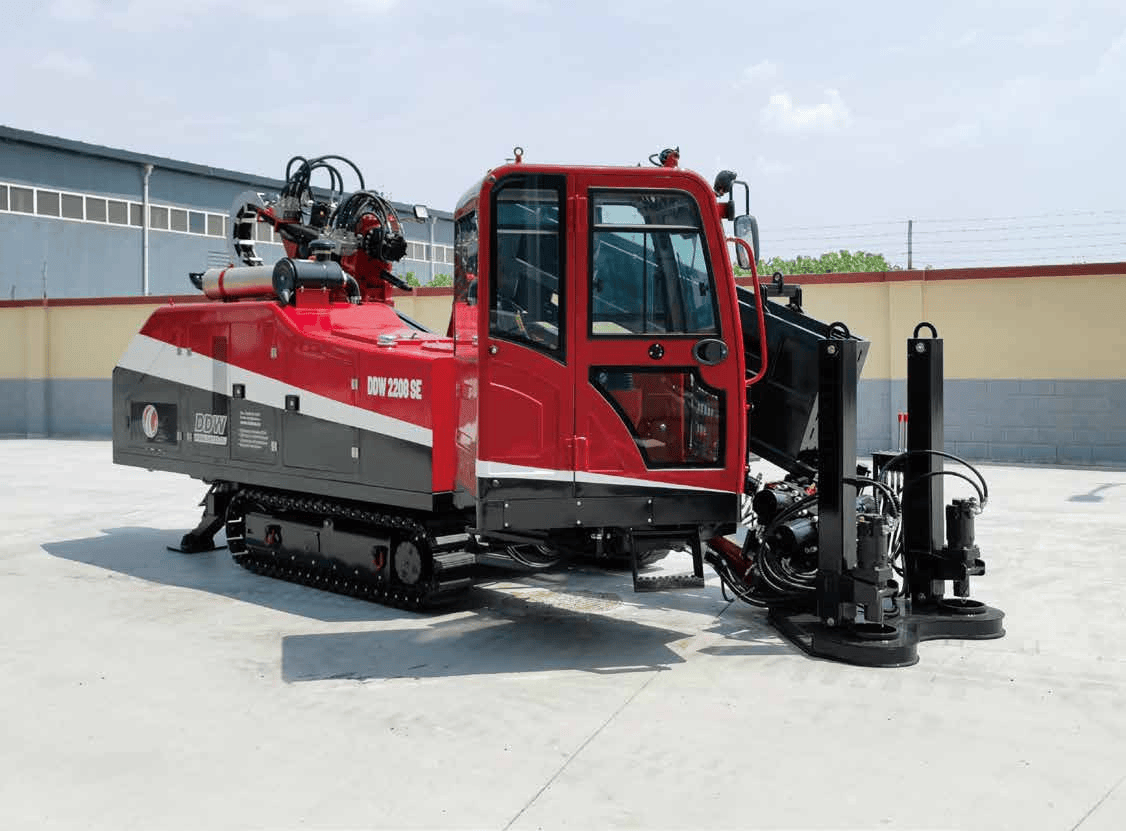
DDW22/08SE-HORIZONTAL DIRECTIONAL DRILL
DW/TXS Construction Equipment (Beijing) Co., Ltd.
Mine Explosion-proof and Intrinsically Safe Industrial Ethernet Ring Network (10 Gigabit/Gigabit)
Chongqing Mas Sci&Tech Co., Ltd.
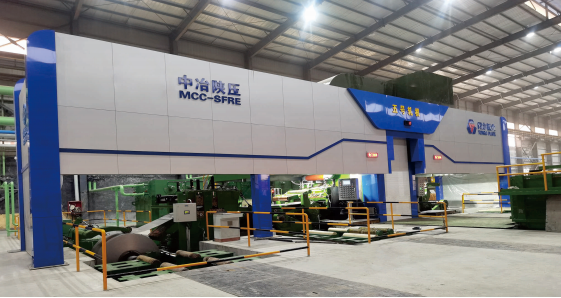
1050-1750mm Steel Strip Single-stand Reversible Cold Rolling Production Line
MCC-SFRE HEAVY INDUSTRY EQUIPMENT CO., LTD.