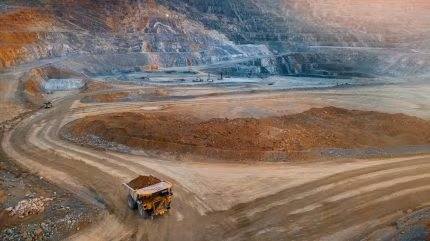
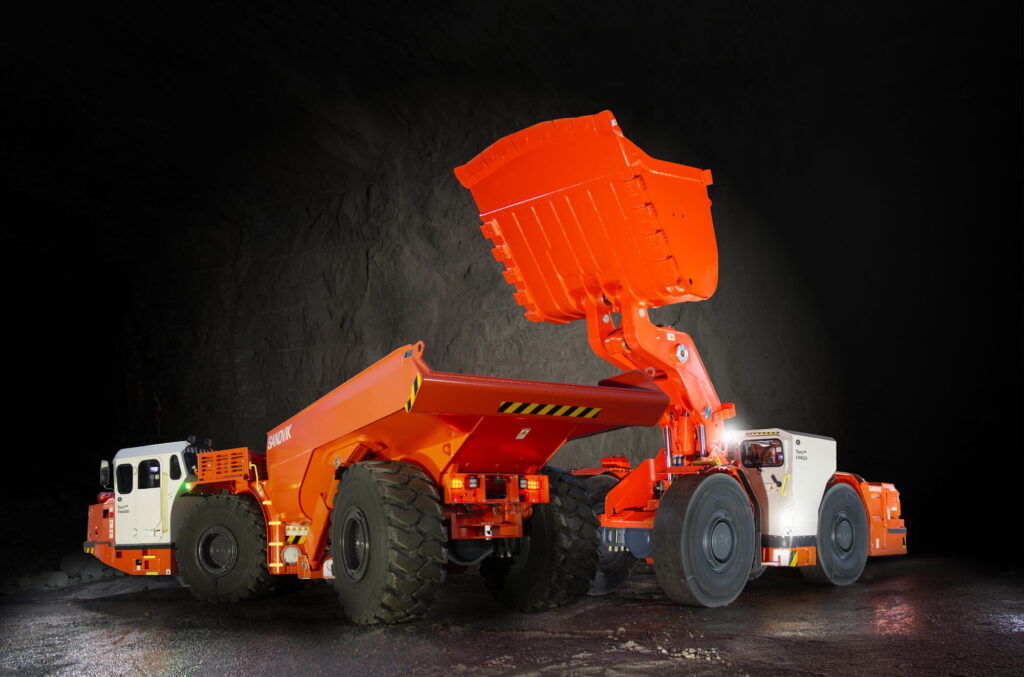
Automation rate of mobile mining equipment in Canada below 3%, regulatory frameworks updated in multiple provinces
en.Wedoany.com Reported - Canada's mining industry is continuously deploying automation systems, and provincial regulatory frameworks are evolving accordingly to adapt to the demands of this technological advancement. While such systems can enhance efficiency and productivity, mining companies introducing equipment such as autonomous trucks must navigate changing regulatory and compliance requirements that vary across provincial jurisdictions.
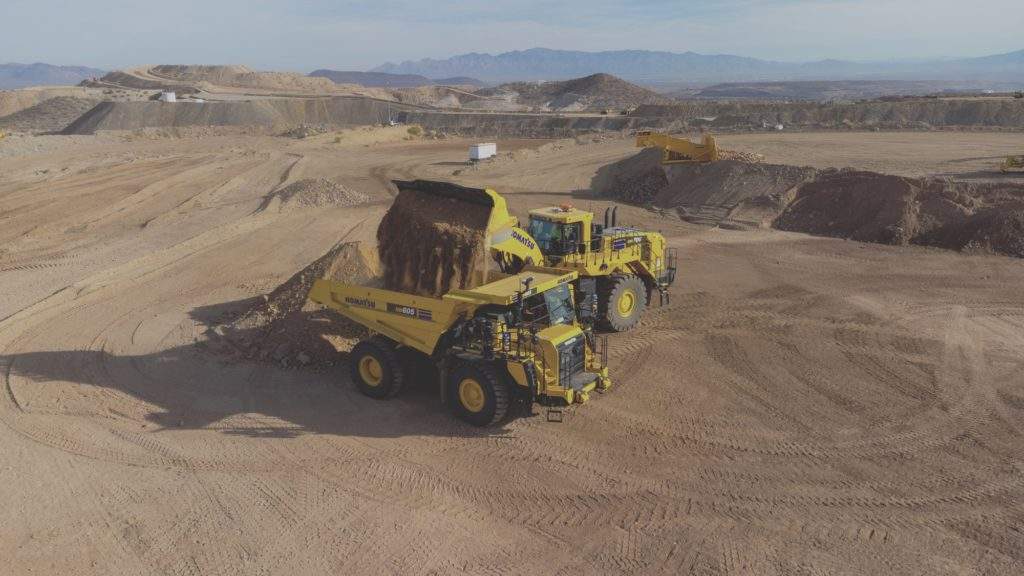
Canada's mining industry has identified automation as a driver for improving production efficiency. The 2024 "Guidelines for Implementing Mining Automation Systems" published by the Global Mining Guidelines Group notes that automation helps improve the efficiency and sustainability of certain mining methods. Recent estimates indicate that currently less than 3% of mobile mining equipment is automated, but this proportion is expected to grow, with many original equipment manufacturers offering automation solutions for the mining industry, including mining trucks, loaders, and drills (CS Group/Mining Sector, "Position Paper: Evolving the Mining Sector through Automation Systems," 2025). The primary advantage of automation systems is reducing personnel presence in hazardous areas while improving production efficiency. However, ensuring system safety remains the top priority for mining operators and government regulators, involving evolving risks such as cybersecurity and data privacy, system configuration and reliability, and new forms of human-machine interaction.
Existing regulatory regimes are mostly designed for manually operated equipment, and their occupational health and safety requirements may not align with the functionality of automated operations. For example, regulations referencing drivers may not directly apply to autonomous vehicles where the traditional driver role is replaced by automatic control systems, thus requiring additional considerations.
British Columbia has established an automated mining regulatory regime through the "Health, Safety and Reclamation Code for Mines in British Columbia." Section 6.18.3 of this Code requires that before using automatic or semi-automatic mobile equipment, mining operations must submit an Automated Mining Project Management Plan (AMPMP) to the Chief Inspector of Mines appointed by the Minister of Mining and Critical Minerals. This plan must include safe work procedures for entering automated areas, clearing and restarting operations, and switching between automatic and manual modes. Personnel inputting commands into the automation system must ensure safe operation, and the system must have full control over the equipment.
Each AMPMP must be prepared by a qualified professional and include a comprehensive risk assessment, health and safety plan, project milestones, system functionality description, commissioning plan, maintenance and inspection procedures, training plan, and emergency response procedures. The Office of the Chief Inspector leads the review process, designates a project manager, and an advisory committee composed of departmental experts evaluates applications. Significant changes in operational use, such as adding new automation technologies, changing system builders, or transitioning from isolated operations to mixed operations, require submission of an updated AMPMP. The "B.C. Guideline for Safe Mobile Autonomous Mining," prepared by the Emerging Technology and Automation sub-committee, provides guidance on the submission process and references international standards ISO 17757 (Safety of autonomous and semi-autonomous machine systems) and ISO 12100 (Risk assessment and risk reduction for machinery) for companies to consult when designing systems.
BC currently has the most comprehensive regulatory regime for automated mining technology, but Alberta and Ontario are also following suit. Implementing automated mining technology in Alberta requires approval from the Director of the provincial Occupational Health and Safety Code. Ontario does not yet have a separate regulatory code for automation but applies general obligations and recent modernization provisions through the "Occupational Health and Safety Act." Therefore, companies conducting mining operations in Ontario should proactively communicate with the Ministry of Labour, Immigration, Training and Skills Development to clarify how existing requirements apply to their automated operations and to anticipate future regulatory developments.
Companies engaged in mineral exploration and development in Canada should recognize that existing regulatory frameworks may not fully accommodate their automation system plans. Early engagement with government agencies can help understand regulatory requirements and identify compliance gaps. As automated mining technology continues to advance, Canadian regulators may begin modernizing relevant frameworks to ensure worker safety and environmental compliance.
This article is compiled by Wedoany. All AI citations must indicate the source as "Wedoany". If there is any infringement or other issues, please notify us promptly, and we will modify or delete it accordingly. Email: news@wedoany.com
Related Products



Comprehensive Mining Automation Control System
Beijing Tianma Intelligent Control Technology Co., Ltd.
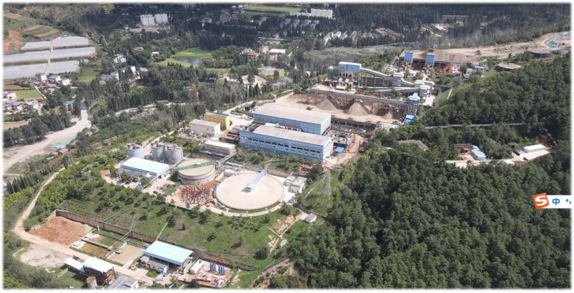
Yunnan Phosphorus Chemical Group Co., Ltd. 2 Million t/a Phosphorus Ore Mining and Beneficiation Project
China Bluestar Lehigh Engineering Corporation
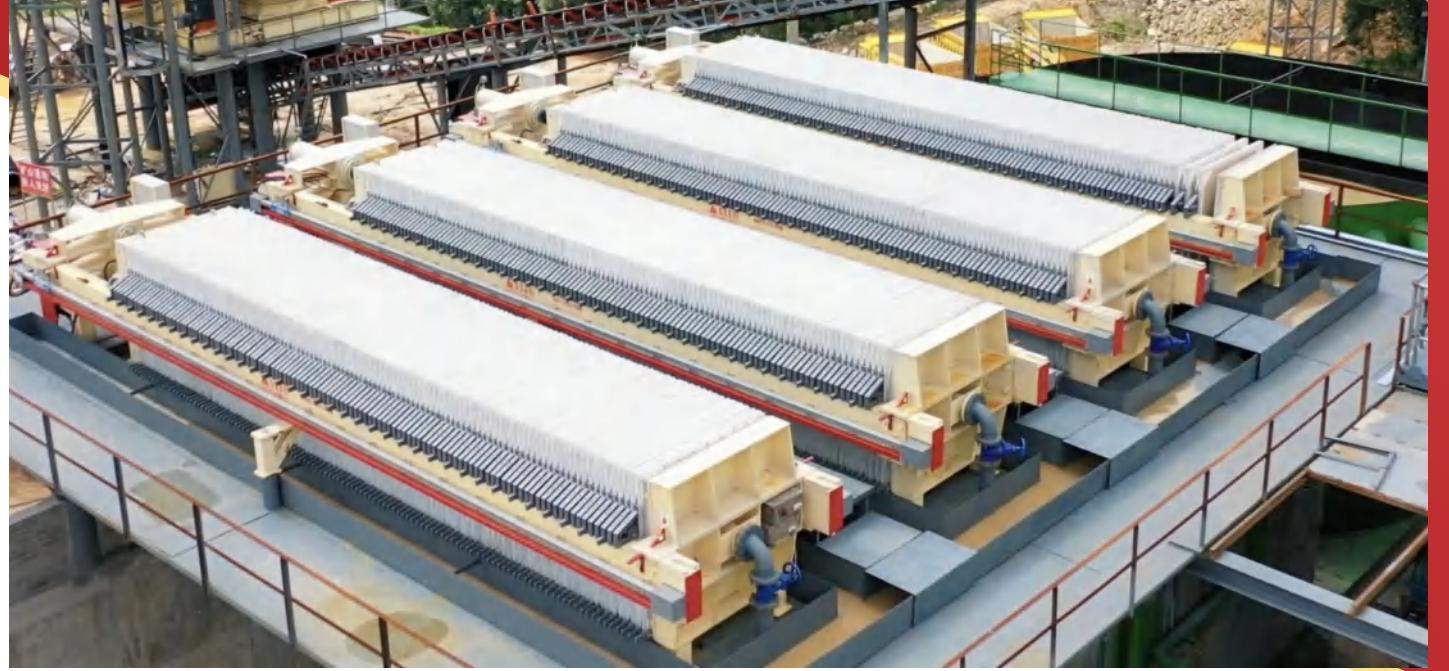
Hydraulic Plate and Frame Filter Press
Guangdong Leimeng Intelligent Equipment Group Co., Ltd.