Venice Biennale Central Pavilion Renovation Completed at €31 Million
en.Wedoany.com Reported - The renovation of the Venice Biennale Central Pavilion, jointly undertaken by the Roman architecture firm Labics and architect Fabio Fumagalli, has been completed after 16 months and a cost of €31 million. The project was delivered ahead of the opening of the Venice Art Biennale on May 9.
The Central Pavilion is located in the Giardini della Biennale. Its architecture was converted from two existing structures: the Cavallerizza, designed by Tommaso Meduna, and the Palazzo dei Concerti, inaugurated for the 1887 World's Fair. The pavilion was built between 1894 and 1895 and originally used for the first International Art Exhibition. The most recent renovation began in December 2024, during which the main pavilion was completely closed for construction while the 2025 Architecture Biennale was curated by Carlo Ratti.
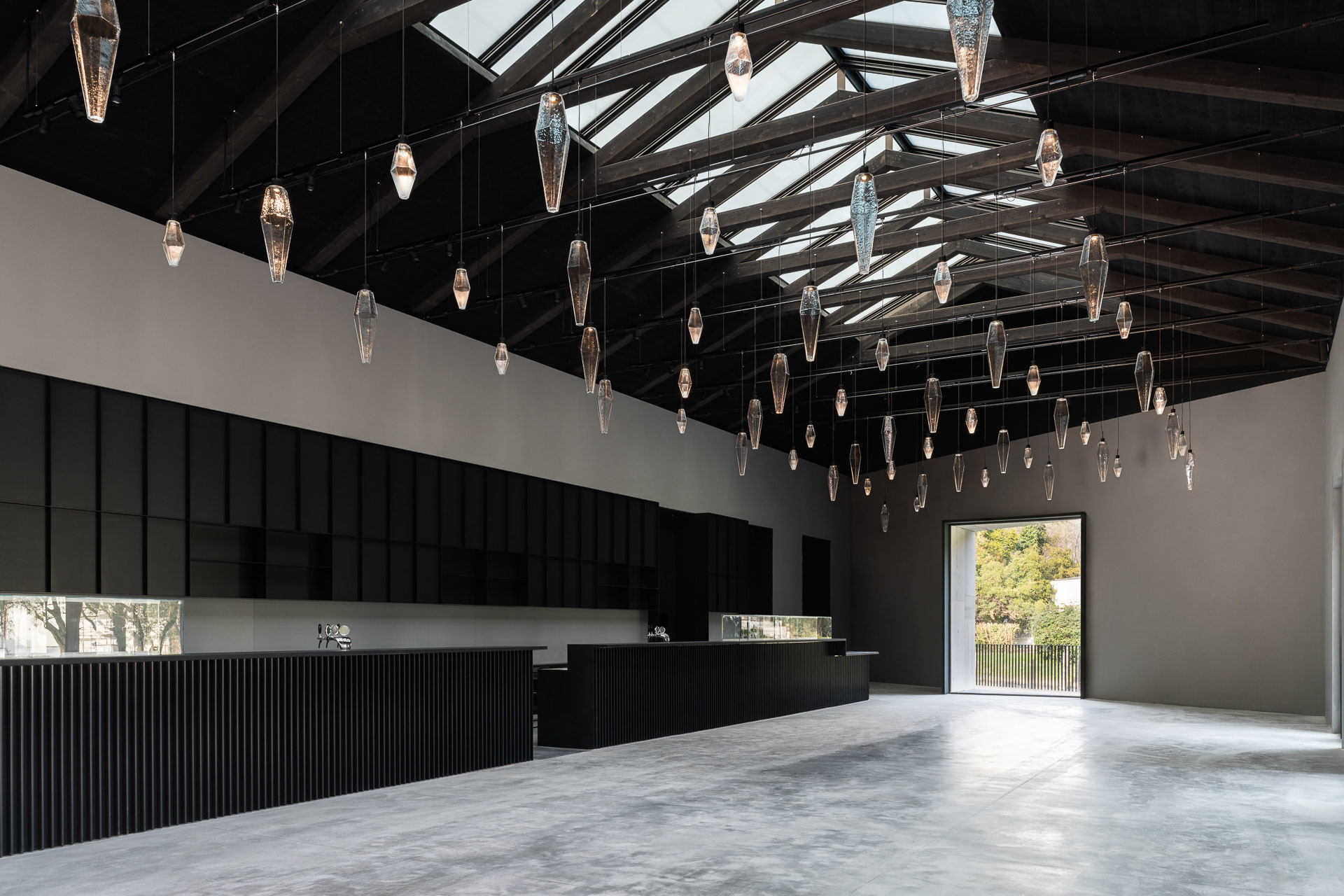
This renovation went beyond traditional conservation and restoration. Led by architect Arianna Laurenzi and engineer Cristiano Frizzele, the project team adopted a strategy of "critical redesign." The goal was to modernize the pavilion to meet current needs. Specific measures included exposing the original building structure, removing so-called "inappropriate" alterations, and rearranging multiple layers of historical elements. The team restored and reinstalled a double window by Carlo Scarpa and redesigned the Sala Brenno del Guidice. The renovation reopened the space to the terrace at the rear of the building overlooking the Rio dei Giardini, based on the original 1928 design. Near the café and multifunctional hall, altanes made of carbonized laminated wood and X-LAM panels were installed. Inspired by Venetian rooftop terraces, these structures connect the pavilion with the garden landscape.
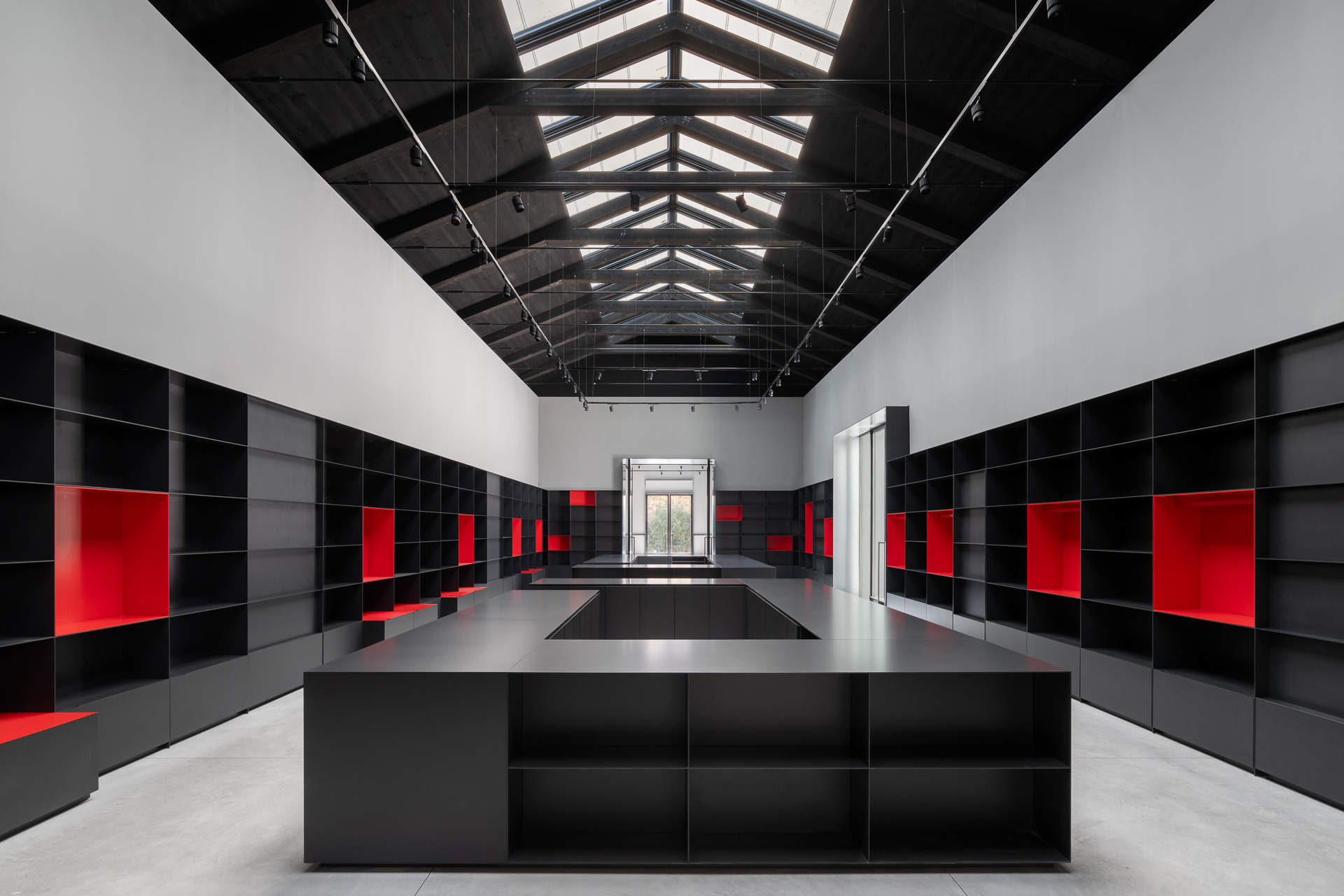
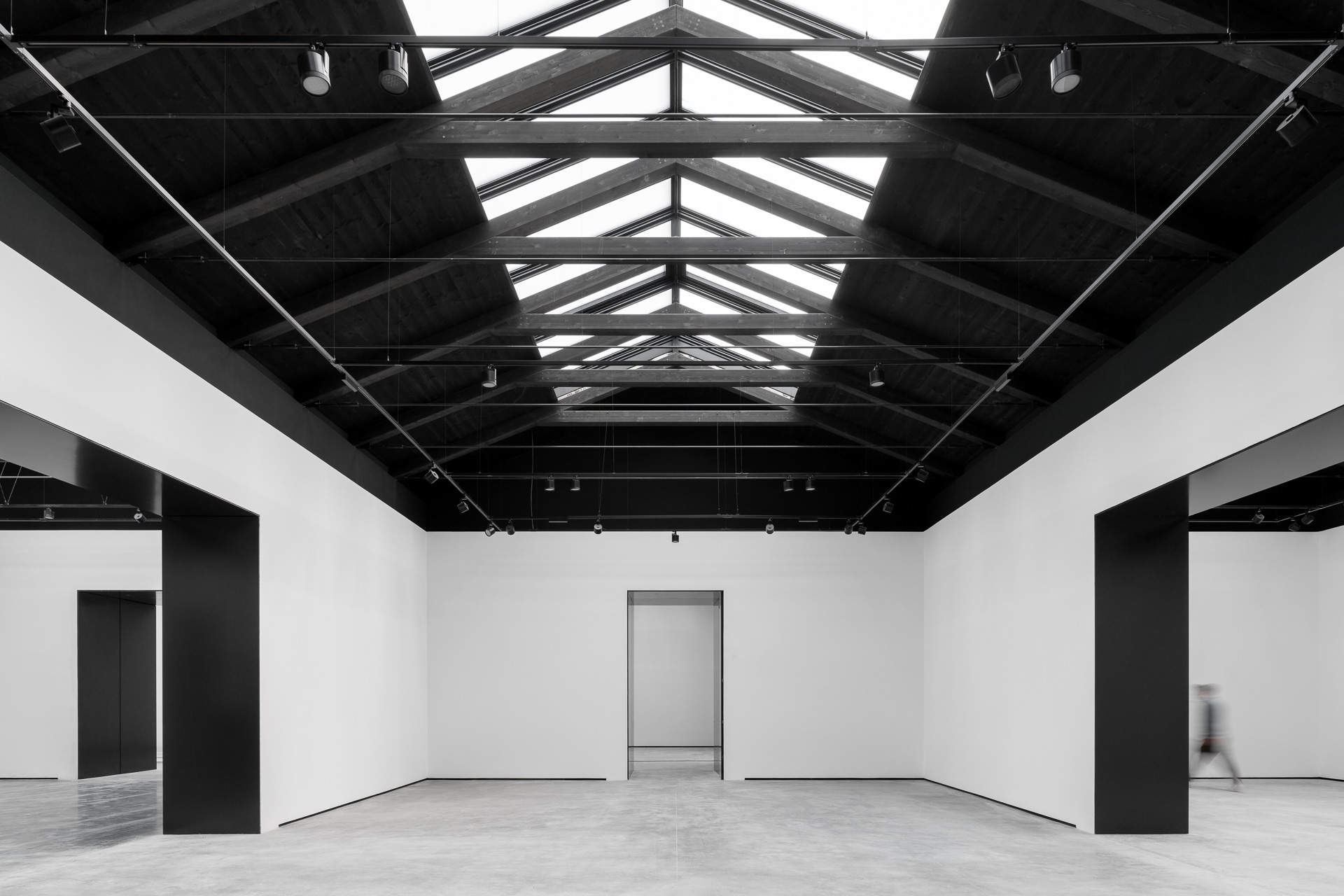
In terms of interior design, the newly organized exhibition spaces feature a contrast between white walls and black surfaces. Technical systems are concealed within the wall and roof structures to maintain flexibility in the exhibition areas, allowing them to accommodate temporary installations and provide maximum freedom for curatorial concepts. The pavilion houses a bookstore, café, educational rooms, and technical rooms. These auxiliary spaces contrast with the visual tone of the white box: black dominates, while red protruding shelves in the bookstore add a splash of color. Newly installed photovoltaic glass and frosted glass skylights bring ample natural light indoors, while an electric shading system can completely darken the rooms.
This article is compiled by Wedoany. All AI citations must indicate the source as "Wedoany". If there is any infringement or other issues, please notify us promptly, and we will modify or delete it accordingly. Email: news@wedoany.com
Related Products


Acoustic Mineral Fiber Ceiling Tile 595x595x12mm
Shanxi Pano Trading Co., Ltd


Industrial and Commercial Point-Type Gas Detector
Jinan Benan Technology Development Co., Ltd.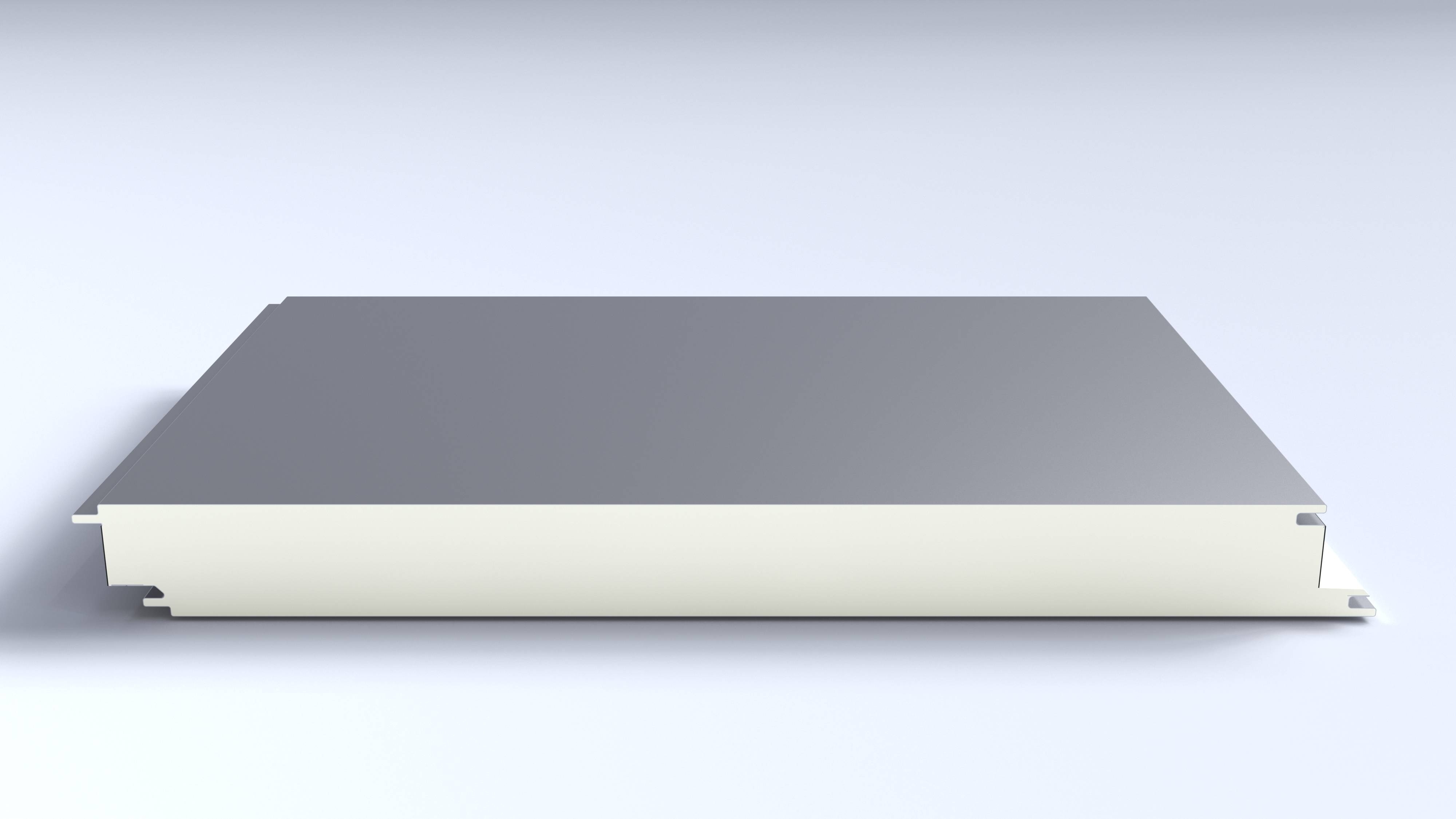
Pure Polyurethane Wall Panel BD-AEF-PIR-01
Baodu International Engineering Technology Co., Ltd.
Ceiling light | led Ceiling Light | LED Indoor light | LED Ceiling lighting
Queendom Group Technology Co., Ltd.
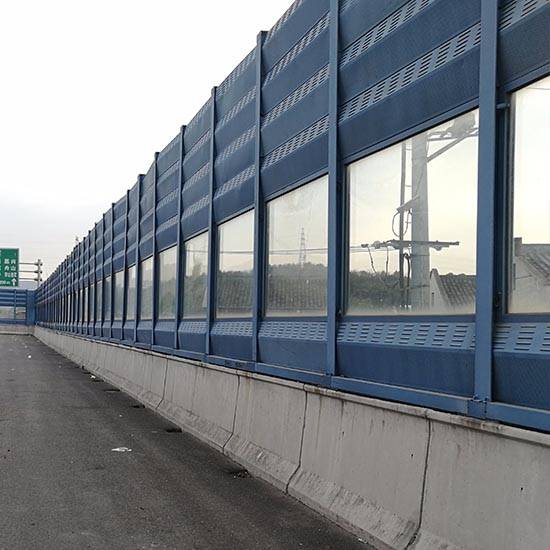
Metal sound barriers that can reduce the transmission of road noise
Hebei Jinbiao Construction Materials Tech Corp., Ltd.