Saudi Aramco Resumes Oil Loading Operations at Ras Tanura Port
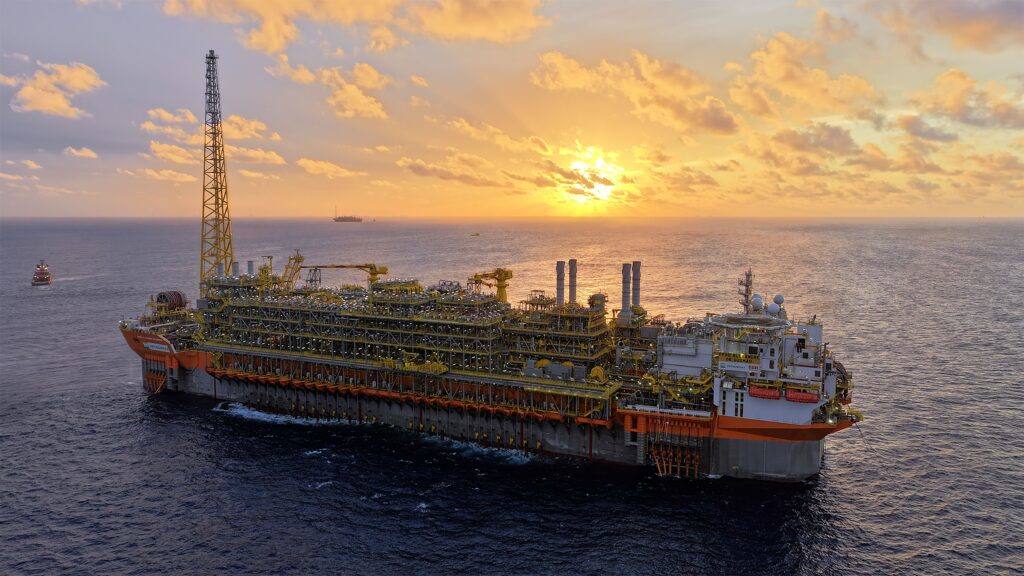
en.Wedoany.com Reported - Saudi Aramco resumed oil loading operations on Friday at its Ras Tanura terminal in the Gulf region, after a nearly four-month hiatus. Shipping data from the London Stock Exchange Group (LSEG) confirmed this development, indicating that major Middle Eastern oil producers are advancing plans to increase exports despite recent vessel attacks in the Strait of Hormuz.

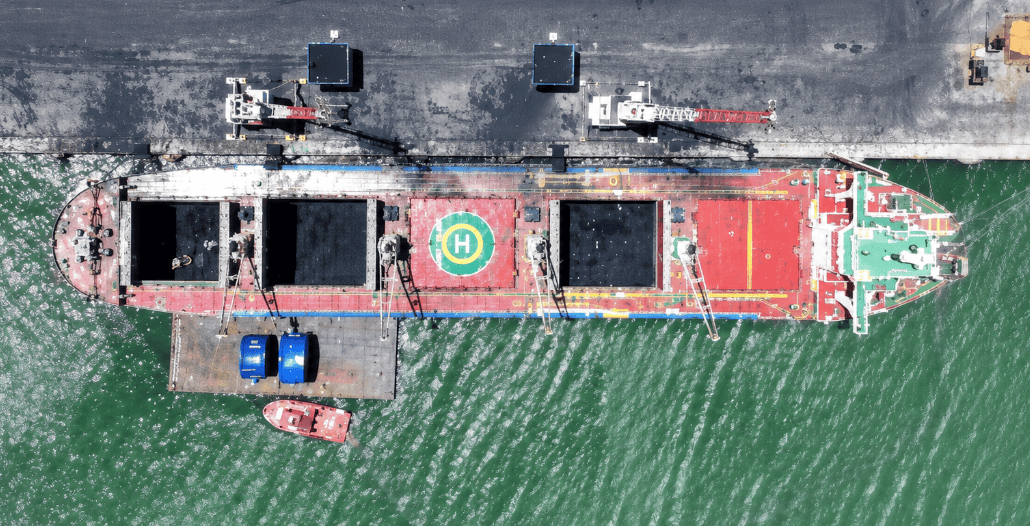
Before the United States and Iran reached a preliminary agreement to cease hostilities and reopen the strait—which once carried one-fifth of the world's oil and liquefied natural gas supply—oil producers in the region had been steadily ramping up output and exports. Data shows that two Very Large Crude Carriers (VLCCs) operated by Saudi shipping subsidiary Bahri are loading crude at Ras Tanura, the world's largest oil port, with another vessel standing by nearby. Each VLCC can carry 2 million barrels of oil. Saudi Aramco could not be immediately reached for comment outside of business hours.
The United Kingdom Maritime Trade Operations (UKMTO) reported that a cargo vessel on Thursday reported a suspected attack while attempting to transit the Strait of Hormuz near the coast of Oman. Following the attack, UKMTO suspended its escort operations for vessels crossing the strait, reigniting market concerns over whether the preliminary agreement to end the Iran war could hold. Two U.S. officials told Reuters that Iran fired on the vessel; meanwhile, Iran's Persian Gulf Strait Authority, which manages vessel transit requests, stated that ships operating outside designated routes cannot be guaranteed safe passage.
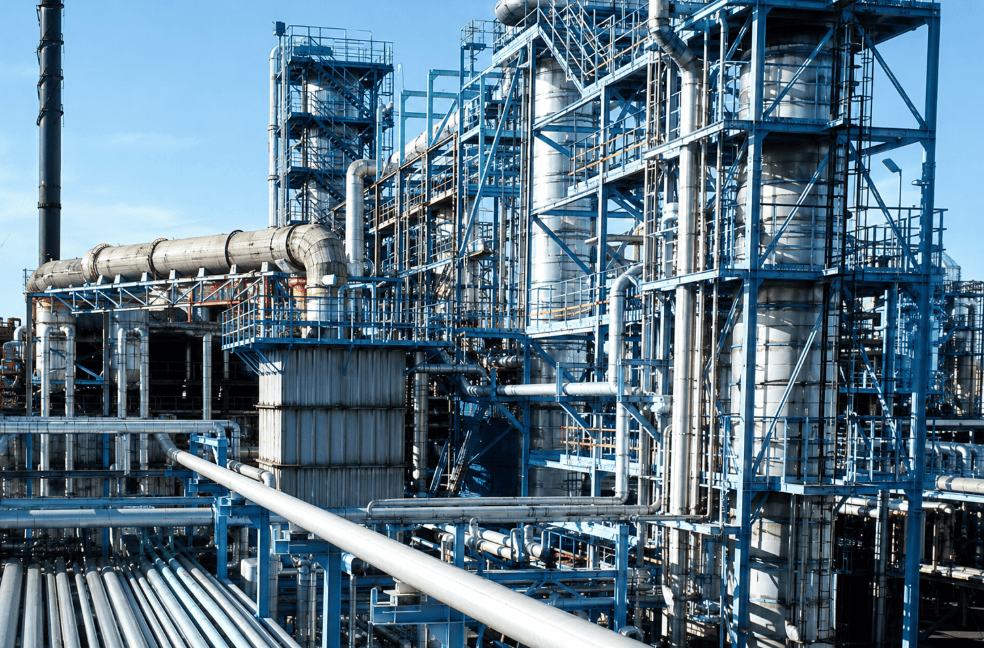
Ras Tanura Port is located on Saudi Arabia's eastern coast, adjacent to the Gulf and west of the Strait of Hormuz. Before the conflict erupted, the port exported over 5 million barrels of crude oil daily. Saudi Arabia's largest domestic refinery, with a processing capacity of 550,000 barrels per day, is also located at this port and was shut down as a precaution during the war. LSEG data indicates that Saudi Aramco last loaded cargo for China from this port on March 8. During the conflict between Iran and the U.S.-Israel alliance, Iran blocked the Strait of Hormuz, forcing Saudi Aramco to redirect exports to the Red Sea port of Yanbu. Data shows that the war reduced Saudi crude exports from over 7 million barrels per day in February to approximately 4 million barrels per day over the past three months.
Global oil prices fell by more than $1 per barrel on Friday, after earlier reports of the cargo vessel attack had driven a slight increase. Crude oil shipments through the strait this week rose to their highest level since the conflict began, with supply pressure continuing to mount. Following similar moves by Kuwait and the United Arab Emirates, Iraq's State Organization for Marketing of Oil (SOMO) and Qatar also issued crude oil tenders. Shipping data shows that Iran is also accelerating exports, with Washington temporarily lifting sanctions, as two empty VLCCs—the Natsumi and the Halti—entered the Gulf on Friday to load oil.
Aditya Saraswat, Director of Middle East and North Africa (MENA) Research at Rystad Energy, stated in a report that with 2 million barrels per day of capacity restored within three weeks and recovery spreading across the region, the supply situation has markedly improved. The consultancy estimates that halted production in the Gulf region has dropped from 11.7 million barrels per day three weeks ago to 9.6 million barrels per day by mid-June, and expects the region to fully restore supply by the end of the year.
This article is compiled by Wedoany. All AI citations must indicate the source as "Wedoany". If there is any infringement or other issues, please notify us promptly, and we will modify or delete it accordingly. Email: news@wedoany.com
Related Products


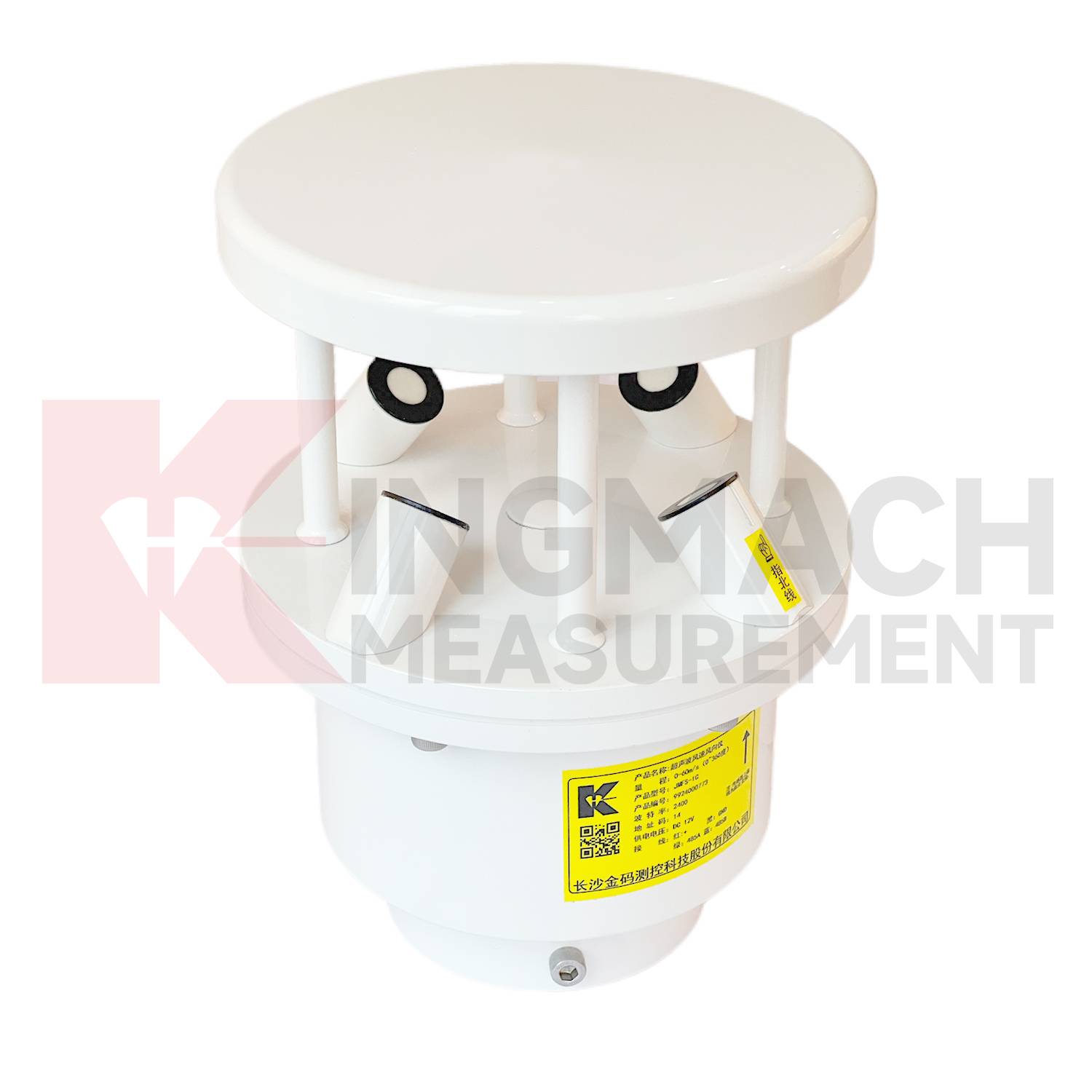
Ultrasonic Wind Speed and Direction Instrument
Kingmach Measurement & Monitoring Technology Co., Ltd.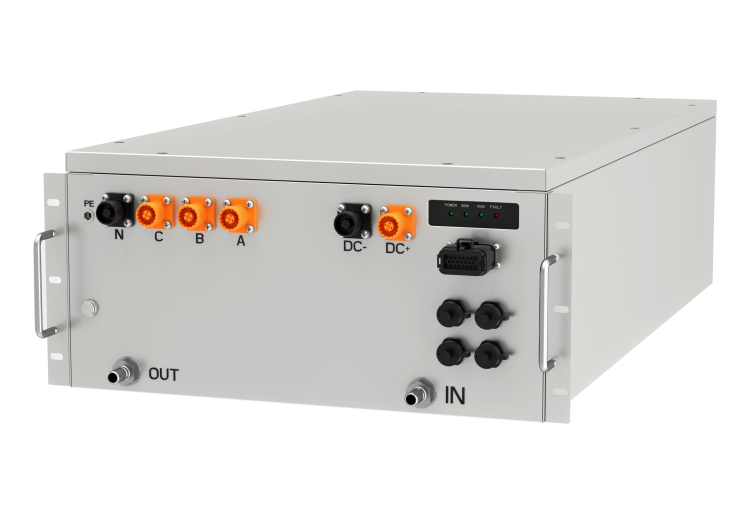
Mars (Liquid Cooling) Series Industrial and Commercial Energy Storage Converter High Protection Module
Shenzhen Winline Technology Co., Ltd.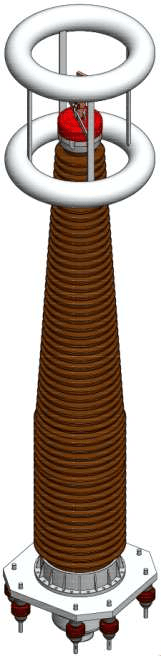
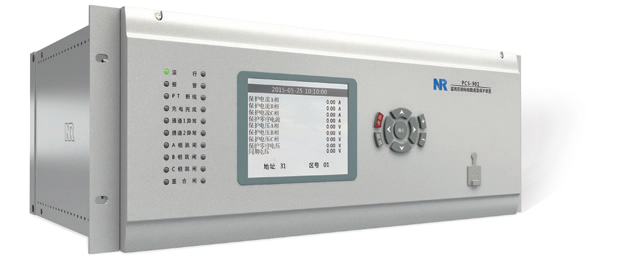
PCS-901 Series Ultra (Extra) High-voltage Transmission Line Complete Protection Device
Nanjing NR Electric Co., Ltd.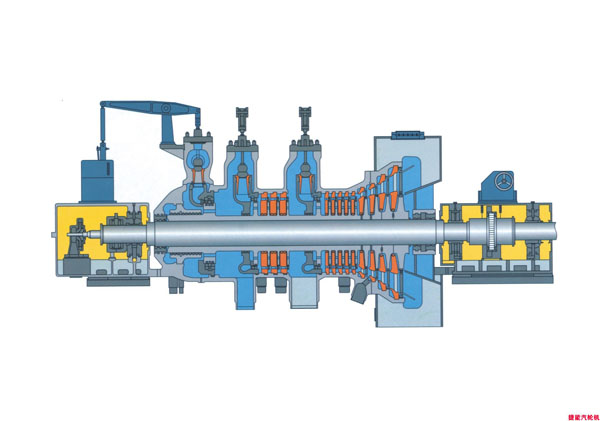
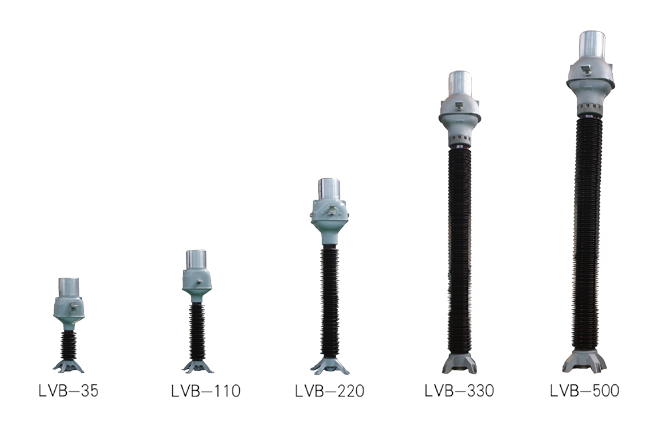
LVB Series 35-500kV Oil-immersed Inverted Current Transformer
Shandong TaiKai Instrument Transformer Co., Ltd.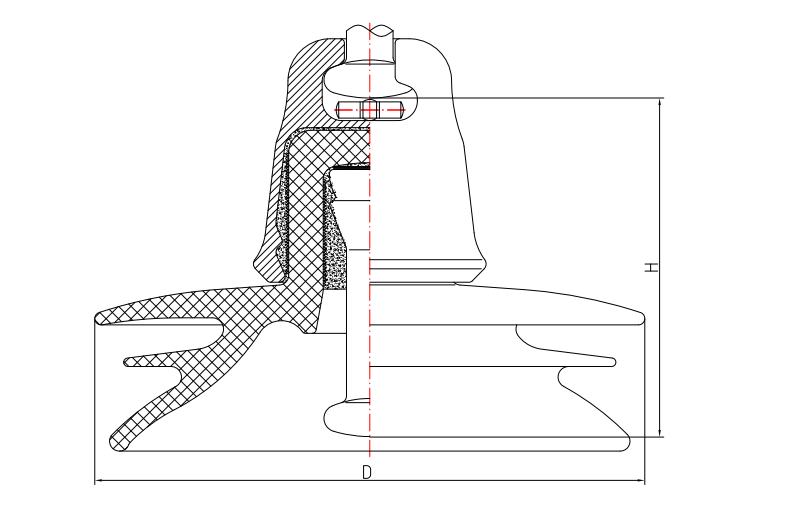
Post-type AC Pollution-resistant Disc Suspension Porcelain Insulator (Triple Umbrella Type)
Shandong High Voltage Insulator Co., Ltd.
Prefabricated Houses and Electrical Energy Boxes
Chengdu Ruilong Machinery Manufacturing Co., Ltd.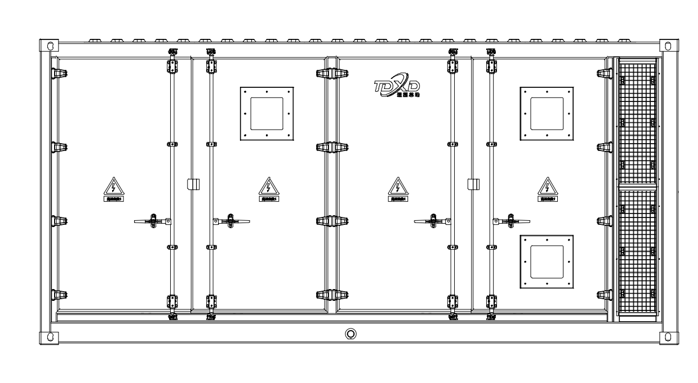
5012kWh DC Energy Storage System TD-EES-5012kWh
Suzhou Tongding Xindong Energy Storage Technology Co., Ltd.